
Filter Post Type
NewsVideoProductEventLink
Sort:
Most Recent
1–10 of 38
February 3, 2026
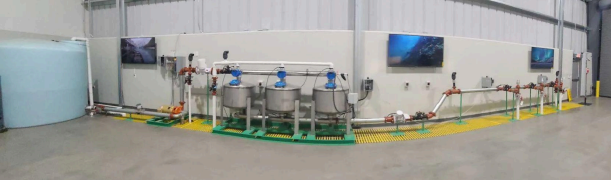
HotSpot AG is excited to welcome World Ag Expo attendees to our Training Center for an educational session as part of this year’s World Ag Expo Tours on February 10th. The tour stop offers attendees a chance to learn how growers utilize innovative HotSpot AG solutions to support best practices in water conservation through irrigation automation and optimize nutrition management with automated variable rate fertigation injection skids. Guests will be given an exclusive opportunity to witness a live demonstration and see how the HotSpot AG technology seamlessly executes complex irrigation and fertigation schedules with just a touch of a button. Within the Training Center, a condensed layout of the irrigation pipeline offers viewers a unique opportunity to see firsthand how the HotSpot software communicates in real-time with equipment out in the field. When you visit the training center, you can expect: Water savings through precise scheduling Energy reduction with pump and VFD opt
00

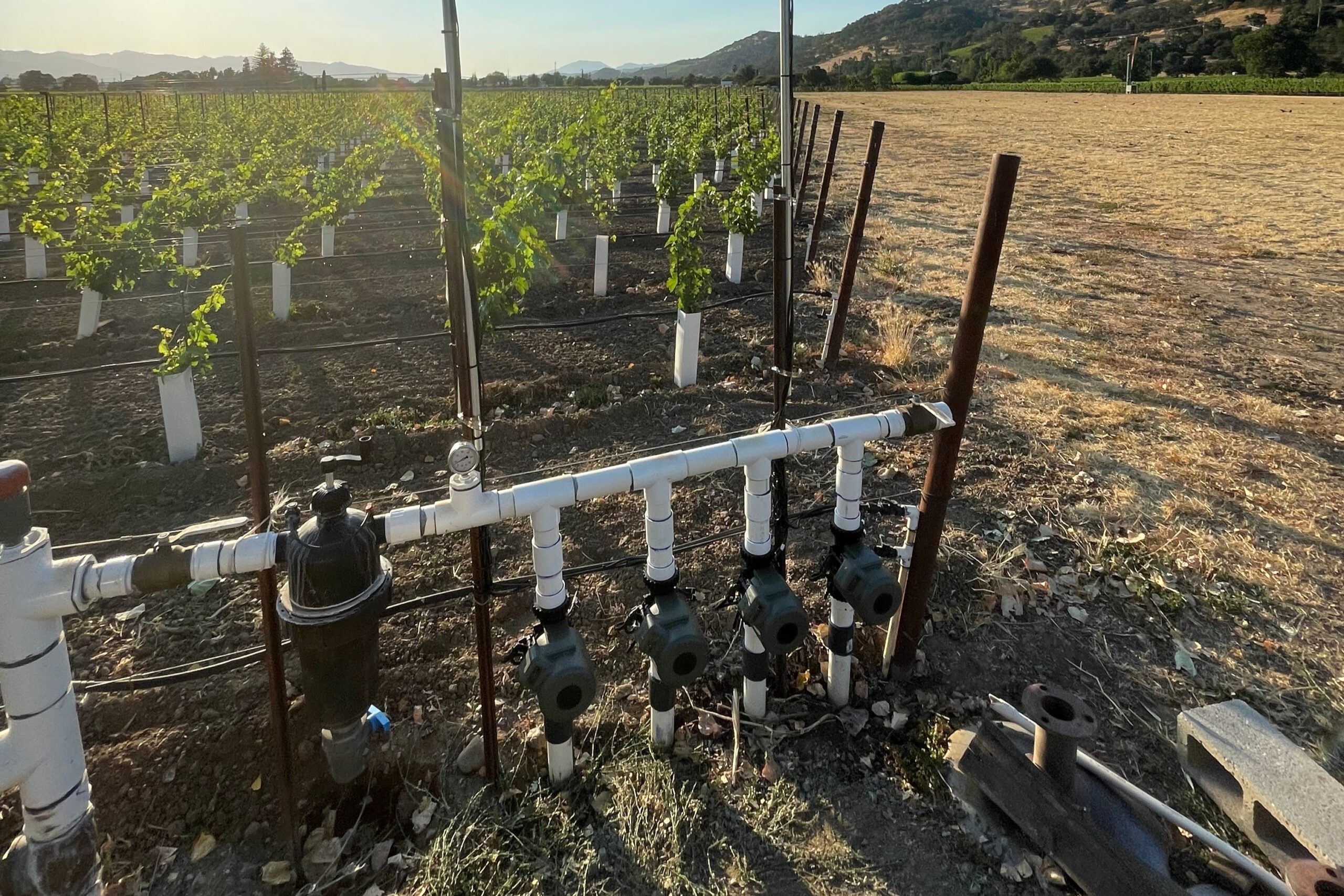
When you’re weighing your irrigation automation options for your next vineyard development project, there are good reasons to consider putting Lumo in from the start. 1. Faster Vine Establishment With Lumo installed, you’re never going to miss irrigations, which is especially important during heat events that can damage young vines. Everything will run automatically according to the schedule you set, even overnight and on weekends and holidays. You’ll eliminate the risk of under or over-irrigating because you’ll be tracking water volumes at a block level and you’ll receive alerts whenever there’s something up with your irrigation system performance. Nailing your irrigation upfront is critical to the longevity of your vines, ensuring their roots get properly established and improving the long-term productivity of your vineyard. With Lumo in from the start, you can be 100% certain your vines are getting the care they need to thr
00
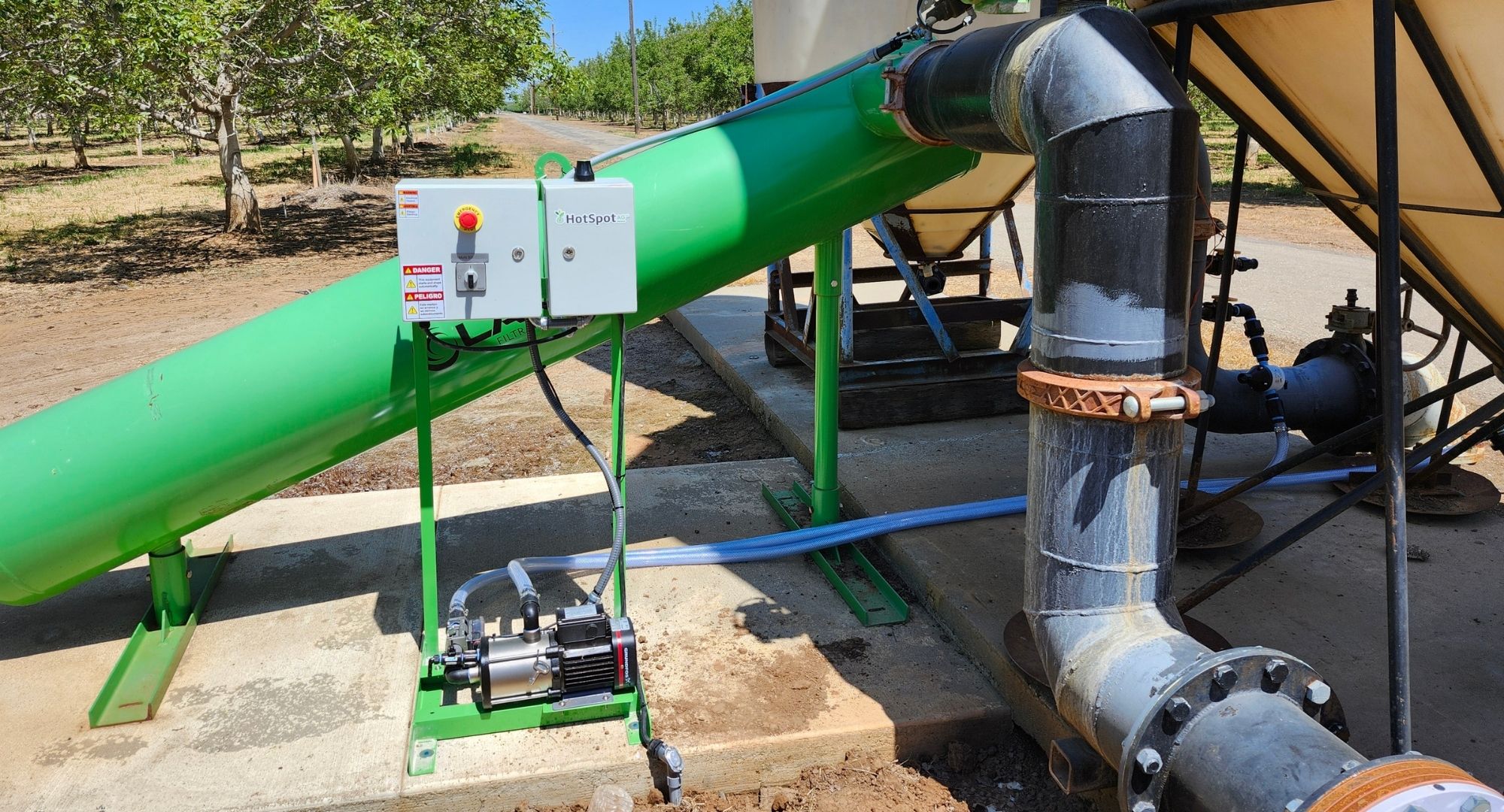
Continuous fertigation is gaining traction among growers who want to promote yield and preserve crop quality. This practice involves delivering smaller, steadier doses over the course of the crop season. Instead of applying large nutrient loads at select times during the season, maintaining a consistent injection rate that aligns closely with the crops natural uptake patterns can result in waste production and support improved crop quality and yield. In some cases, applying smaller doses within individual irrigation events can also be beneficial, but the primary value comes from season-long nutrient delivery based on the crops demand. Field Observations and Operational Benefits Growers are reporting a wide range of benefits from adopting continuous fertigation. For instance, almond grower Nathan Heeringa has noted improvements in almond development and overall performance when fertilizer is delivered in smaller, consistent doses. This method aligns with his broader experie
00
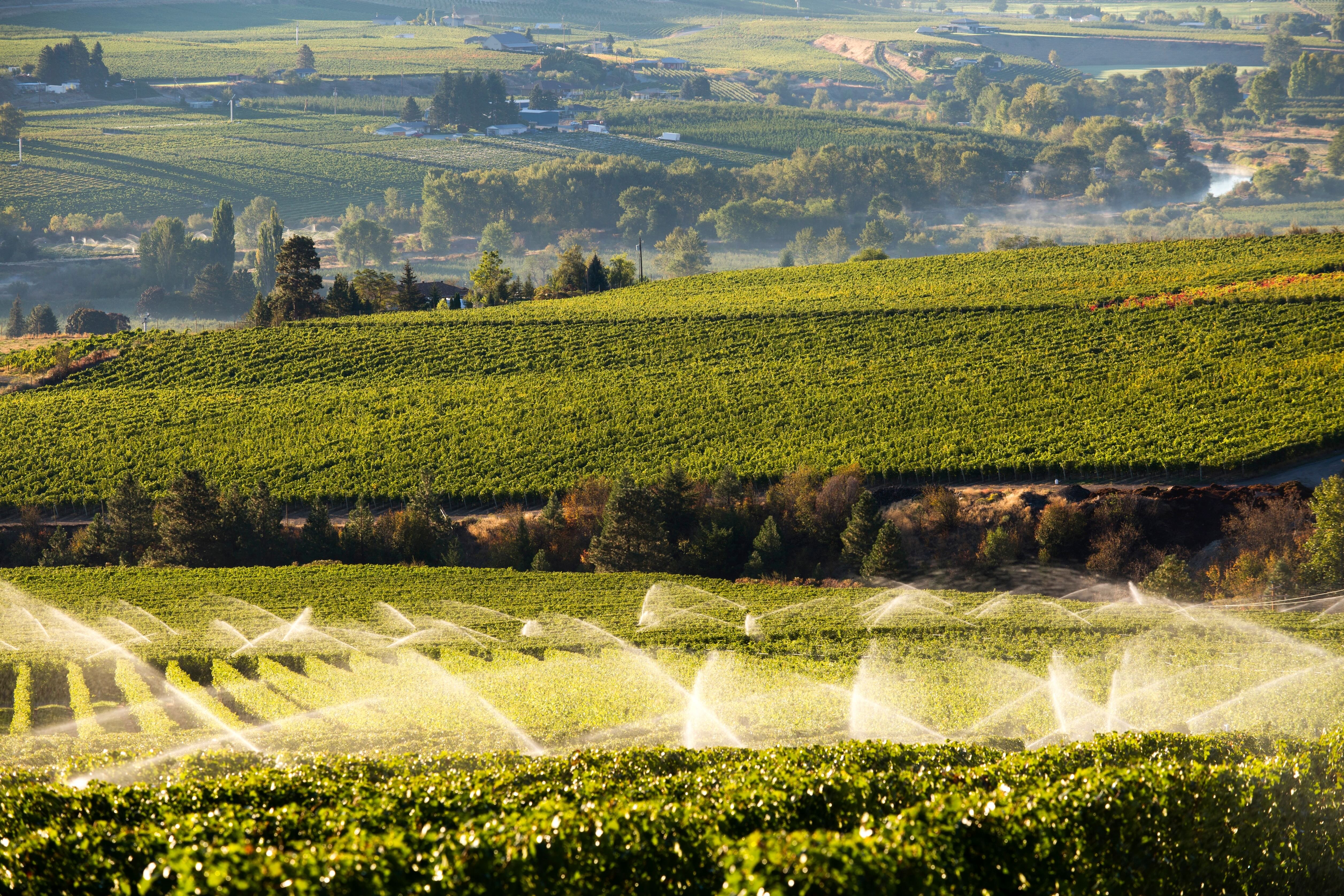
Declining groundwater levels and increasing pressure under the Sustainable Groundwater Management Act are changing how California wine growers think about water. What was once largely an operational concern is now directly tied to long-term viability, regulatory compliance, and sustainability planning. These issues were front and center during a session at the 2025 WIN Expo, where vineyard operators, hydrologists, and county leaders discussed how groundwater management is evolving and what growers can do to stay ahead. Moderated by Val King, Director of Channel Partnerships at Verdi, the session underscored a clear reality. There is no single solution, but there is a shift toward local control, better data, and practical changes in vineyard management. SGMA Was Built to Be Local, Not One-Size-Fits-All Your browser does not support HTML5 video. SGMA is often misunderstood as a rigid, top-down mandate. In reality, it was designed around California’s variability in geology, climate
00
In today’s video, Jose from Ranch Systems demonstrates an efficient method for capturing and calculating total water usage for the year. Learn how to utilize the RS130 telemetry system to remotely monitor your wells, automate meter readings, and generate accurate reports for compliance. In this video, we cover: The Hardware Setup: A look at the RS130 unit equipped with a pressure transducer and an optical camera mounted directly on the flow meter display. Daily Image Capture: How to view daily photos of your mechanical meter readings to verify data without visiting the site. Software Dashboard: navigating the Ranch Systems platform to view manual reading logs, correct camera rotation, and use the calendar feature to view historical data. Pressure Monitoring: Utilizing pressure transducers to track exactly when water was turned on/off and the line pressure. Data Reporting: How to view monthly and yearly totals (in acre-feet), compare year-over-year usage, and exp
00
December 1, 2025
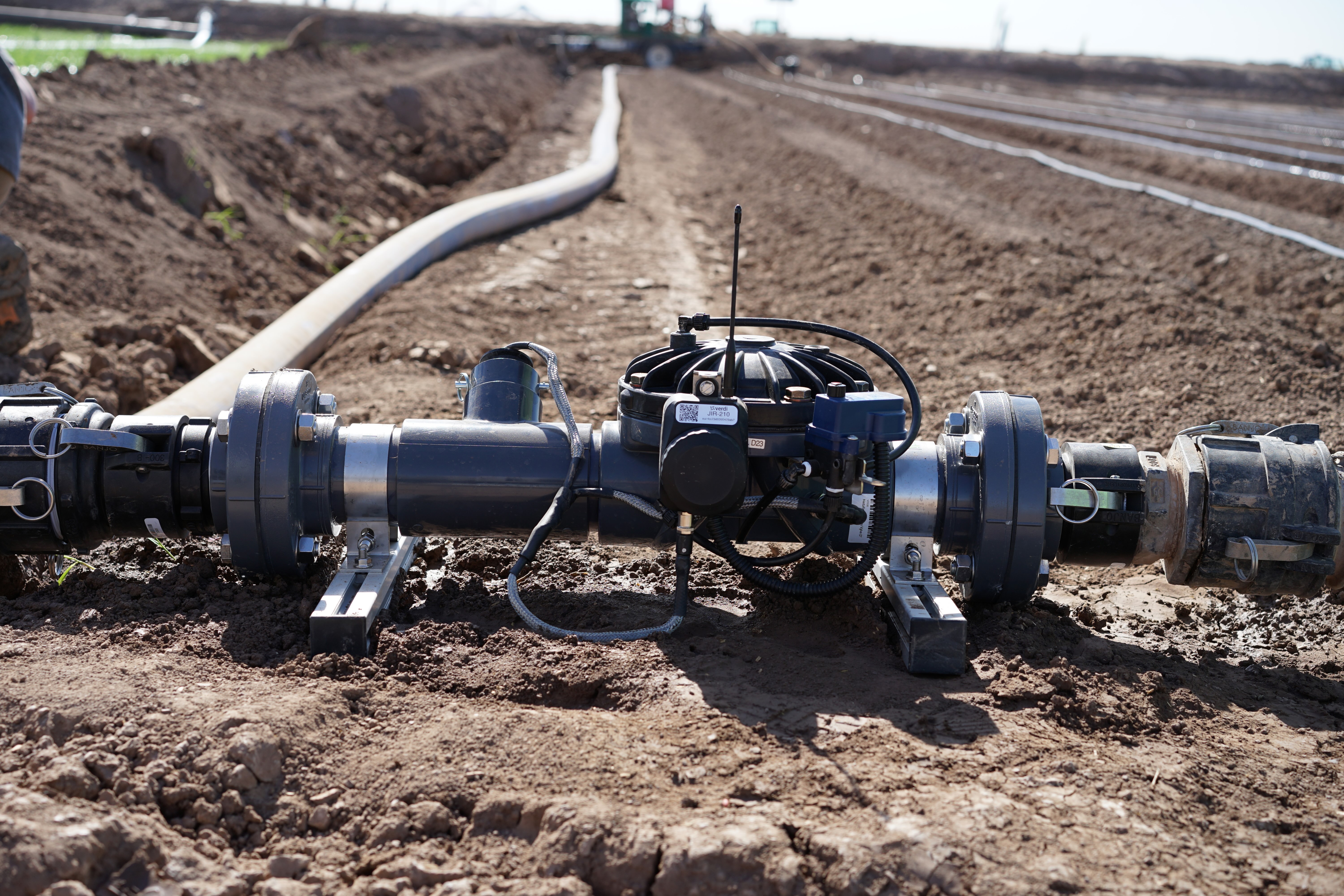
Introducing the Verdi Smart Valve Precision irrigation depends on one thing: knowing that every irrigation is delivered exactly as planned. For specialty crop growers managing multiple blocks, varied valve sizes, and rising production costs, achieving that level of control and visibility has often been difficult. Verdi’s new Smart Valve changes that. Each wireless unit enables remote control, real-time irrigation verification, flow-based scheduling, and water-use reporting, all powered by the Verdi Dashboard. It’s available in a full range of sizes from 1 inch to 4 inches. Built for Today’s Challenges Growers across specialty crops, from orchards and vineyards to berries and vegetables, are dealing with rising input costs, labor shortages, and increasing pressure to optimize resources. Many are navigating tighter margins while striving to maintain quality and compliance. The Smart Valve fills a critical gap in the market for growers who need automation that&rsq
00

What makes Enolytics different from any other reporting platform? It’s a fair enough question, and we’re always glad to respond. Lately we’ve been starting with this graphic, of what’s above and below the surface when it comes to wine data. It’s like an iceberg in the ocean. The “tip of the iceberg,” above the surface of the water, is what most wineries see and use when it comes to data: dashboards, reporting, and benchmarking. But these elements, while essential, merely scratch the surface of what data can reveal about a wine business’ health and growth. Those things report, yes, but on sales that have already happened in the past. Notice the penguin at the top of the graphic! Which is appropriate enough: they’re comfortable and familiar there, but hardly adventurous or trail-blazing. It’s what lies beneath the surface — the deeper insights — that are vast and transformative. Growth-oriented, and forwar
00
November 10, 2025
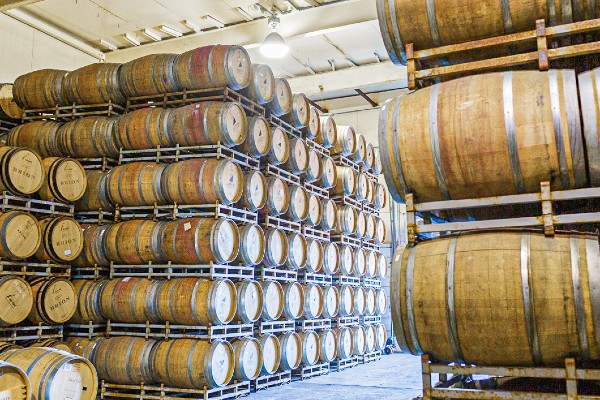
Sustainability in winemaking goes far beyond vineyards, irrigation, and lightweight glass. Increasingly, wineries are looking deeper into their production cycle—and discovering that one of the most impactful places to make change is in the cellar itself: the oak barrel. Each new wine barrel represents decades of forest growth. Most oaks used for cooperage take between 80 and 120 years to mature before they’re harvested, and each barrel requires multiple trees’ worth of wood. When those barrels are used only once or twice before being retired, the environmental cost is steep. Reusing or recoopering existing barrels extends the life of that oak, maximizing its carbon value and minimizing waste. This practice reduces demand for new trees, cuts down on shipping emissions associated with importing new oak, and prevents thousands of barrels from being discarded prematurely each year. In short, extending barrel life is one of the most practical forms of sustainability availa
00
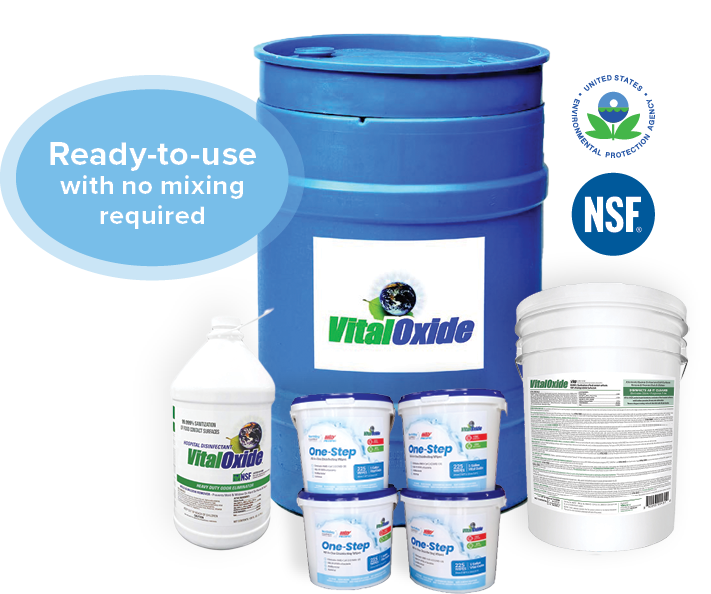
Achoo! Guess what can cost you $2,495 per employee? It’s that time of year for the Flu and many other viruses to hit your employees and knock them off line for several days or longer. Already, doctors and hospitals are reporting more flu-like illnesses. Why should you care? Because poor employee health costs U.S. employers and organizations over $575 Billion and 1.5 Billion work days of lost productivity and annually! The Flu is nothing to sneeze at! Did you know that productivity losses linked to absences cost U.S. employers $2,495 per employee per year – and smaller businesses feel the effect of absenteeism even more? On top of that, if your employees come in while sick, the loss in productivity while on the job added up to 44 days per year. All coming right off your bottom line. You CAN reduce the cost and risk... We all know how easily the Flu, Covid-19 and other viruses can spread. And with today’s employees often coming in sick to work – an
00
September 30, 2025
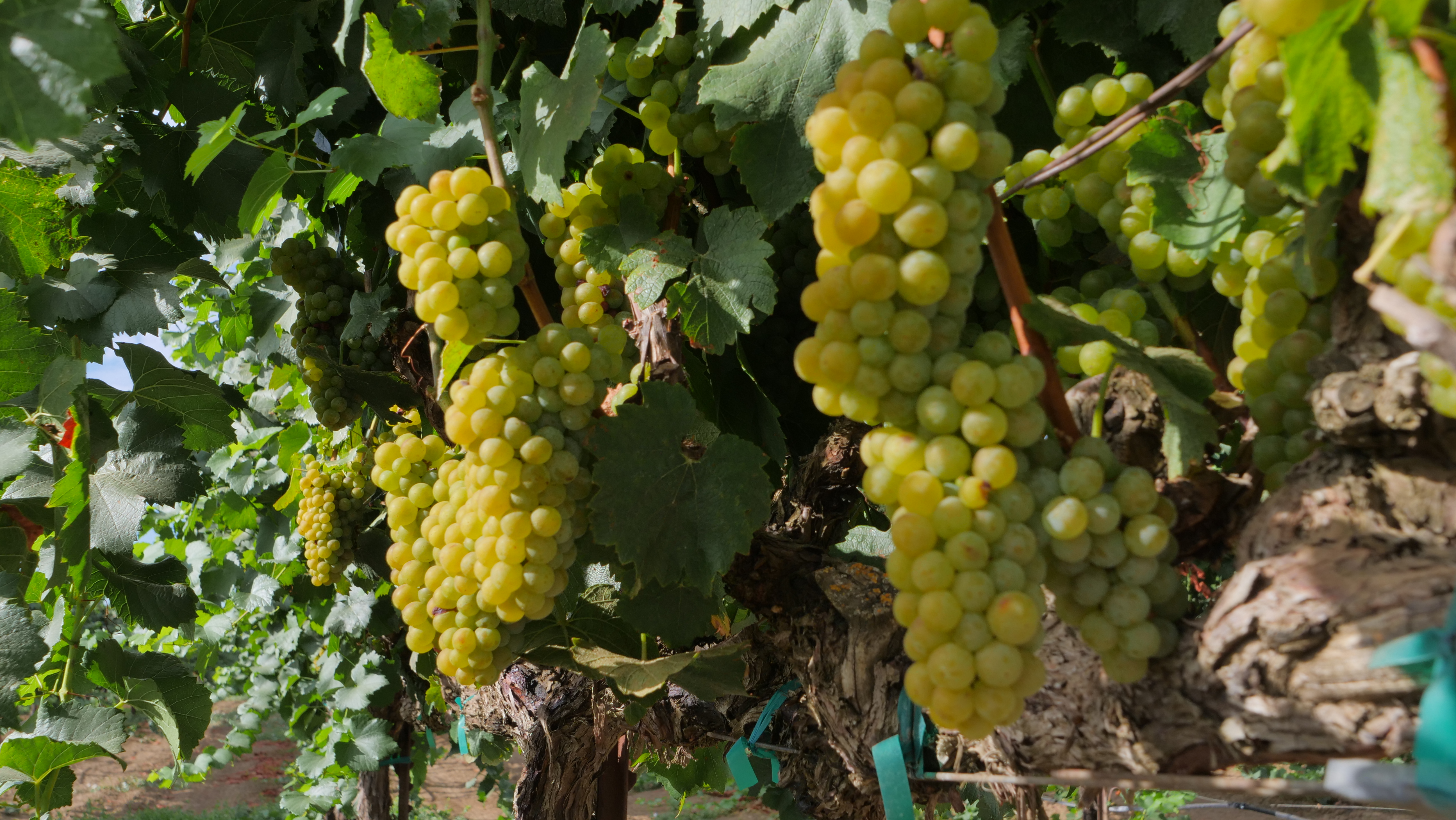
With the conclusion of harvest, it’s easy to shift focus from irrigation. The crops are in, and the season’s busiest time is nearly wrapped. However, the irrigation practices in the immediate post-harvest weeks are crucial for next year’s growth, yield, and quality. Market conditions often tighten budgets, labor availability decreases, and water allocations may already be stretched thin from the season. At the same time, crops are still active beneath the soil line, requiring care to build root strength and store nutrients for the year ahead. Balancing limited resources with the ongoing needs of the crop can feel like a gamble, especially when every decision impacts next year’s performance. How HotSpot AG Helps in Practice Reliable irrigation automation makes all the difference. HotSpot AG’s systems were designed with the understanding that every farm has unique characteristics, such as older pumps, intricate irrigation layouts, and specific site challe
00