
Filter Post Type
NewsVideoProductEventLink
Sort:
Most Recent
Tagged:volatile acidity
1–2 of 2

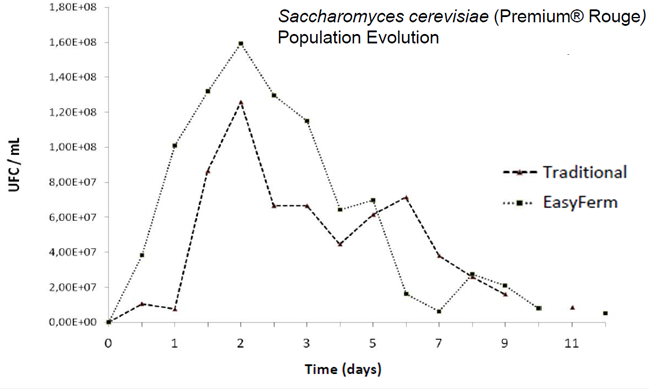
We can finally say that 2022 Harvest has started across the PNW. California's been harvesting for some weeks now, while Oregon and Washington are just starting. The first comments from the industry report a smaller harvest in terms of yield, with smaller berries but, generally speaking, higher quality due to the concentration of color and varietal aromas. Some of the aspects winemakers and vineyard specialists have had to deal with are not small or easy; several areas were first hit by frost, some by excessive heat and drought, and others by both. One of the common issues we experienced at JUCLAS USA is juice coming in with initial high values of VA. This particular compound can lead to the loss or suppression of aromatics, and an unpleasant sensation in the back of the throat when tasting the wines. As far as available solutions, at JUCLAS USA we recommend the use of the EASYFERM, our automated rehydration system. The EASYFERM will manage the nutrition, rehydration, and
00

Are you seeing high VA in reds this year? (We are 🙄) We've received a lot of feedback about high volatile acidity (VA) in red grapes, especially in Northern California. We don't have a full understanding of why this is happening. We're seeing high VA with and without visible signs of rot. We're also seeing high VA with and without the presence of spoilage organisms. However, we do have some best practices on how to mitigate the effects. Why is VA a problem? 👉 Acetic acid is inhibitory to yeast and can cause stuck fermentations 👉 Negative sensory impacts 👉 Legal limitations in wine What can you do about it? 🤔 Our technical team has put together a guide to managing high VA. Click below to check it out! Click Here to Open
10