
Filter Post Type
NewsVideoProductEventLink
Sort:
Most Recent
1–10 of 28

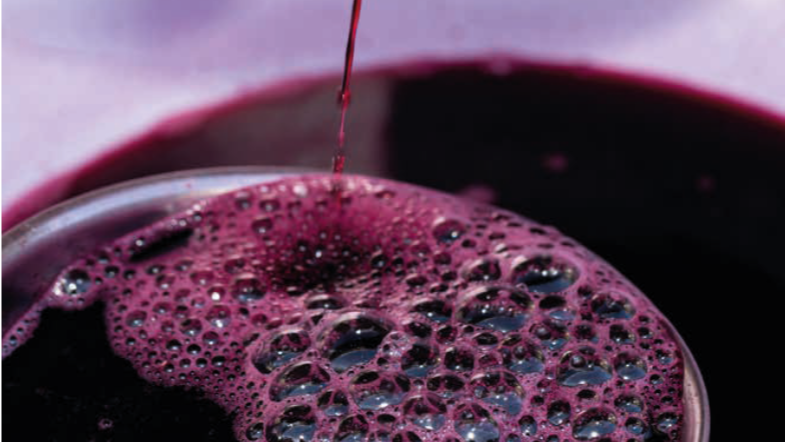
From Fermentation to Bottling The color of a red wine is a powerful sign of quality and style. From the first pump-over to the final bottling, every step of vinification contributes to extracting, fixing, and preserving a vibrant and stable the color. Fermentation: Extraction & Early Stabilization Enzymes for Maximum Color Release ZIMARED® PLUS Speeds up anthocyanin extraction, encourages polyphenol release, reduces punch downs/pump overs, improves clarification and filtration, and increases yield. EXTRARED L High color-extracting activity, ideal in the final stages of maceration to help form stable anthocyanin complexes. Tannins for Immediate Color Fixation - V Tan® SG Promotes anthocyanin–tannin bonding and early color stabilization - Smartan® Uva Enhances structure while safeguarding fresh fruit notes and protecting color during the most critical phase Post-Fermentation: Tannins for Structure & Lo
00

August 18, 2025
After a wet winter and a slow start to spring, California is now experiencing an unusually cool summer. While the extended hang time may sound ideal at first glance, many winemakers are concerned, and for good reason. Persistent cool, damp weather during the growing season brings with it an entirely different set of vineyard and cellar challenges, from disease pressure to delays in ripening. If you haven’t already, it’s time to start thinking about how this season’s cooler conditions may affect your fruit, and how to plan ahead to protect your wine’s quality. What’s the Problem with a Cool Summer? Cooler-than-average temperatures, especially when paired with humidity or late rains, can lead to several problematic outcomes in the vineyard: Delayed Ripening: Grapes take longer to reach phenolic maturity, and sugar accumulation may lag behind flavor development. This can result in unbalanced fruit and longer hang time on the vines. Increased Disease Pressure:
00
July 23, 2025
Event Type: Webinar
Location: Online
Date: 7/31/2025
With hotter growing seasons and shifting harvest windows, winemakers are increasingly challenged by high pH, low acidity, and elevated alcohol in their musts. These changes can lead to wines that feel flat, overly ripe, and microbiologically unstable, often requiring higher SOâ‚‚ doses and risking aroma loss and reduced freshness. In this webinar, we’ll explore two innovative yeast tools designed to naturally correct these imbalances from the fermentation stage: Excellence X-Fresh (Lachancea thermotolerans): a bio-acidifying yeast that converts sugars into lactic acid, helping to lower pH, increase total acidity, and reduce alcohol in must—while boosting microbial stability. Excellence Celsius (Saccharomyces cerevisiae): a fermentation yeast that produces elevated levels of glycerol and malic acid, enhancing mouthfeel, freshness, and aroma intensity. Together, these strains support a balanced, sustainable winemaking strategy in the face of c
00

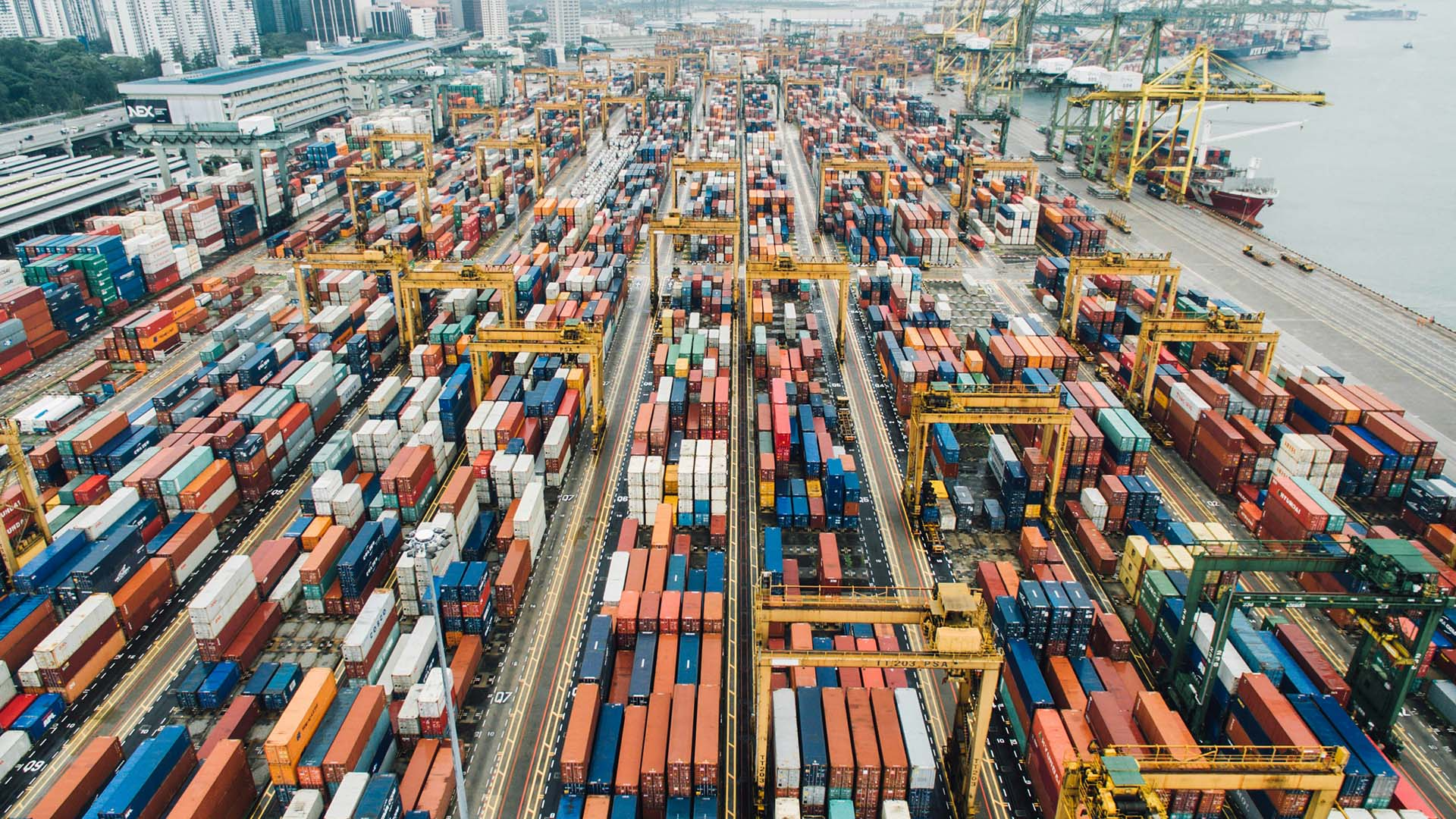
The U.S. tariff environment remains unpredictable, with repercussions that stretch well beyond its borders. More recently, Section 232 duties on steel and aluminum were doubled to 50 percent on June 4, 2025, adding another layer of complexity to global trade. While these tariffs primarily affect industries reliant on steel and aluminum, they highlight just how volatile the economic landscape can be: a reality that resonates deeply within the glass industry. Although the UK negotiated a temporary carve-out for steel and aluminum (maintaining rates at 25 percent until around July 9), most other trade partners are experiencing the full weight of these changes. For the glass industry, which relies heavily on stable supply chains and predictable costs, such shifts serve as a stark reminder of the risks posed by an unstable economic climate. For background on earlier tariff impacts on glass from March 2025, including implications for our glass bottle pricing, see our report on the
00


According to Technopedia, “Future proof” describes a product, service or technological system that will not need to be significantly updated as technology advances. Purchasing a Future Proof Palletizer A palletizer purchased today must be as future-proof as possible because it will likely be in operation until 2034, or perhaps as far into the future as 2044. With a life expectancy of one to two decades, a palletizer built today must be engineered with machine control and layer configuration software, electro-mechanical parts, sensors, robots (for some applications), and other components that will perform efficiently and reliably as the machine ages. The manufacturer of the selected palletizer must also be a long-term partner able to provide after-market service and support capabilities that increase the likelihood of maintaining, and when needed, updating or modifying the palletizer to maximize machine life. Basic Considerations There are basic considerations that must
00
May 7, 2024
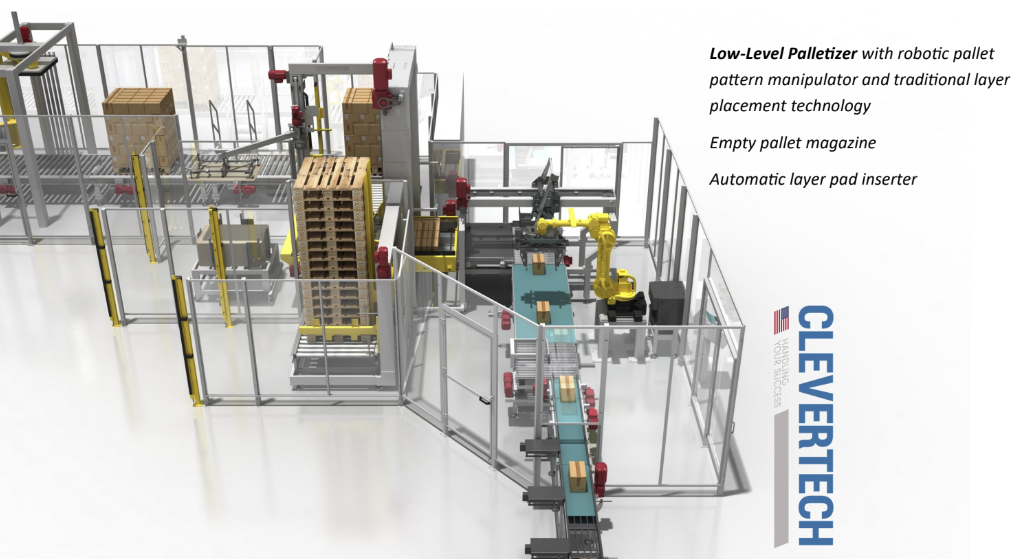
One of the details that must be addressed when selecting a palletizer is whether a low-level (ground-level) or high-level (built on an overhead platform) system is best suited for the application. Machine Specifications Shown below are machine specifications that must be determined when deciding whether a low or high-level palletizer is best for your application : 1). Production Requirements: Specifying the products that will be palletized on the machine today, while also accommodating what will need to be palletized far in the future, is an important first step in the process. Such things as the range of: • Product dimensions • Product weights • Package designs • Materials to be handled • Pallet heights That the palletizer will be handling, manipulating, forming into layers, and placing onto a pallet (or no pallet for unitized loads) will need to be specified. 2). Speed of Operation: The range of speeds that the palletizer will need to achieve to meet pro
00


During a recent fining trial of a problematic wine that was fermented with a problematic yeast, the conversation briefly touched on protein stability and I started reminiscing about the very first blog that I wrote for Laffort South Africa. Said blog post (click here to read it) was about bentonite and its affinity for various proteins or the lack thereof. Bentonite – Jack of all trades, master of some Whether you love it or hate it, this bentonite stuff really is a very versatile oenological additive. For those that are a bit hazy (see what I did there) on the subject, here is a quick recap on what bentonite is and what it does. Bentonite, which is essentially a very useful negatively charged clay, is mainly composed of plates of silicon and aluminium oxide, along with calcium and sodium ions. Upon rehydration, the above-mentioned plates separate, thereby creating a huge surface area that allows the sodium and calcium ions to interact with positively charged heat unstable prote
00
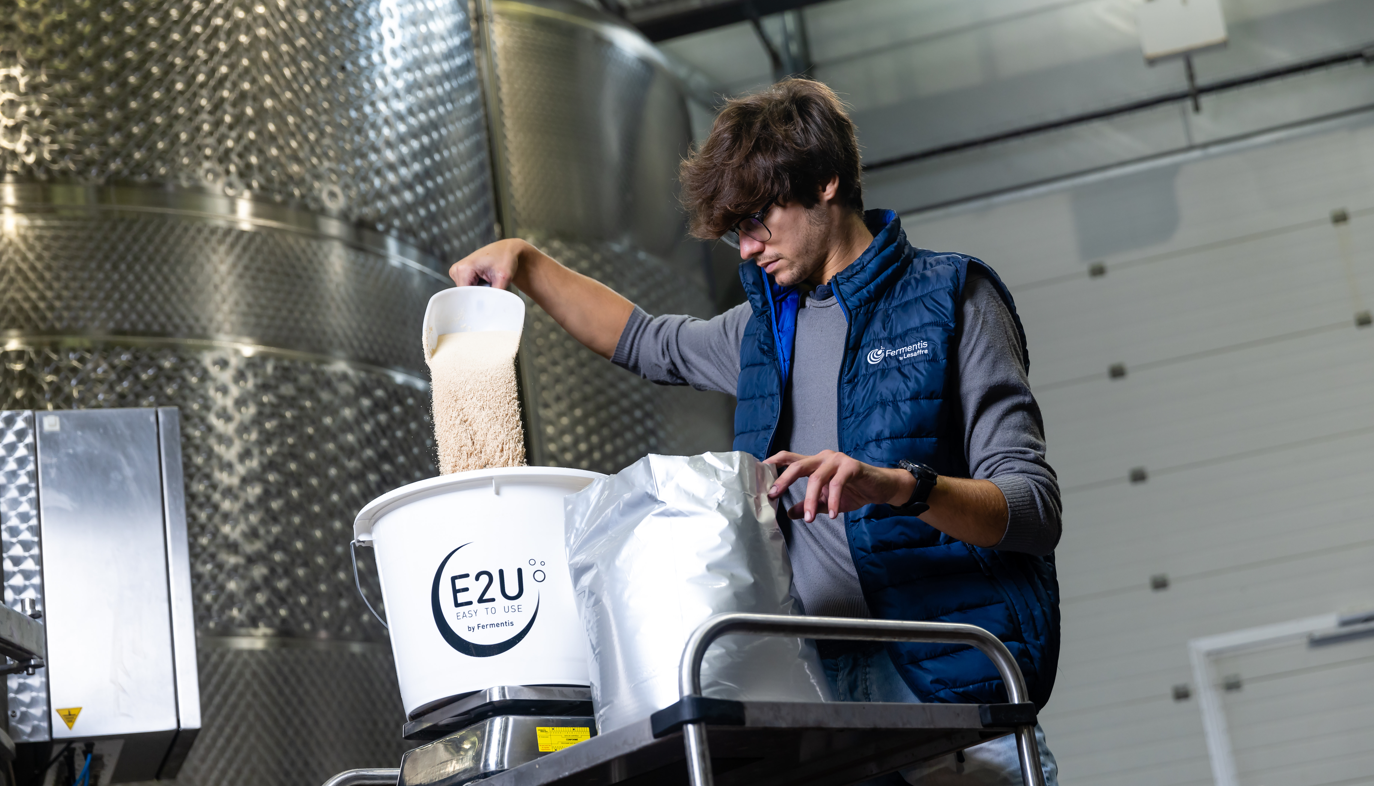
This is their primary function (they are 'EASY 2 USE'): easier to handle, and easier to use, they allow you to save time. A characteristic that both appeals to and pleases many producers around the world. In addition, E2U™ products impact positively the environment, the economy and users’ health. This is the Fermentis way of innovating in the right direction and playing our part, modestly, in the struggle to protect our planet. Fermentation is easier The first characteristic of our active dry yeasts which are certified and labelled E2U™ - is that they no longer have to be rehydrated prior to pitching. You can pitch them directly into the must, the quality of your fermentation will not change. Tests were carried out over more than a year on each of these strains to demonstrate that, without rehydration, all expected results were achieved: fermentation performance, delivery of flavors and aromas, expected color, and desired degree of alcohol. Whether you re
00


Event Type: Conference
Location: Coimbra, Portugal
Date: 11/7/2023
The fourth edition of Wine Future addresses the challenges that the wine industry faces today. The conference is a gathering of the most influential and respected names of the wine business, as well as voices from other sectors and competing industries. The goal is to offer solutions and inspire the many companies and individuals affected around the world. The conference will address the most important challenges the industry is facing, with a special emphasis on: How to engage new consumers (Millennials and Generation Z) The opportunity of diversity, equity, and inclusion Operating in an unstable global economy Addressing competition from Alternative beverages How to better communicate and promote wine and its related activities Dealing with all of the above while improving sales Register here.
00

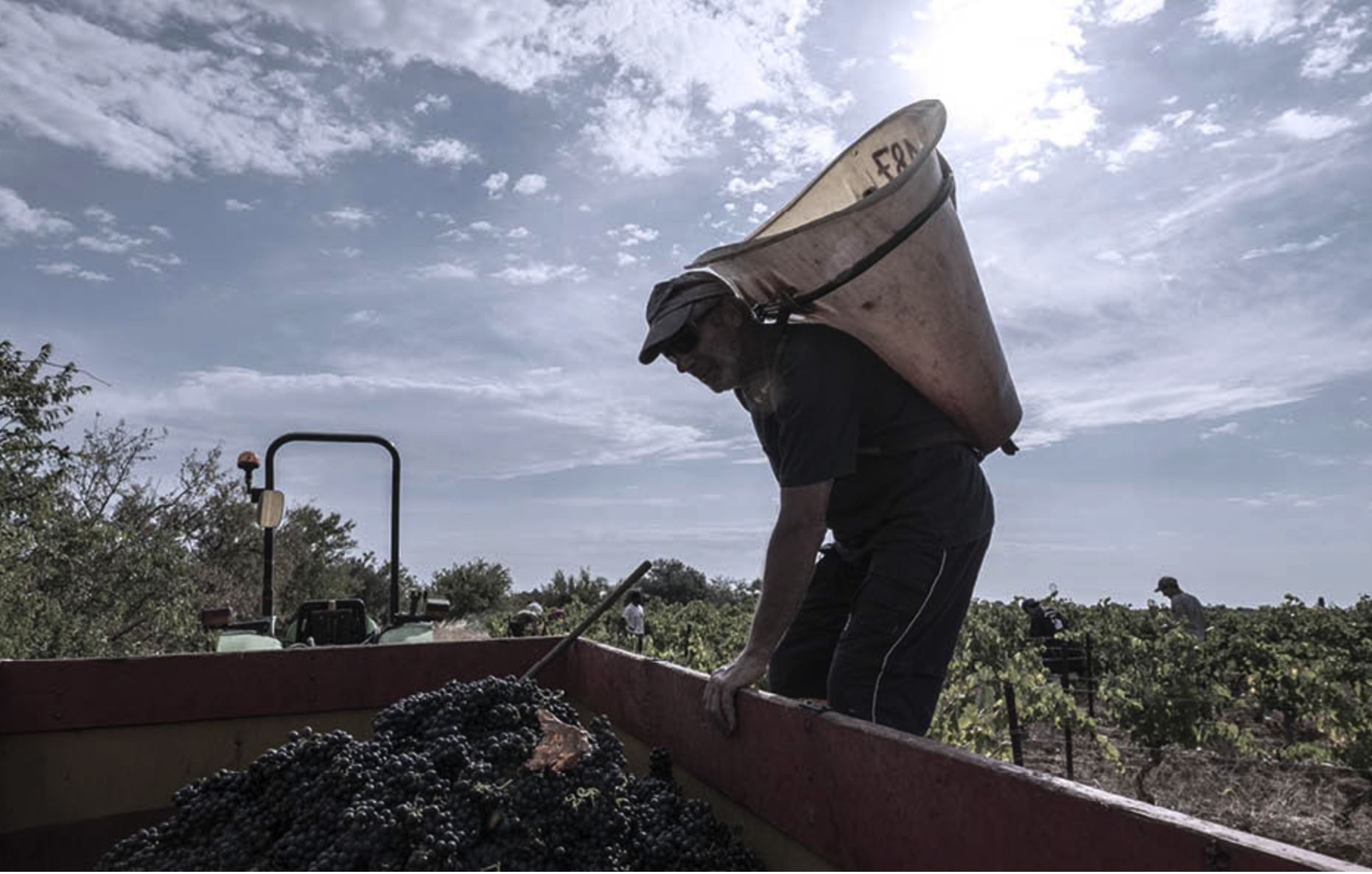
Unstable weather is making it increasingly hard to decide picking dates for grapes. We caught up with leading winemakers from Australia, France and the UK to find out how earlier harvests are impacting on grape quality. Having always been at the mercy of Mother Nature, winemakers are acutely aware of the impact climate change is having on their livelihoods. Temperatures aren’t only rising, weather patterns are becoming increasingly erratic and extreme, and incidents of devastating wildfires, floods, droughts and late spring frosts are becoming more commonplace in the world’s leading wine-growing regions. In 2021, France was besieged by a cocktail of climate catastrophes, from destructive spring frosts and raging wildfires to violent hail storms. The April frosts across swathes of French vineyard land were particularly brutal, resulting in losses of up to EUR 2 billion. Yields across France hit historic lows in 2021, down 30% on average, though losses were far worse in many
00