
Filter Post Type
NewsVideoProductEventLink
Sort:
Most Recent
1–8 of 8
October 9, 2024

Farmers and agricultural experts indicate that better access to ongoing education is crucial to advance their businesses. Recognizing that advancements in science and technology are constant, Vineyard Team launched a series of online courses to deliver the latest education on sustainable winegrowing. Courses feature insights from experienced farmers, researchers, and UC Extension. Best of all, viewers can access these courses for free (saving $380)! All courses within Sustainable Winegrowing On Demand include valuable continuing education hours (11.5 Department of Pesticide Regulation, 34 Certified Crop Advisor), and a train-the-trainer kit so viewers can easily educate their team. Through this program, there is a unique opportunity to connect with other sustainable winegrowers through roundtable discussions. Larry Witted, PCA and CCA from Lodi, California shares, "The Sustainable Winegrowing education from Vineyard Team allows me to view cutting-edge educational pro
00

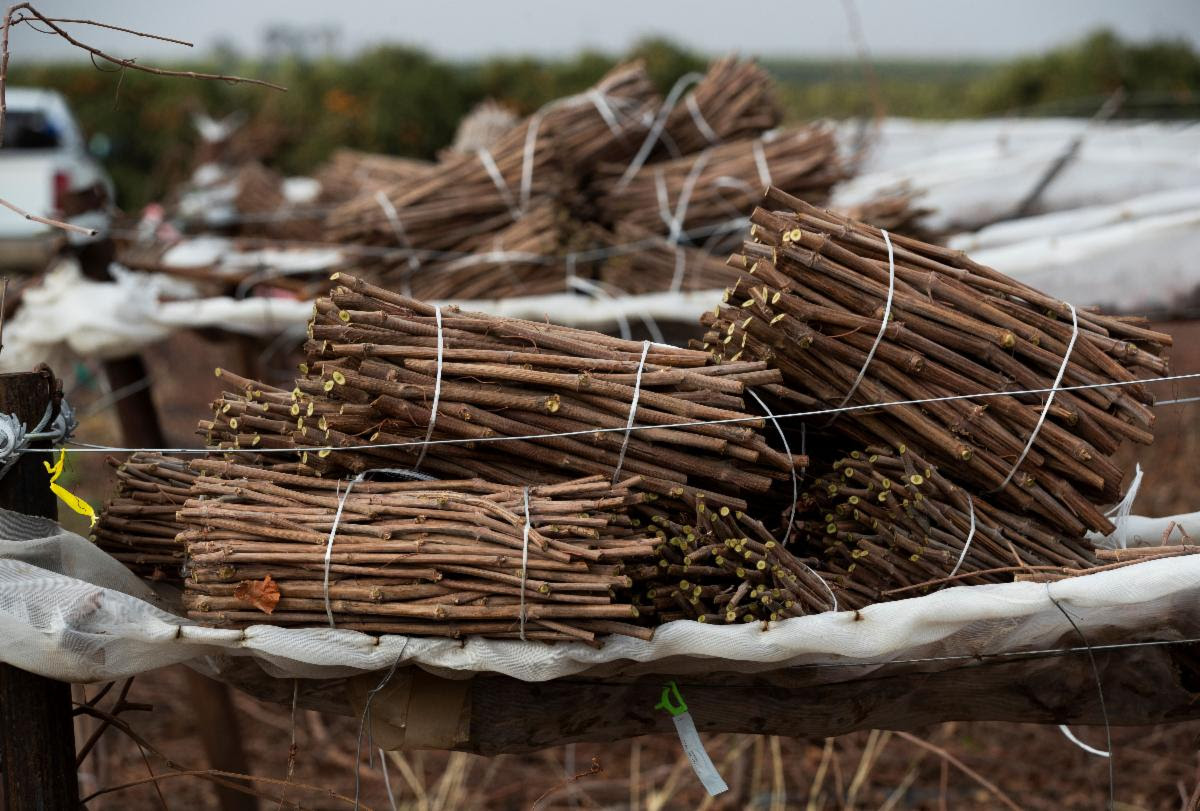
Sunridge is pleased to share with our customers our ongoing efforts and partnership with UC Davis, UC Riverside and Foundation Plant Services (FPS) to explore new technologies and techniques in grapevine propagation. Our aim is to revolutionize the way we approach and tackle challenges in the critical field of disease prevention and management. We understand the increasing concern among vineyard owners around this topic and are committed to helping find innovative solutions to mitigate these challenges and ensure the longevity and productivity of your vineyards. We pride ourselves on implementing a variety of treatments to our field cuttings to ensure cleanliness and guarantee the vitality of our vines from the very start. Building upon our existing practices, we are currently exploring strategies using the latest scientific research on grapevine trunk disease (GTD) mitigation to enhance our post-graft procedures, specifically to the pre-callusing stage. Our vines are being
00
May 24, 2024
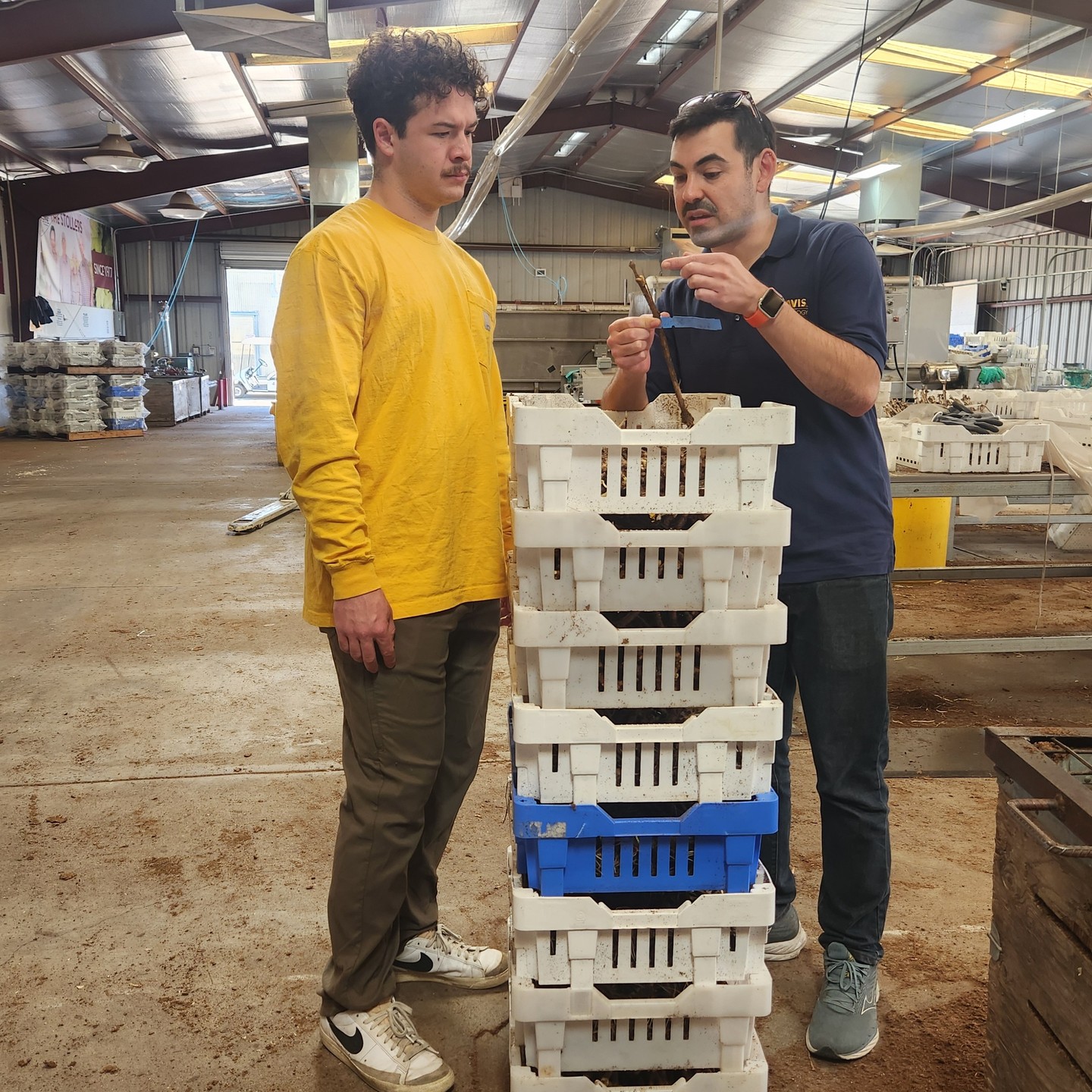
At Sunridge, we take great pride in our commitment to actively collaborate with experts in order to find solutions to better serve our industry. Most recently, we’ve partnered with UC Davis to provide vines for testing and evaluation in their latest trial aimed at innovative treatments to combat trunk diseases. Today’s visit was a follow up to administer the second round of treatments to the grafted vines, now that they have just come out of callusing. Our team will immediately plant these vines in pots and after about 12 weeks of growth, they will plan another visit to take the vines for inoculation and further evaluation to complete the last stages of this trial. Our commitment lies in not only identifying early detection methods but also prioritizing preventative measures to ensure the utmost health and vitality of our vines. That's why we diligently administer beneficial organisms throughout our propagation process, allowing our vines to flourish and rea
00

Vineyard Team's introduction of Sustainable Winegrowing On-Demand in 2023 brought forth a game-changing initiative. This program includes no-cost online courses that explore essential subjects like soil health, pest management, nutrition, and climate change, benefiting winegrape growers and industry professionals alike. Get instant access to 20 courses - absolutely free! -These courses prioritize sustainable winegrowing methods and all count towards valuable Department of Pesticide Regulation (DPR) or Certified Crop Advisor (CCA) continuing education hours: Trunk Renewal for Management of Trunk Diseases | DPR 1 - O; CCA 1 - IPM Waves of Innovation in Virus Vector Disruption: Vine Mealybug | DPR 1 - O; CCA 1 - IPM Improving Nursery Practices to Prevent Fungal Contamination and Biocontrol Strategies Against Grapevine Trunk Diseases | DPR 1 - O; CCA 1 - IPM Beyond Climate Change: The Agricultural Response and the Concept of Climate Smart Agriculture | CCA 1 - SWM Biologicals Upda
00

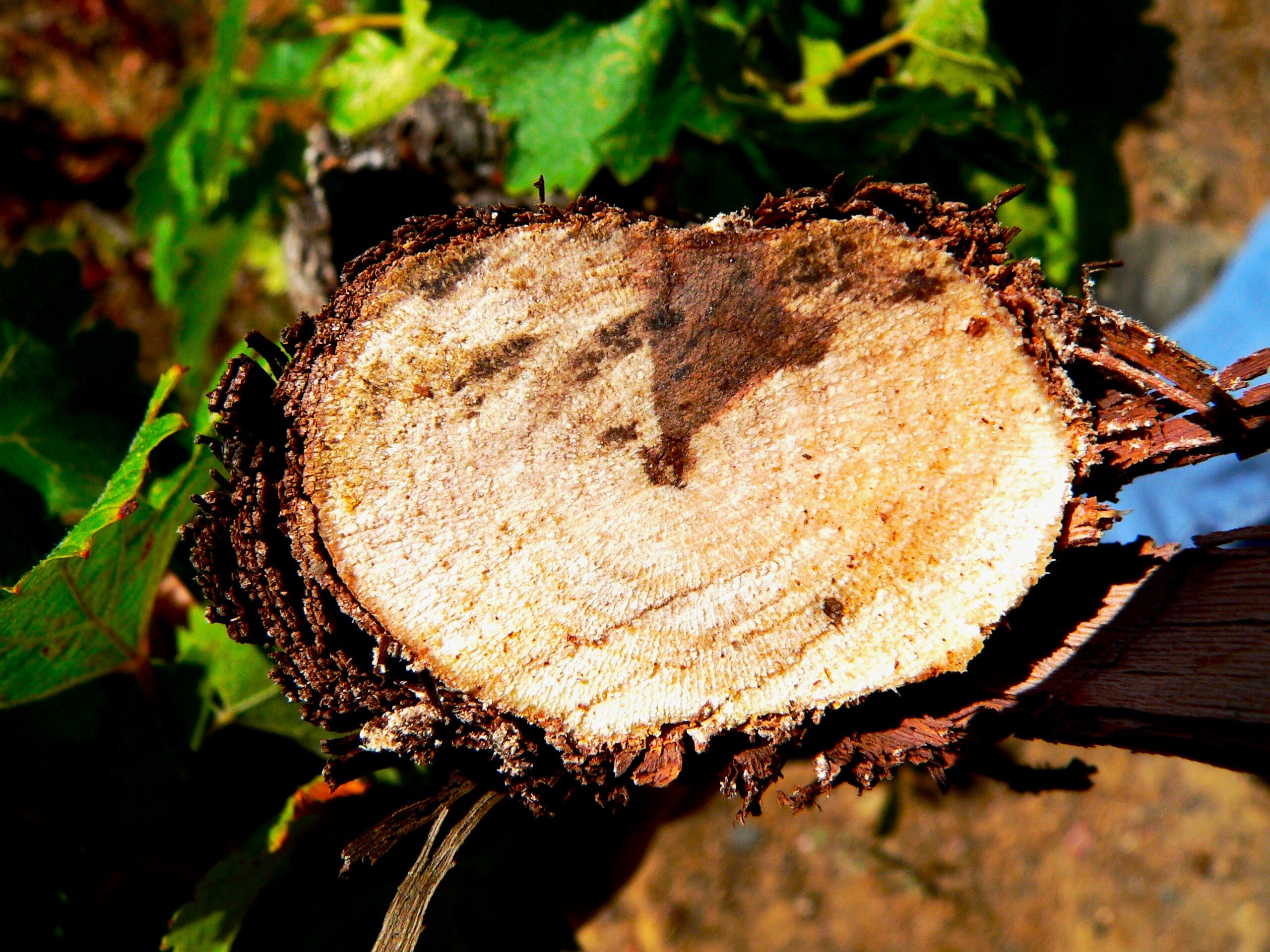
The recent rain we’ve been getting is certainly a welcome change. Wet weather does, however, present other challenges especially going into the pruning season. That’s right. I’m talking about trunk disease. It’s everywhere, and like viruses, growers like to pretend they don’t have it. After all, it takes years before symptoms express themselves and even longer before they amount to an economic loss. But economic loss from trunk disease is real and, uh, expensive. No one likes being told their best option is tearing out and replanting a vineyard, so let’s go over some ways to be proactive. We’re all stuck in the office right now anyway. Sometimes there are more than one pathogen present in the vascular tissue. This vine shows the classic wedge-shaped canker typical of Eutypa, but also has some spotty necrotic tissue associated with an Esca infection. What is trunk disease? Trunk disease is a catch all term that refers to fungal diseases Eutypa,
00
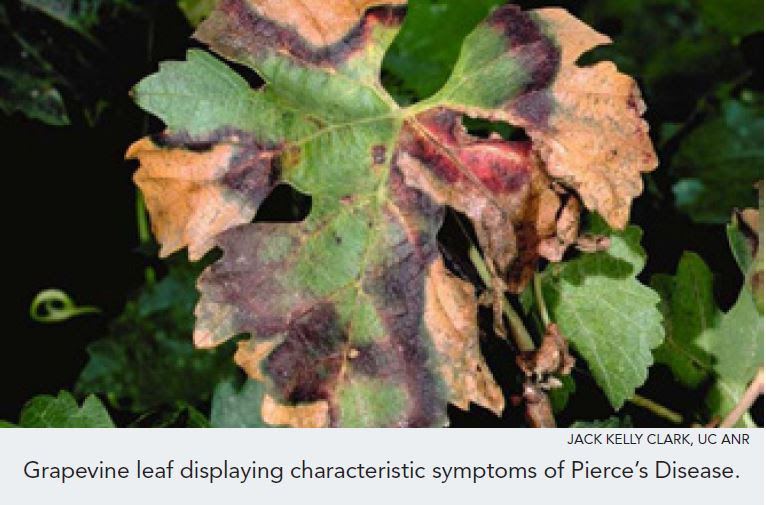
Pierce's Disease has been a scourge of vineyards for well over a century. It was discovered near the end of the 19th century by Newton Pierce, so the disease took on his name after originally being given the name Anaheim Disease (having been discovered in that area’s vineyards well before Disney and all that pavement moved in). Pierce’s Disease (PD) is a nasty disease caused by the bacterium Xylella fastidiosa, which is vectored by several different sharpshooter insects, including blue-green, red-headed and glassy-winged. The bacteria colonize the xylem vascular tissue. The bacterial colonies, along with gums that are exuded by the vine itself, clog the vessels and effectively choke off the vine’s water transport system. The disease is catastrophic in that it cannot usually be surgically removed from the vine and will most often quickly reduce both its fruit production and fruit quality before finishing off the job and killing the vine after a few years.
It is n
00
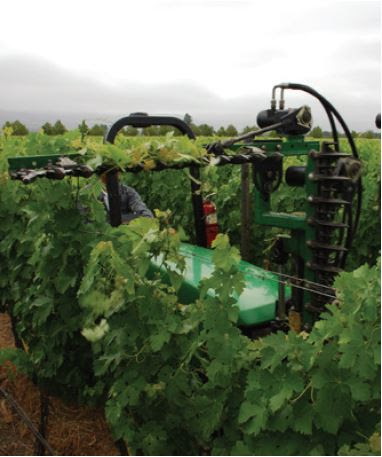
Everyone associated with the wine industry knows that labor has become more expensive, and it seems that wages are accelerating upward. The pool of largely unskilled or untrained labor is drying up, while those who remain available want more money for their work—and are getting it. Hence, there is absolutely no doubt that vineyards will increasingly adopt mechanical means to replace operations traditionally done by hand. Fortunately, necessity drives invention and innovation, and there are better versions of vineyard machines available all the time. Buying this equipment requires a significant cash investment, so growers will be willing to do so only when the return on the investment makes good business sense. But it is a little more complicated than simply substituting a machine for a human, especially in the fine-wine production sector. We have convinced ourselves that hand-farming is better than machine-farming, and wineries and winemakers are often reluctant to yield to the g
00
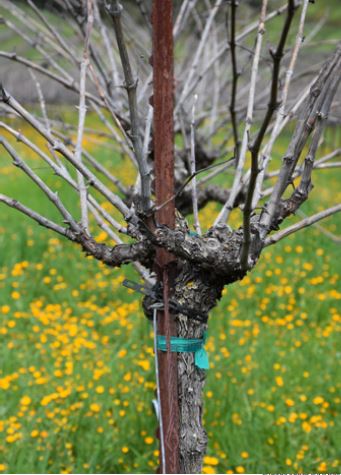
I'm not going to go ahead and say that I don’t think pruning is taken seriously enough. So why is it that I see poorly pruned vineyards so often? I think that most growers and viticulturists know very well how to prune grapevines and could do a great job of it on their own—if that were possible. But most growers and viticulturists do not have the ability to prune the entirety of their vineyards on their own, so they employ a labor force to prune, just like any other manual vineyard task. All vineyard operations are important, but pruning is just a little more important because pruning affects not only the upcoming growing season’s vine balance and productivity, but potentially the longer-term ability of the vine to either build or maintain its health and productivity. While there is certainly no problem handing over the pruning tasks to skilled laborers, it is important that the wishes of the grower or viticulturist is communicated effectively to the pruning crew,
00