
Filter Post Type
NewsVideoProductEventLink
Sort:
Most Recent
1–7 of 7
December 2, 2024
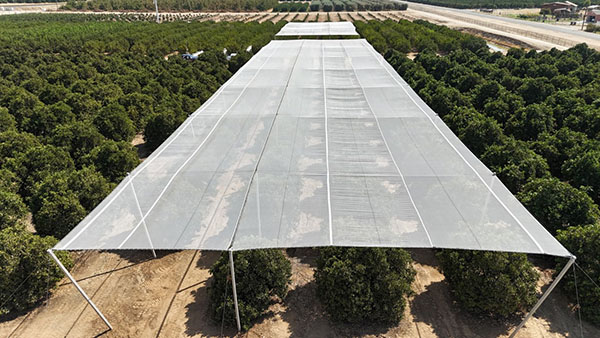
Winegrowers are nothing if not adaptable, given that the grape is a harbinger crop, or in more prosaic terms, the canary in the coal mine for agriculture. As a result, when climate shifts generate more frequent heat waves of higher temperatures and longer duration, viticulturists swing into action with a toolbox of methods to mitigate the effects. Growers use misters to cool the air around the grapes, irrigate in advance of heat waves to prevent dehydration, and even apply anti-transpirants that work like sunscreen to protect from sun damage. Medium-term options include changing canopy management to delay ripening and using regenerative farming techniques to boost water retention in the soil. The most aggressive strategies involve relocating vineyards to cooler microclimates or pulling up and replacing less heat-tolerant varietals. However, vineyard owners are unlikely to invest in these approaches while consumption and demand are declining. A better alternative wou
00
February 21, 2024
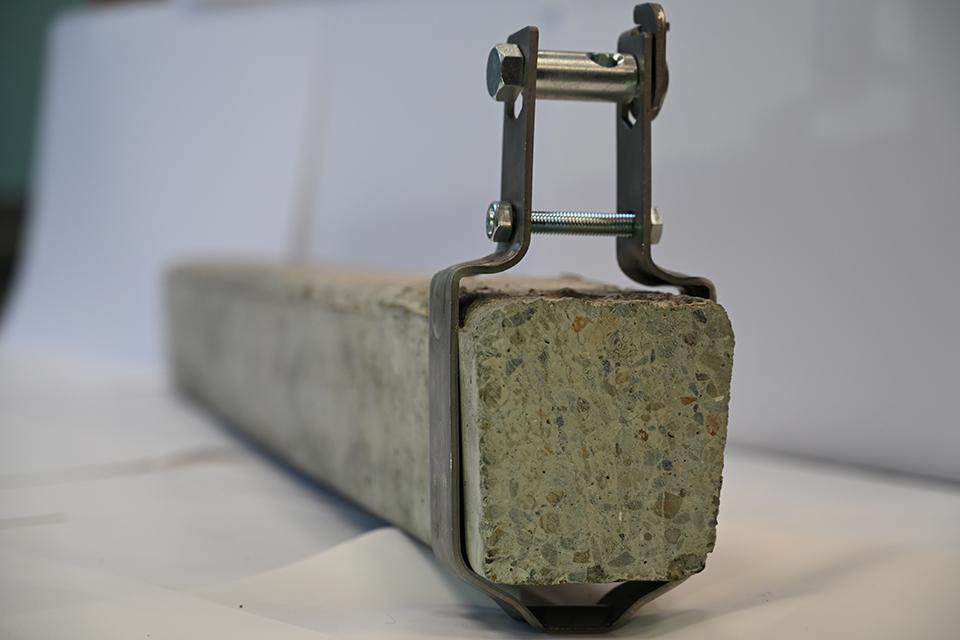
Responding to requests from growers, a longtime manufacturer of precast concrete products has recently begun selling prestressed, steel-reinforced posts for trellising orchards and vineyards. “We talked to a lot of growers,” says Jensen Precast Director of Product Management George Kehagias. “We found there’s a lot of interest in the U.S. People are very intrigued by this system.” Jensen Precast was founded in Reno, NV, by Don Jensen in 1968 and remains a family business. It began manufacturing the concrete trellis posts at its Kingsburg, CA, facility this past May and will market them under the name Harvest Pillar. Many U.S. growers are familiar with concrete posts as they are already using them, but they generally have had to source them from Italy. Shipping costs have skyrocketed in recent years, however, making the posts often too pricey to import. That’s why Kehagias says the company’s employees are excited about their prospects for U.S. s
10
Harvest Pillar is a prestressed concrete trellis post system ideal for vineyards, orchards, hop yards, and nut farms. Trusted in Europe for decades, concrete trellis posts are now being offered in the United States by Jensen Precast. Harvest Pillar is more cost-effective than wood or steel posts, offering growers a trellising option focused on longevity and durability. Concrete trellis posts are designed to be sturdy and flexible, meaning fewer replacements and repairs, plus the ability to withstand repeated mechanical harvesting.
00
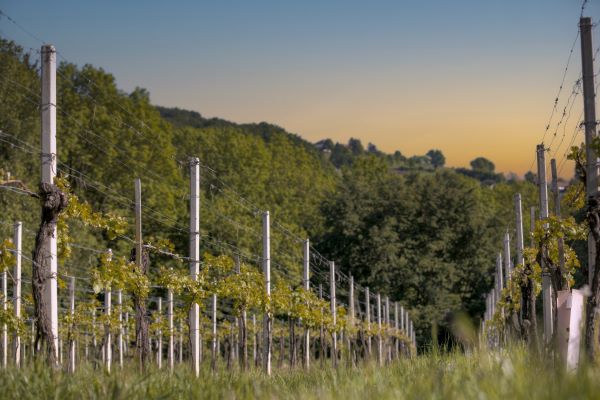
Concrete may not be the first material that comes to mind for vineyard managers who are setting up or reinforcing their trellis systems this year. Jensen Precast, the largest independently-owned precast company in the United States, is giving viticulturists serious reasons to think again. Jensen Precast, known since 1968 for its expertise in the manufacturing of concrete building materials such as sewer pipes, parking barriers, and bridge beams for infrastructure development, has introduced the Harvest Pillar, a new concept in trellising for vineyards, orchards, hop yards, and nut farms. The advantages of Harvest Pillar concrete posts over traditional wood or steel trellis systems are compelling. "Harvest Pillar concrete posts will help growers save on costly repairs and replacement of wood and steel posts," explains George Kehagias, Technical Sales Manager for Jensen Precast. "Concrete has long been used in Europe and Australia for trellising. We are now intr
00

November 20, 2023

Hello Scott Henry: A Second Chance for Troublesome Vines
How a widely dismissed trellising system can boost productivity and quality By Kathleen Willcox Wine styles and production methods fall in and out of fashion: just consider the ubiquity, […]
00

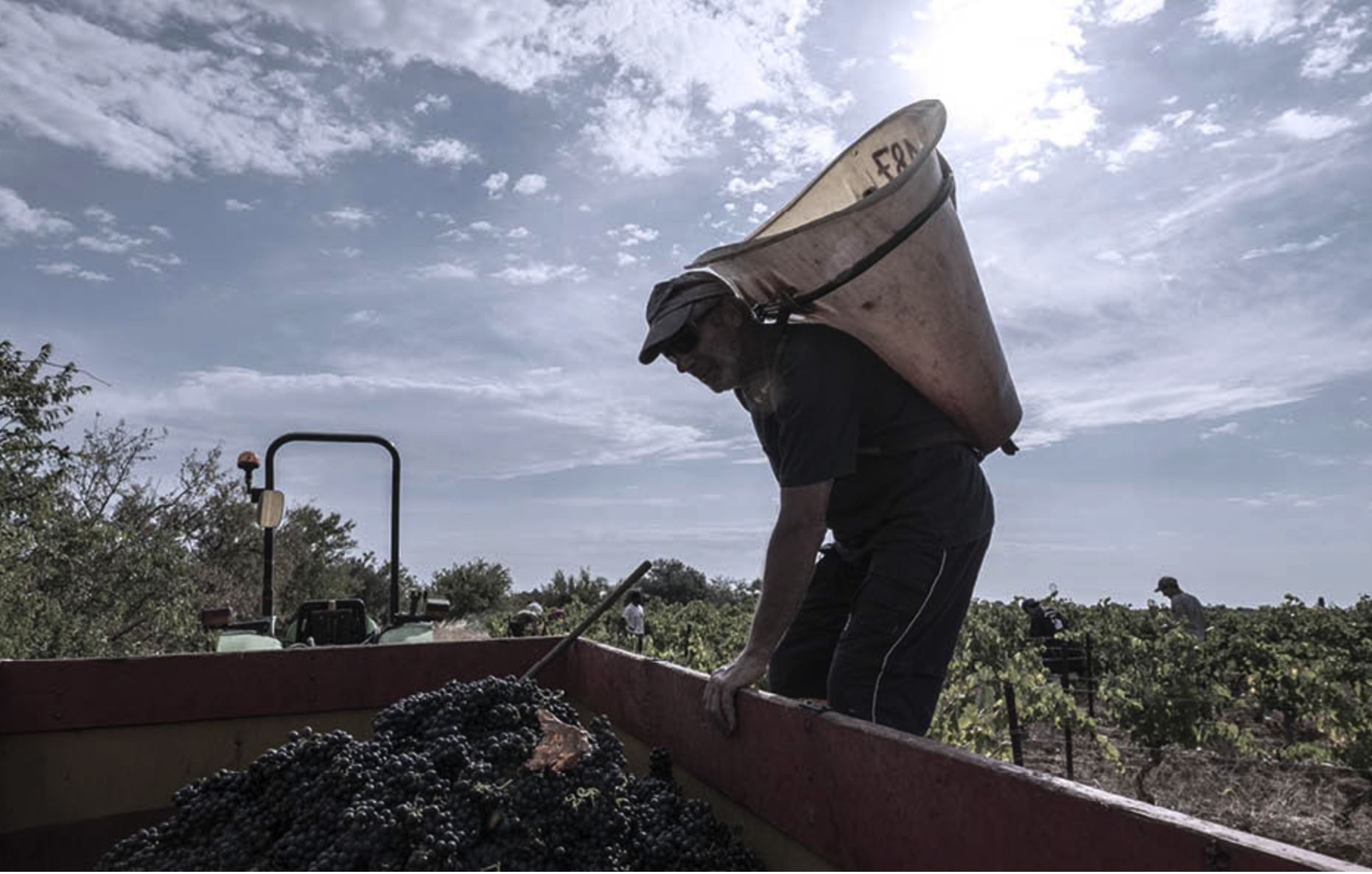
Unstable weather is making it increasingly hard to decide picking dates for grapes. We caught up with leading winemakers from Australia, France and the UK to find out how earlier harvests are impacting on grape quality. Having always been at the mercy of Mother Nature, winemakers are acutely aware of the impact climate change is having on their livelihoods. Temperatures aren’t only rising, weather patterns are becoming increasingly erratic and extreme, and incidents of devastating wildfires, floods, droughts and late spring frosts are becoming more commonplace in the world’s leading wine-growing regions. In 2021, France was besieged by a cocktail of climate catastrophes, from destructive spring frosts and raging wildfires to violent hail storms. The April frosts across swathes of French vineyard land were particularly brutal, resulting in losses of up to EUR 2 billion. Yields across France hit historic lows in 2021, down 30% on average, though losses were far worse in many
00
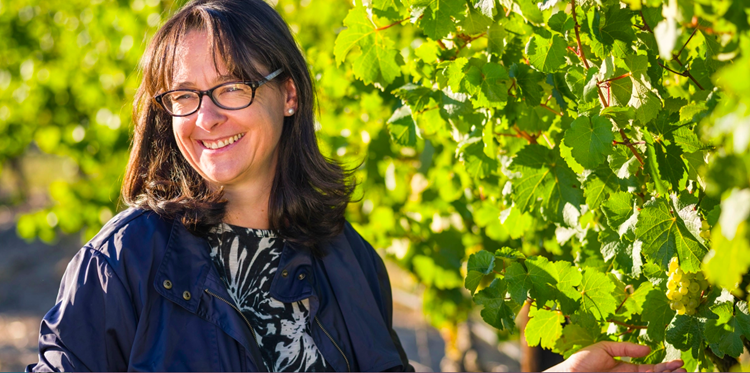
During her 20-year career at Yalumba, Louisa Rose has become one of the world’s most respected winemakers, challenging perceptions of Barossa Valley Shiraz and helping to put Australian Viognier on the world wine map. We caught up with her to find out how the 2022 vintage is shaping up, and the changes she’s making in the vineyard to safeguard the estate against global warming. How are things going at Yalumba – what’s new for 2022? All is well – Australian wine in general has had a few headwinds in the commercial red space on the back of the Chinese tariffs, and we’re working to balance our supply and demand. Things are generally looking strong as we have a well-balanced portfolio. What have you been focusing your efforts on recently? Sustainability is a big focus at the moment. We’ve been measuring our carbon footprint for decades, but all of a sudden people want to hear about it. We wouldn’t still be here if we hadn’t made i
00