
Filter Post Type
NewsVideoProductEventLink
Sort:
Most Recent
1–10 of 117
A couple comes into the tasting room on a sunny Saturday. They have a great visit. They buy a few bottles. They ask a few good questions. Maybe they mention they’ve been there before. Maybe they seem like a perfect club fit. Maybe they say, “We’ll definitely order again.” And then the day keeps moving. Another group walks in. Someone needs help at checkout. A club question comes up. An event is coming next week. By the end of the day, that promising customer moment is already gone. More traffic feels good — and it is good — but only if your system helps you turn that traffic into something lasting. Because the real opportunity is not just the sale in front of you. It’s everything that should happen next: 6 Questions to help you get started Did your team capture the right customer information? Can you easily see what they purchased? Can you follow up later with the right message? Can you identify who should be invited to join the club? Can your tasting room, club, and onli
00
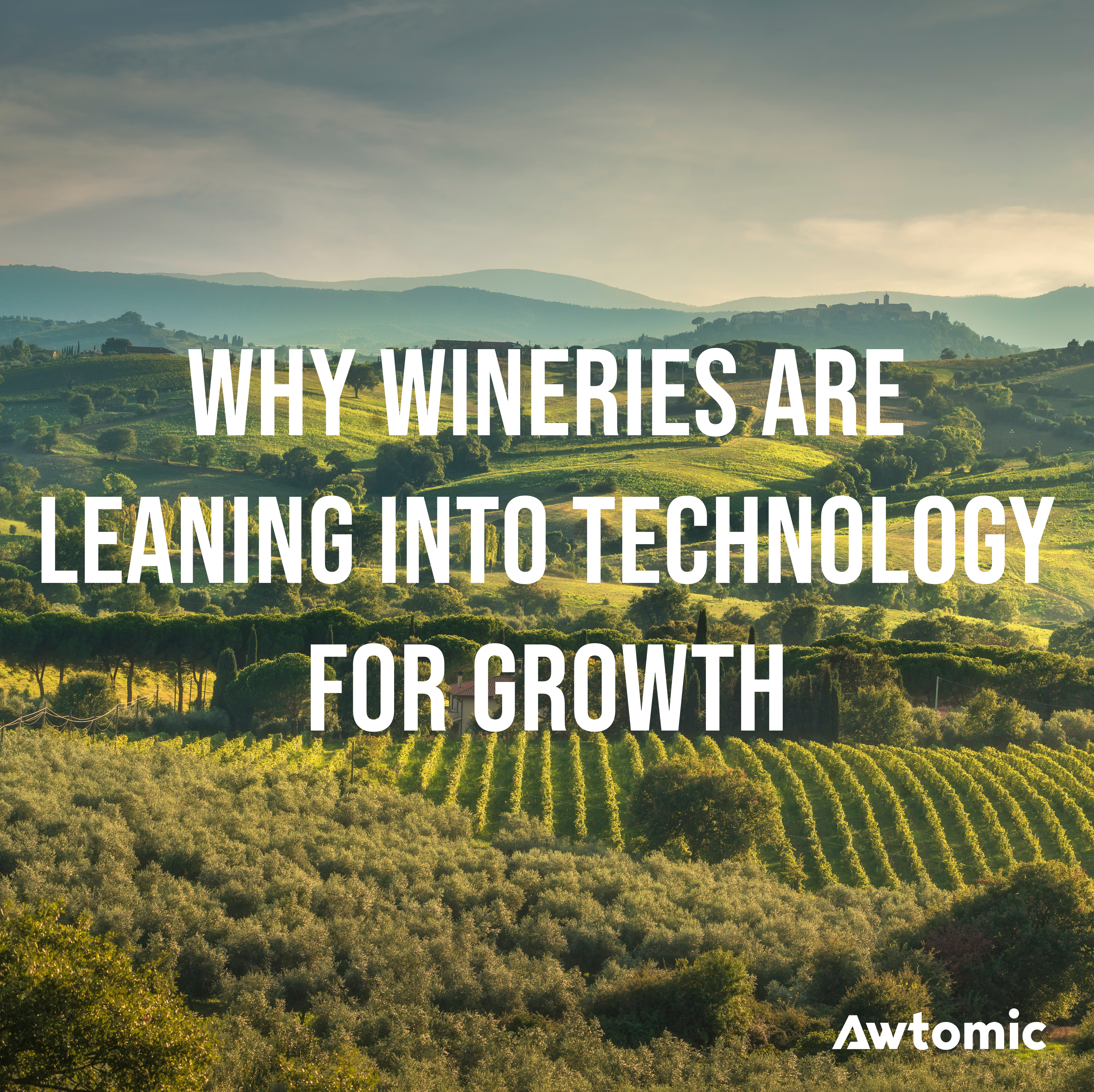
Why Wineries Are Leaning Into Technology for Growth Wine Has Finally Caught Up to Ecommerce Wine has always operated differently from the rest of ecommerce. Most industries follow similar patterns. They invest in digital acquisition, optimize conversion, and build systems that scale. Wineries never really did. Between compliance, wine clubs, tasting rooms, and long-standing industry habits, wineries built their businesses around in-person relationships, not online performance. Because of that, wine has historically been underserved by modern ecommerce tools. Platforms weren’t designed for how wineries actually operate, so wineries adapted by working around those limitations instead of solving them. That’s starting to change. Shopify has quickly become a leading ecommerce platform for wineries looking to modernize how they sell wine online. Checkout is faster thanks to Shop Pay Building and updating curated customer experiences is easier The platform integrates with tools that handle
00
April 30, 2026

The wine market is no longer simply in a slowdown – it is in structural correction.
Distribution routes are tightening, consumer behavior is shifting, and the assumptions many wineries relied on even two years ago no longer hold. Wholesale channels that once provided stable revenue are consolidating or disappearing. Tasting room traffic has become inconsistent. Consumer loyalty has weakened.
This isn’t temporary turbulence. It’s a fundamental reshaping of how wine reaches customers and which wineries succeed in doing so.
Winery owners are facing hard questions: Should I double down on wholesale or pivot to direct-to-consumer? Do I chase new customer segments or deepen relationships with existing ones? The challenge isn’t a lack of options. It’s knowing which move to make first when resources are tight, and the margin for error is slim.
The Distribution L
00
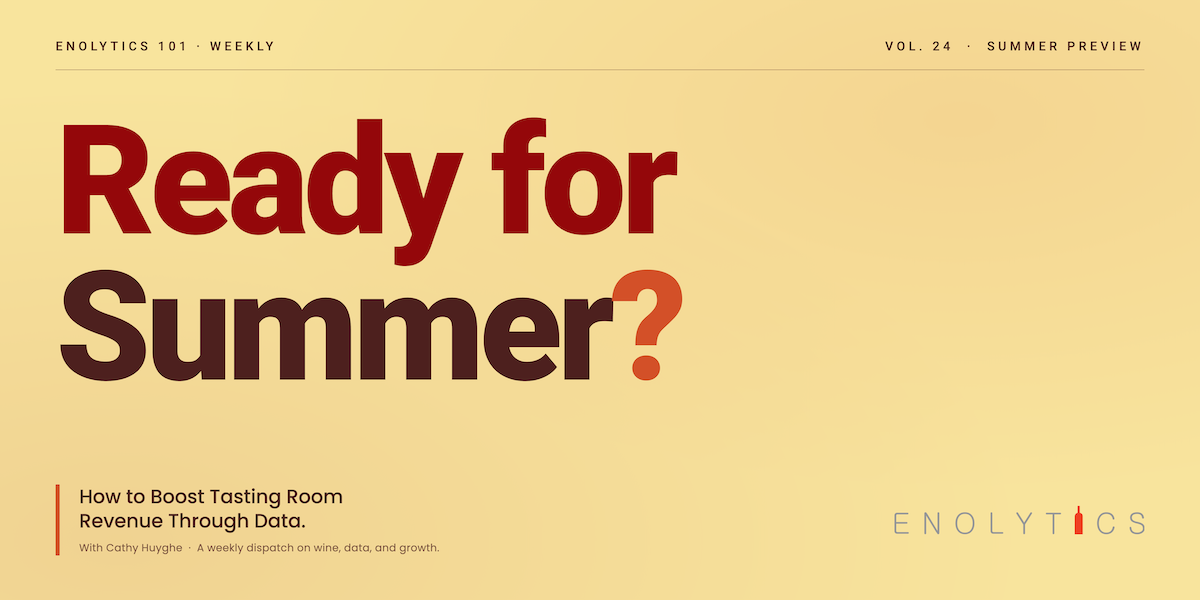
Spring is in the air! And summer’s about to come in hot. Wineries around the country are gearing up for a summer season in the Tasting Room, and I gotta tell ya. There’s a fair amount of anxiety. Will traffic be down? How about consumer spend? There’s also uncertainty. Are new staff trained up and ready? How will visitor trends vary this year from what we’re used to? Is it even possible to “win” in the Tasting Room this summer, with so many variables up in the air? It is indeed possible, and we have a lineup of your peers and colleagues who not only know how to win, even in this time of uncertainty, but are ready to share their strategies with you. They’re doing it smartly, with innovative strategies. And they’re doing it through data. You can too. They will show you. Please join us this Friday at 11 am PST for a deep dive into data-driven strategies to boost Tasting Room revenue through data. Registration link is here. We’re incredibly excited to announce our guest speaker lineup! Kri
00

April 29, 2026

The wine industry has been contracting for years. Tasting room traffic is down. Wine clubs are stalling. Wineries are closing. If your financial system isn't built for this, here's what to fix first. You probably know at least one winery that has closed in the last year or two. Maybe more than one. That's not a coincidence. That's a contracting industry — and the wineries that are surviving are the ones that can see their numbers clearly enough to make fast, smart decisions when it counts. So here's the question: can you actually trust your financial numbers? Not "do you have reports." Everyone has reports. The question is whether your reports are telling you something real — something you can act on. Or whether you open QuickBooks, look at the screen, and feel a vague sense of unease because something feels off but you can't quite put your finger on it. If it's the latter, this is not a "you" problem. It's a system problem. Winery bookkeeping isn't like normal bookkeeping. You're mana
00
April 15, 2026
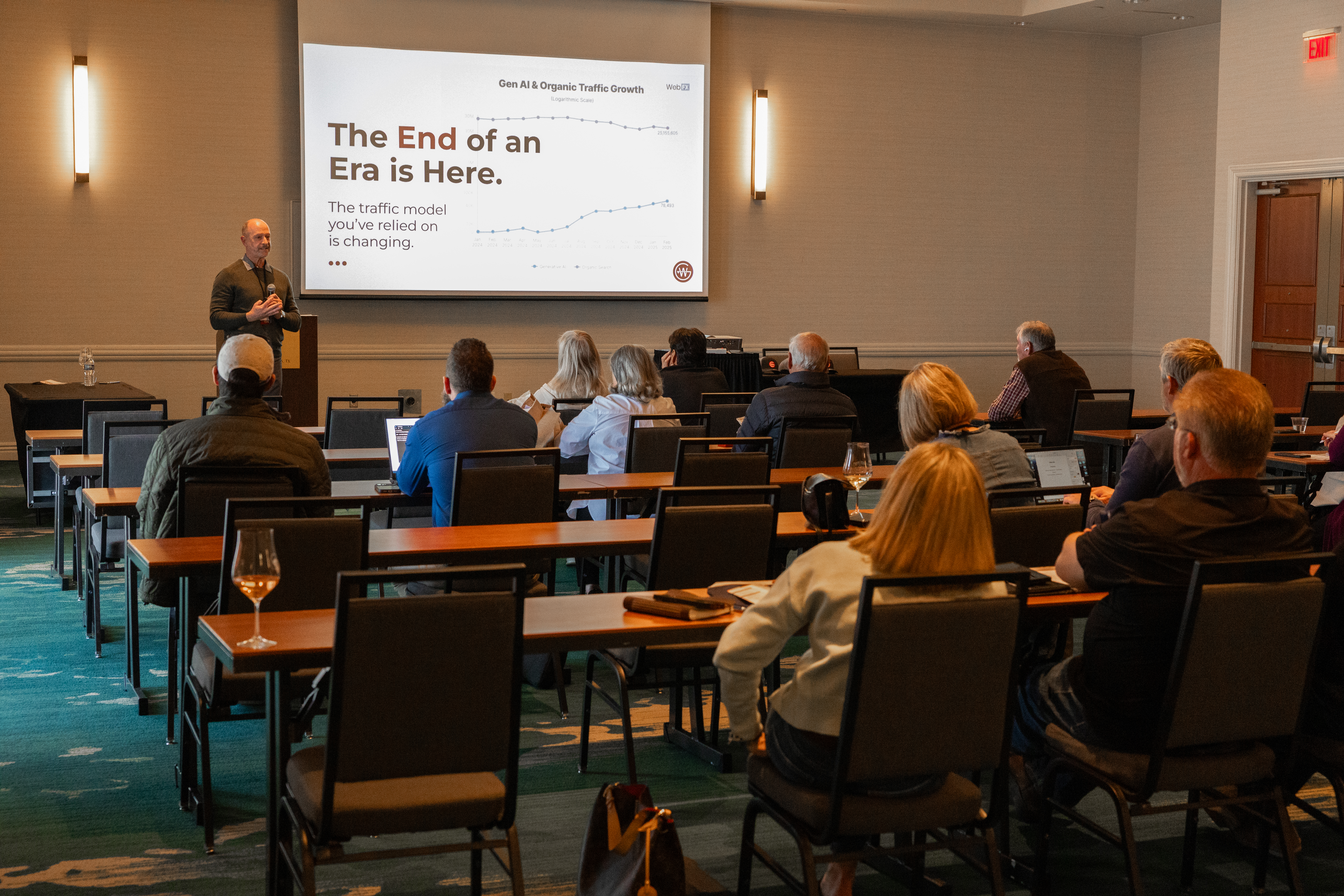
Observations from an AI Marketing Consultant on AI for Winery Brand Growth I’ve spent a lot of time this past quarter talking with winery owners, marketers, and operators. Mostly listening. What’s coming through isn’t hype or resistance to AI. It’s curiosity… mixed with a bit of uncertainty about where it actually fits in day to day. Questions like: How are people really using AI to find my winery? Does this actually impact tasting room traffic or DTC or not? What should we be doing differently right now, if anything? Good questions. With my feet wet, once again, now only 65 business days in the wine industry, what stood out to me in Q1 is that this shift is already happening, just unevenly. Some wineries are starting to show up in AI-driven discovery in meaningful ways, while others aren’t even aware of how they appear, and that's okay. I'll be releasing my Winery AI Marketing Readiness Survey findings next week which I hope will be
00
March 31, 2026
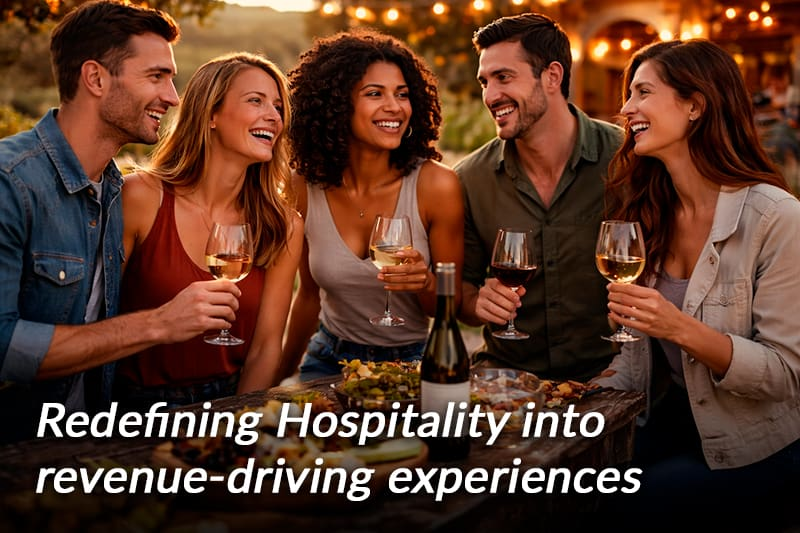
The tasting room used to be the heart of the winery business model. Walk-ins became club members. Club members became brand ambassadors. Revenue flowed predictably, and the formula worked. That’s changing. Visitation to wine regions is softening and tasting room traffic that wineries once counted on is declining. The cohort that’s most noticeably absent? Millennials and Gen Z, the consumers who should be building the next generation of wine loyalty. For many wineries, the drop-off has been gradual enough to rationalize. Blame the economy. Blame changing drinking habits. Blame competition from craft beer and cocktails. But the reality is harder to swallow: younger consumers aren’t avoiding wine country because they don’t like wine. They’re avoiding it because the traditional tasting room experience no longer competes with how they want to spend their time and money. And if wineries don’t adapt, they risk becoming relics of an industry that waited to
00
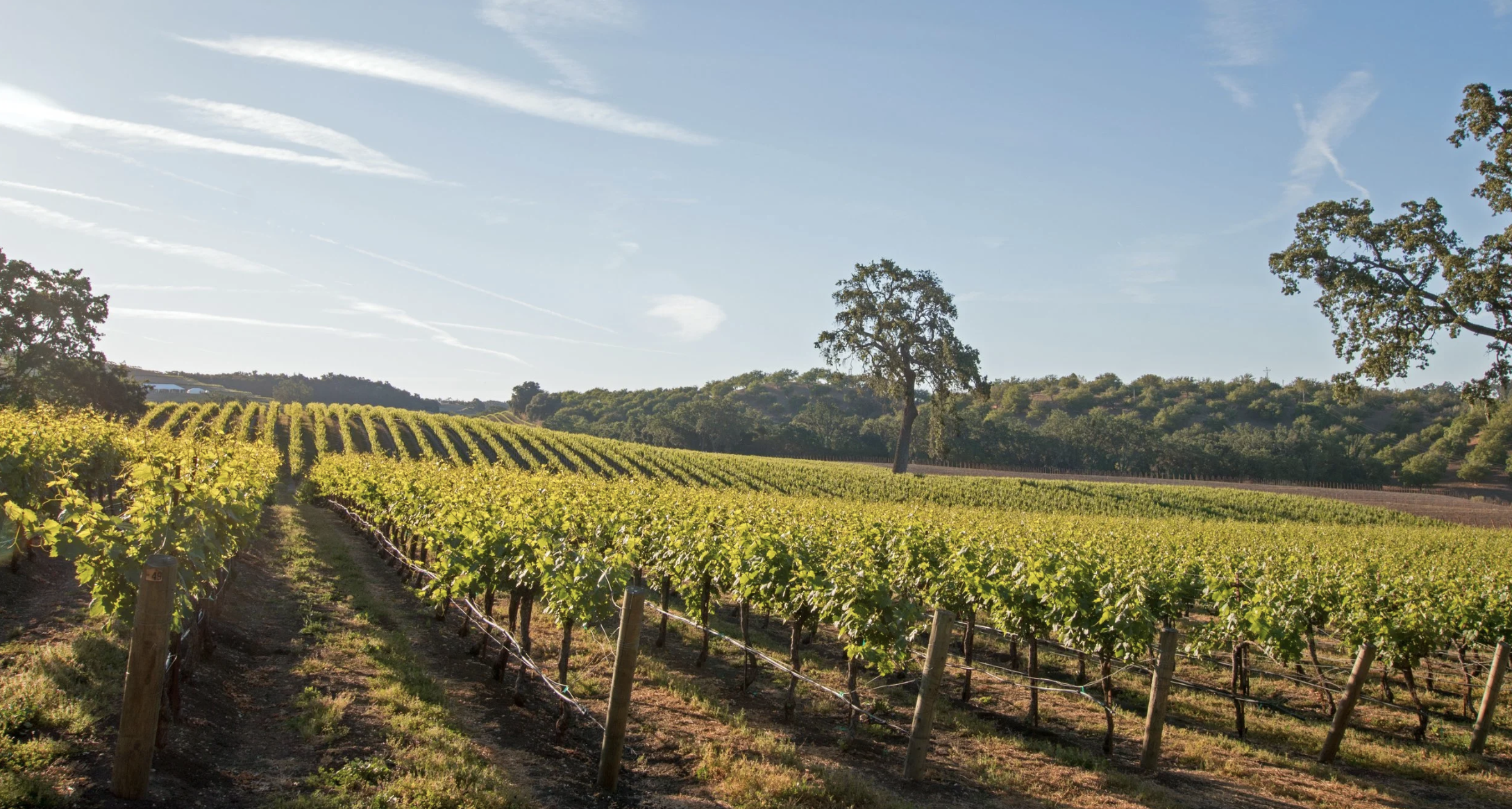
Your next customer will see your winery before they ever taste your wine. They'll see it on Instagram while planning a weekend trip. They'll see it on your website while deciding whether to book a reservation. They'll see it in an email while considering whether your wine club is worth joining. And in every one of those moments, they're making a decision based on what your visuals tell them about who you are. This isn't a trend. It's how people buy now. According to a 2023 study by Cloudinary and Harris Poll, 75% of online shoppers say product photos are the most influential factor in their purchase decisions. That number holds across categories, and it holds in wine. The difference is that wineries aren't just selling a product. They're selling an experience, a place, a feeling. Which means your visual content has to do more work than a product shot on a white background. It has to make someone want to be there. Most wineries know this on some level. Fe
00
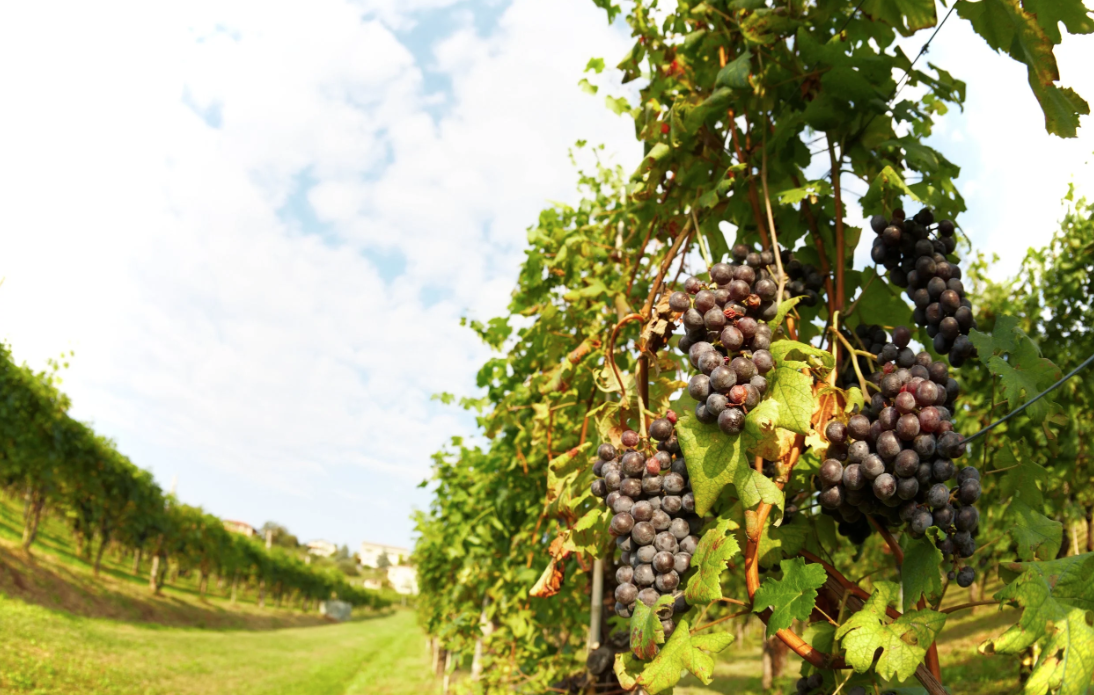
The weather is shifting, trip-planning season is underway, and tasting room traffic is about to pick up. This is the good news. The bad news? If you're reading this and thinking "we'll get to our spring marketing when spring gets here," you're behind. The tasting rooms that stay full from April through June aren't the ones with the best wine or the prettiest views. They're the ones that showed up in someone's planning process three weeks before the trip happened. People don't stumble into wine country on a whim and wander from door to door the way they did fifteen years ago. They research. They scroll. They book. And if your winery isn't visible and compelling during that research window, you're invisible when it counts. The hotel industry figured this out years ago. Marriott doesn't wait until summer to market beach properties. They start running "book your getaway" campaigns in late winter, because they know the booking win
00
Why Wineries Need Influencer Marketing Now Here's a number that should reshape how you think about marketing: 69% of consumers trust influencer recommendations more than information coming directly from a brand That's not a slight edge. That's a fundamental shift in how people decide what to buy. For wineries, this matters more than it does for most industries. Wine is a considered purchase wrapped in uncertainty. Your potential customer is standing in a tasting room or scrolling through an online store, wondering: Will I like this? Is it worth the price? Am I making the right choice? Influencer content answers those questions in ways traditional marketing cannot. When a trusted voice says "I tried this Pinot and it's incredible with grilled salmon," that carries weight. It's a peer recommendation disguised as content. Instagram and TikTok now drive wine discovery among younger audiences, and 87% of Gen Z consumers say they're willing to buy products
00