
Filter Post Type
NewsVideoProductEventLink
Sort:
Most Recent
1–9 of 9

June 18, 2025
Most wineries get influencer marketing wrong. They partner with wine influencers, people whose entire brand is sipping wine on camera, swirling glasses, and rattling off tasting notes. The problem? They’re talking to people who already love wine. That’s not where growth happens. The younger generation of drinkers isn’t seeking out wine content. But they are following influencers who shape their choices about food, travel, design, and experiences. The smart wineries, the ones who will win the next decade, aren’t just looking for people who talk about wine. They’re finding the ones who shape how young consumers live. This is how you reach them. Who Actually Sells Wine? Think about the last time you tried a new restaurant, a new recipe, a new brand. Did you discover it because someone told you to? Or because you saw someone you trust experience it? That’s the difference between marketing and influence. For wineries, the best influencer partnerships com
00
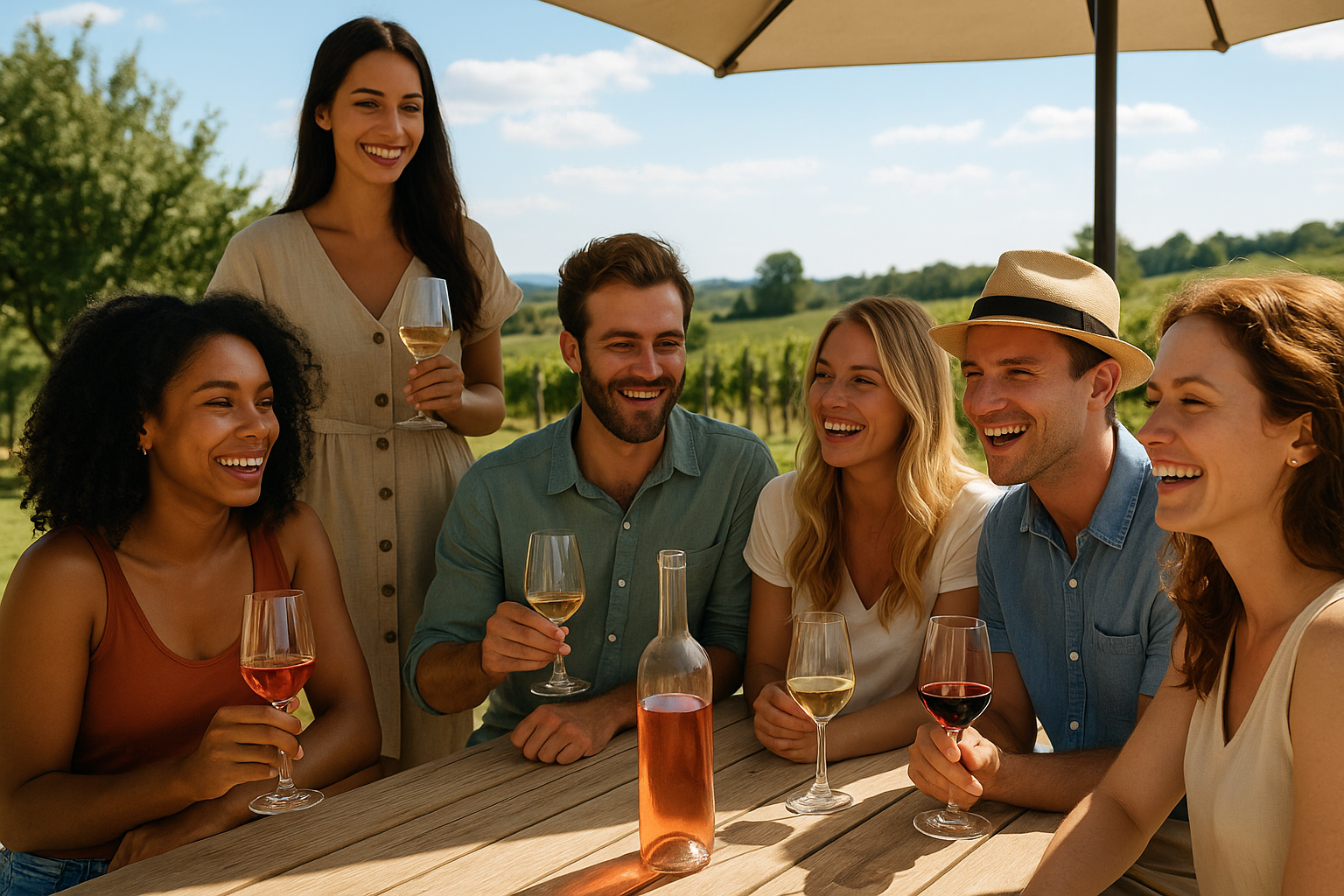
Summer winery marketing strategies are essential for staying competitive during travel season and warmer weather. As customer habits shift and traditional foot traffic slows, wineries must find new ways to stand out. The good news? With the right mix of creativity, personalization, and tech-driven tools, summer can be one of your most profitable seasons yet. Here are five innovative, customer-centric strategies to help your winery sell more and build deeper relationships this summer. 1. Rethink Summer Shipping: Flexibility Is the New Fast Wine and heat don’t mix. But neither do frustrated customers nor surprise shipping delays. In 2025, the most successful wineries are leaning into flexibility, clear communication, and smarter logistics to keep orders flowing and customers happy. 🔄 Give Customers Control Let your customers decide when and how they receive their wine. Integrate tools that allow post-purchase adjustments, like scheduling a fall delivery or choosing a local picku
00
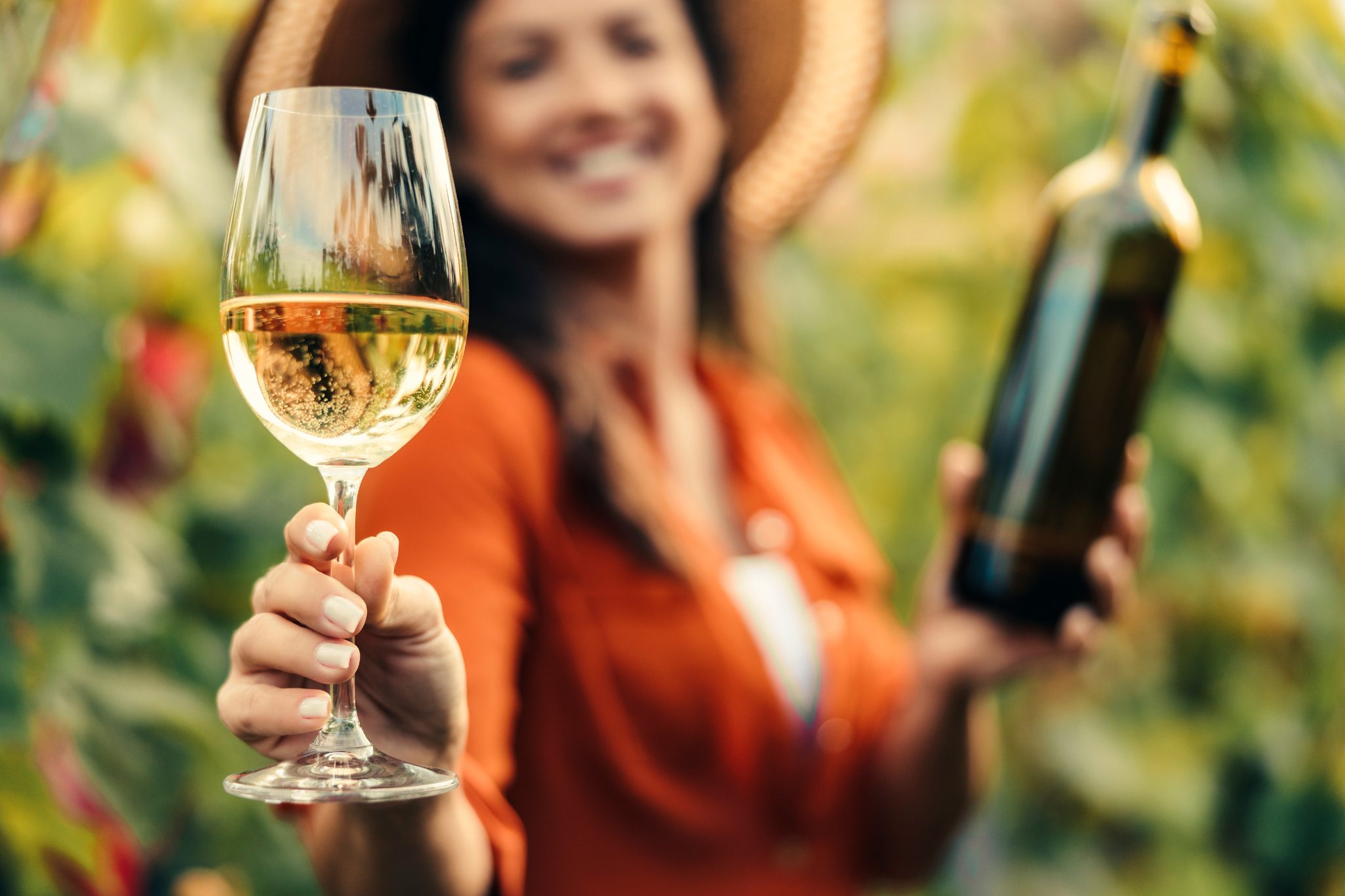
It’s the same conversation in boardrooms, discussion boards, symposiums, and industry reports: “Younger consumers just aren’t drinking wine like previous generations.” Sure, the concern is valid. But the narrative misses key nuances. The reality is that younger consumers are still just that—young. Their drinking habits, lifestyle priorities, and financial realities don’t yet match those of past generations at the same life stage. But instead of writing off Gen Z or younger Millennials, the wine industry needs to adjust its approach. The traditional playbook doesn’t account for how younger consumers live, what they value, or how they engage with brands. If wineries want to stay relevant, it’s time to rewrite the script. 1. Younger Consumers Will Age Into Wine—Just Like Boomers Did A common misstep in the industry’s current panic is comparing a 23-year-old Gen Zer to a 45-year-old Gen Xer. The latter has had decades to develop
00

Beyond doing good for the environment and your community, your sustainably certified wine grapes differentiate your brand in today’s oversaturated wine market. But do you know how much of a value-driver your certification really is? Welcome to Marketing Tip Monday with SIP Certified. We know customers are looking for wines labeled as sustainable. While our longer-form episodes help you learn about the latest science and research for the wine industry, these twice-monthly micro podcasts will help you share your dedication to sustainable winegrowing so you can show your customers that you share their values. In this Marketing Tip, get insight into the significance of sustainably grown grapes in the larger market from Gregg Hibbits, who has nearly 30 years of experience selling wine grapes. Over the course of his career, he has experienced a shift in what his grape-buying clients are looking for. Keep reading for highlights from his interview on Episode #83 of the Sustainable
00

Since 2016, farmers, winemakers, and wine enthusiasts have listened to the latest science and research for the wine industry from the world's top experts and experienced growers via the Sustainable Winegrowing Podcast. In the time it takes to drive between vineyards, listeners enjoy technical episodes featuring expert discussions covering every aspect of wine business from microbes for soil health to designing a vineyard for sheep grazing, and from barrier sprays for smoke taint to using satellites to detect diseases. New technical interviews are released the first and third Thursday of the month. In 2022, Vineyard Team added Marketing Tip Mondays to the lineup of monthly releases. Searches for sustainable goods have increased globally by 71% since 2016. As consumer demand for sustainable wines grows, brands want to know how to communicate their good work in the marketplace. These under-five-minute micro podcasts released on the second and fourth Monday of the month give quic
00

Do you know where your food comes from? “Food disconnect” is a term used to describe the average consumers lack of knowledge about where their food comes from and how it’s made. When it comes to wine, most people only see the finished product: what’s in their glass. For sustainable wine brands, there’s yet another level to this disconnect: While consumers name food and beverage as one of the most important industries when it comes to sustainability, more than one in four US adults said they don't know what makes a product sustainable (Morning Consult, 2022). This introduces an opportunity for sustainable winegrowers and winemakers. Sustainability Sells! After Kathy Kelley and her colleagues at Penn State University learned about the environmental benefits of using cover crops under grapevines, they wondered if promoting this sustainable practice could be part of a marketing strategy to sell more wine. When they tested this theory with
00

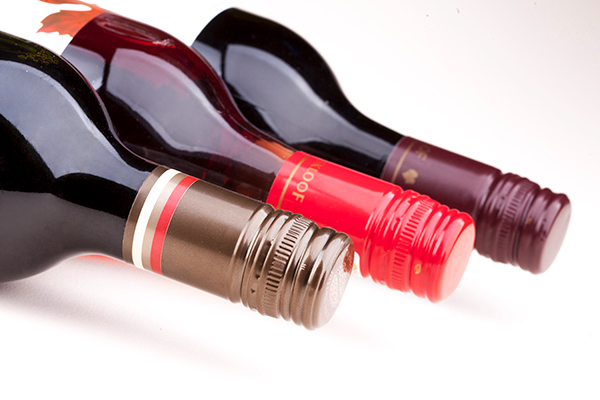
As consumer acceptance has grown, more wineries are using aluminum closures on bottles of still wine. The list of benefits goes beyond consumer preferences to their effectiveness in preventing cork taint and other contamination and their superior ability to preserve wine flavors and other organoleptic qualities. Herti is a leading manufacturer of aluminum and composite closures, producing two billion closures a year. The company has a comprehensive range of aluminum screw caps for wine, spirits, olive oil, water, and non-alcoholic and other beverages. It also offers composite closures that combine an aluminum body with a plastic insert, such as a plastic thread. Wide Variety of Options With over 40 sizes, customers can choose from 17mm to 43mm diameters in 6mm to 12mm heights to use with bottles as small as 50ml and as large as a gallon (4.54 l). They can also request almost any dimension, customize with offset printing on the top and side of the closure, choose a matte, semi-matte, o
00

September 25, 2023
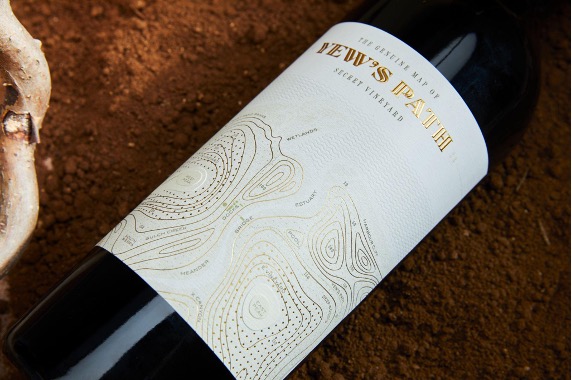
Graham, NC - September 25, 2023, Fedrigoni Self-Adhesives North America (FSA), part of The Fedrigoni Group, a global leader in the production of premium self-adhesive materials, has introduced Luminous White Felt X-Dry™ Ultra WS to the North American market. Luminous White Felt is an FSC® certified embossed paper that preserves initial opacity along with ensuring the legibility of graphics when exposed to extreme temperature changes and ice bucket immersion. Luminous White Felt features X-Dry™, a technology that is specifically designed to preserve the initial label opacity and integrity after being exposed to extreme temperature changes, making it ideal for wine and spirits, which are often placed in refrigerators and ice buckets. The proprietary X-Dry™ technology also helps ensure the legibility of graphic design and a brand's image. With added Ultra Wet Strength technology, this material also prevents deformation, wrinkles and bubbles from forming on
00

December 18, 2020
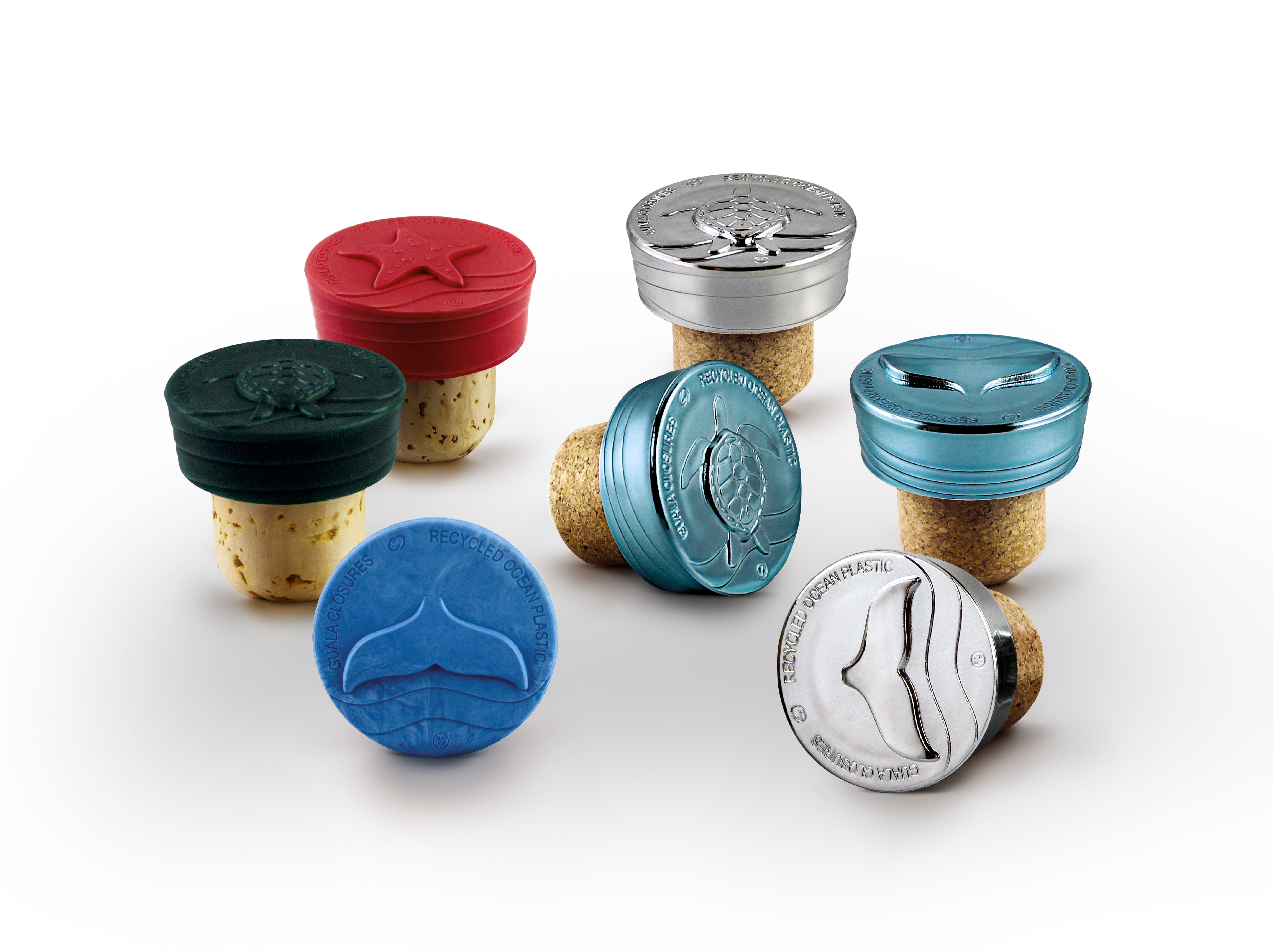
Luxembourg, 18 December 2020 - Guala Closures Group, the global producer of non-refillable and aluminium beverage closures, has partnered with Oceanworks®, the largest global marketplace for sustainable materials, to develop a range of closures produced using ocean plastics.
Headquartered in California, USA, Oceanworks, is a digital marketplace that streamlines the sourcing of verified recycled material collected from coastal ecosystems where it is at significant risk of ending-up in the ocean. Oceanworks network collects millions of pounds of ocean plastic annually. Oceanworks will supply 100% recycled polymers to Guala Closures which will be used to develop closures for its wine and spirits range. This partnership extends to The Group’s worldwide market reach and its sole use of Oceanworks materials for all its closures for spirits and wine using these recycled polymers.
Guala Closures will initially use these polymers in the production of its T-bar models for spirits
00