
Filter Post Type
NewsVideoProductEventLink
Sort:
Most Recent
1–10 of 68

March 11, 2026
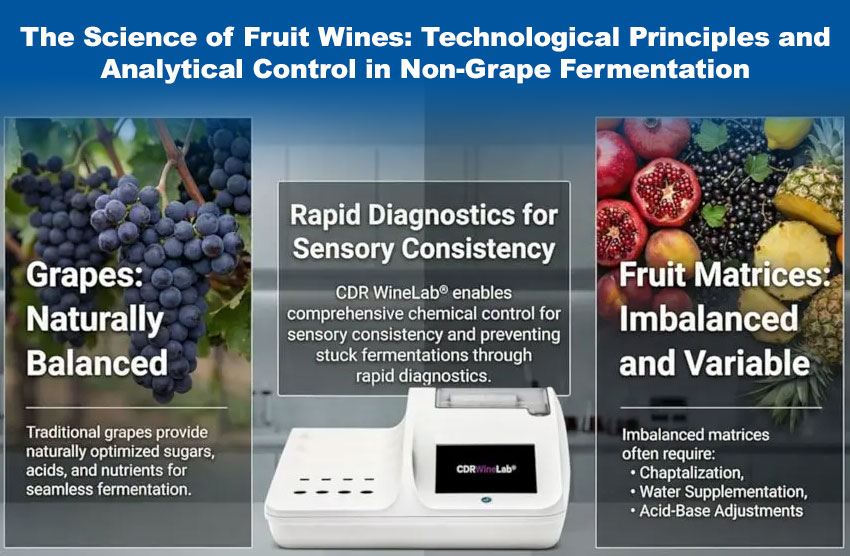
** CDR WineLab In-Stock - Immediate shipping available ** The Science of Fruit Wines: Technological Principles and Analytical Control in Non-Grape Fermentation Defining Fruit Wines: Chemical and Technological Distinctions In modern oenology, fruit wine production has transcended its origins as a rural craft to become a highly specialized sector of food science. The transition from artisanal production to a global industrial category relies on a deep-seated understanding of the unique chemical matrices presented by non-grape fruits. Unlike viticulture, where the raw material is often naturally optimized for fermentation, alternative fruit substrates—such as pomegranate, fig, and various berry species—exhibit diverse polyphenolic profiles and acid concentrations that demand precise technological interventions to ensure product stability and commercial viability. Fruit wines are characterized as non-distilled alcoholic beverages, typically containing 5% to 13% alcohol
00

Maintaining wine balance in a changing climate Climate change is reshaping the wine industry. In many wine regions, each year seems to set new records for the hottest or driest growing season, followed by the earliest harvest dates yet. Such accelerated ripening is disrupting grape physiology; phenolic and aromatic development fall out of sync, sugar levels soar, and acidity drops away (1). So how can we adapt and build a more resilient wine sector? The answer to this question is multifaceted. In the vineyards, grape growers are rethinking their management practices, adjusting canopy architecture, introducing shading or optimising irrigation (1,2). Some are reaching for higher altitudes or moving further from the equator in search of cooler conditions (1). Others are trialling alternative heat- and drought-tolerant varieties, from long-forgotten cultivars to newly bred plant material. In the cellars, winemakers may turn to pragmatic solutions such as dilution or blending strategi
00

Every winemaker knows that fermentation is a delicate dance between art and science. Behind every great wine lies a thriving microbial ecosystem—some organisms we invite, others we need to keep far away. Mastering that balance is what separates clean, stable wines from those plagued by faults, spoilage, or inconsistency. Fermentation: Harnessing the Right Microbes During alcoholic fermentation, controlling microbial populations ensures your chosen yeast strain dominates the process. This helps achieve a complete and predictable transformation of sugars into alcohol and COâ‚‚ without unwanted by-products that can dull aroma or flavor. In malolactic fermentation, Oenococcus oeni converts malic acid to the softer lactic acid, reducing sharpness and enhancing mouthfeel. But MLF is also a vulnerable moment: the wine’s natural defenses are low, and spoilage microbes can easily gain ground. When MLF isn’t desired, those bacteria must be inhibited completely to protect the wi
00
September 15, 2025
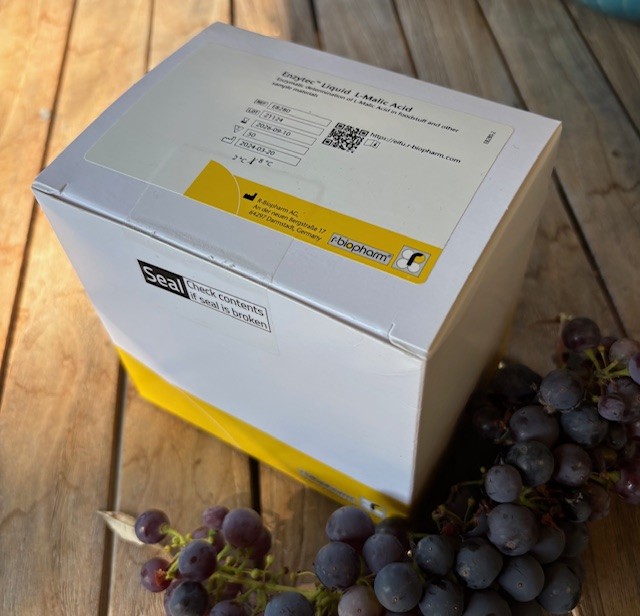
At R-Biopharm, we firmly believe that gold standards can be improved. We see the introduction and continuous extension of our Enzytec™ Liquid product line as the next generation of enzymatic analysis: Established quality and reliability of results of enzymatic tests combined with increased user-friendliness and simultaneous cost reduction! Enzytec™ Liquid test kits are adaptable to manual testing, and where automation already exists the reagents can be used directly in the analyzers. Enzymatic parameters cover the determination of sugars (i.e., glucose/fructose), organic acids (i.e., malic, tartartic, acetic), acetaldehyde, ammonia, anthocyanins, potassium, free SO2 and total SO2, no/low EtOH, and others. Enzytec™ Liquid reagents have superior stability, are liquid and ready-to-use, simple in sample preparation, no interference (not affected by matix effect) and non-toxic. Specific and accurate results are based on the specificity of a particular enzym
10
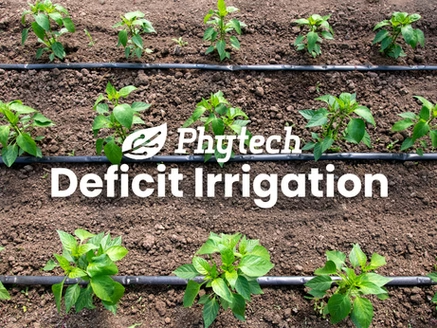
When water is limited, or fruit quality is on the line, deficit irrigation is one of the smartest tools in a grower’s arsenal. But like any sharp tool, it needs to be used with precision. Here’s what deficit irrigation is and why it matters. What Is Deficit Irrigation? Deficit irrigation is the practice of intentionally giving crops less water than they’d typically receive during select stages of development. The idea isn’t to deprive the plant, but to apply a mild, controlled stress that can slow vegetative growth or fruit expansion in ways that benefit the crop. Done well, this strategy can sharpen fruit quality, reduce disease pressure, conserve water, and even improve overall return on investment. Take apples, for example. Overwatering mid-to-late season can lead to oversized fruit with low calcium, making them more vulnerable to bitter pit. In peaches, too much late-season water can result in soft texture and poor color. Deficit irrigation allows y
00
July 30, 2025

Gusmer Analytical Services Gusmer Sonoma | 9025 Old Redwood Hwy, Ste. E, Windsor, CA 95492 | 707.836.1056 Gusmer Napa | 640-D Airpark Road, Napa, CA 94558 | 707.224.7903 VIEW ALL TESTS DOWNLOAD WINE ANALYSIS FORM TO SUBMIT LAB SAMPLES Harvest is fast approaching, and it is time to make one of the most important decisions of the year: When to pick? Go to the Gusmer Napa Lab or Gusmer Sonoma Store for full juice panels with rapid turnaround times. Contact Us for full details. (Sonoma 707.836.1056 / Napa 707.224.7903) Most winemakers sample their fruit regularly to determine the optimal time to harvest, but often testing of those samples is limited to Brix, pH, and TA. Additional analysis can help to better inform your harvest decisions, but running individual tests for acids, sugars, and nitrogen compounds can be time-consuming and expensive. At the Gusmer Napa Lab and Sonoma Store our analytical teams utilize
00

July 23, 2025
Event Type: Webinar
Location: Online
Date: 7/31/2025
With hotter growing seasons and shifting harvest windows, winemakers are increasingly challenged by high pH, low acidity, and elevated alcohol in their musts. These changes can lead to wines that feel flat, overly ripe, and microbiologically unstable, often requiring higher SOâ‚‚ doses and risking aroma loss and reduced freshness. In this webinar, we’ll explore two innovative yeast tools designed to naturally correct these imbalances from the fermentation stage: Excellence X-Fresh (Lachancea thermotolerans): a bio-acidifying yeast that converts sugars into lactic acid, helping to lower pH, increase total acidity, and reduce alcohol in must—while boosting microbial stability. Excellence Celsius (Saccharomyces cerevisiae): a fermentation yeast that produces elevated levels of glycerol and malic acid, enhancing mouthfeel, freshness, and aroma intensity. Together, these strains support a balanced, sustainable winemaking strategy in the face of c
00
It’s hard to imagine a time when malolactic fermentation (MLF) in red wines wasn’t standard practice. However, it was not too long ago that MLF could only be completed via spontaneous lactic acid bacteria which was often unpredictable, slow to initiate, and sometimes failed to complete MLF altogether. The introduction of Oenococcus oeni starter cultures in the 1960s and ’70s marked a turning point, bringing consistency, control, and reliability to the process. These cultures evolved into user-friendly, freeze-dried preparations, transforming MLF and turning it from gamble to a given. But science presses onward and research began exploring the genetic diversity of lactic acid bacteria found in wine. This work led to the discovery and characterization of a unique strain of Lactiplantibacillus plantarum. Now, Scott Laboratories has introduced this strain to the U.S. as ML PRIME™, the first and only non-Oenococcus bacteria currently available for mal
00

April 18, 2025
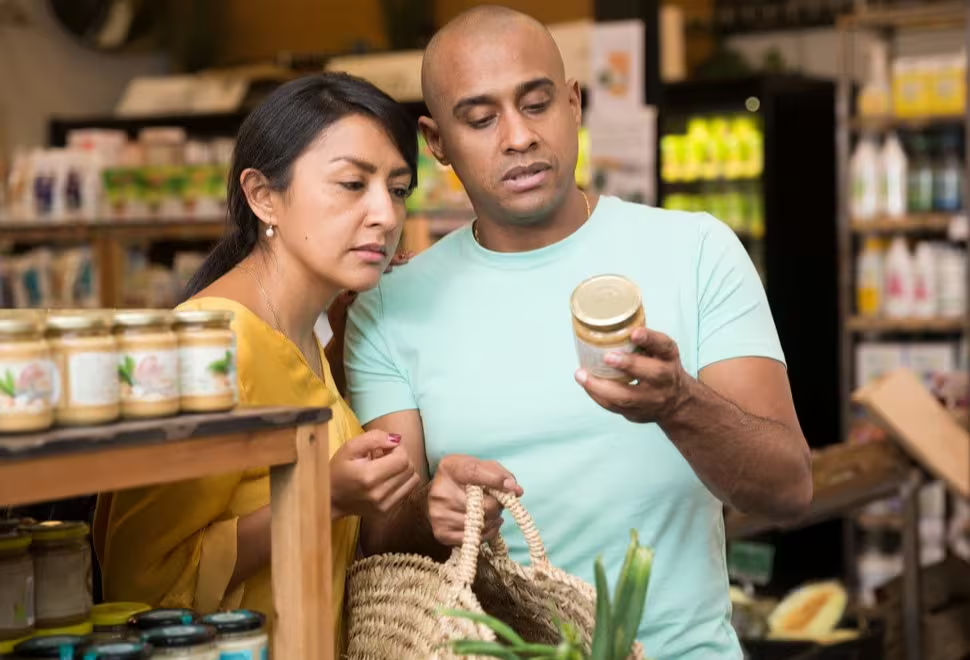
In an era where consumers are increasingly focused on diet to maintain a healthy lifestyle, the U.S. Food and Drug Administration (FDA) and other groups are taking steps to help Americans better understand food and beverage labels. The agency's recalibration of the "healthy" labeling criteria and introduction of a front-of-pack nutrition label offer the potential to reshape food product development while empowering consumers to make more informed dietary choices. Redefining 'Healthy' The FDA's definition of "healthy" has remained mostly unchanged since the 1990s, leading to a disconnect between scientific advancements in nutrition and food marketing. Under the new labeling rule, foods labeled as "healthy" must align more closely with the 2020–2025 Dietary Guidelines for Americans. The voluntary regulation goes into effect on April 28, 2025. Brand owners have three years to comply. There is no maximum or minimum type s
00

April 10, 2025
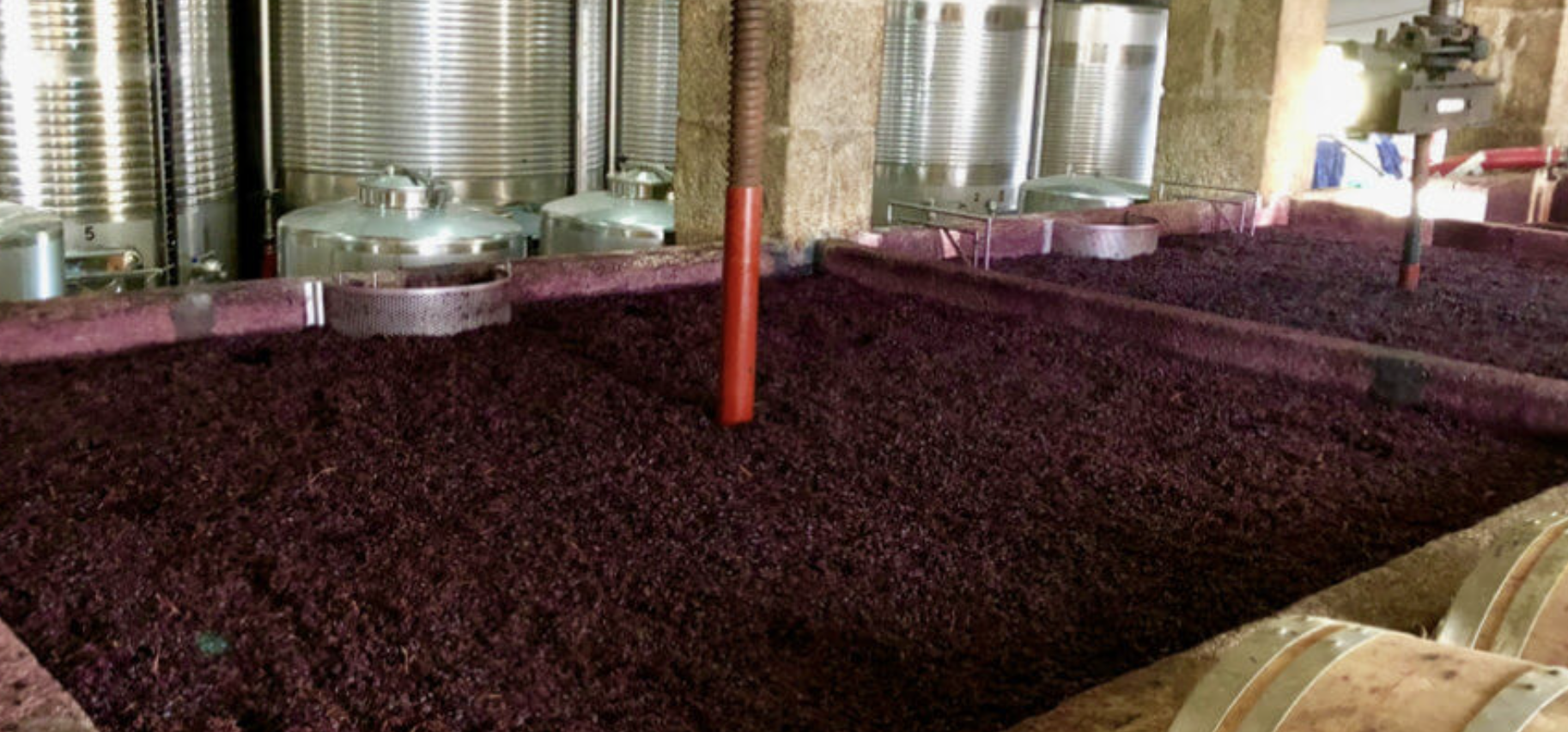
The process of making wine is deeply influenced by several factors, including grape fermentation, yeast strain, and fermentation temperature. Among these, temperature control methods are essential for achieving a well-balanced and high-quality finished wine. Attempting to ferment wine in extreme conditions (either too cold or too hot) can negatively impact the entire fermentation process, resulting in poor flavor development and an unbalanced profile. Understanding the best temperature for fermentation based on the type of wine being produced ensures that complex flavors, aroma retention, and structural integrity are preserved. What is the Best Temperature to Ferment Wine? Finding the best temperature for wine making is not a one-size-fits-all approach. Different wines require different conditions for fermentation, which is why winemakers must carefully monitor and regulate temperatures throughout the process. As a general rule, red wines ferment at higher temperatures for shorter per
00