
Filter Post Type
NewsVideoProductEventLink
Sort:
Most Recent
Tagged:stuck fermentation
1–9 of 9

Troubleshooting Sluggish and Stuck Fermentations Could you get back on track without a restart? There are several factors that affect the success of fermentation and sometimes a small adjustment can get things back on track without the need for a full restart. Below we outline some common causes of problematic fermentations and advice for next steps. Read the Full Article TEMPERATURE STRESS Each yeast strain has an optimal temperature range and anything outside of this range can cause yeast stress. If the temperature is too high (or if it spiked at any point), it’s possible the yeast are no longer viable and a restart is necessary. If the temperature is too low, try slowly warming the wine to 70°F (+/- 2°F). ALCOHOL MAY BE TOO HIGH Certain yeast strains can tolerate more alcohol than others. If you have exceeded the tolerance level of your selected strain, you may need to reinoculate with a strain that has a higher tolerance or try a restart.&nbs
00

Welcome to the Gusmer & Novonesis 7-Part Video Series! In this comprehensive journey, we address the common challenges winemakers face when dealing with stuck malolactic fermentations. From low cell counts to physiological conditions, low amino nitrogen to phenolic inhibition, and even pesticide residues, our series offers expert insights and practical solutions to overcome these obstacles. Join us as we guide you through each issue, equipping you with the knowledge and techniques to troubleshoot like a pro and elevate your winemaking skills. Get ready to unravel the secrets of successful MLFs with Gusmer and Novonesis! Should you have any questions, please reach out to your Gusmer Technical Sales Rep for additional information. Chr. Hansen is now Novonesis, for more details contact your Gusmer Rep VIDEO OVERVIEW OF SERIES (Part 1) 4 mins Low Cell Count (Part 2) 4 mins Physiological Conditions (Part 3) 3 mins Low Amino Nitrogen (Part 4) 4 mins M
00

October 17, 2022
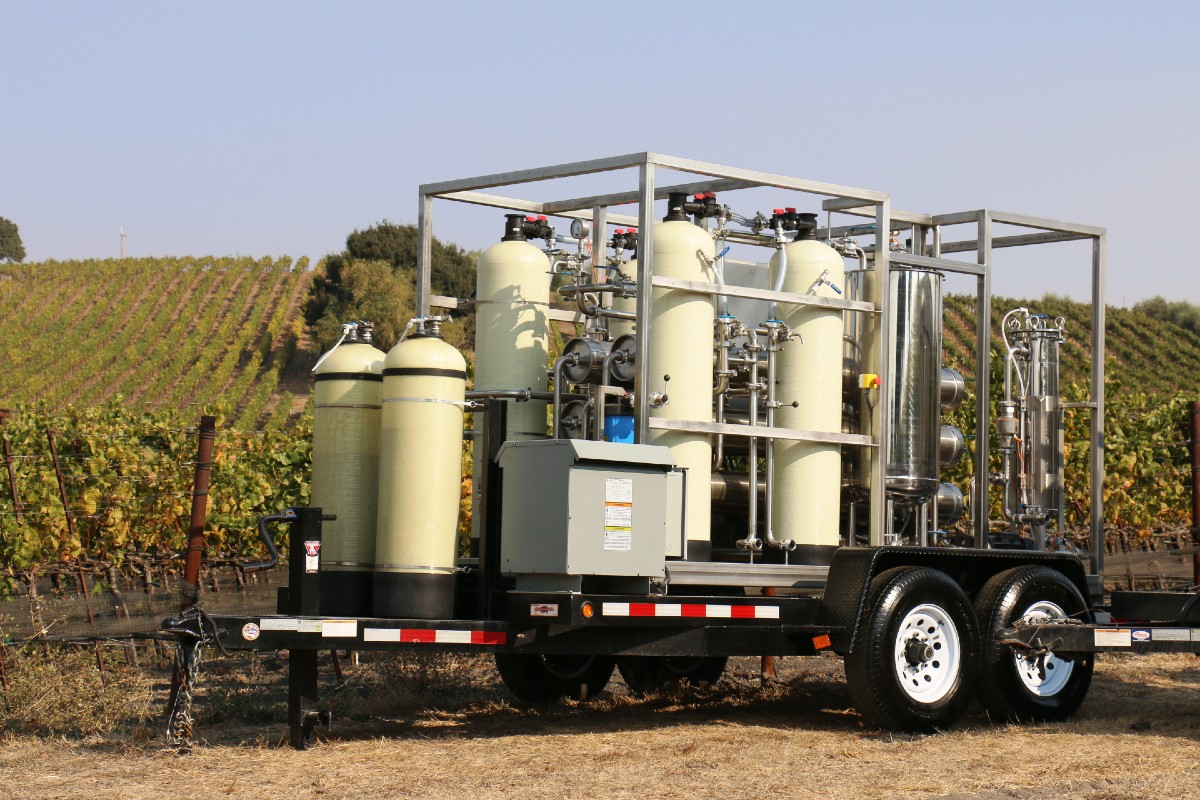
The historically high heat spike in early September resulted in an unusually high level of dehydrated fruit in what was otherwise looking to be a bumper crop in Northern California. Estimates indicate the raisening of 20%-30% of the grapes, which means 20% or 30% lower tonnage. This accelerated raisening led many wineries and vineyard managers to harvest early to avoid the rain. "If it should have been 22-26 Brix and now it's over 30 Brix, that's a big difference, and there are reports of juice reaching 40 Brix or more, with VA's over 1 g/l," says Bryan Tudhope, Founder and CEO of VA Filtration. "People are coming to me asking, 'How are we getting vinegar in our grapes?" Tudhope adds, "I can't explain how, but I can say that excess vinegar in the actual fruit out on the vine is unusual. Fruit typically comes in at 0.2 g/l or less; instead, it's at 0.8 g/l or more. We've never seen levels this high before. Winemakers used to see
00
Harvest 2022 is upon us. The heat wave caused a lot of problems in the vineyards. There are reports of juice reaching 40 Brix or more, with VA’s already above 1 g/l. We have prepared answers to some typically asked questions related to these challenging conditions: How do I treat high VA juice? You unfortunately can’t. The operating pressure required to generate permeate through our process is too high for the machinery to handle. You do have options though! What are my options if I can’t reduce the VA in the juice? You water back to an acceptable sugar level. Typically, high VA numbers are associated with dehydrated juice. Any juice with a brix level of more than 26 is effectively dehydrated juice. The best solution for reducing the VA prior to fermentation is to rehydrate (add water). You need to add water to the juice until you reach a comfortable brix level. This will typically dilute your VA to an acceptable l
00

October 4, 2021
Stuck or sluggish fermentations can be costly in terms of labor, time and product quality. To support you this harvest, Enartis has compiled four short videos addressing the prevention and treatment of stuck fermentations: Part 1: Preventing Stuck Fermentations. Learn more about what causes stuck fermentations and how to prevent them. Part 2: Preventing Stuck Fermentations With Nutriferm No Stop. Nutriferm No Stop is a special type of yeast hull which helps detoxify must and is rich in sterols to help yeast finish fermentation. Part 3: Preventing Stuck Fermentations With EnartisStab Micro M. Eliminate competition with EnartisStab Micro M, a special preparation of activated chitosan. Part 4: Full Protocol for Preventing Stuck Fermentations. Guidelines, tips & tricks to prevent sluggish and stuck fermentations using Enartis products. For more information visit our website or contact our technical winemaking specialists at (707)836-2451 or support@enartis.com.
00
Guidelines, tips & tricks to prevent sluggish and stuck fermentations using Enartis products.
11
Eliminate competition with EnartisStab Micro M, a special preparation of activated chitosan.
00
Nutriferm No Stop is a special type of yeast hull which helps detoxify must and is rich in sterols to help yeast finish fermentation.
00
Learn about what causes stuck fermentations and how to prevent them.
00