
Filter Post Type
NewsVideoProductEventLink
Sort:
Most Recent
1–10 of 190

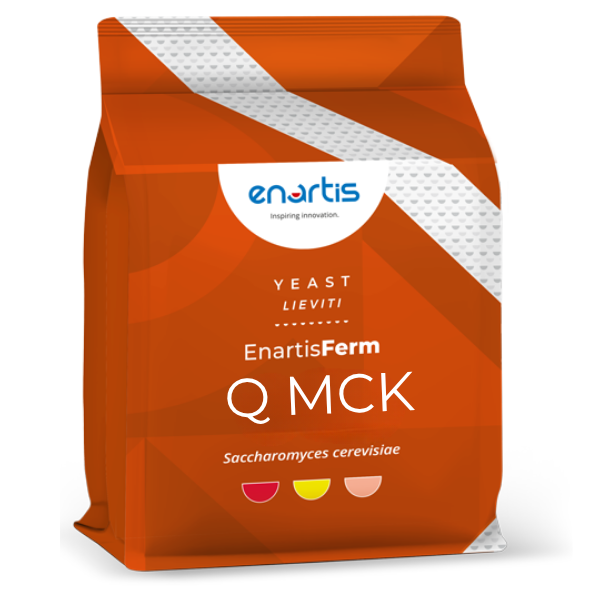
EnartisFerm Q MCK is a non-saccharomyces yeast (Metschnikowia pulcherrima) that was specially selected by the Centre of Excellence for Research in Microbiology (CERM) for its strong antimicrobial properties. CERM, established in 2024, specializes in research and development in the field of enological biotechnology. Its mission is to provide winemakers with reliable tools to improve their production processes through a tailored, scientific approach. EnartisFerm Q MCK is a natural alternative to SO2, and helps prevent quality loss caused by contaminating microbes and preserves aromatics. A non-fermentative yeast, its ability to quickly proliferate in juice and must even at cold temperatures makes it the ideal strain for bioprotection during pre-fermentation processing. Learn more about EnartisFerm Q MCK here! Questions? Contact your local technical sales representative or call (707) 838-6312.
00


Pure non-Saccharomyces Yeast FREEZE DRIED FROOTZEN™ A pure Pichia Kluyveri boosting fruit flavors in wine. Amazing in white and rosé wines, bringing an additional touch of complexity in red wines too. Learn more This product is now delivered in a user friendly freeze dried format that does not require a -40°C freezer. FROOTZEN™ A pure Pichia Kluyveri boosting fruit flavors in wine. Amazing in white and rosé wines, bringing an additional touch of complexity in red wines too. Learn more This product is delivered to the winery on dry ice. It can be stored for a short time on dry ice until used, or for longer term storage, in a -40 °C freezer. Watch Testimonial Video OCTAVE A pure strain of Lachancea thermotolerans (formerly Klyveromyces thermotolerans) selected for its capacity to increase the acidity in white and rosé wines and adding to the flavor complexity with stone fruits notes. As a consequence
00

March 16, 2026

Transporting liquid products efficiently and safely is a critical part of production. From grape must to finished wine, every stage of the process requires containers that protect the product, reduce costs, and minimize environmental impact. Container Logic offers a solution that addresses all these needs: collapsible intermediate bulk containers (IBCs). What Are Collapsible IBCs? Intermediate bulk containers (IBCs) are a versatile method for transporting large quantities of liquid food-grade materials. Unlike rigid single-use containers, collapsible bins are designed to fold down when empty, making them reusable, space-efficient, and environmentally friendly. Their durable construction ensures that liquids remain protected during transport, while the foldable design simplifies storage and return logistics. Key Benefits of Collapsible Bins Reduced Packaging Waste Traditional single-use containers generate significant waste with every shipment. Collapsible bins minimize the need f
00
WHAT: The California Department of Food and Agriculture’s Preliminary Grape Crush Report for 2025 is a barometer for the wine and grape industry, containing prices and tons of wine grapes crushed. The Crush Report provides growers and wineries insight into the inventory position for the California wine business as a whole, and can influence market dynamics for the current bulk wine and grape markets as well as potential impacts at the consumer level. WHEN: CDFA is scheduled to release the Crush Report at 12:00PM PST on Friday, March 13th, 2026.ANALYSIS: A historically small crop coupled with below break-even spot market grape pricing compounds wine industry headwinds. For the second consecutive year, the California Crush Report will reflect a wine industry navigating a significant supply-and-demand imbalance. While actual tons harvested remained historically light across many regions in 2025, the primary driver of market instability is the sustained decline in consumer demand and
00

March 4, 2026
Papapietro Perry Winery and Four Roses Bourbon Take Top Honors (March 6, 2026) — Winners have been announced in the fifth annual Los Angeles Invitational Wine & Spirits Challenge. A pinot noir from Papapietro Perry (Sonoma County, Calif.) and a small batch bourbon from Four Roses Distillery (Lawrenceburg, Ky.) topped their fields to be named Best of the Best. The competition was established in 2022, in conjunction with Los Angeles-based beverage professionals (representing both the on- and off-premise channels), to highlight the best of the best wine and spirits producers in the world, and to introduce those producers to the largest market of consumers in the United States. Judging took place February 18-19, 2026. Competition this year was stellar, says event producer Debra Del Fiorentino of Wine Competitions Management & Production: “Year after year, our judges continue to be impressed with the depth in each category. The quality of product was fantastic!” Wh
00


Dear Customer, As bottling season approaches, we’re here to support you with specialized testing services and essential products to ensure your wine is at its best. Important Details for Testing Services: These tests are not included in your subscription pricing; individual pricing is listed below. Each test requires a separate sample, with specific volume requirements. Please label your samples clearly with the test name. For Turbidity (NTU) and Brettanomyces testing, ensure you write "NTU" or "Brett" on the sample tube cap and label for streamlined processing. Available Tests and Pricing: Stability Testing (Please complete the Stability Test Request Form) Heat Stability Test: $20/sample (250 mL sample required) Bentonite Fining Trials: $75/sample (750 mL sample required) Note: These trials take 3 days and will start the following Monday if submitted after noon on Thursday. Davis Conductivity Test: $30/sample (375 mL sample required) DIT – Degree o
10

January 26, 2026
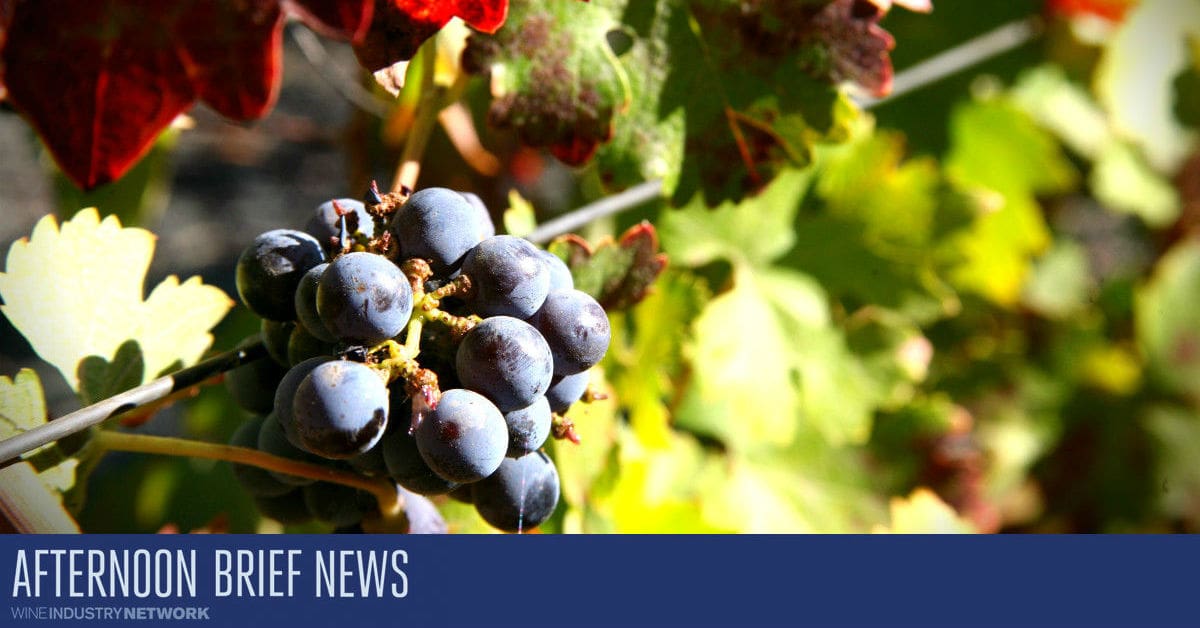
Afternoon Brief: In the U.S.-Canada Trade War, the Wine and Spirits Industry Is Still Paying the Price
Tariffs and retaliatory boycotts have devastated wine and spirits businesses on both sides of the border. One year later, the industry is still grappling with lost sales, strained relationships, and an uncertain path forward...
WineAmericaCome TogetherLivermore Valley Wine CommunityBalletto VineyardsAspen Peak CellarsZamora Company USAMartha BarraBarra of MendocinoTroon Vineyard & FarmAdam CopleyThe Duckhorn PortfolioChris MaciejewskiMiller Family Wine CompanyTurrentine BrokerageFORT SystemTricorBraun WinePakEnolyticsWine Industry Sales EducationAmorim Cork AmericaWiseConnSandbar Solar & ElectricHalleck VineyardValette WinesRegal Wine CompanyMatt HughesSolos
00
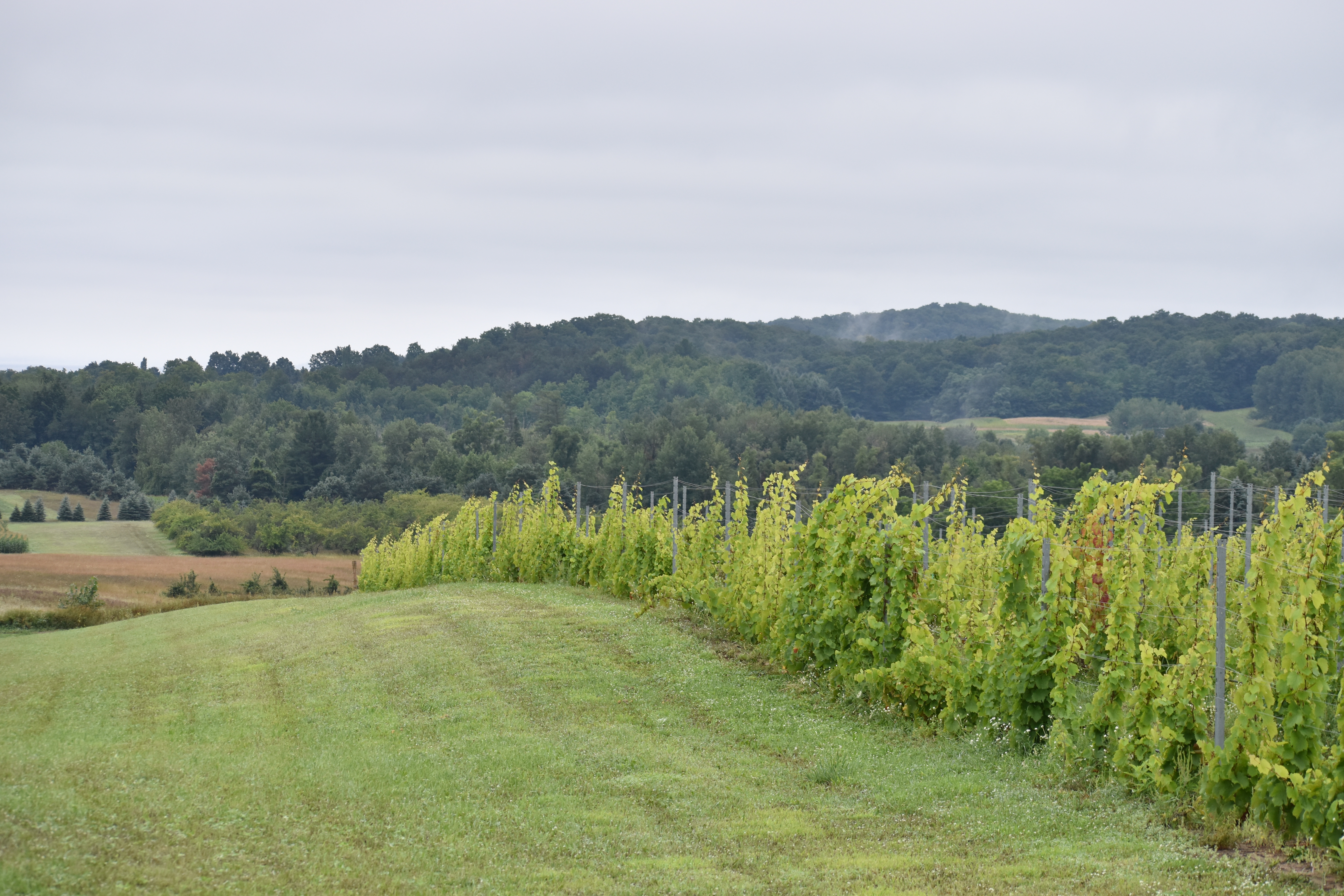
Across the vineyard industry, margins are under pressure. Rising labor costs, limited workforce availability, and increasing water expenses are forcing growers to take a closer look at where efficiencies can be gained. While market conditions may be outside a vineyard’s control, how resources are managed in the field is not. For many operations, irrigation remains one of the largest opportunities to reduce both labor and water costs without compromising vine health or fruit quality. Labor remains a growing challenge Labor continues to be one of the most difficult costs for vineyards to manage. Irrigation tasks often require daily attention, including valve adjustments, system checks, troubleshooting issues, and traveling between blocks. During peak season, these tasks can consume significant time and require experienced personnel to be in multiple places at once. Even well-run operations feel the strain when crews spend hours driving to sites simply to make routine changes or co
00


Maintaining wine balance in a changing climate Climate change is reshaping the wine industry. In many wine regions, each year seems to set new records for the hottest or driest growing season, followed by the earliest harvest dates yet. Such accelerated ripening is disrupting grape physiology; phenolic and aromatic development fall out of sync, sugar levels soar, and acidity drops away (1). So how can we adapt and build a more resilient wine sector? The answer to this question is multifaceted. In the vineyards, grape growers are rethinking their management practices, adjusting canopy architecture, introducing shading or optimising irrigation (1,2). Some are reaching for higher altitudes or moving further from the equator in search of cooler conditions (1). Others are trialling alternative heat- and drought-tolerant varieties, from long-forgotten cultivars to newly bred plant material. In the cellars, winemakers may turn to pragmatic solutions such as dilution or blending strategi
00
November 24, 2025
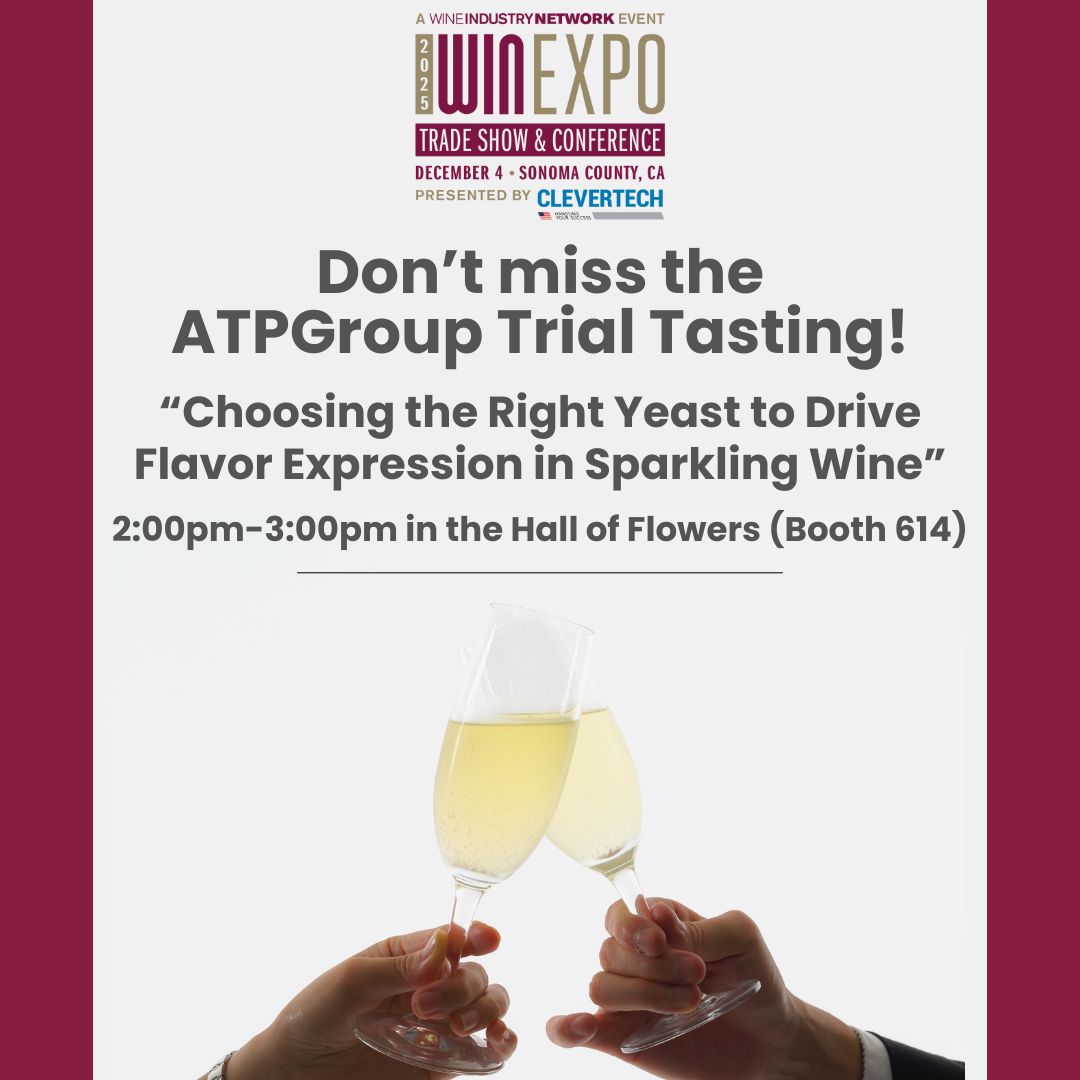
Sparkling wine is one of the most expressive and technically demanding wine styles. Its character begins with the grape variety, the vineyard, and the production method, but the final sensory signature depends heavily on yeast. Yeast acts as the invisible winemaker, shaping aroma, flavor, texture, and bubble structure throughout both primary and secondary fermentations. Different strains of Saccharomyces cerevisiae behave very differently under the challenging conditions of sparkling wine production. Low pH, increasing alcohol, and high pressure create an environment where only the right strains thrive. Equally important, each strain varies in its ability to create and release the flavor compounds that drive complexity and define style. When secondary fermentation takes place in the bottle and is followed by proper riddling, the yeast has an even greater influence on the final profile. To help winemakers better understand the impact of yeast selection, ATPGroup conducted a focused tria
00