
Filter Post Type
NewsVideoProductEventLink
Sort:
Most Recent
Tagged:soil moisture
1–9 of 9


Event Type: Webinar
Date: 5/13/2026 — 11:00 AM to 12:00 PM
Reliable soil moisture data is critical for understanding soil conditions and enabling long-term environmental monitoring. Selecting the right sensor and understanding how it works makes a meaningful difference.
Join this webinar to learn how these sensors operate and how to integrate them into your monitoring systems.
What You’ll Learn
Measured parameters (volumetric water content, electrical conductivity, and temperature)
Key sensor specifications, typical performance, and calibration considerations
Available options for communication and calibration for different deployments
Integration methods with your monitoring systems for streamlined data collection
Whether you're planning a new deployment or evaluating sensors for an existing system, this webinar is for you. Save your seat today!
Can’t attend live? Register anyway and we'll send you the recording after th
00

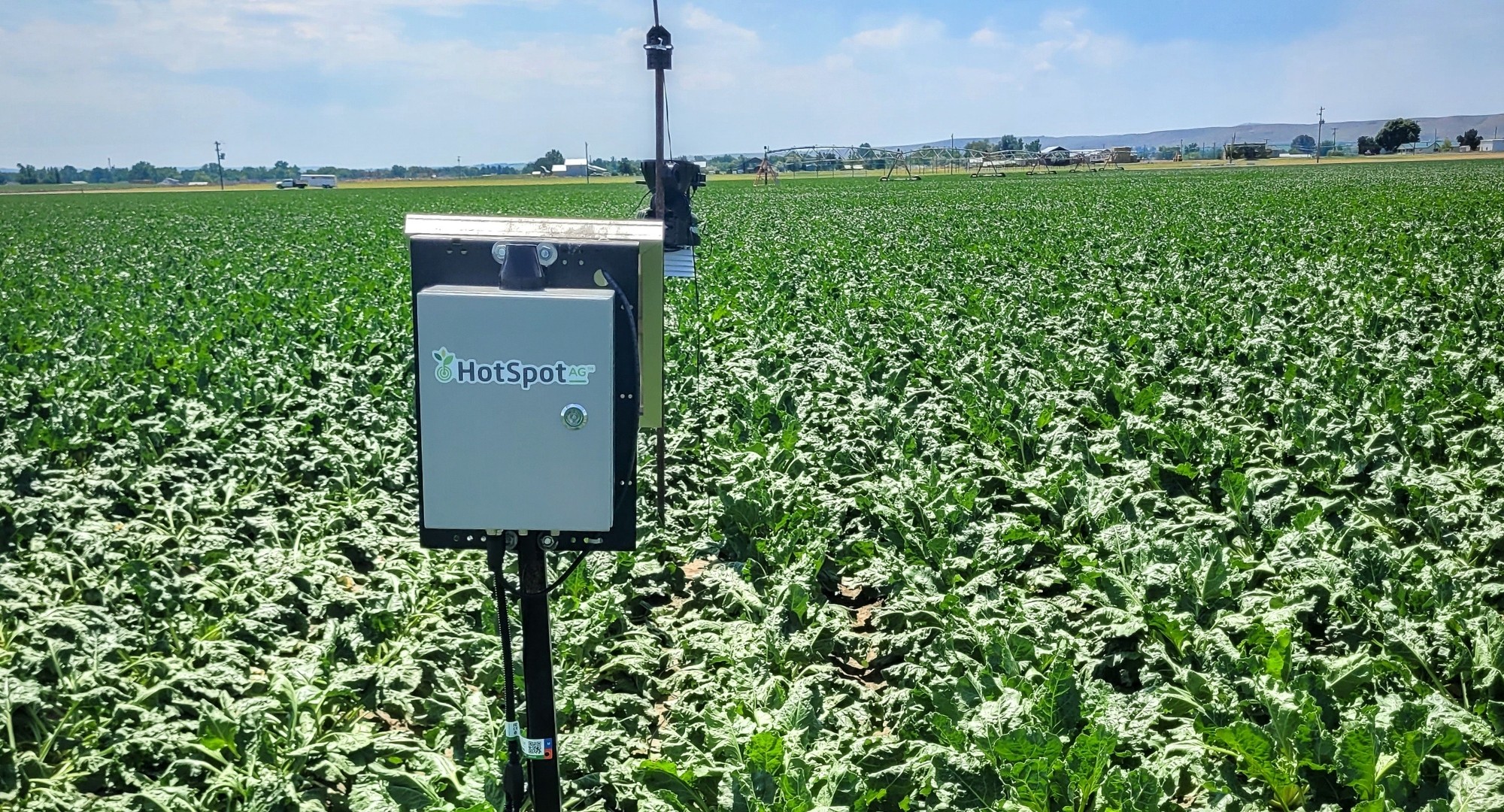
Efficient irrigation starts with understanding exactly how much water your crop is using and how much it really needs. That’s where evapotranspiration (ET) comes in: the combined loss of water through evaporation (from soil and surface) and transpiration (used by the crop). By matching irrigation to ET, growers can reduce waste, improve yields, and make smarter use of limited water resources. With SGMA (the Sustainable Groundwater Management Act) now in full effect across California, it is more important than ever that growers irrigate with precision and are able to prove it with efficient record keeping. If you’ve ever asked yourself: “How much of my irrigation is actually reaching the root zone?” You’re not alone. This article breaks down how soil moisture monitoring and real-time irrigation control using HotSpot AG tools can give you clear, actionable answers. Monitoring Soil Moisture and Irrigation While evapotranspiration (ET) tells you how muc
00
July 29, 2024
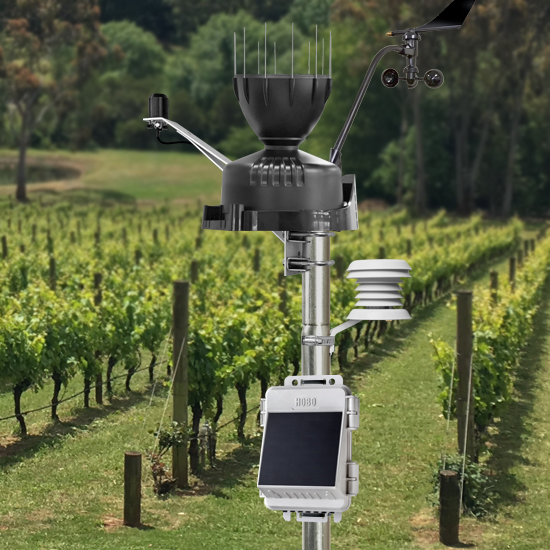
Smart Monitoring Solutions for Smart Growing Decisions Microclimate monitoring and closely tracking parameters like soil moisture using precise data equips you with vital insights that help you make the smartest viticultural decisions—protecting crops…improving yields…conserving water. Maximize your vineyard monitoring efforts with a HOBOnet remote sensor network—a flexible, scalable IoT solution that lets you track growing conditions in real-time with research-grade wireless sensors, remote monitoring and weather stations, and wireless data loggers for soil moisture, temperature, light intensity, PAR, evapotranspiration, wind, and many other parameters, from weather to water. Plus, connect to powerful industry tools like NEWA with our cloud software solutions. Explore our vineyard monitoring systems here.
00

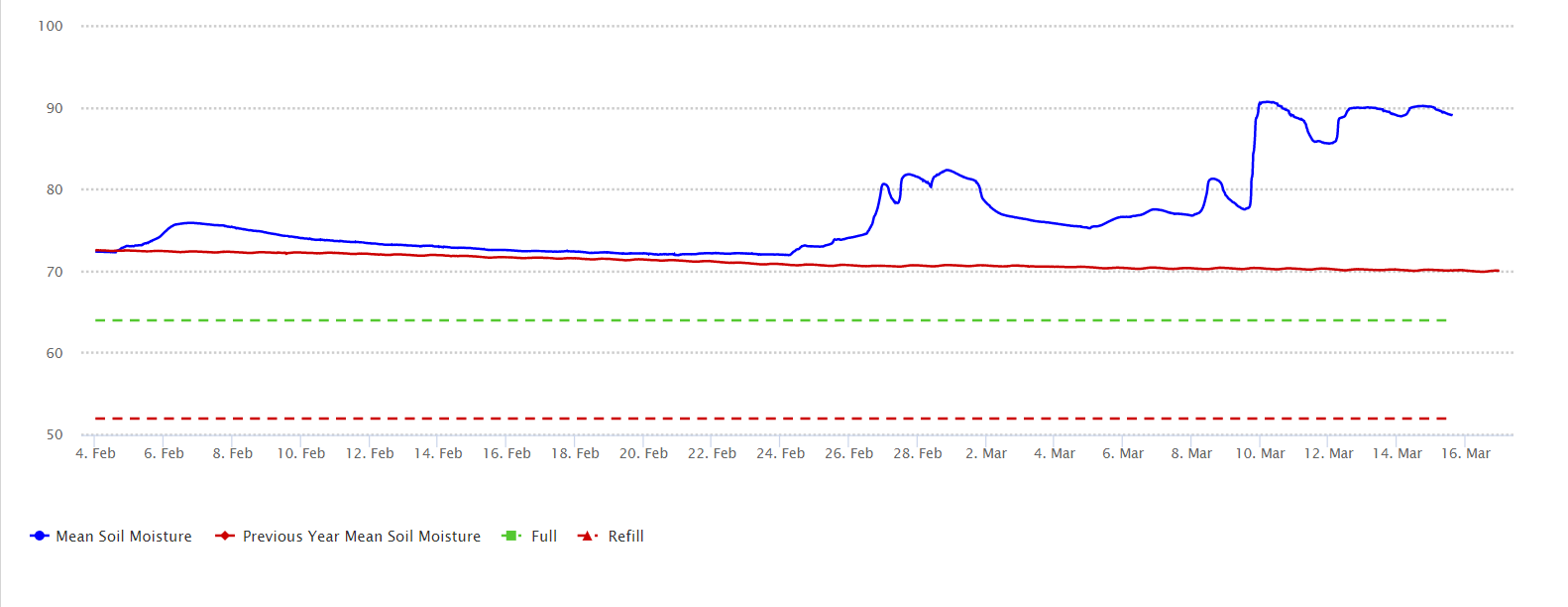
We got a lot of rain this year and every time I'm a bit of a Debby Downer about what it means for the 2023 season. Rainfall in the fall is nice, but did I mention that spring time rain is what counts? Well budbreak is right around the corner and unlike 2022, the rain has stuck around. So the big question is...are we in a better place than we were last year? Yes. Let's take a look at where we are with regards to last year around this time. Roll footage! Look at that. The blue line above is this year's average water content while the red line is last year's. This block is in a much moister position than it was last year. The above graph is from down south in the Paso Robles region. This time last year (red line), they were already irrigating because the soil was already super dry. This year (blue line) rain has filled the soil profile to field capacity. This site does not have a whole lot of water, so the fact that they can push back the start of irrigations until later
00
February 7, 2023
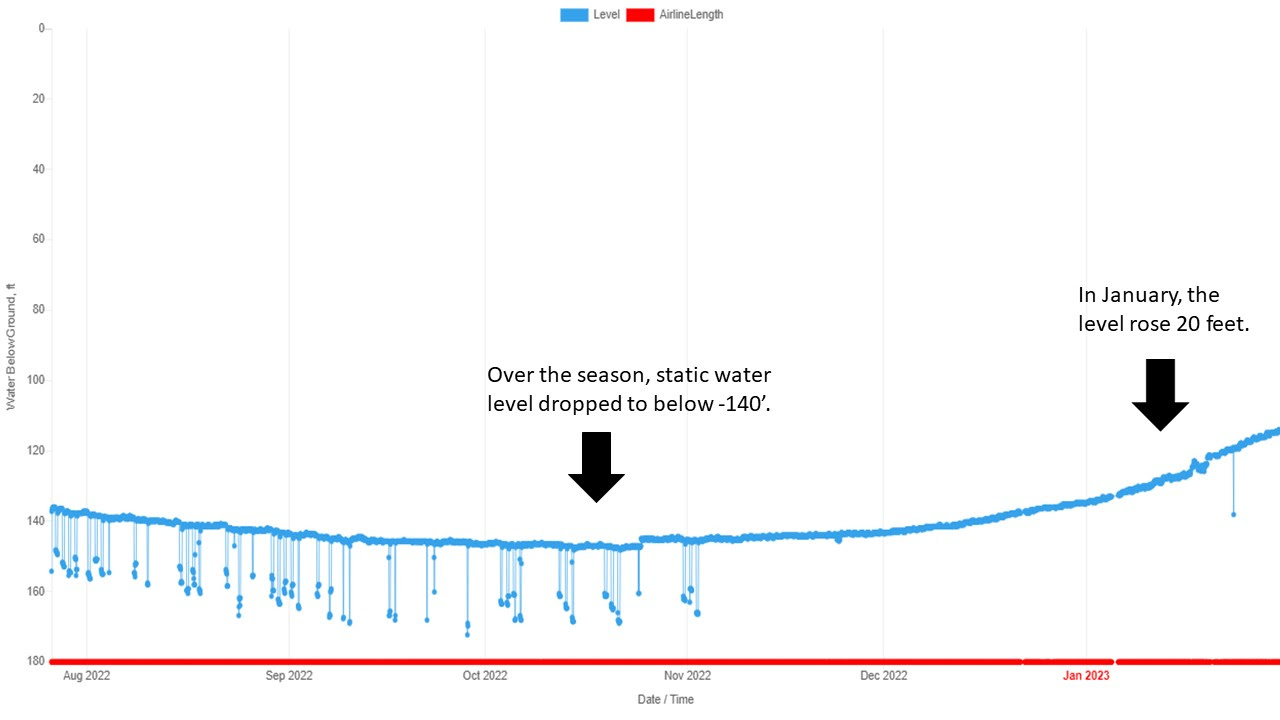
California was hit by some torrential rain in January. In our last post, we explored how that rain had affected soil moisture. In some cases, the water percolated right through and left the soil dry again. In other cases, the rain filled the soil to field capacity. It all depends on the soil’s water holding capacity. The rain we get now probably won’t have much of an effect on the coming season. By the time we get shoots pushing, even heavier soils will most likely need some water. That is assuming we don’t get some rain in the early Spring, when it really matters. Heavy rains can fill ponds as well as underground reserves of water. That’s where winter rain becomes important. Soil moisture in the early part of the season helps establish a canopy. At some point though, you may need to irrigate. It’s hard to do that if you don’t have any water. Last year Advanced Viticulture started an exciting partnership with The Well Bubbler. This device measures we
00
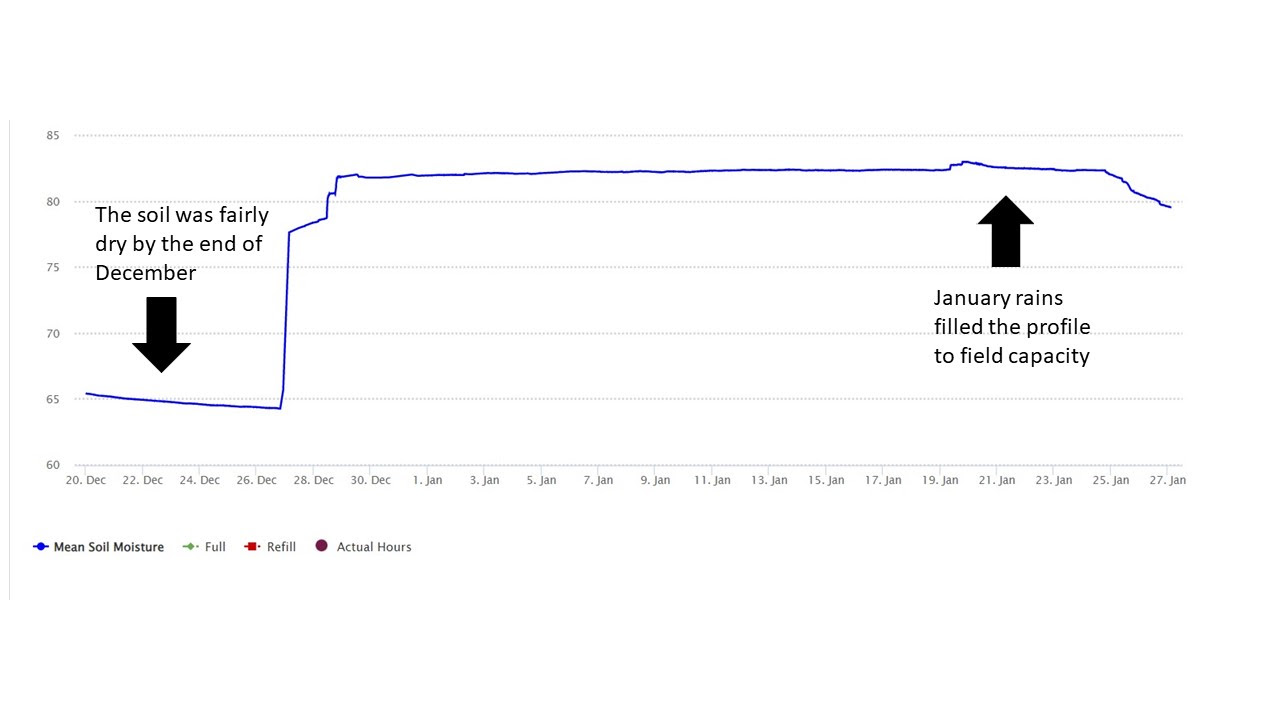
In the last couple of months, California has been hit with a lot more water than we’re used to. Here in Sonoma County we’ve had excesses of 18” of rain and that was just since January 1st. Other parts of the state got even more. The sun has been out for over a week now. Let’s look at how much of that water stayed in the ground. The following charts show relative soil moisture content measured by soil moisture probes. Location 1: Here’s a site with a loamy/moderate textured soil. The rain did a good job pumping up the relative water content. Location 2: Here’s a site with light texture. This site may have taken on a lot of water, but it rapidly percolated into the deep soil, leaving it as it was prior to the rain. Here’s a look at the different depth levels. Location 3: Here’s a heavy soil texture. Notice that the soil here was already at field capacity thanks to the rain we got in late 2022. It may have gotten a lot o
00
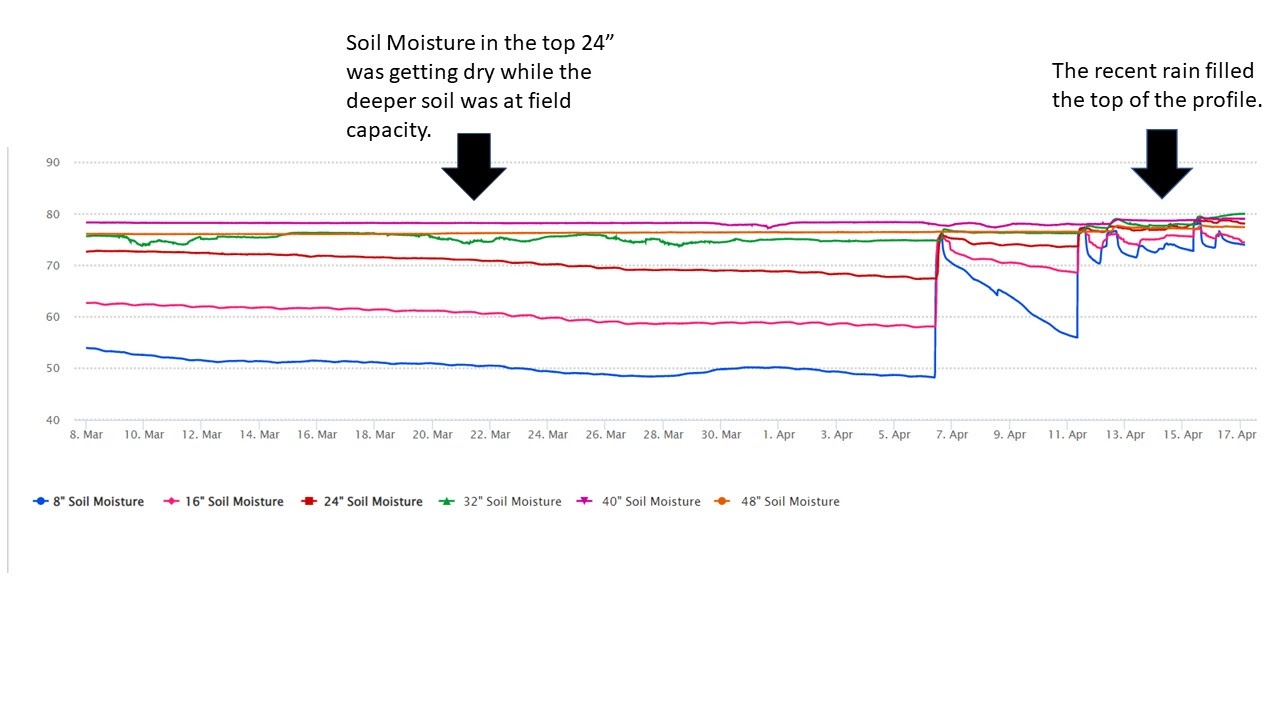
So, it rained...But what does this mean for my soil moisture? Is my profile full or did this recent rainstorm barely make a dent? That depends on a lot of factors. Here at AV, we love our data. Let’s take a look at some of it! Here's a site we monitor in the Alexander Valley. Below we see soil moisture percentage graphed out at varying depth levels. The top of the soil was getting dry, but thanks to the rain, the whole profile is full now. Now let's take a look at the soil moisture percentage of a different site. This location has a very light-textured soil. A closer look at the recent rain reveals that the rainwater has already redistributed into the deeper soil. It won't be long before this site needs another irrigation. Knowledge is power. Some vineyards hold water better than others. Which case is yours? A soil moisture probe will tell you a lot about how much water you have, where it is, and how easy is it for your vines to access it. Want to see f
00
November 9, 2021

It’s…raining? Cool! But what does this mean for my soil moisture? Are we set for the season next year? If only I had someway to know for sure. Let’s take a look at some of the data. Here’s a site we monitor just north of the town of Napa. The last big rain we had was on the 24th of October and sure enough, the 6.30” of rain that fell that day was enough to fill the soil to field capacity! Yay! …However, another site near Calistoga has 7.52” of rain. This site has a much lighter soil. Water percolates very rapidly here and sure enough, most of that water didn’t stick around. The winter may be young, but my point is that knowledge means everything. A soil moisture probe and a weather station will tell you a lot. Add a temperature sensor and you’ve got frost and heat alerts too. This past season we saw a lot of farmers who didn’t irrigate early enough. Vines suffered severely uneven and stunted growth whose ill effects lasted
00
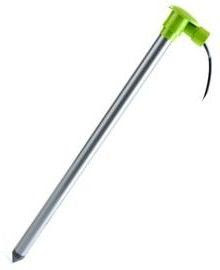
With the season fast approaching, this is a great time to install soil moisture sensors and view a full-season's set of soil moisture dynamics. Follow the filling of the soil profile from rainfall and the natural drawdown of soil moisture during the spring to determine when irrigation needs to begin in each vineyard block. The probes we support measure soil moisture and temperature from 6-12 sensor depths. Meaning with one probe, you can view specific moisture readings every 4 inches- down to four feet (or more)! Identify where and how much water is stored in your soil View where root activity is occurring Visualize when moisture becomes sufficiently depleted such that irrigation is necessary Know how deeply irrigation applications percolate in your soil for precision irrigation and avoidance of deep percolation Precisely identify the correct irrigation schedule - no guesswork or models We are ready to put the necessary measures in place so you can view soil moisture data for
00