
Filter Post Type
NewsVideoProductEventLink
Sort:
Most Recent
1–10 of 35

November 21, 2024
Event Type: Webinar
Location: Online
Date: 12/18/2024
Join us for a comprehensive session exploring essential insurance solutions for grape growers. Industry experts will be discussing the new Fire Insurance Protection – Smoke Index (FIP-SI) endorsement for the 2025 crop year. They will cover how it enhances a grower’s underlying Multi-Peril Crop Insurance policy to protect up to 95% of a crop’s value against fire and smoke damaged grapes. This session will review how the Risk Management Agency determines county-wide smoke events, grower requirements for the claims process, and how a claim payment is calculated with historical references to illustrate how FIP-SI can strengthen your risk management strategy. They’ll also discuss the new Grapevine Policy, launched for the 2024 crop year, which provides coverage specifically for grapevines. Don’t miss this opportunity to explore these valuable programs and learn how they can protect your vineyard operations. Register Here Session Panel: Laura Hern
00


Afternoon Brief: Smoke Taint Revolution - Carbon Fabric to Become Vineyard-Wide Netting
As wildfires become more frequent and intense due to climate change, the need for smoke taint prevention has never been more critical. One of the most exciting developments in this space is the research into activated carbon fabric - an innovation that could potentially protect vineyards from smoke damage...
Project ZinMauritson Wines Down Syndrome Connection of the Bay AreaThe Garagiste Wine FestivalHoopes WineryNapa County Farm BureauPeter RumblePaul ArmstrongJustin ChearnoThe Four HorsemenBeverage Trade NetworkAustralian Grape & WineYinchuan Wine AssociationFlâneurPrince Hill VineyardsLodi Wine GrowersAly WenteAdam GreerBLU ON THE HUDSONGiulia CecchiCastello di MonsantoGérard BertrandInnoVintWine RoadIntelliCultureHolt of CaliforniaBroken Earth WineryThe Setting WinesVermeil WinesChâteau ShuetteCa' FurlanRegal Wine ImportsSakura WineryJennifer Sahara
00
Heatwave arrives; grape market remains slow July was likely the warmest on record for much of the western US, with California receiving the highest heat levels and areas of the Central Valley suffering two weeks of 100-110°F temperatures. The heat has since dissipated slightly in early August, although consistent, more normal temperatures in excess of 85°F are forecast. The general feeling is that vineyards across the state will have been affected by such a prolonged heatwave: Some – limited – burn damage has been in evidence and there is a suspicion that berry sizing has been hindered. The dividends from California’s wet winter are now making themselves felt: Despite the hot summer, soil moisture levels in many places remain relatively good – even at this stage – and canopies appear healthy. Given this and the fact many cash-strapped growers are economizing on treatments, there has been some mildew pressure, but still at normal levels. Also normal
00
Afternoon Brief, May 29th
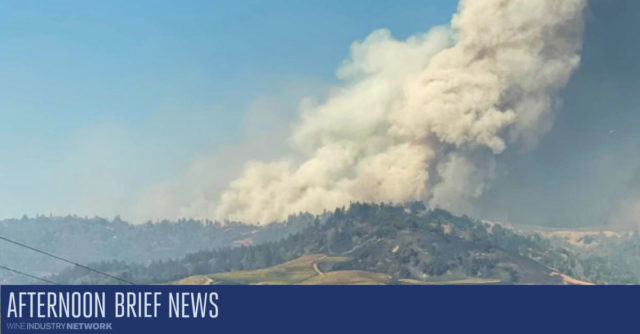
Oregon Wineries Sue Pacificorp for $100 Million for Smoke Damage: Some 30 wineries in Willamette Valley are suing Warren Buffett’s energy company PacifiCorp for negligence surrounding the 2020 wildfires that caused catastrophic smoke taint to their crops...
Horse Heaven Wine CompanyOomijiDestin Charity Wine Auction FoundationVinepairBlack Kite CellarsBroadway and VineTennessee Alcoholic Beverage CommissionMaryland Wineries AssociationCarroll County Farm MuseumWSTASonoma County WinegrowersMarimar Estate Vineyards & WineryCopper Peak LogisticsWineAmericaMarama LabsCrafted ERPINFACO USA IncAgri-Analysis LLCClos du Soleil WineryBreakthru Beverage GroupCastle Rock WineryBordeaux WinesFly Wines
00

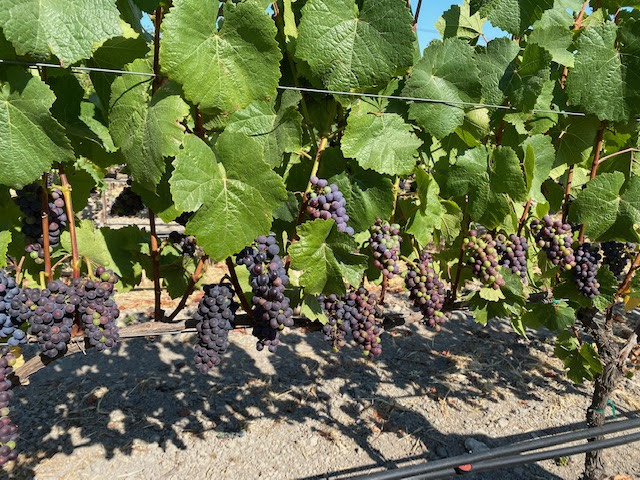
I had an macroeconomics professor preface the start of the semester stating that any question asked in his class was answerable with “it depends”…or “China”. While I don’t remember a ton about that class or the intricacies of U.S. tariff policy towards Chinese manufacturing, I find that at least the former part of that statement applies to frost season. In this case, how you handle your frost damage depends on a few factors. How hard did you get hit? When did the damage occur? What are your winemaking goals? Let’s start with this last one. What wine is this going into? Frost damage always looks like Armageddon the morning after. Give it a month though, and it may look not much different than normal. You may even get just as big a crop as you would have if no frost had occurred. This is because the vine is resilient and pushes a lot of secondary and tertiary buds to make up for your burned-up primary bud. Whatever fruit you have from these late
00

March 13, 2024
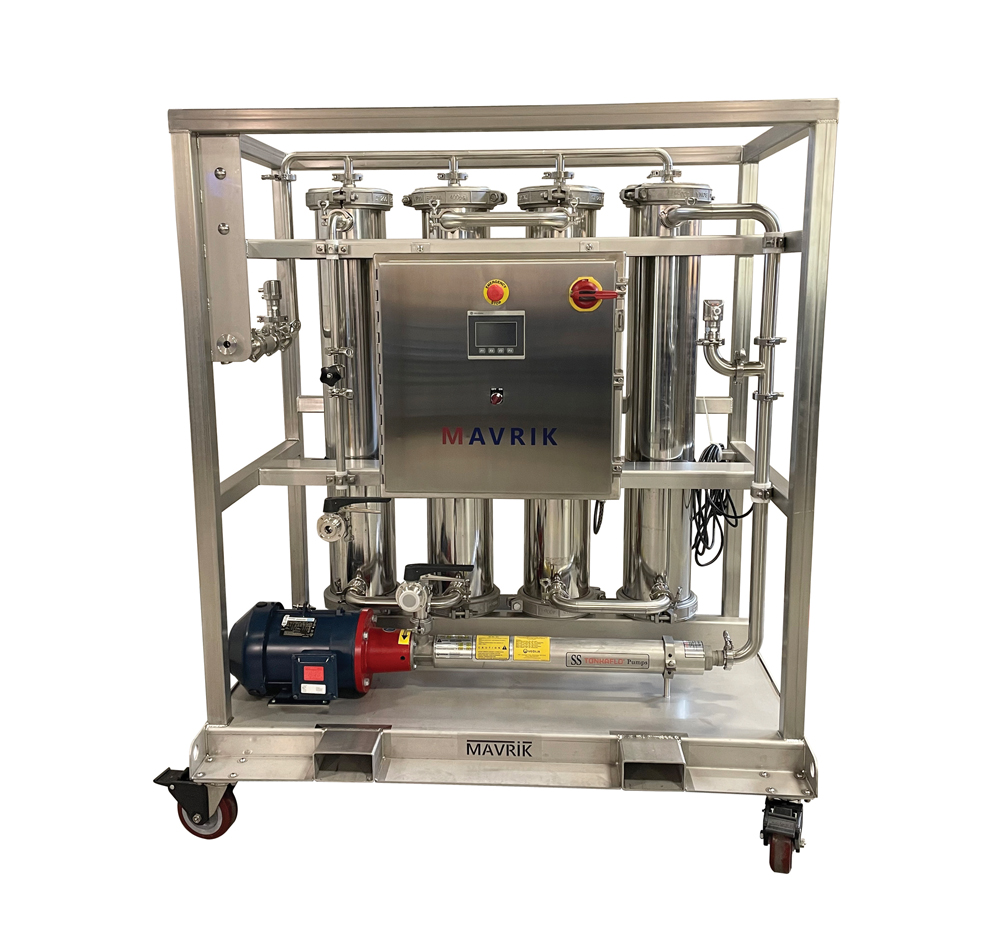
[Santa Rosa, CA March 13, 2024] – P&L Specialties and Mavrik North America are pleased to announce a strategic agreement that enables P&L to fabricate and service Mavrik's widely praised specialty filtration technologies. This partnership will empower P&L Specialties to manufacture and train on Mavrik North America's distinctive designs for wine filtration equipment. This collaboration marks a significant milestone for both companies, combining Mavrik North America's innovative technology with P&L Specialties' proven expertise in manufacturing and servicing high-quality equipment. The agreement allows P&L Specialties exclusive rights to produce, distribute and maintain Mavrik North America's specialized wine filtration equipment, ensuring broader access and enhanced service capabilities for customers. Mavrik NA Reverse Osmosis and Ultrafiltration Systems are a crucial element of production as they ensure the stability and quali
00
March 12, 2024
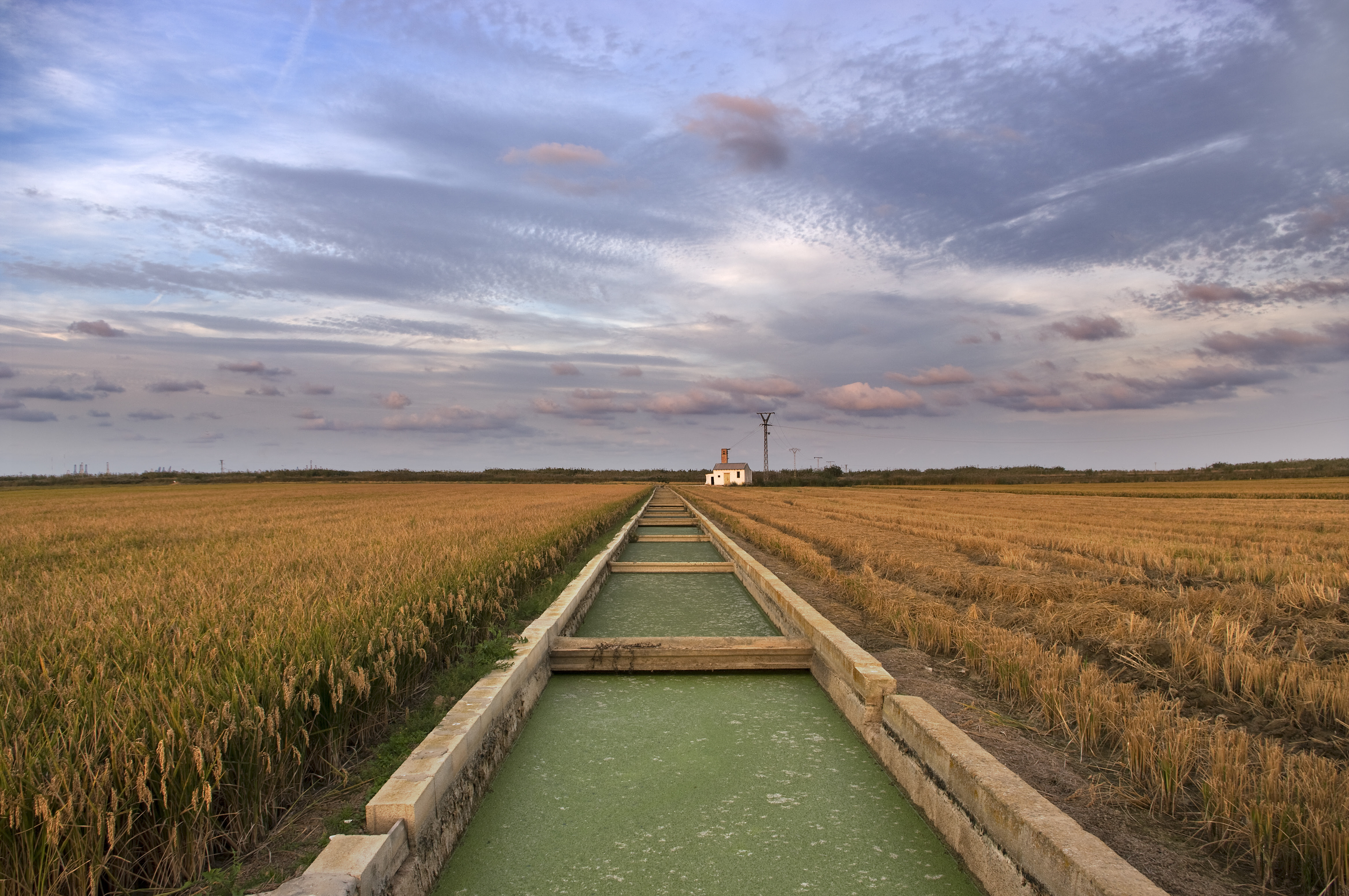
"GROUNDWATER . You can't see it, but millions of Californians depend upon it as a vital source of water for their homes and businesses." Those are not my words but the introductory words for the promotional video that appears on the SGMA (Sustainable Groundwater Management Act) website1 . The statement is a rather simply worded way to convey the obvious: that groundwater is vital to our livelihood here in California, and especially important to honoring and sustaining our agricultural heritage. While groundwater provides needed sustenance for numerous rural, as well as urban communities, it is agriculture that demands the lion's share of the resource. Central Valley agriculture turns to groundwater pumping whenever drought or poor rainfall years reduce the availability of surface water deliveries. Cries for construction of more reservoirs to capture and store more stormwater and snowmelt so that canals can be filled with more water are always being heard. Yet, apart f
00

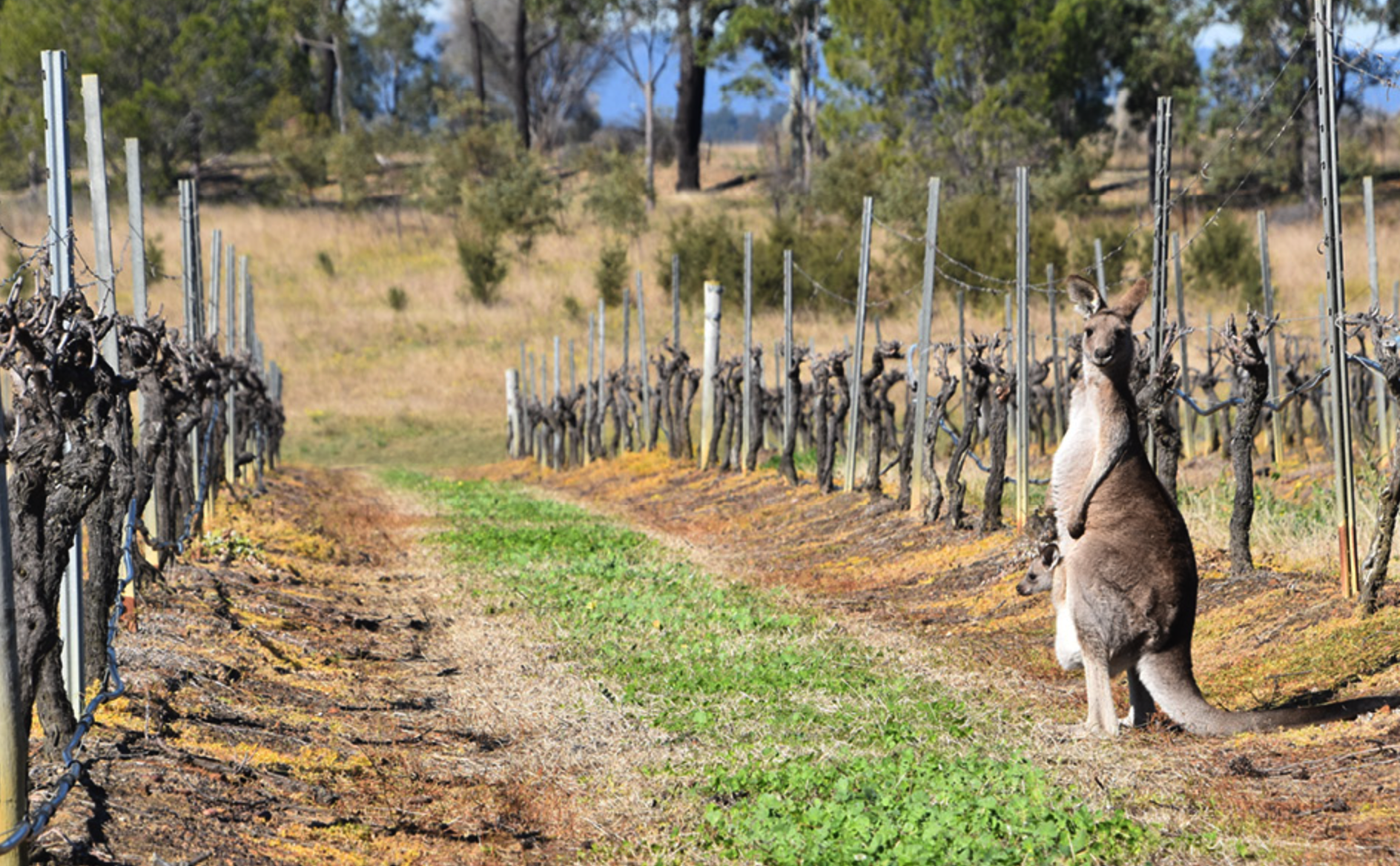
The Australian ‘Black Summer’ of 2019/20, which saw bushfires destroy swathes of vineyard land across the country was a dramatic reminder of the growing challenges facing winemakers around the world. We spoke to leading Australian winemakers and lab technicians to find out how agile decision-making is helping to deal with the consequences of global warming. Offering alarming proof of the escalating effects of climate change, in November 2019 bushfires blazed through New South Wales, scorching more than five million hectares of land following Australia’s hottest and driest year on record. In December 2019, the fires swept through the Adelaide Hills, destroying 650 ha of vines in the region, and wiping out entire vineyards. Making matters worse, the smoke from the fires was far-reaching, rendering vineyard plots from Canberra to the Hunter Valley useless. Ravaging an estimated 24.3 million hectares of land in total and destroying over 3,000 buildings, the September 2019
00

December 18, 2023
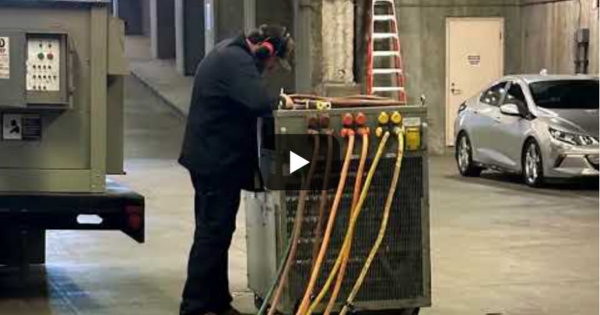
In the realm of power generation, ensuring the reliability of backup systems is paramount. Companies like CD & Power understand the critical role generators play in maintaining operations during power outages. One essential practice in the realm of generator maintenance is load bank testing. Below, learn the significance of load bank testing for generators. Understanding Load Bank Testing Load bank testing is a crucial procedure employed to evaluate the performance and reliability of a generator under various load conditions. This simulation mimics real-world scenarios, allowing operators to assess the generator’s capacity, cooling system, and overall functionality. While generators are designed to handle a range of loads, they often operate at less than optimal levels, leading to issues such as wet stacking and carbon buildup. Load bank testing serves as a proactive measure to address these concerns and ensure generators are ready for action when needed. The Why Behin
00

July 27, 2023
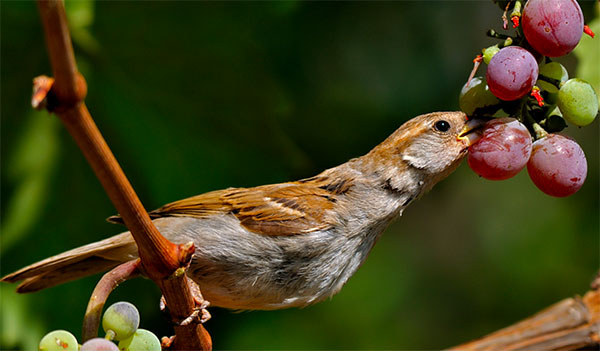
Viticulturists in California's Central and North Coasts predict a delayed harvest this year due to the cold, rainy spring. This postponement poses a potential threat to the grape crop, leaving it vulnerable to challenges from autumn rains, cooler temperatures, and smoke taint from wildfires. The delay does, however, provide grape growers with more time to prepare for a persistent challenge to wine grapes – bird damage. The critical moment is after bud break and before veraison when vineyards become prime targets for birds searching for food and a place to roost. "The time to act is when the sugar content begins to rise and attract the birds," asserts Dave Crockett of Kenwood's The Dirt Farmer, vineyard services company. "Once the birds are drawn in, there's nothing you can do to deter them. The key is to prevent them from noticing the ripening grapes in the fields below. With this year's harvest delayed by one to four weeks, there's st
00