
Filter Post Type
NewsVideoProductEventLink
Sort:
Most Recent
1–10 of 47

April 6, 2026

Enartis USA announced the promotions of Amy Jensen to Sales Manager and James Allen to Applied Innovation Manager, effective March 2026. These strategic appointments underscore the company’s evolution from a traditional enological product supplier into a comprehensive partner for integrated winemaking solutions, engineering services, and applied research. Strengthening Leadership for a Modernizing Industry Producers across North America are actively navigating tightening margins, shifting consumer trends, and increased demands for operational efficiency. To meet these challenges head-on, Enartis is expanding its leadership structure to deliver connected, cross-disciplinary expertise that bridges enology, and engineering. “The wine industry is moving from reactive decision-making to predictive control, and our leadership must reflect that,” said Francesco Bergaglio, CEO of Enartis USA. “Amy and James intimately understand the operational and financial pressures o
00
April 6, 2026

As technology advances, the wine industry is beginning to embrace smart automation to improve efficiency, reduce downtime, and maintain the highest product quality. Wineries are no longer just looking for equipment that works—they want systems that think ahead. From temperature sensors in fermentation tanks to automated humidity control in barrel rooms, integrated smart systems are revolutionizing how wineries operate. DW Mechanical stays ahead of the curve by offering solutions that integrate smart technologies into plumbing and refrigeration systems. For example, remote monitoring and automated alerts can notify staff of changes in temperature, pressure, or humidity, preventing problems before they escalate. Automated flushing systems for pipes and self-regulating glycol chillers are just a few of the innovations that make wineries more efficient and less reliant on manual intervention. If your winery is ready to future-proof its mechanical systems, DW Mechanical can help you
00
November 14, 2025
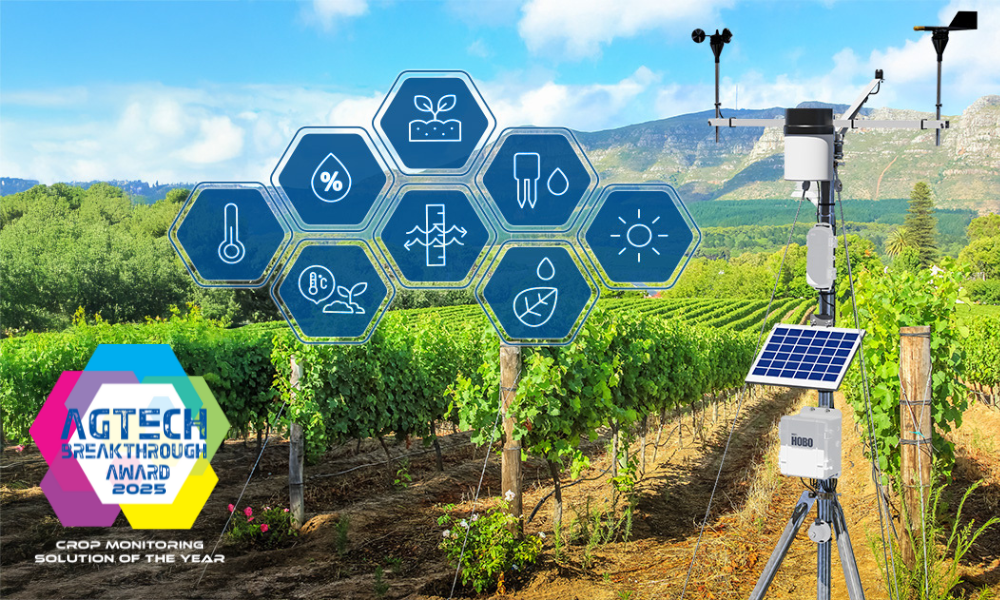
HOBO Data Loggers receives “Crop Monitoring Solution of the Year” in 2025 AgTech Breakthrough Awards Program for the HOBOnet Wireless Sensor Network Annual awards program recognizes innovation in agricultural & food technologies around the globe BOURNE, Mass., – HOBO Data Loggers, a LI-COR® brand and leading manufacturer known for accurate and reliable data loggers, today announced it has been awarded “Crop Monitoring Solution of the Year” in the 5th annual AgTech Breakthrough Awards program conducted by AgTech Breakthrough, a leading market intelligence organization that recognizes the top companies, technologies, and products in the global agricultural and food technology markets today. The HOBOnet Wireless Sensor Network delivers cost-effective, distributed, wireless, and scalable in-field crop monitoring. Designed to empower growers with real-time environmental data for improved decision-making, HOBOnet provides precise, site-specific insights
00

November 12, 2025
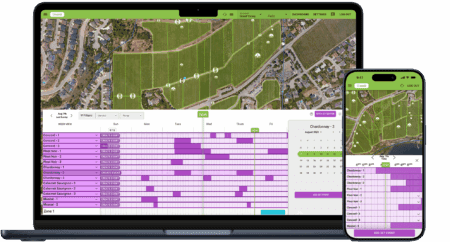
Vineyard owners and grape growers lie awake at night trying to map a path to the future through today’s volatile market. Worries that run through their minds include the overflowing bulk market that is cancelling contracts and lowering grape prices, and the higher pay rates and immigration raids that are compounding an already stressed labor supply. Two clear steps forward are to lower operational costs and reduce existing staff workload. Automating irrigation management is a logical way to achieve this, as it reduces labor, water usage and materials costs. But small or mid-sized growers often forego these benefits because the automation price tag outweighs the return on investment. Instead, 95% of growers still choose to continue irrigating manually. Verdi addresses this ROI concern with affordable irrigation automation technology that growers and their teams can easily install themselves without any training. What makes Verdi unique is how its smart hardware and easy
00


The crush pad is the heartbeat of any winery during harvest season. It’s where grapes are received, sorted, and prepared for fermentation—a critical workspace that can make or break the efficiency of your operations. A well-designed crush pad doesn’t just improve workflow; it protects fruit quality, reduces labor strain, and ensures safety for your staff. Understanding the Crush Pad Workflow Before designing or upgrading a crush pad, it’s essential to understand the flow of operations. Grapes typically move from vineyard bins to receiving areas, then through destemmers and presses, and finally into fermentation tanks. Every step must be seamless to avoid bottlenecks that can slow down production. When planning your crush pad layout, consider: Equipment Placement: Position destemmers, presses, and conveyors to minimize travel distance. Efficient placement reduces handling and potential grape damage. Accessibility: Forklifts, carts, and workers should have clear
00

October 6, 2025
Labelling may seem like a simple final step in production, but advances in automation are changing this crucial process. From robotic applicators to AI‑enabled vision systems, the future of labelling is smarter and more efficient than ever. Why Automation Matters Consumers demand accurate information and perfectly applied labels. Automation reduces misalignment and downtime, delivering consistent results even at high speeds. This section explores the business case for automated labelling systems: improved throughput, reduced rework, and better resource utilisation. Key Technologies Shaping Labelling Robotic arms and collaborative robots (cobots) – enabling flexible, multi‑axis labelling applications. Vision systems and sensors – checking label position, print quality and barcodes. IoT integration – allowing remote monitoring, predictive maintenance, and data‑driven optimisation. Modular designs – enabling quick changeovers and scalable configurations. Benefits
00
September 25, 2025
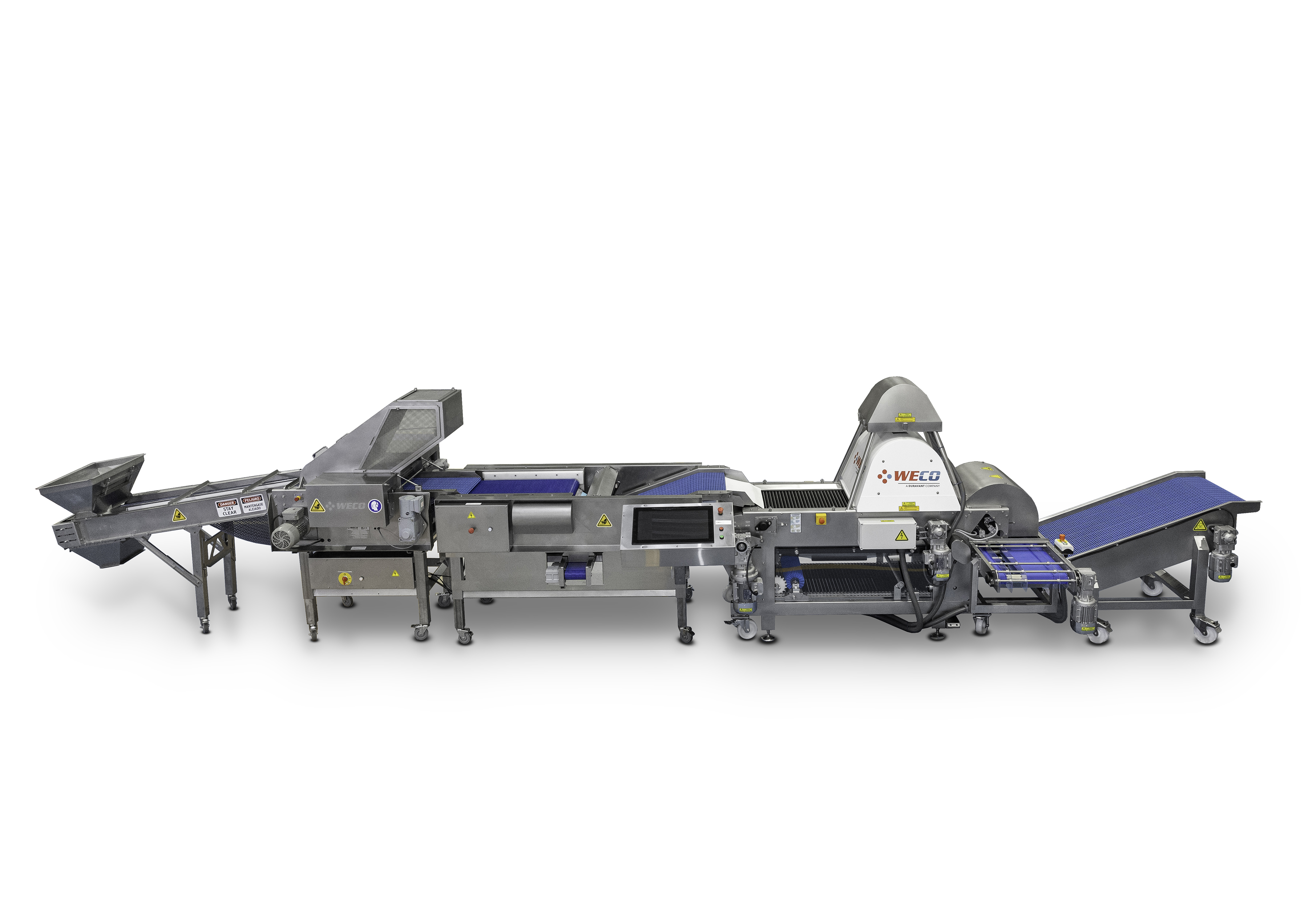
Duravant’s Food Sorting and Handling Group, including operating companies Key Technology, PPM Technologies and WECO, will showcase their world-class equipment at Pack Expo Las Vegas booth W-1044. Delivering high-performance optical sorters, conveyors and other processing solutions, Duravant helps customers maximize food safety and ensure product quality while increasing yield, reducing labor and improving operational efficiencies. “Food growers, processors and packers are navigating significant hurdles right now, from workforce shortages to market uncertainty. With companies making very targeted investments, we're focused on providing technology that offers immediate value by automating manual tasks, minimizing training, simplifying sanitation and boosting overall productivity,” said Jack Lee, Duravant Group President – Food Sorting and Handling. “Our group’s comprehensive equipment portfolio and decades of experience enable us to deliver the ide
00

Precision irrigation automation has never been accessible for most viticulturists. Because it’s expensive and complicated, only the largest producers with sizable budgets could afford its benefits – until now. Since its inception, Verdi has thrown open the door to a high quality, affordable, user-installed irrigation automation system for wine grape growers at all levels of production. Verdi allows irrigation to be managed on multiple properties manually, remotely, with schedules, and by utilizing farm sensors that notify the system when crops require additional water. It also alerts them when there are problems, so they always know if their watering systems are functioning properly. “We installed Verdi on a couple of our properties, which historically had been difficult to manage as far as irrigation and immediately I noticed just the labor cost savings overall.” — Stephanie Adamson, Irrigation Technician, Quails Gate Winery The Verdi system solves anot
00
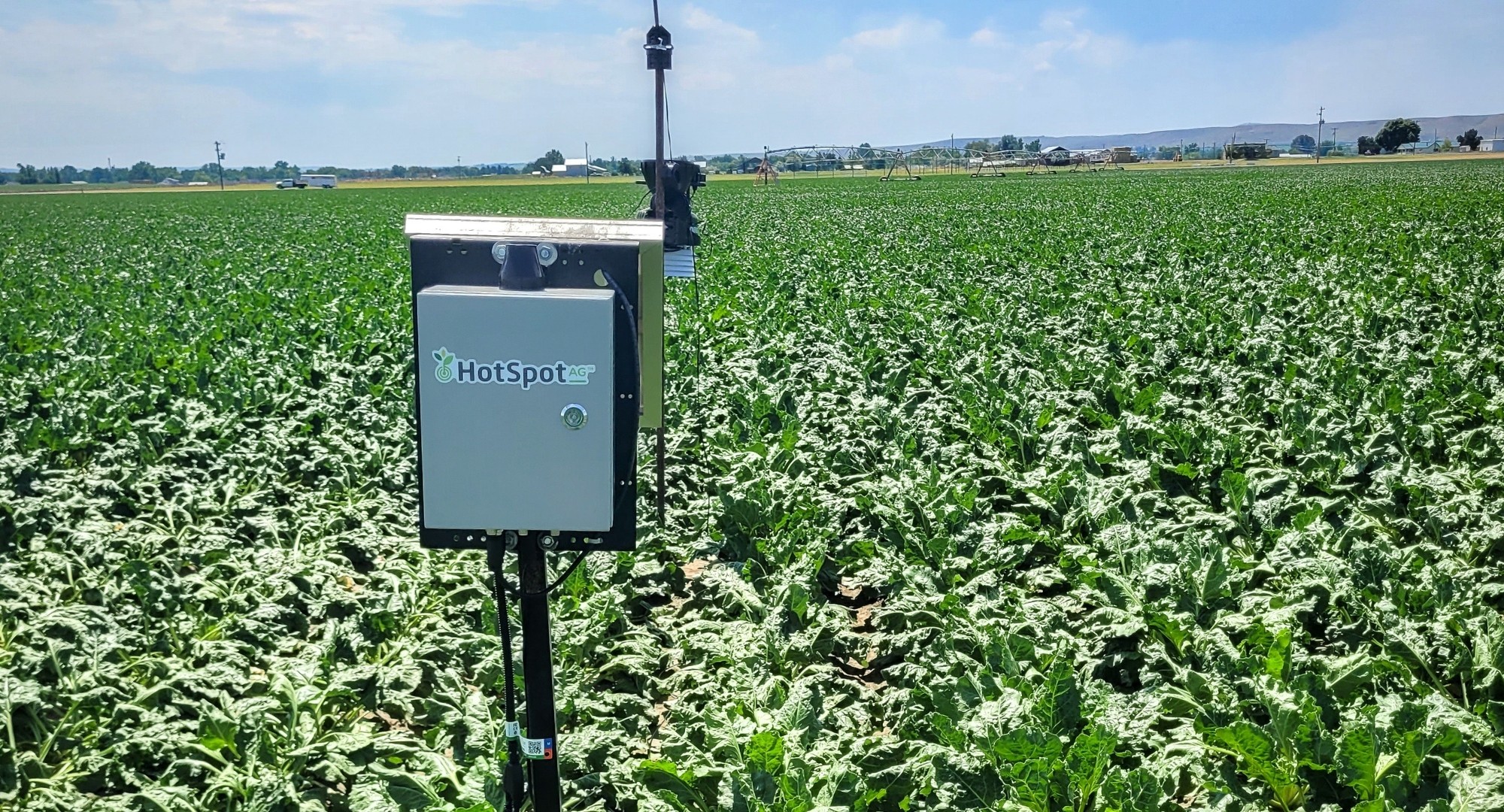
Efficient irrigation starts with understanding exactly how much water your crop is using and how much it really needs. That’s where evapotranspiration (ET) comes in: the combined loss of water through evaporation (from soil and surface) and transpiration (used by the crop). By matching irrigation to ET, growers can reduce waste, improve yields, and make smarter use of limited water resources. With SGMA (the Sustainable Groundwater Management Act) now in full effect across California, it is more important than ever that growers irrigate with precision and are able to prove it with efficient record keeping. If you’ve ever asked yourself: “How much of my irrigation is actually reaching the root zone?” You’re not alone. This article breaks down how soil moisture monitoring and real-time irrigation control using HotSpot AG tools can give you clear, actionable answers. Monitoring Soil Moisture and Irrigation While evapotranspiration (ET) tells you how muc
00
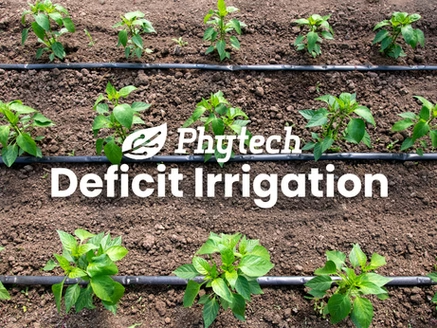
When water is limited, or fruit quality is on the line, deficit irrigation is one of the smartest tools in a grower’s arsenal. But like any sharp tool, it needs to be used with precision. Here’s what deficit irrigation is and why it matters. What Is Deficit Irrigation? Deficit irrigation is the practice of intentionally giving crops less water than they’d typically receive during select stages of development. The idea isn’t to deprive the plant, but to apply a mild, controlled stress that can slow vegetative growth or fruit expansion in ways that benefit the crop. Done well, this strategy can sharpen fruit quality, reduce disease pressure, conserve water, and even improve overall return on investment. Take apples, for example. Overwatering mid-to-late season can lead to oversized fruit with low calcium, making them more vulnerable to bitter pit. In peaches, too much late-season water can result in soft texture and poor color. Deficit irrigation allows y
00