
Filter Post Type
NewsVideoProductEventLink
Sort:
Most Recent
1–9 of 9

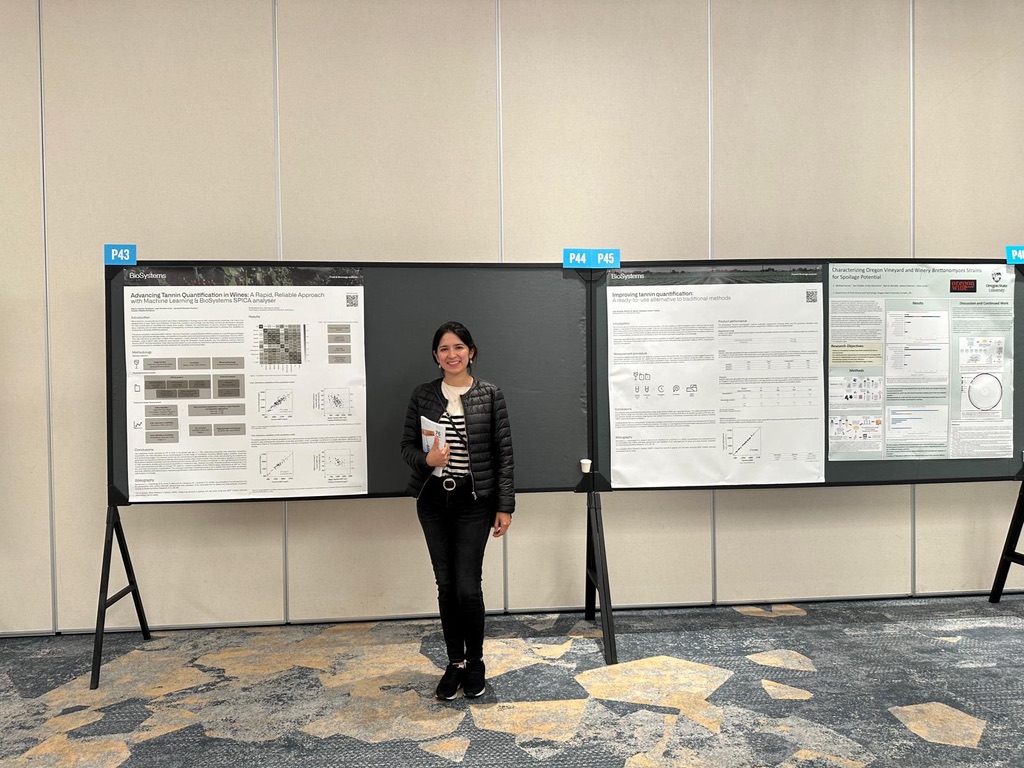
Last month we had the great pleasure to present posters about our new tannin methods at ASEV with our partners, BioSystems. Our first poster highlights an optimized multiple linear regression model that uses automated testing to predict tannin levels in wine. The research was done in labs in four countries using multiple grape varietals throughout the stages of winemaking. By combining machine learning with SPICA’s advanced analysis tools, it offers a fast and simple way to ensure consistent wine quality. Our second poster describes an alternative to tannin precipitation by Mexthylcellulose (MCP) in wine. While traditional methods take a great deal of time to prepare the reagents, our MCP kit is ready to use out of the box with an 18 month shelf life and provides fast and reliable results on the SPICA automated platform. Congratulations to Marilyn Garcia, José Morales Ariza, Leonardo Estrada Dueñas, and Andreu Tobeña Montanuy for the completion of these
00

November 24, 2022

Simple Labs Honored with CES 2023 Innovation Award for Cogniâ„¢ Wine Barrel Monitor
November 22nd (Napa, CA) Simple Labshas been named aCES 2023 Innovation Awards Honoreein the Food & Ag Tech category for theCogni Wine Barrel Monitor. The announcement was made prior []
00
November 18, 2022

2022 WINnovation Award: Simple Labs’ COGNI — Monitoring Barrel Aging from Outside the Vessel
The wine industry is constantly faced with new trends, challenges and the pressure to stay ahead of the competition. With that comes the opportunity to innovate. Each year, Wine Industry […]
00
November 7, 2022
Winners of 10th Annual Wine Industry Innovations Awards Announced
Wine Industry Network (WIN) recognizes five companies with WINnovation Awards for excellence in wine industry innovation Vineyards and wineries face new, growing and shifting challenges each year, whether from the […]
00

November 3, 2022

Seeking a Executive Admin for an Innovative Company at Simple Labs (Napa County, CA, USA)
UTIVE ADMIN The Executive Administrator is responsible for managing the schedules and communications of key company executives. Providing...
00
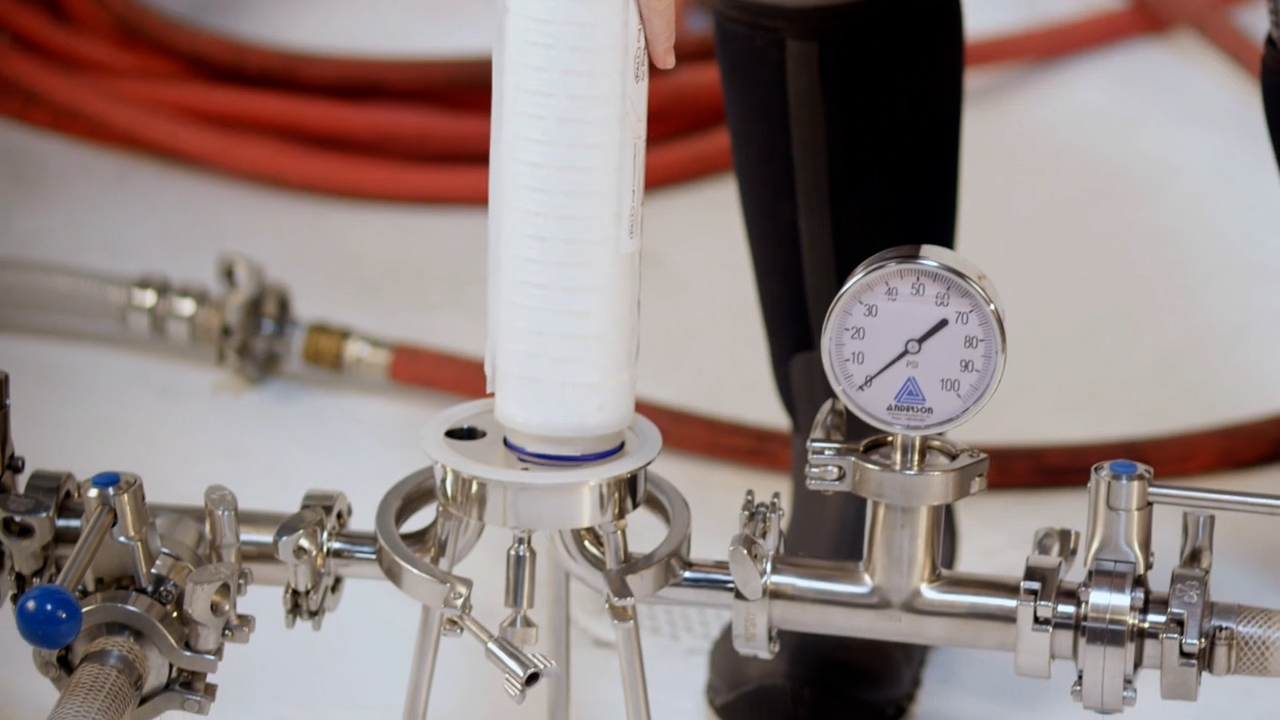
Harvest is around the corner and wineries are preparing for the arrival of bins full to brimming with ripe grapes ready to crush, de-stem and press. That means it’s time to make sure all your winemaking supplies will be at hand when the crush swings into full gear. In a typical year, you would check your supplies — everything from yeast to sulfur dioxide —and call your suppliers for understocked items. But nothing has been normal since the COVID-19 pandemic started disrupting business as usual. Many supply chains are stressed, resulting in supply shortages, shipping delays, and lack of inventory. “At Scott Labs, we’ve seen a huge influx of winery customers scrambling for filters,” says Maria Peterson, Scott Labs’ Technical Filtration Expert. “And for something as critical as final filtration before bottling, it’s essential to ensure you have what you need, when you need it, without compromising quality.” As a result, winemaker
00
June 21, 2021
The painstaking process of going from grape to bottle depends on a myriad of critical factors, not the least of which involves the quality of the water used to clean and sanitize the production and bottling line equipment necessary to winemaking facilities. City water sources often contain chlorine and other taint precursors, which can directly affect the resulting quality of wine by allowing microorganisms and other agents into wine filtration systems before wines go to bottle. Scott Laboratories, the leading supplier for the North American wine and specialty beverage industry, has introduced the ScottCart Aqua water filtration system: a simple, highly effective way to ensure taint, particle and microbe-free water for applications throughout the wine and beverage production process. ScottCart Aqua works with an all-in-one cartridge filtration kit that purifies water through three easy steps: A 30” Clarify Carbon cartridge to remove toxins, heavy metals, taste, color, chlorine, f
00


As the vineyard moves from winter pruning through bud break to veraison and harvest, a vineyard manager and his team continuously work their way through the canopy, tending vines and grapes to ensure they yield the highest quality wine possible.
As the vineyard moves from winter pruning through bud break to veraison and harvest, a vineyard manager and his team continuously work their way through the canopy, tending vines and grapes to ensure they yield the highest quality wine possible. At each stage in the process, the team takes measurements: logging hours worked, recording the amount of water, fertilizer and pesticides applied, counting the flowers and grape bunches on each vine, measuring Brix levels, and noting the date they captured each metric. Viticulturists must synthesize all this information to assess the health of the vines, progress of the grapes, the efficiency of the work, and make decisions about all parts of the vineyard’s management.
Process2Wine® softwar
00
July 9, 2020

Find the pump that’s right for you this harvest Scott Laboratories, a leading innovator for the North American specialty beverage community for over 80 years, has partnered with Inoxpa, a global company specializing in stainless steel processing equipment, to supply innovative liquid transfer pumps to the wine industry in time for the 2020 wine grape harvest. Known for their high-quality reliability and revolutionary Clean in Place (CIP) technology, Scott Labs is highlighting three of these top-of-the-line pumps to meet cellar and winemaking demands during the upcoming harvest season. Inoxpa RVN Helicoidal Pump – this pump features a unique helicoidal impeller design that provides exceptionally gentle must transfers. Widely used in wineries for fully automated pumpovers, the device allows solid particles to pass through the pump without being damaged and without clogging. According to Damon Dudley, Scott
00