
Filter Post Type
NewsVideoProductEventLink
Sort:
Most Recent
1–10 of 33

August 22, 2025

After a challenging 2024 harvest—the smallest in two decades—California wine growers are entering 2025 with cautious optimism, but also hard questions: How do you maximize yield, protect quality, and safeguard profits in a market still reeling from oversupply, economic pressure, and climate volatility? Growers who thrive this year will be the ones leaning on smarter, data-driven solutions to plan ahead, monitor operations in real time, and respond quickly when conditions change. 2025 Outlook: Smart Planning is Critical Looking ahead, stable weather patterns and healthy vines suggest a potential rebound in yield and quality. But uncertainty persists: global wine consumption has not fully recovered, and unsold inventory remains a real concern. Growers who proactively track operations, anticipate risks, and make informed decisions will be the ones best positioned to weather the storm. How AgCode Helps Growers Turn Insight Into Action AgCode’s software equips wine grower
00
July 16, 2025
Wineries aren't just about producing great wine—they’re about creating memorable experiences. That means your tasting room, event space, vineyard grounds, and production facilities need to be not only spotless, but also free of pest-related health and safety risks. Clark Pest Control works closely with wineries to implement non-invasive, audit-ready pest management plans that help you stay compliant with food safety standards and prepared for third-party inspections. From vineyard events to private dinners and seasonal festivals, we help you maintain clean, welcoming, and pest-free environments all year long. Our Winery-Focused Pest Control Approach Includes: Targeted pest management for common winery threats, including rodents, ants, flies, and occasional invaders Preventive maintenance to stop pests before they become a problem—like removing entry points and improving sanitation practices Audit prep and reporting tailored to the wine
10
LEED/Organic Pest Control PREPARING FOR THE BEST THROUGH LEED While organic pest management only represents a small portion of LEED credits, its successful deployment is vital to completing LEED's rigorous requirements. Our approach to Integrated Pest Management (IPM) follows these ideals and can qualify for credits in your facility’s LEED scoring. Learn More about LEED here. ABSOLUTELY ORGANIC We also understand how important it is to adhere to the strict standards of organic regulations, so Clark's organic pest control program is specially designed to meet your specific needs and maintain your facility’s hard-won certification. We fully support the philosophy and standards of the U.S. National Organic Program (NOP). CLARK'S ORGANIC PEST CONTROL PROCESS: We adhere to a thorough process of inspecting, identifying, monitoring, and evaluating before selecting appropriate control methods. This involves routine inspection and accurate identification of pes
00
Whether you’re hosting guests in your tasting room, coordinating vineyard events, or welcoming visitors to your wine country retreat, first impressions matter—and pests can ruin them instantly. Wineries often double as hospitality venues, and that unique combination brings both beauty and challenges. High foot traffic, food and beverage service, and open-air spaces create ideal conditions for pests to thrive. At Clark Pest Control, we understand the specific pest pressures wineries face. Since 1950, we've partnered with hospitality-driven businesses to ensure their guests stay delighted—and pests stay out. Common Pest Challenges in Winery Hospitality Spaces: Flies and gnats in tasting rooms and outdoor patios Rodents nesting in storage areas or near food service zones Ants and crawling insects drawn to wine production waste or sugary spills Wasps around event areas and patios during warmer months Mosquitos around the winery property during the warmer, more hi
00

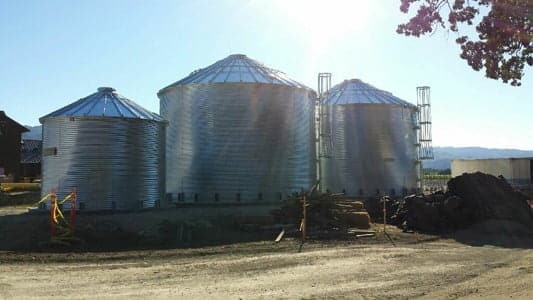
National Storage Tank began in the Napa Valley, Our roots are in wine, and they are deep, we served the needs of the Wine Industry in Napa & Sonoma Counties for years before we began to branch out into other industries. Behind all the prestige and panache involved in the Wine Industry, there are two things we always keep in mind; Agriculture and Manufacturing. We never forget neither the farmers nor the vintners, and from field to press and have been facilitating both for a long time. Water Storage Tanks Irrigation is essential, water on demand for crops, and frost prevention. Our tanks come in a wide variety of gallon capacities from 5,000 to 5 million and can be fitted with outlets of any size for maximum water draw, anti-vortex systems are second nature to us as well. Your crop needs a consistent and reliable water source because grapes grow and the weather changes often so vineyards have to be ready at a moment’s notice. Our Corrugated Bolted Steel Tanks have
00

LISTEN IN to Sustainable Winegrowing's Marketing Tip Monday! What does it mean to farm sustainably? Sustainable farming is a collection of practices spanning from water and energy conservation, to soil health and biodiversity, and social equity. There are so many examples of sustainability in action to point to right outside of your window: Native landscaping: minimal irrigation and maintenance needs. Cover crops: promote soil health and provide refuge for beneficial insects. Alternative energy sources: reduce reliance on fossil fuels. Owl boxes & raptor perches: birds of prey feast on vertebrate pests. One topic that sustainable farmers get asked about often is pest management. In this Sustainable Story Marketing Tip, learn how Presqu’ile Vineyards utilizes technology to manage bird pests in a more environmentally and economically sustainable way. Safely Keeping Birds at Bay Birds like finches and starlings are common vineyard pests. They damage fruit and canopies,
00

225: California’s Ban on Autonomous Tractors An antiquated California law makes using autonomous equipment in the vineyard challenging. Michael Miiller, Director of Government Relations at the California Association of Winegrape Growers (CAWG) explains that workplace safety standards developed in the 1970s based on 1940s equipment state that self-driven tractors must have an operator onboard. To update this law, CAWG is working closely with manufacturers and countries that allow autonomous equipment to aggregate data on safety. Automation has many potential benefits to farm workers including developing transferable skills, upward mobility, precision agriculture, and increased safety. Learn about how the law works today and about funding opportunities to train staff. LISTEN IN Resources: 117: Grapevine Mildew Control with UV Light 120: Autonomous Drone Vineyard Spraying 219: Intelligent Sprayers to Improve Fungicide Applications and Save Money Californ
00

April 8, 2024
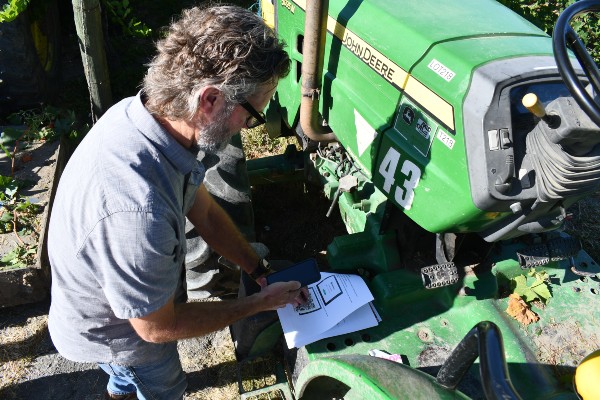
Farming is a tough business these days. From the impacts of environmental challenges to the rising costs of running a farm, agricultural producers face countless hurdles. Yet, despite the odds, many family farms continue to thrive, driven by a deep sense of purpose and a commitment to nourishing their communities. It's this dedication that has inspired innovative companies like IntelliCulture to step in and provide support. IntelliCulture works closely with farms of all sizes, from small operations with 10+ machines to large-scale enterprises with thousands of pieces of equipment. Their goal is to provide customized technology solutions that address each farm's unique needs and challenges. Mike, a California grower, consults IntelliCulture's software to help with his daily tasks. "We understand that every farm is different, and that's why we don't believe in one-size-fits-all solutions," explains Eric Jenssen, IntelliCulture's Director of Sales. &
00
March 27, 2024
Risk assessments and trend analysis in pest control provide valuable insights into potential threats and patterns related to pest infestations. They tell the story of what is going on inside your commercial property when it comes to pest activity. Risk assessments help identify the likelihood of pest problems occurring in a particular area of a commercial property. Factors such as climate, surrounding area, and the presence of conducive conditions (i.e., sanitation protocols, structural conditions, employee actions, etc.) for pests are evaluated to determine the level of risk. This information allows for proactive measures to be taken to prevent or mitigate pest issues before they escalate. Trend analysis, on the other hand, involves examining historical data to identify patterns and recurring pest problems. This helps in understanding the seasonal variations, population cycles, and other trends related to pest activity. By recognizing these patterns, pest control professionals can dev
00

Do you know where your food comes from? “Food disconnect” is a term used to describe the average consumers lack of knowledge about where their food comes from and how it’s made. When it comes to wine, most people only see the finished product: what’s in their glass. For sustainable wine brands, there’s yet another level to this disconnect: While consumers name food and beverage as one of the most important industries when it comes to sustainability, more than one in four US adults said they don't know what makes a product sustainable (Morning Consult, 2022). This introduces an opportunity for sustainable winegrowers and winemakers. Sustainability Sells! After Kathy Kelley and her colleagues at Penn State University learned about the environmental benefits of using cover crops under grapevines, they wondered if promoting this sustainable practice could be part of a marketing strategy to sell more wine. When they tested this theory with
00