
Filter Post Type
NewsVideoProductEventLink
Sort:
Most Recent
Tagged:rot
1–2 of 2

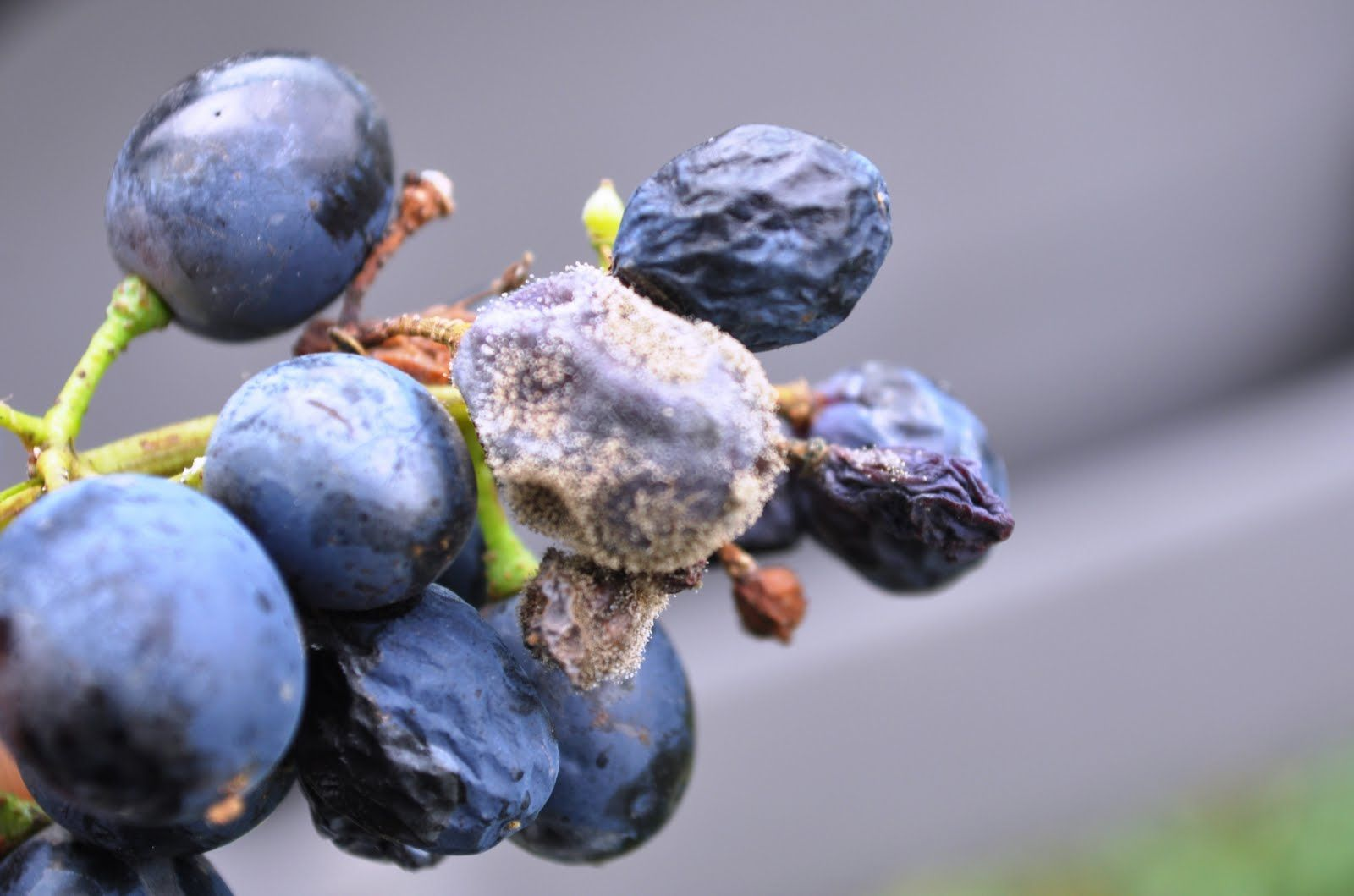
Myriad challenges keep winemakers up at night. Don't let rot-affected fruit be one of them. While daunting, rot doesn't have to define your wine. With proactive management and LAFFORT's targeted Rot Protocol, you can protect your wine's quality from vineyard to bottle. Our targeted approach: Vineyard/Crush: Bioprotection with EGIDE to safeguard fruit quality. Fermentation: Protective tannins & enzymes for clean extraction. Aging: EXTRALYSE to break down glucans for stability and clarity. Rot is a challenge, but it doesn't have to be a deal-breaker. Let's discuss a strategy for your cellar. Tap the link for our full Rot Protocol. Contact us - we're here to help.
00

As harvest progresses, wet conditions can increase the risk of Botrytis and other rots, especially when fruit remains on the vine longer than expected. Botrytis cinerea produces enzymes and compounds that can significantly compromise wine quality if not addressed quickly. The ATPGroup team has outlined practical steps to help winemakers minimize the impact of infected fruit and protect wine style. Key Strategies Assess & Plan. Benchmarks: <10% is manageable, >20% needs aggressive intervention. Test laccase levels if concerned. Pick and process cold. Lower temperatures slow the activity of Botrytis-related enzymes. Protect early. Add SOâ‚‚ as soon as possible to minimize oxidation and microbial growth. Use tannins wisely. Tannin additions help block damaging enzymes and protect color and flavor. Settle quickly. Minimize juice contact with infected lees by clarifying rapidly and efficiently. Ferment strong. Choose robust yeast and provide generous nutrition to overcom
00