
Filter Post Type
NewsVideoProductEventLink
Sort:
Most Recent
1–10 of 40

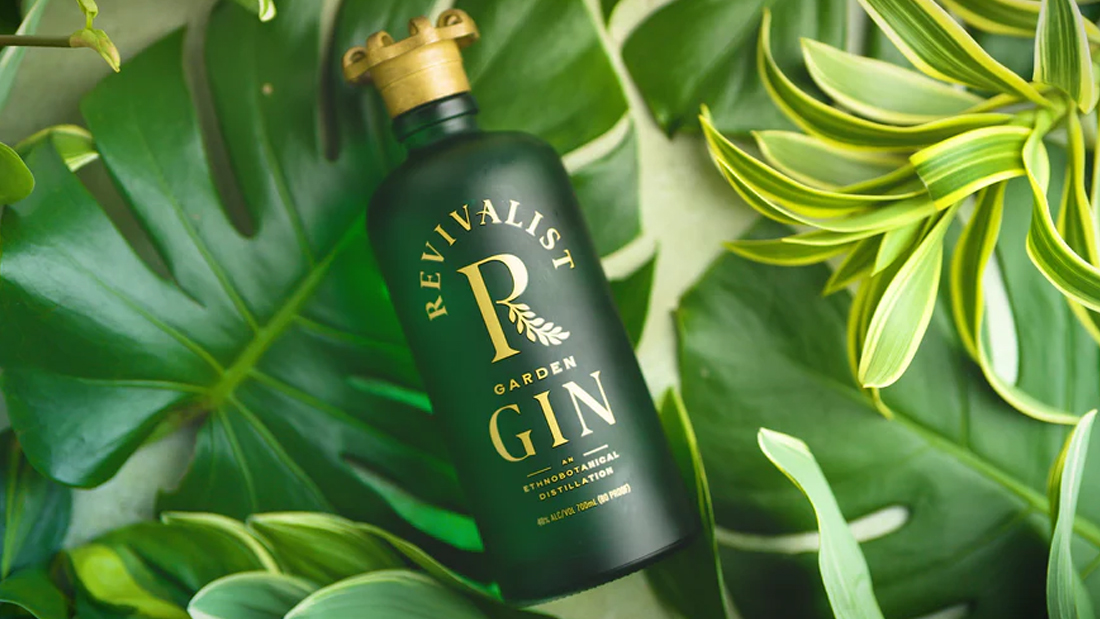
The wine and spirits industry is standing on the precipice of a major design evolution. For years, “premium” was defined by weight, excess, and tradition. For 2026, a new definition of luxury is emerging; one that values intelligence over mass, and tactile storytelling over simple visual appeal. For brand owners and procurement leaders, staying ahead of these glass packaging trends in 2026 is no longer just about aesthetics; it is a matter of strategic survival. From the rise of “quiet luxury” and right-weighted glass to the complex pressures of global supply chains, the packaging decisions made today will define brand resilience tomorrow. In this forecast, we explore how sustainable luxury, ergonomic innovation, and smart supply chain strategies are reshaping the premium landscape, and how Global Package provides the specialized glass solutions needed to help you navigate this future. The State of Glass Packaging for Wine & Spirits At Global Package, we&r
00

February 10, 2026

After 30 years of moving up and to the right, the American wine industry hit a wall. Not a temporary slowdown or a soft patch. A structural shift that requires a fundamentally different marketing playbook. 2025 was the reality check. 2026 is the year wineries either adapt or watch their customer base age out beneath them. The data is now unambiguous: wine sales dropped approximately 6% in 2024, marking the steepest decline in decades according to SipSource industry data. More troubling than the headline number is what's driving it. This isn't a recession blip or a bad vintage. It's a fundamental realignment of who drinks wine, how they buy it, and what they expect from the brands they choose. Here are the five trends reshaping the US wine market and what they mean for your brand's survival. The Demographic Disruption The wine industry built its growth on one generation: Baby Boomers. That generation is now aging out. The Wine Market Council's 2025 U.S. Consumer Ben
00
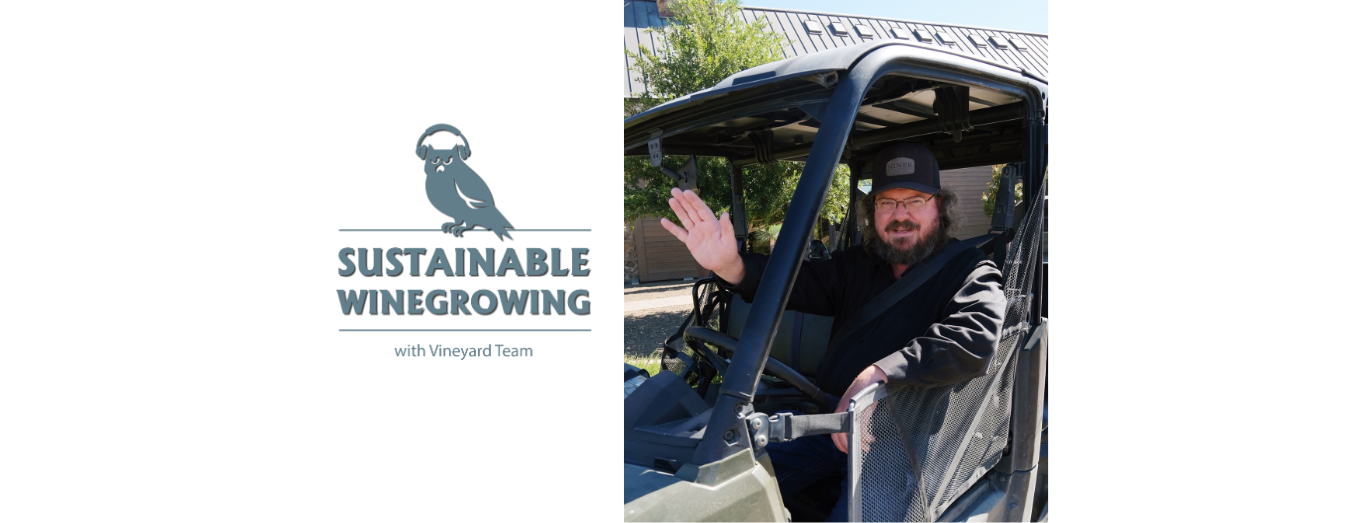
When we launched the Sustainable Winegrowing Podcast in 2016, we weren’t sure where it would go. Now, 300 episodes later, it’s become a go-to resource for growers, researchers, educators, and wine industry professionals dedicated to sustainability. To mark this milestone, we flipped the mic around and interviewed our host, Craig Macmillan, PhD — long-time vineyard and winery professional, educator, and now podcasting veteran — to reflect on some favorite episodes, meaningful moments, and what’s ahead. From Zoom Recordings to Global Reach Craig began hosting when the podcast was just an idea sparked by the Vineyard Team’s goal to make sustainable winegrowing knowledge more accessible. “I wasn't a podcast listener at all,” Craig admits. “But I said sure, why not? Let's try it.” Since then, the show has featured scientists, growers, and innovators from all over the world, creating a ripple effect of conversations and c
00
October 1, 2025
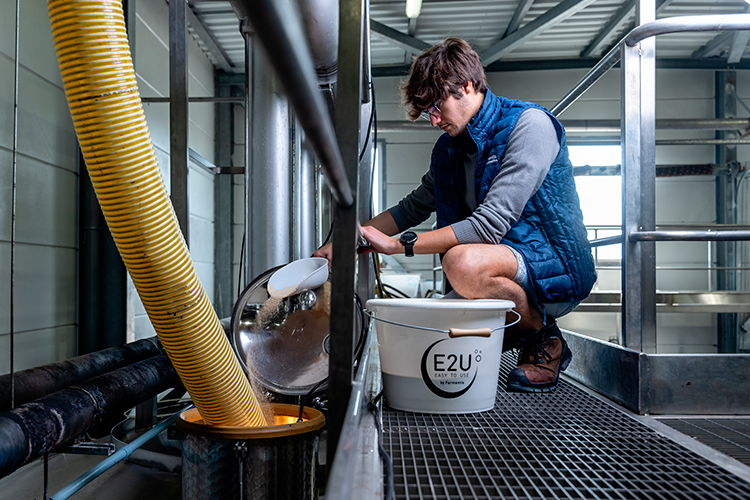
As a wine consumer, if you are looking for qualitative low-to-no-sulfite wines, you know it can be challenging. As a winemaker, if you are trying to craft wines with lower levels of sulfites, you know it is difficult to achieve. It requires a deep understanding of your processes, a solid knowledge of the science behind sulfites mechanisms of action, and continued efforts at all stages of your wine’s life cycle. The reasons why you are working on a low(er) SO2 winemaking program can be very diverse and multiple. You may be producing organic wines or simply trying to follow regulatory limits. You may be targeting to reduce the allergens in your wines or trying to use fewer chemicals in general. You may be worried about the negative effect that SO2 can have on your wines’ organoleptic qualities, or you are simply targeting to follow the overall health trend. In any case, Fermentis has solutions for you. As a global leader in the research and development of fermentation s
00
June 5, 2025
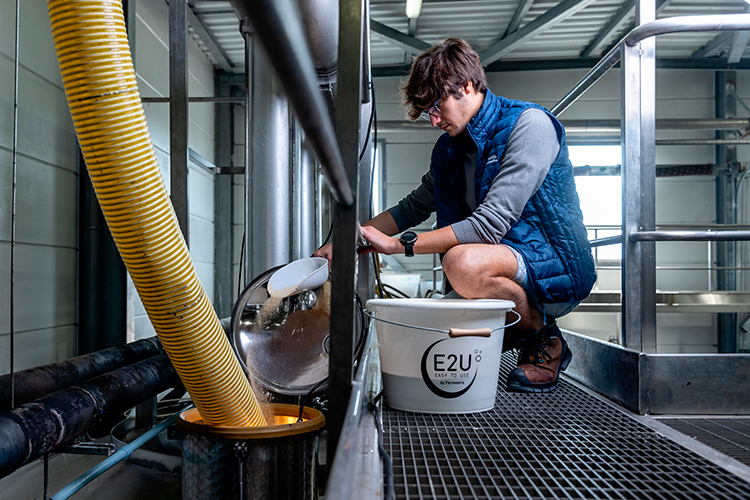
Lowering SO2 in Your Wine is Getting Easier With this New Bioprotection Solution As a wine consumer, if you are looking for qualitative low-to-no-sulfite wines, you know it can be challenging. As a winemaker, if you are trying to craft wines with lower levels of sulfites, you know it is difficult to achieve. It requires a deep understanding of your processes, a solid knowledge of the science behind sulfites mechanisms of action, and continued efforts at all stages of your wine’s life cycle. The reasons why you are working on a low(er) SO2 winemaking program can be very diverse and multiple. You may be producing organic wines or simply trying to follow regulatory limits. You may be targeting to reduce the allergens in your wines or trying to use fewer chemicals in general. You may be worried about the negative effect that SO2 can have on your wines’ organoleptic qualities, or you are simply targeting to follow the overall health trend. In any case, Fermentis has solu
00
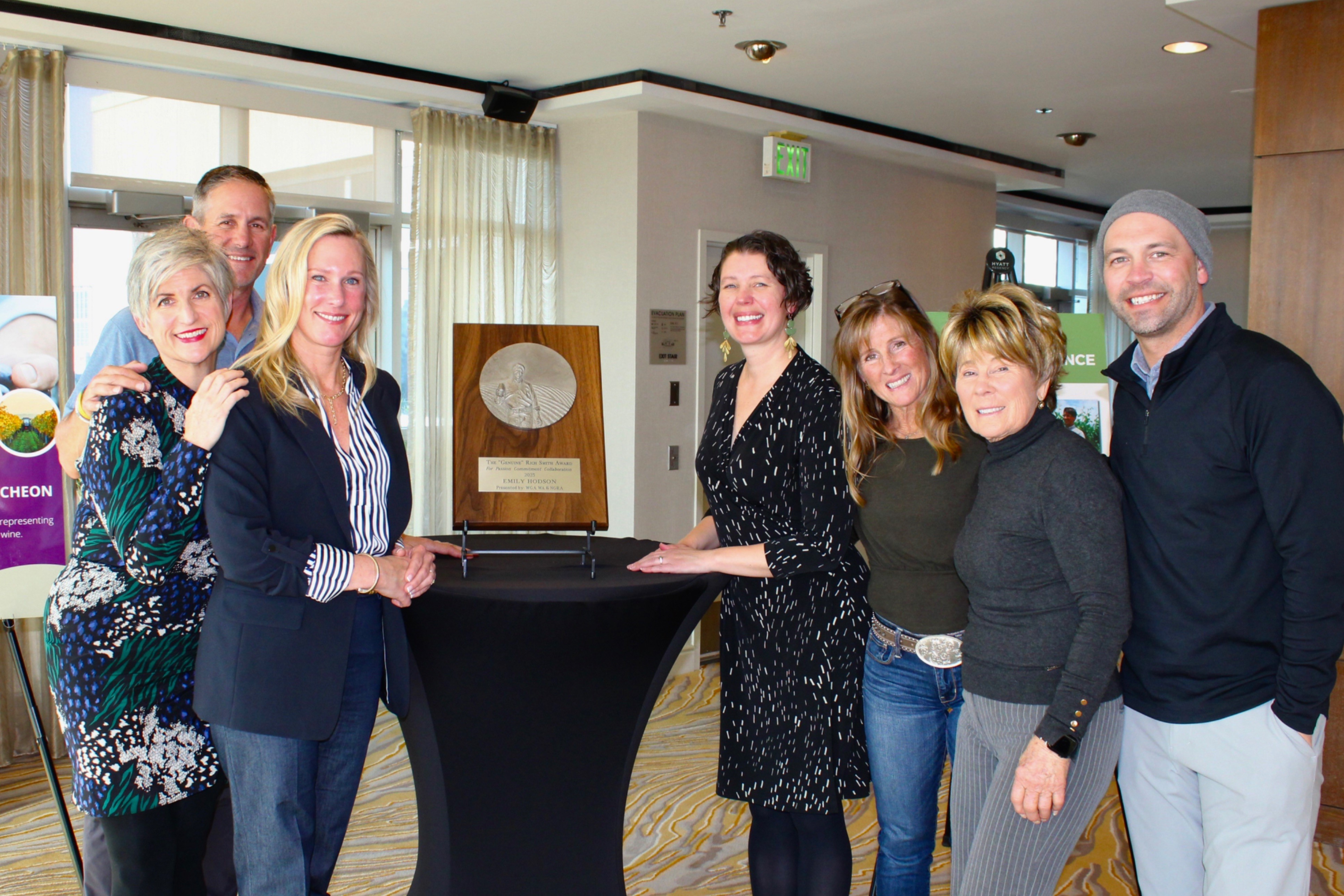
The ninth annual Rich Smith Award of Excellence for outstanding contributions to the American grape and wine industry was presented today to Emily Hodson, the winemaker at Veritas Vineyards and Winery, a co-owner of Flying Fox Vineyards and Winery, and an active leader in the Virginia wine industry. Members of the Smith family and sponsoring organizations present the Rich Smith award to Emily Hodson (third from left). The prestigious award annually reflects the spirit and accomplishments of the late Richard (Rich) Smith, founder of Valley Farm Management and Smith Family Wines in California’s Santa Lucia Highlands wine region in Monterey County. Rich was first and foremost a family man, but also a successful grape grower and winery owner, and a highly respected colleague known for the combination of passion, commitment and collaboration which helped advance the American grape and wine industry. Ever since Rich passed away in December 2015, three organizations—WineAmerica, N
00
November 13, 2024
DH Wine Compliance, founded by CEO and compliance consultant Drea Helfer in 2010, is valued by its clients for two key characteristics: expertly managing wine compliance for winery clients and a culture committed to exceptional customer service. Helfer’s dedication to fostering a positive workplace culture is a significant part of the company’s strong customer service reputation. “I’m passionate about our culture,” she explains. An internal culture where employees are happy has a trickle-down effect. It means they will go the extra mile for our winery customers.” The company has continued to maintain the quality of its culture while it has grown over the years. Today, DHWC is one of the largest compliance firms in the US. In recent years, DH Wine Compliance has embraced a more collaborative approach to customer service with wineries. This approach involves cross-functional teams composed of specialists from four distinct departments: Cal-Fed Operatio
00

Sustainable Ag Expo I November 12 I 10:30-11:15 am SmartFarm is an open source computing system that combines advances in AI, the Internet of Things (IoT), and cloud computing to support applications in digital agriculture. SmartFarm simplifies the use of these advances and can run on-farm (to keep farm data private) while it efficiently and intelligently controls on-farm operations (sensing, robotics, irrigation, and others). CE Approved: 1 CCA - PV GET TICKETS --- Chandra Krintz is a Professor of Computer Science at the University of California, Santa Barbara (UCSB) and co-founder and Chief Scientist of AppScale Systems, Inc. She joined the UCSB faculty in 2001 after receiving her M.S. and Ph.D. degrees in Computer Science from the University of California, San Diego (UCSD). Chandra has led a number of different research projects that have advanced the state-of-the-art in programming and distributed systems in ways that improve performanc
00
October 9, 2024

Assessing the Feasibility of Regenerative Management for California Vineyards Sustainable Ag Expo I November 13 I 9:00-10:00 am This presentation will show the preliminary results of a three-year, large-scale project performed in various vineyards in California. The project explores the benefits and tradeoffs of compost use, no-till, and sheep grazing for soil health, vine yield, and nutrition. The presentation also includes an economic analysis of the practices. Get tickets here! --- Dr. Lazcano currently leads a team of 20 researchers at different career stages and from different backgrounds, focused on understanding the links between soil biodiversity and agroecosystem functioning. The goal of her research is to generate ecologically based soil management strategies that will reduce the environmental footprint of agriculture, with a strong focus on winegrape production. Through on farm collaborative research, Dr. Lazcano hopes to h
00

June 26, 2024

The American Vineyard Foundation Announces Funding for Industry Research in 2024
June 26th – The American Vineyard Foundation (AVF) has announced its 2024/2025 funding allocations for a dozen projects addressing critical viticulture and enology research needs. The AVF relies on voluntary […]
00