
Filter Post Type
NewsVideoProductEventLink
Sort:
Most Recent
1–10 of 44
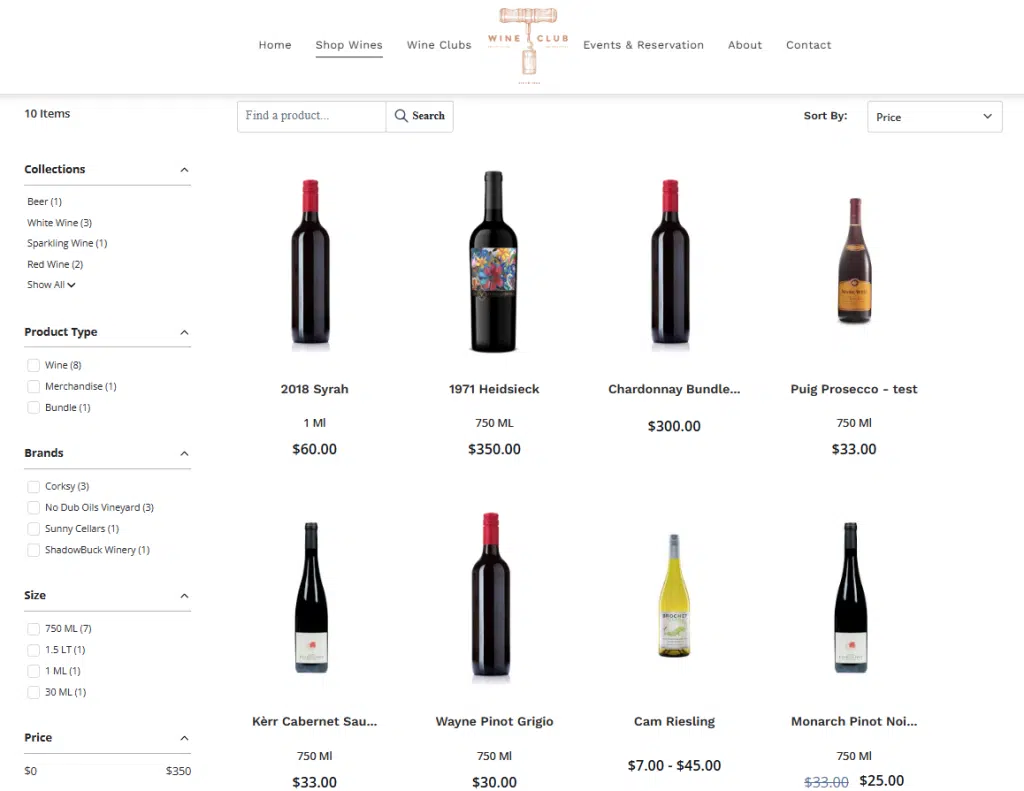
A few years ago at the DTC Wine Symposium, a panelist joked about the modern winery website formula: the guy, the dog, the truck, and the vineyard. Beautiful backdrop, strong lifestyle photography, a thoughtful founder story. Polished, absolutely. Strategically distinct, rarely. The critique wasn’t about branding. It was about structure. Most winery websites aren’t broken, but they aren’t built as decision environments either. Calls to action are unclear, revenue pathways are buried, shipping surprises appear late, and wine club often lives in isolation instead of throughout the buying journey. After auditing winery sites across regions and production sizes, the pattern is consistent: performance is constrained by friction, not effort. Most wineries don’t have a traffic problem. They have a conversion architecture problem. Before increasing ad spend or launching another promotion, run a winery website audit — on your phone. Start at the homepage and move t
00
March 2, 2026
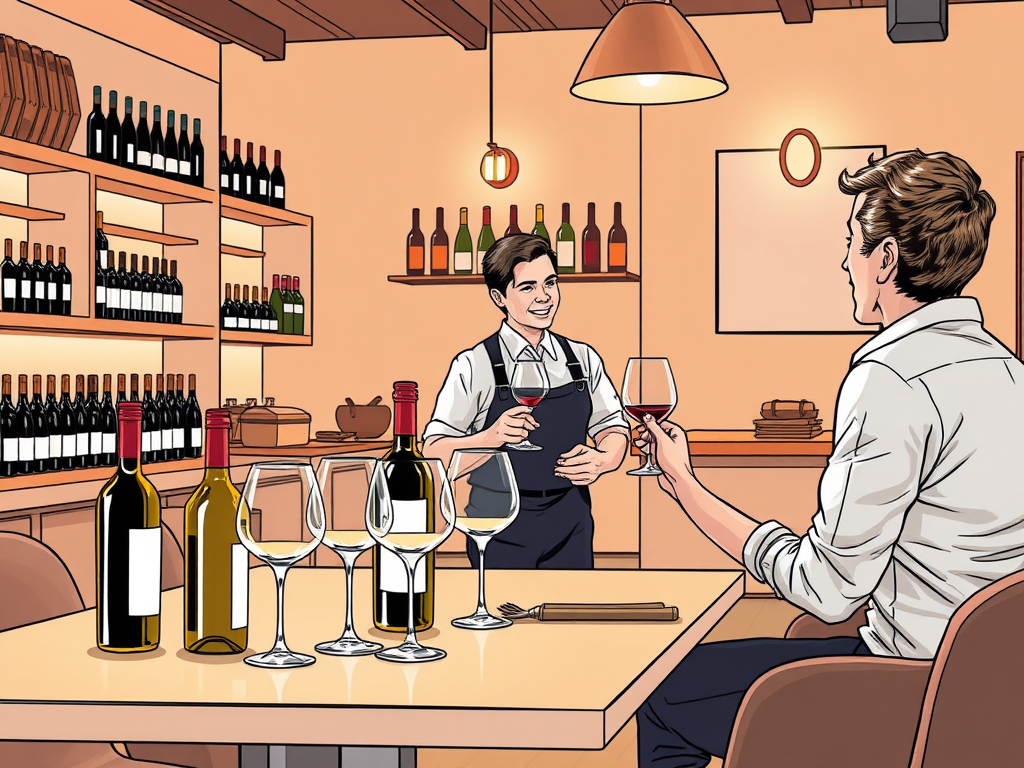
We call it a Tasting Room, when it’s really a Sales Room. Why is that? After the repeal of Prohibition in 1933, wineries re-opened in an environment where the government was highly suspicious of any and all alcohol sales. On-premise consumption was restricted and considered the purview of saloons, which were vilified during the years of Prohibition. So, to comply with laws and distinguish themselves as places of refined moderation, wineries leaned into “tasting,” not drinking. The Tasting Room became the winery’s sales room. Over the decades, tasting rooms have become places of hospitality, education, and increasingly, dinner (or lunch). Along the way, the primary role of the tasting room—to form a connection with the consumer for the purpose of selling wine—got lost. Now, I recognize that I’m being hyperbolic here. In the contracting market we’re living in, too many wineries are focusing only on the hospitality aspect. They need to lean
10
February 6, 2026
My positive takeaways from Oregon Wine Symposium 2026 is that the wine industry has no shortage of opportunities right now. What is changing however is how clearly those opportunities are communicated and discovered. As consumers increasingly turn to AI to help them choose what to drink, where to go, and what fits their lifestyle, the wineries that articulate these wins clearly will be the ones that show up in the world of 'AI intent!' Here are my 10 ways the wine business can win in 2026 and why embracing AI now can help make them visible. Top 10 Ways the Wine Business Can Win in 2026 1. Lead with flavor, not labels Consumers want to know what it tastes like, not what it’s called. Clear flavor language helps AI and people understand wines faster. 2. Whites and lighter styles are growth engines White wines and blends align with affordability, freshness, and everyday occasions. Explaining why they fit modern lifestyles improves discovery. 3. “Better for you” ne
00

December is when winery commerce systems reveal their true strengths — and their limitations. Busy tasting rooms. Holiday gift orders. Club shipments. Online traffic spikes. Staff moving fast across multiple channels. This is the moment when technology either supports growth — or quietly slows it down. The Difference Isn’t Just Sales. It’s Conversion. Most winery platforms can process transactions. Fewer are designed to support hospitality-driven conversion — turning visitors into buyers, buyers into members, and seasonal traffic into long-term relationships. That distinction becomes especially clear during the year’s final sales push. What High-Performing Wineries Do Differently They Use POS Systems Built for Hospitality High-volume tasting rooms need more than a checkout screen. The strongest systems support: fast, browser-based performance (no app lag) tabs, tables, flights, and food service quick workflows that keep staff present with guests
00
December 15, 2025
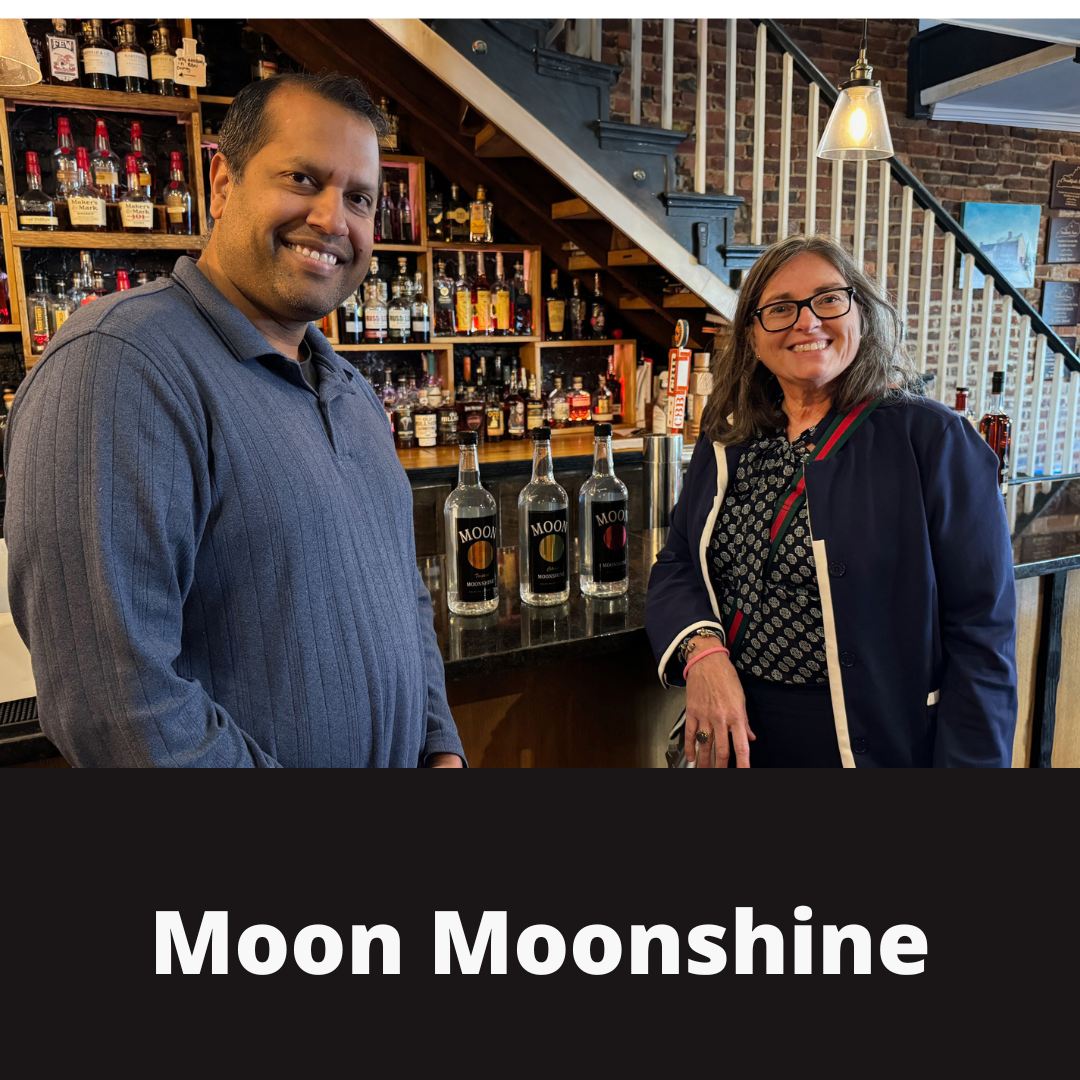
Forget the harsh, high-proof jars of yesteryear. This is Moon Moonshine, a modern spirit for a modern drinker: smooth, flavorful, mixable, and built for today’s drinkers. It’s low sugar, low calories, no artificial ingredients, and has a lighter, smoother finish than most tequila or whiskey. Crafted in Kentucky with non-GMO corn, premium limestone and shale–filtered spring water, and distilled in copper pot stills, Moon Moonshine delivers a clean, contemporary take on America’s original spirit. Three all-natural flavors—Citrus, Berry, and Tropical—come in at 35% ABV. Launched just four months ago, the brand is already picking up major traction in Florida. College bars, beach bars, cocktail bars—they’re all leaning in. And with good reason: Moon Moonshine is easy, versatile, and profitable for Buyers. “Moon Moonshine takes a timeless spirit and gives it a bold, modern twist. We wanted a people-forward brand that’s s
00

December 2, 2025

HOW TO KEEP YOUR BRAND TOP OF MIND WHEN CUSTOMERS ARE DROWNING IN HOLIDAY EMAILS The inbox in December isn’t a communication tool—it’s a full-contact sport. Every brand, from the global megastore to the local dog bakery, is shouting their way into people’s attention span with flashing subject lines, endless exclamation points, and “40% OFF” hysteria that blurs into static. Consumers don’t read; they scan for relief. According to Mailjet’s 2024 BFCM report, holiday email volume jumps nearly 80% between Thanksgiving and Christmas, while average open rates drop to 13–15%—a statistical cry for help. But the real problem isn’t quantity—it’s tone. Every brand is talking at their audience instead of with them. The louder the messaging, the less people listen. Leading with prices and panic doesn’t inspire trust; it triggers fatigue. That’s your opportunity. The brands that win the inbox aren’t the
00

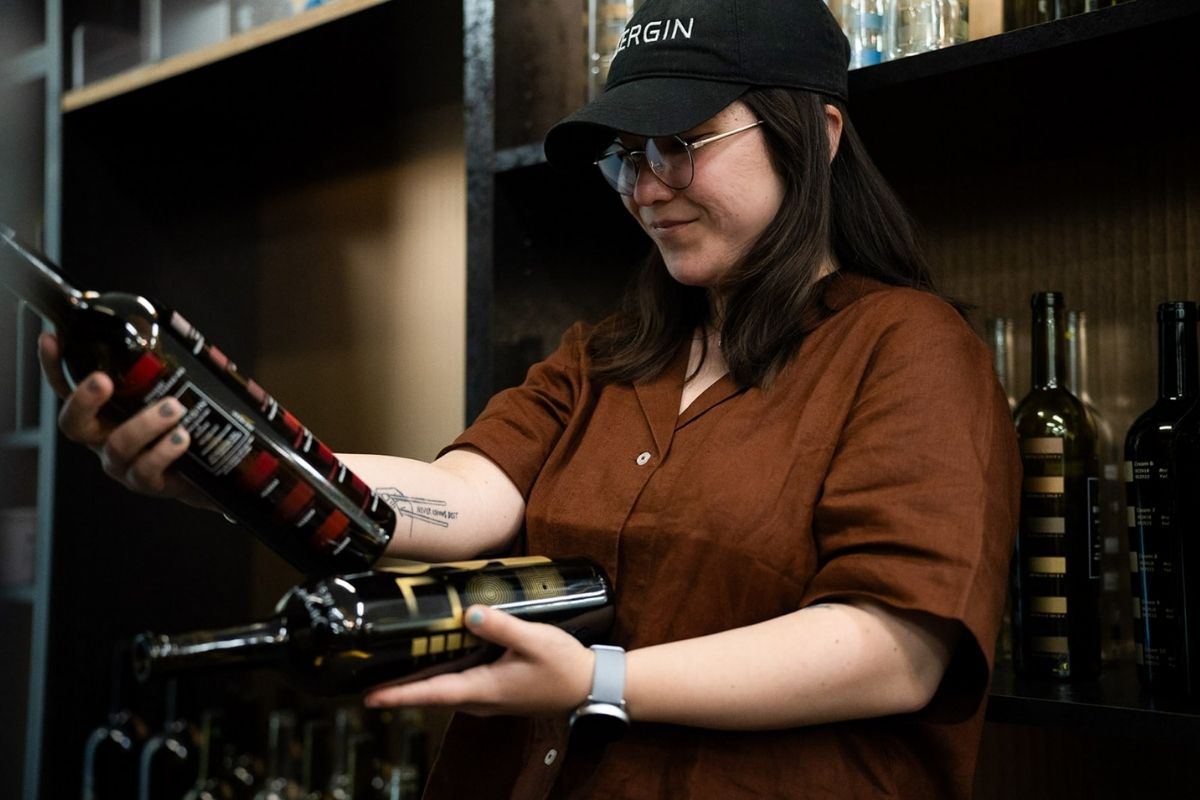
Over thirty-five years of crafting wine bottle labels in Napa Valley has taught us something essential: wine packaging trends aren’t just about following fashion – they’re about understanding how design psychology translates into purchasing decisions. When a winery invests in thoughtful packaging, they’re not just decorating bottles; they’re building brand equity that drives measurable sales growth. If you’re looking for insight into where packaging is headed and how it shapes the customer experience, we invite you to read along. Here’s a glimpse of what we cover: Why Wine Packaging Design Drives Sales for Wineries – How packaging functions as a silent sales team and the shift from shelf appeal to brand storytelling. How Packaging Impacts First-Time vs. Repeat Purchases – What captures new buyers’ attention and keeps loyal customers coming back. Segmenting Wine Consumers by Packaging Preferences – What different dem
00
November 18, 2025

If your winery’s December felt like a sugar high followed by a January hangover, congratulations—you’re in the club. The holiday season brings out the best and worst of wine marketing. We see a flurry of emails, social posts, pop-up bundles, and panicked “last chance for shipping!” reminders that make even Santa unsubscribe. But behind all that glitter and noise sits something actually useful: data. And data, unlike mistletoe or tinsel, ages beautifully—if you know how to use it. Day 1: The Ghost of Open Rates Past Let’s start with the easy one. You sent fifteen emails between Thanksgiving and New Year’s, and shocker—open rates dropped after the first week. This isn’t your subscribers turning into Grinches; it’s list fatigue. Consumers are bombarded with messages from every brand they’ve ever accidentally clicked “subscribe” on. The fix: cut your frequency, not your revenue. Segment your list by engage
00
November 4, 2025
5 Ways Your Winery Can Strengthen Customer Connections (and Sales) This Holiday Season 5 Ways Your Winery Can Strengthen Customer Connections (and Sales) This Holiday Season The holidays aren’t just busy, they’re your best chance to turn quick questions into lasting loyalty. Today’s shoppers are scrolling on phones, not standing at the tasting bar. The wineries winning December bring tasting-room warmth online with guest-first DTC moves. 1 Real-time webchat Turn Browsers into Buyers with Real-Time Webchat Bring hospitality to your website: help gift-givers pick the right bottle, answer shipping questions, and keep carts from drifting. RedChirp integrates with vinSUITE, so conversations save to the customer profile for thoughtful follow-ups and personalized offers. Prompt ideas for staff: Who is the gift for? What’s the budget? Red, white, or sparkling? Favorite foods? Learn more: RedChirp • vinSUITE eCommerce 2 Segmentation Reconnect with the Customers Who
DTC winedigital hospitalityholiday wine saleswinery eCommercewine club growthwine club retentioncustomer segmentationListBuilderreal-time webchatRedChirpgiftinggift cardsValutecwine club giftingbundles and kitskiosk modeQR codestasting room to onlinepromo schedulingpromo consistencyPOS promotionsshipping offerscustomer experienceconversion raterepeat buyers
00

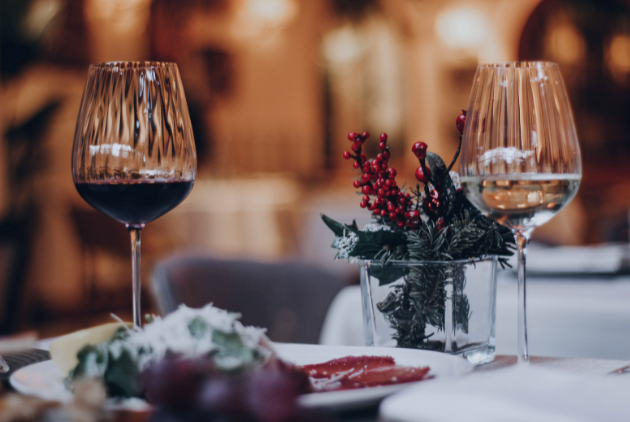
In our most recent Free Training Friday, we focused on one thing: helping wineries convert holiday browsers into buyers. With peak shopping season approaching, this session was all about small, actionable tweaks you can make right now to ensure your site is ready when customers start searching for gifts. 1. Make Holiday Intent Obvious When shoppers land on your homepage, they're looking for one thing: the confidence that you can help them find (and ship) the perfect gift on time. That's why it's so important to give them clear visual and navigational cues that say, "Yes, we've got you covered." That doesn't mean covering your site in red and green. Instead, aim for subtle seasonal touches that align with your brand, like warm seasonal messaging, photography, or gift-centric cues. Two Key Updates to Add Now: Shipping Timelines: Clearly state cutoff dates ("Order by Dec 18 for delivery by Dec 24"). Corporate Gifting Entry: Include an entry po
00