
Filter Post Type
NewsVideoProductEventLink
Sort:
Most Recent
1–10 of 11
April 3, 2026

Top Line Water is one of the most critical—and increasingly scrutinized—resources in modern winemaking. From cleaning tanks and floors to maintaining oak barrels, cellar operations can consume thousands of gallons daily. With rising sustainability expectations and operational costs, reducing water use is not just good for the environment, it is good for business. Water conservation is becoming an issue in modern winemaking. In the past, much of the conversation centered around vineyard irrigation. Today, one of the most overlooked areas of water consumption occurs in the cleaning and maintenance of barrels. Small efficiency improvements per barrel can translate into thousands of gallons saved per year in your operation. The Challenge Traditional oak barrels, while prized for the unique flavor addition and maturation with O2, also come with a significant sustainability issue: water usage. Cleaning and sanitizing an oak barrel typically require several high-impact water even
00


October 6, 2025

Today’s wine consumers are increasingly focused on sustainability, pushing wineries to reduce water use, limit chemicals, and improve overall efficiency — all without compromising wine quality. Meeting these expectations requires innovative systems that make operations cleaner, faster, and more resource-efficient. Spraying Systems Co. helps wineries achieve exactly that. Their Cloud-Sellers® Tank Cleaning and WindJet® Drying Systems are designed to minimize waste and energy consumption while maintaining high production standards. The Cloud-Sellers® 360 Tank Cleaner and TankJet® Nozzles deliver powerful, uniform cleaning with less water and reduced cycle times, helping wineries save both time and resources. Meanwhile, WindJet® Air Knife Systems use clean, heated air to dry bottles and containers quickly and efficiently — cutting energy use and reducing the need for compressed air. By integrating these sustainable solutions, wineries can l
00
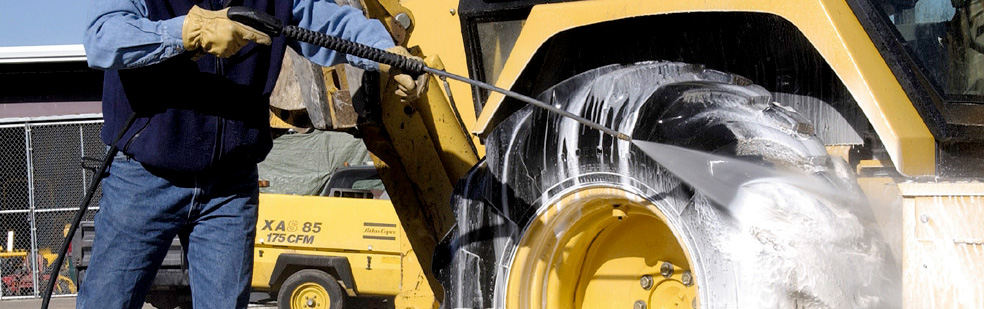
Not all detergents work the same way. If you’re using the wrong scrubbing bubbles you – and your equipment – will be sorry. Using the wrong detergent in your commercial or industrial pressure washer can set you up for everything from poor cleaning results to damaging your equipment and costing you big bucks. Do you know the 5 warning signs you’re using the wrong detergent? 5 Signs You’re Using The Wrong Detergent With Your Pressure Washer Choosing the right detergent is crucial when it comes to maintaining your commercial or industrial pressure washer. But did you know that detergents are not interchangeable because each one is formulated to deliver specific results? Using an incompatible or ineffective detergent can lead to a variety of problems, from way too many sudsy bubbles clogging the works to poor cleaning outcomes to damage to your equipment. Check out these are five signs that signal you might be using the wrong detergent with your pressure wash
00
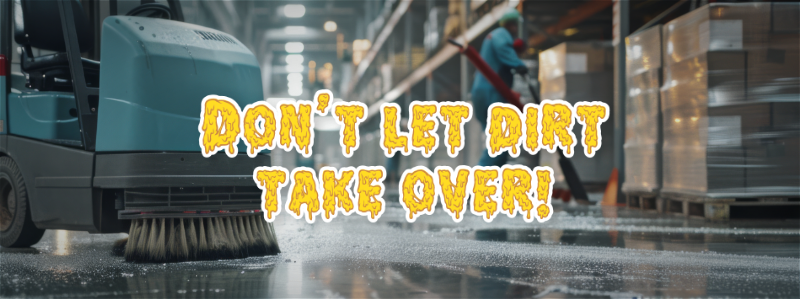
Dirt, grease, grime – they’re sticky, smelly, even gross – and they have one job at your facility. To stay put and resist all attempts at cleaning. And you may be helping them to stay put! “Wait a sec!” you say. ‘We use pressure washers and floor scrubbers regularly.” Great! But if you don’t regularly maintain and service your equipment, performance can steadily decline over time – and cost you. The result? Sub-standard cleaning that you may not even realize is happening until the cracks ooze dirt and your shoes stick or slip to the floors. Are you OK with that? Today, companies are working hard to save money, and that includes seeking to extend equipment life. But there comes a point where your machines need help – and ignoring it can cost you. Here are 8 critical warning signs that your cleaning equipment is failing to evict the dirt. Pressure washers – Warning Signs Did you know? Regular maintenance sig
00
Reducing Spray Drift and Chemical Waste Spraying vineyards with pesticides and fungicides can often result in drift, leading to inefficient application and environmental damage. Wineries are under increasing pressure to reduce chemical usage and minimize spray drift. Solution: Low-Drift Nozzles from Spraying Systems Co. Spraying Systems Co. offers advanced Low-Drift Nozzles and TankJet® Nozzles designed to reduce spray drift, providing more precise application of chemicals. These nozzles minimize waste, reduce environmental impact, and ensure better treatment coverage for the vines. How It Works: Low-Drift Nozzles create larger droplets that fall directly onto the vines, minimizing drift and ensuring that chemicals are applied more efficiently. TankJet® Nozzles offer customizable spray patterns, allowing you to adjust the nozzle to match your specific needs, whether you're spraying large areas or hard-to-reach spots in the vineyard. These technologies help you reduce che
00
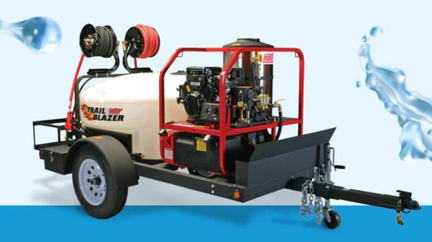
Pressure washer trailers provide the benefits of mobility for easy transport to job sites, versatility for diverse applications, efficiency with high-pressure and cold or hot water cleaning, and freedom from having to plug-in with cordless power and onboard water tanks for remote operation. We can put together the right mobile cleaning trailer that’s right for your needs. They come in a variety of shapes and sizes, but a few key components remain the same: Trailer: Single or double axle trailer with a sturdy frame, wheels and a towing hitch. For added weather protection, start with an enclosed truck or van. Pressure Washer: Choose a high-pressure washer with a powerful engine and high-pressure pump with a heater for hot water industrial cleaning. For remote sites without access to a power source, choose a pressure washer with a gas or diesel engine. Water Tank: A large-capacity tank to store water, enabling the pressure washer to be used in locations without direct water access.
00
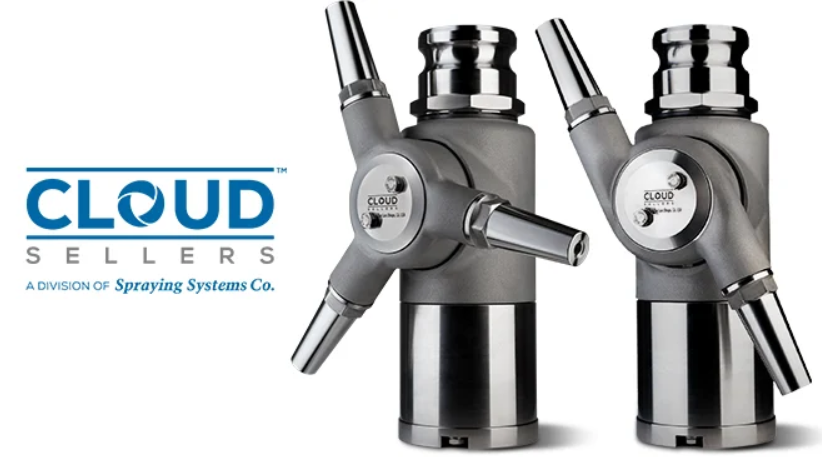
The Cloud-Sellers™ 360 Fluid-driven Tank Cleaner for tanks up to 100’ (30 m) in diameter – this powerful fluid-driven machine offers the most consistent impact over the entire pressure range. High-impact cleaning removes even the most stubborn residues efficiently and effectively so tanks can be returned to service quickly. Available with 2 or 3 nozzles, the Model 360 features gear ratio options and food-grade oil-lubricated or flow-through gearbox designs for maximum cleaning flexibility, predictability, and minimum cleaning cycle times. Learn more about the Cloud-Sellers 360 Tank Cleaner.
00
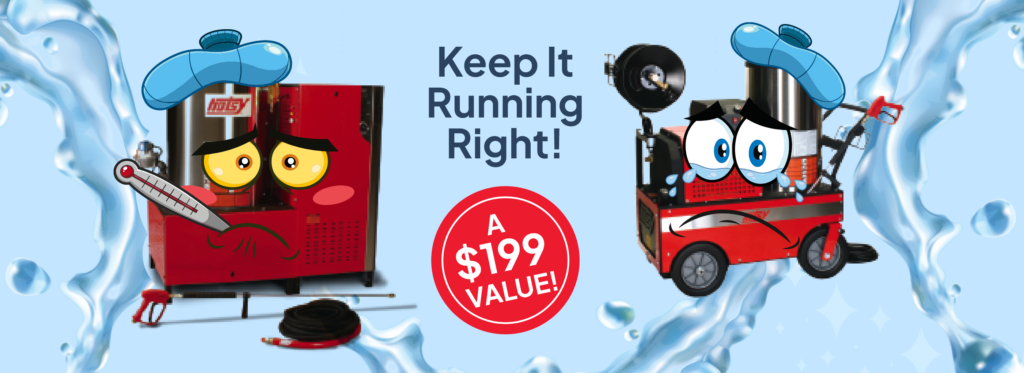
FREE 25-POINT MAINTENANCE INSPECTION – A $199 VALUE! Keep it running right! You can save time & money by keeping your cleaning & sanitizing pressure washer equipment running smoothly. Our Free 25 point inspection is for both infield and in-shop. Please note that for outside service, the free inspection will only be scheduled when we have another service call in the area. 25-POINT Scheduled Maintenance Checklist What’s included*: Check engine RPM or motor amperage Check pump oil condition Check pump oil levels; add or change oil as needed Check pump for proper operation and inspect for leaks Check engine oil condition Check engine oil level, add or change oil as needed Inspect engine oil filter Check drive belts for tension and wear; adjust Ensure belt guards are in place Check pressure and temperature levels; adjust Check coil for soot deposits and lime build up Check nozzles for damage or wear Check hoses for breaks or leaks Inspect trigger gun and wand Che
00


Reducing and managing winery wastewater goes beyond complying with regulations or being kind to the environment. It is a business initiative which is linked to efficiency and profit. The more water a winery consumes, and the more wastewater produced, the more it costs to treat the water, both in equipment needed and time. Understanding how a winery uses water and generates wastewater, both during vintage and non-vintage times, is the first step. From there, changes can be implemented to reduce how much wastewater is generated, and to improve the quality of that wastewater. BENEFITS OF MANAGING WINERY WASTEWATER A winery can greatly improve production efficiency and reduce costs by creating and maintaining an efficient operational flow, which includes reducing and managing water usage. Streamlining cleaning processes reduces time and therefore labor and chemical costs. Using less water also means a reduction in water supply costs and wastewater disposal fees. Properly treated wast
00