
Filter Post Type
NewsVideoProductEventLink
Sort:
Most Recent
1–10 of 29

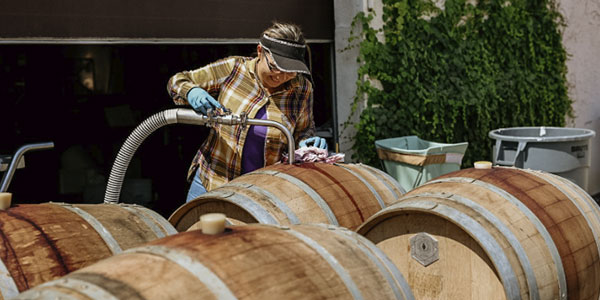
Membrane filter cartridges are an essential tool for wine clarity and microbiological stability, but they do not have to be a disposable expense. With the right regeneration practices, wineries can restore flow, maintain sterility, and significantly extend cartridge life, which reduces both cost and waste. Instead of replacing filters as soon as they show pressure spikes or reduced throughput, regeneration allows winemakers to return a used cartridge to near-new performance. The result is better filtration economics and more predictable bottling runs. The Case for Regeneration ✔ Restores flow and keeps pressures low ✔ Preserves pore integrity for sterile filtration ✔ Minimizes premature replacement ✔ Reduces landfill waste and supplier spend ✔ Protects wine quality through consistent performance Most clogged filters are not worn out. They are simply loaded with colloids, yeast, and fine solids. Regeneration removes that load and resets the membrane. Typical Regenera
00

Custom Crush + AP Space Available – Turnkey Winemaking in Paso Robles Located just off Highway 46 West in Paso Robles, Fortress Custom Crush is now accepting clients for the 2025 harvest, offering turnkey winemaking services scalable from 1 to 200+ tons. Benefit from top-tier equipment such as Puleo bladder presses, Carlsen destemmers, jacketed stainless tanks, and concrete/oak fermenters, backed by full lab services, Vintrace compliance tracking, and a sustainability-driven philosophy. Led by acclaimed winemaker Jeremy Leffert, whose team has crafted over 48 wines scoring 94+ points, the facility delivers high-touch expertise, AP support, and access to The Anderson, a collaborative tasting and events venue. Whether launching a label or ramping up production, Fortress provides the precision, partnership, and flexibility to bring your winemaking vision to life, reserve your space now before harvest capacity fills. View Listing Explore by Category Grapes Bulk Wine Shiners Pr
00
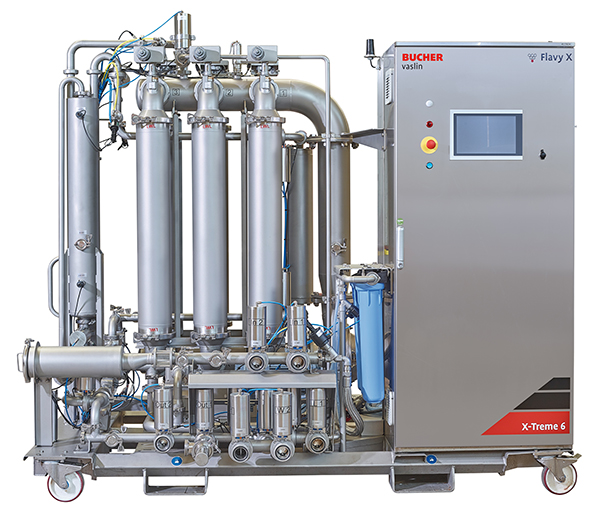
Wine filtration addresses unappealing murkiness or deposits, a process that goes back to the origin of wine. Over the centuries, the means of filtration have evolved from fabrics to industrial filters to sedimentation, filtration plates, and membranes. Conventional filtration moves the juice or wine perpendicularly through the filter. This transversal filtration leads to the accumulation or caking of microorganisms and particles that result in cloudiness on the filter, which increases hydraulic resistance and reduces output volume. Bucher Vaslin, a producer of high-end winery processing equipment sold worldwide, recently introduced the latest iteration of its cross-flow filtration machinery, the Flavy X-Treme 3-in-1. This innovative and unique machine allows winemakers to filter wine, juice lees, and wine lees in a single machine. Additionally, it recovers a significant portion of previously wasted lees, increasing the quantity of saleable wine. Utilizing these recovered lees, cross-
00
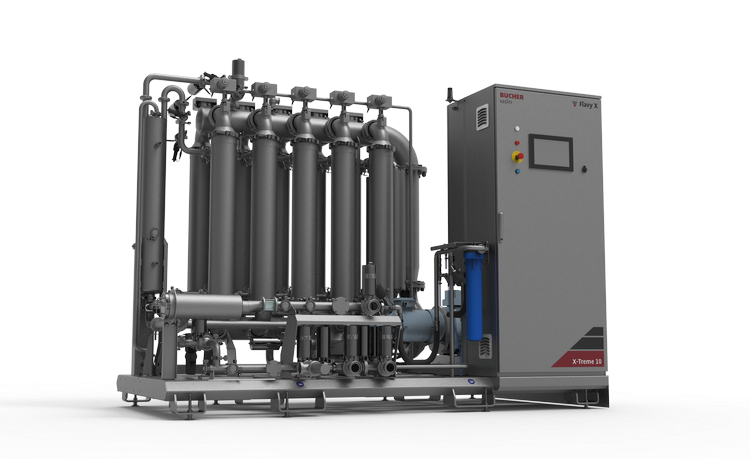
Revolutionary Filtration Solutions: Flavy X-Treme 3in1 The Flavy X-Treme filter, known for its exceptional performance, is the preferred choice for wineries. You can now filter wine, juice lees, wine lees with the same filter and same membranes. Unique expertise: The Flavy X-Treme filter is market-recognized for delivering optimal performance, including flow rate and juice recovery. Clogging control, concentration management, a gentle process, and a high-performance filtration membrane ensure stable flow rates throughout filtration. Coupled with the DB pre-filter, it efficiently eliminates coarse elements from the must, enhancing overall filtration quality. A wide range of applications: The versatile Flavy X-Treme filter efficiently treats sedimentation and flotation lees. It easily handles lees treated with oenological products like bentonite, activated carbon, PVPP, gelatin, pea protein, etc. Suitable for filtering all wine types, it offers broad applicability. Low environ
00


The Vitipore II PVDF final membrane offers: Lowest protein and color binding Highest membrane area and number of pleats per device Most throughput Higher membrane robustness and stress tolerance Most reliable integrity testing To achieve the best process economics an efficient winery must operate on a Total Cost of Filtration basis. This recognizes that superior filter performance will yield better economics over time. Filter cost must consider total gallons throughput per change-out. A Total Cost of Filtration approach also realizes that factors influenced by filter performance are often more costly than the filters themselves. TECHNICAL APPLICATION BRIEFS Gusmer Enterprises offers a short library of technical briefs to assist you with your filtration needs. Click on the links to learn more! MP 01 - Cartridge Cleaning Sanitazatio
00
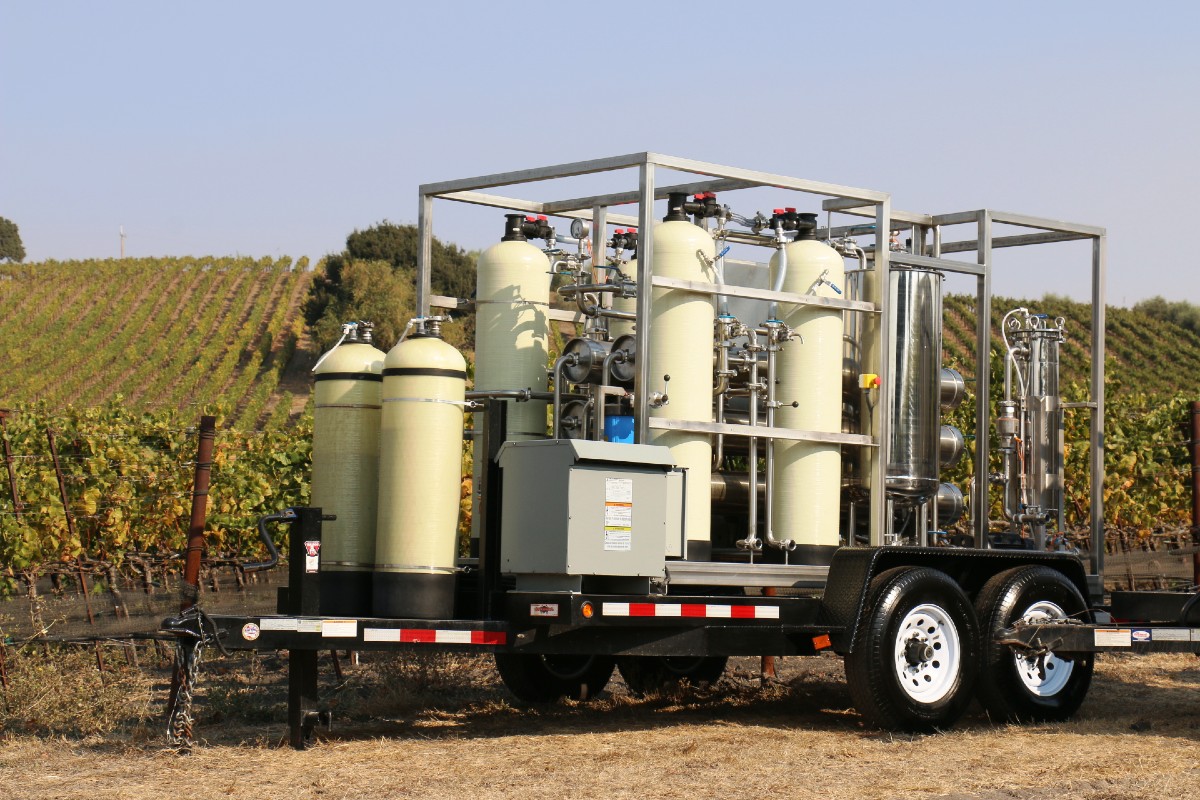
What’s a winemaker to do when cool weather persists and Brix levels aren’t rising? Spring rains delayed the grape harvest by nearly a month, jeopardizing grape maturity as summer closed and temperatures cooled. Many vineyards are seeing persistently low Brix levels, causing worries among winemakers that temperatures won’t rise enough for grapes to reach optimal sugar levels before harvest. “Last year at this time, I was getting calls that juice had high VA [volatile acidity] levels,” says Bryan Tudhope, Founder and CEO of VA Filtration. “This year, they’re asking, ‘What are my options for fixing juice with low Brix levels? What can I do with high levels of Methoxypyrazines?’ These early calls are canaries in the coal mine. I expect the challenge for winemakers will be far-reaching unless we see sustained warmth through October.” Calling the right moment to harvest is difficult, even in a typical year. In 2023, the deluge of s
00
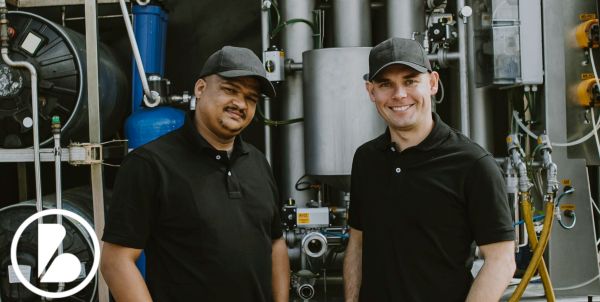
BevZero Team with Cross Flow EquipmentAmong the many services BevZero offers to winemakers, one stands out for its ability to elevate wine quality while enhancing production efficiency: crossflow filtration. Crossflow filtration is a technique widely used in the wine industry for the clarification and filtration of wine. It is a more advanced and efficient method compared to traditional filtration methods such as pad or diatomaceous earth filtration. In crossflow filtration, wine is passed across a filtration membrane under pressure. Unlike other filtration methods where the liquid flows perpendicular to the filter media, in crossflow filtration, the liquid flows tangentially across the membrane surface. This creates a crossflow effect, where a portion of the wine passes through the membrane while the majority of the liquid and suspended solids flow tangentially along the membrane surface. BevZero offers crossflow filtration services, down to 0.45 micron, to be used prior to rev
00
June 9, 2023
ATPGroup offers winemakers the opportunity to access cutting-edge equipment for medium- and long-term rentals. This invaluable service empowers wineries of all scales to elevate their craft without an upfront financial investment and provides a solution during busy harvest seasons or unexpected equipment breakdowns. As the exclusive U.S. distributor for renowned equipment manufacturers such as TMCI Padovan, SPXFLOW, and Parsec, ATPGroup remains at the forefront of the winemaking industry, constantly delivering the most advanced and high-quality solutions to winemakers across the country. ATPGroup's rental program showcases an impressive line-up of equipment. Among the offerings are the TMCI Padovan Dynamos Cross-Flow Filter and the TMCI Padovan Taylo Rotary Vacuum Filter, both renowned for their exceptional performance in must, juice, and lees filtration. These machines bring unmatched efficiency and precision to the winemaking process, ensuring wines of unparalleled quality. Winem
00
October 17, 2022
The historically high heat spike in early September resulted in an unusually high level of dehydrated fruit in what was otherwise looking to be a bumper crop in Northern California. Estimates indicate the raisening of 20%-30% of the grapes, which means 20% or 30% lower tonnage. This accelerated raisening led many wineries and vineyard managers to harvest early to avoid the rain. "If it should have been 22-26 Brix and now it's over 30 Brix, that's a big difference, and there are reports of juice reaching 40 Brix or more, with VA's over 1 g/l," says Bryan Tudhope, Founder and CEO of VA Filtration. "People are coming to me asking, 'How are we getting vinegar in our grapes?" Tudhope adds, "I can't explain how, but I can say that excess vinegar in the actual fruit out on the vine is unusual. Fruit typically comes in at 0.2 g/l or less; instead, it's at 0.8 g/l or more. We've never seen levels this high before. Winemakers used to see
00
June 27, 2022
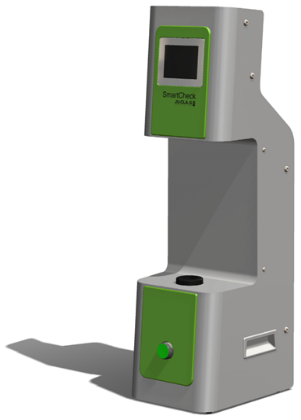
Ju.Cla.S. Smartcheck®: New Laboratory Technology 4.0 for the Tartaric Stabilization of Wines The tartaric stability of a wine is considered a technical basis or oenology and has always been the focus of studies in Research Laboratories. Each wine has its own level of stability, which is assessed in a variety of ways that differ greatly depending on the instruments available and on specific production requirements. To Check the tartaric stability of wine, a highly rigorous test is performed with stabulation for six days at a temperature of -4°C: the stability of a wine can be clearly determined by observing the deposits that form during the test. It is a very effective test, but it takes a few days to perform: in the wine cellar, production-related decisions have to be made much more quickly. This is why other types of tests have been developed, the accuracy of which depends on their nature and the way they are performed. The most practical test, which is widely used in oe
00