
Filter Post Type
NewsVideoProductEventLink
Sort:
Most Recent
1–10 of 76

January 26, 2026

The New Year has often been seen as a marketing reset. New goals, new mindsets, new opportunities. However, by the time Q1 arrives, many brands still rely on superficial “New Year, New You” messages that no longer match how consumers actually behave in January, February, and March. In 2026, the opportunity isn’t to shout louder about resolutions—it’s to align your brand with how people are realistically thinking, spending, and socializing in the first quarter. According to multiple consumer studies, roughly 80% of New Year’s resolutions fade by mid-February, yet spending habits, social rituals, and emotional priorities continue well beyond January. That gap is where smart marketing lives. For wine brands, Q1 isn’t about reinventing but staying relevant. The most effective early-year messaging connects with consumers by addressing their desire for connection, value, simplicity, and meaningful experiences that don’t feel indulgent or e
00
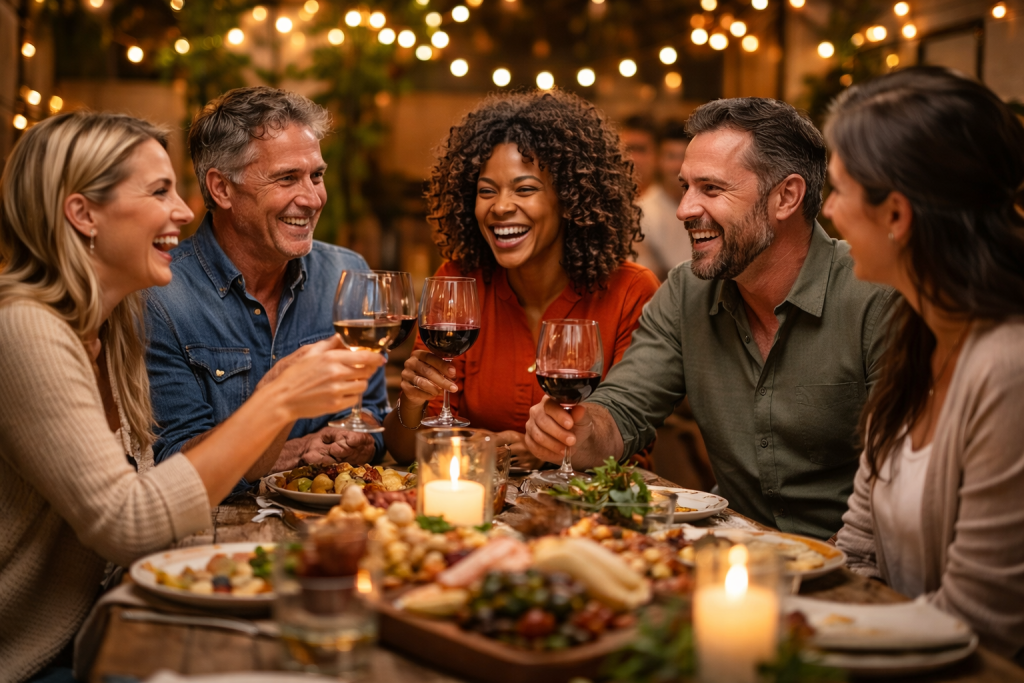
The wine club isn’t dying. It’s being rewritten. Wine clubs in 2026 still matter, but the way wineries build and grow them has fundamentally changed. What has changed is the lifestyle of the people in them. In 2026, the strongest force shaping wine club behavior is the Millennial generation — not because they are the only wine buyers, but because the way they live, spend, and subscribe has become the default expectation for everyone else. They are running households, hosting friends, raising families, managing busy schedules, and making more intentional purchasing decisions than any generation before them. That reality is quietly transforming what a wine club needs to be. Why lifestyle now matters more than allocations Wine clubs used to compete on bottles: how many, how rare, how discounted. That’s not how people experience wine anymore. Most members don’t think in terms of allocations or case sizes. They think in terms of how wine fits into their lives &
00
.png)
December 23, 2025
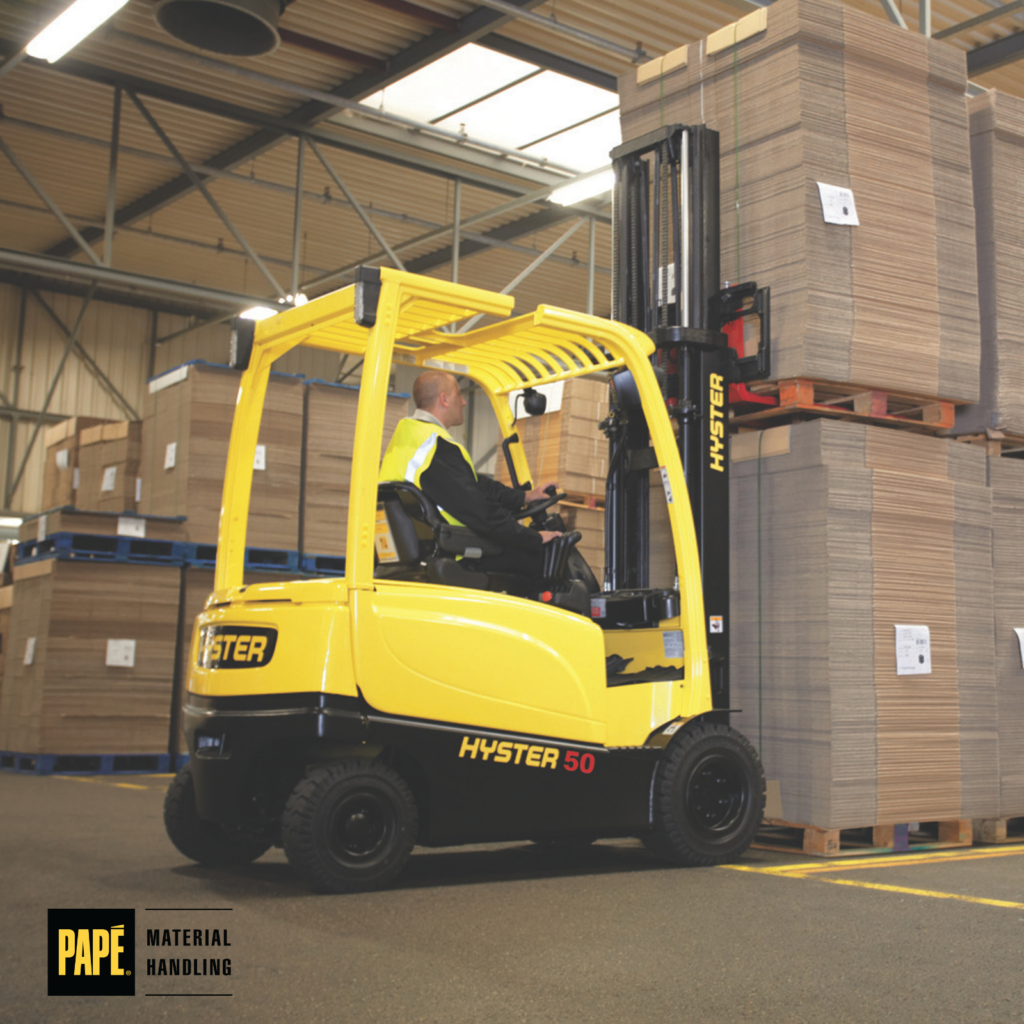
If peak seasons make or break your operation, you’ve seen how quickly a smooth-running warehouse can get overloaded. Orders pile up, aisles tighten, and your main forklift fleet hits its limit. You need more capacity fast, but you don’t necessarily need more equipment all year long. That’s exactly where a smart short-term rental strategy comes in. With one of the largest material handling rental fleets in the West and dozens of locations spanning across California, Oregon, Washington, Nevada, and Montana, Papé Rents helps businesses add flexible surge capacity without locking up capital in equipment that sits idle once the rush is over. Start with Historical Data Effective seasonal surge planning starts long before the first big order drops. Look at your historical data: Daily order volumes and lines picked Dock-to-stock times Overtime hours Equipment utilization by truck type As you monitor your workflow over time, patterns start to emerge. Maybe ou
00

December 8, 2025
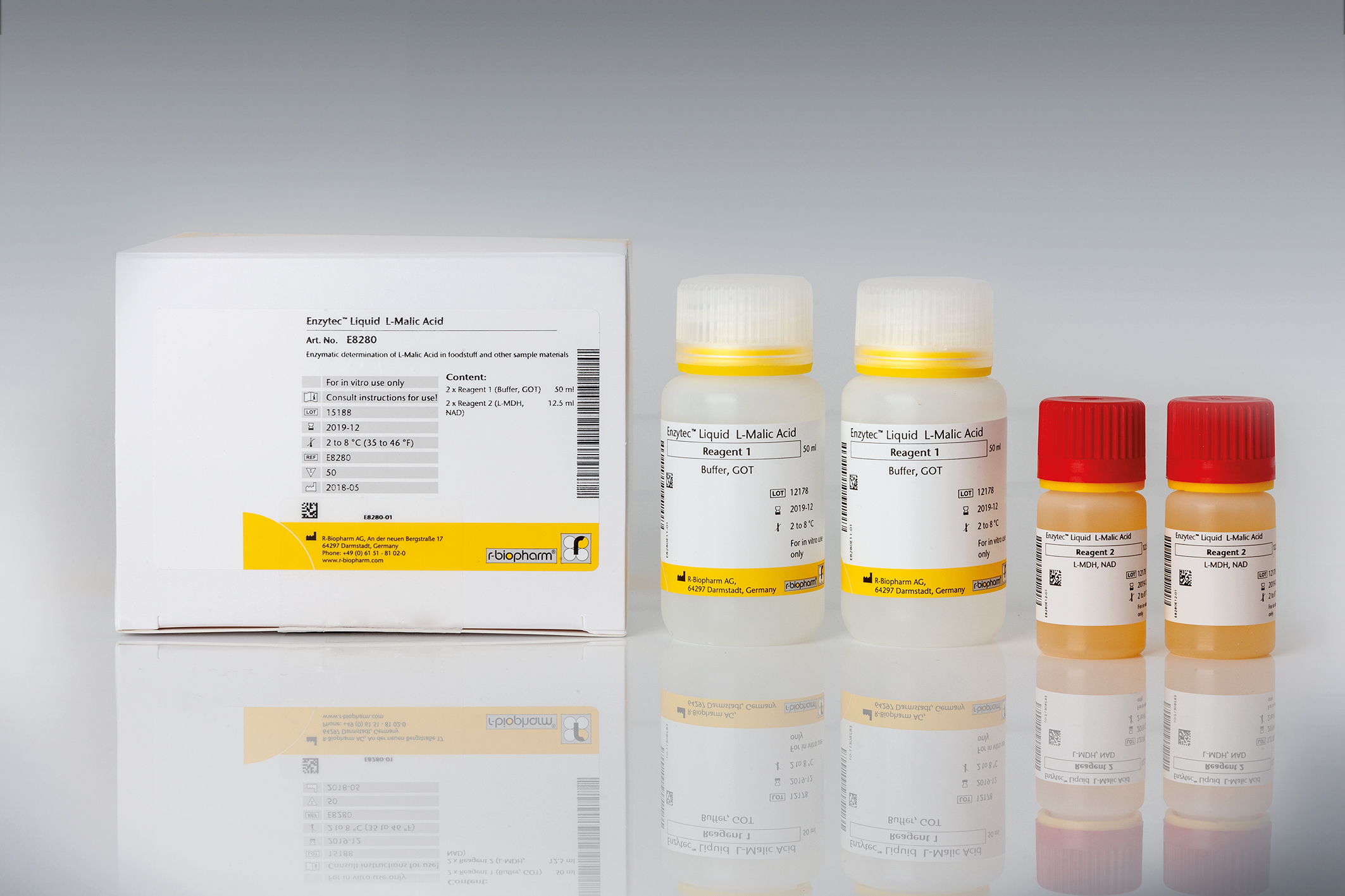
Patiently monitoring your L-Malic numbers to drop low enough so your SO2 additions can be made, and your wines protected over the upcoming holidays? Are you simultaneously ensuring your Acetic Acid numbers aren't climbing? R-Biopharm offers stable, cost-effective, and precise liquid enzyme kits that can be used on most automated analyzers (500 determinations per kit) or by manual testing (50 determinations per kit). Our kits are delivered next-day, are ready-to-use, and have an extended shelf life of twelve months under proper storage. In addition to L-Malic Acid and Acetic Acid, we offer FSO2, TSO2, and D-Glucose/D-Fructose enzymatic test kits. Please email info@r-biopharm.com for more information, or visit our Wine Industry website: https://food.r-biopharm.com/industries/wine-analysis/ Your local R-Biopharm Wine Quality Specialist is available to offer swift and personalized customer service!
10
December 2, 2025

HOW TO KEEP YOUR BRAND TOP OF MIND WHEN CUSTOMERS ARE DROWNING IN HOLIDAY EMAILS The inbox in December isn’t a communication tool—it’s a full-contact sport. Every brand, from the global megastore to the local dog bakery, is shouting their way into people’s attention span with flashing subject lines, endless exclamation points, and “40% OFF” hysteria that blurs into static. Consumers don’t read; they scan for relief. According to Mailjet’s 2024 BFCM report, holiday email volume jumps nearly 80% between Thanksgiving and Christmas, while average open rates drop to 13–15%—a statistical cry for help. But the real problem isn’t quantity—it’s tone. Every brand is talking at their audience instead of with them. The louder the messaging, the less people listen. Leading with prices and panic doesn’t inspire trust; it triggers fatigue. That’s your opportunity. The brands that win the inbox aren’t the
00
November 18, 2025

If your winery’s December felt like a sugar high followed by a January hangover, congratulations—you’re in the club. The holiday season brings out the best and worst of wine marketing. We see a flurry of emails, social posts, pop-up bundles, and panicked “last chance for shipping!” reminders that make even Santa unsubscribe. But behind all that glitter and noise sits something actually useful: data. And data, unlike mistletoe or tinsel, ages beautifully—if you know how to use it. Day 1: The Ghost of Open Rates Past Let’s start with the easy one. You sent fifteen emails between Thanksgiving and New Year’s, and shocker—open rates dropped after the first week. This isn’t your subscribers turning into Grinches; it’s list fatigue. Consumers are bombarded with messages from every brand they’ve ever accidentally clicked “subscribe” on. The fix: cut your frequency, not your revenue. Segment your list by engage
00
November 12, 2025
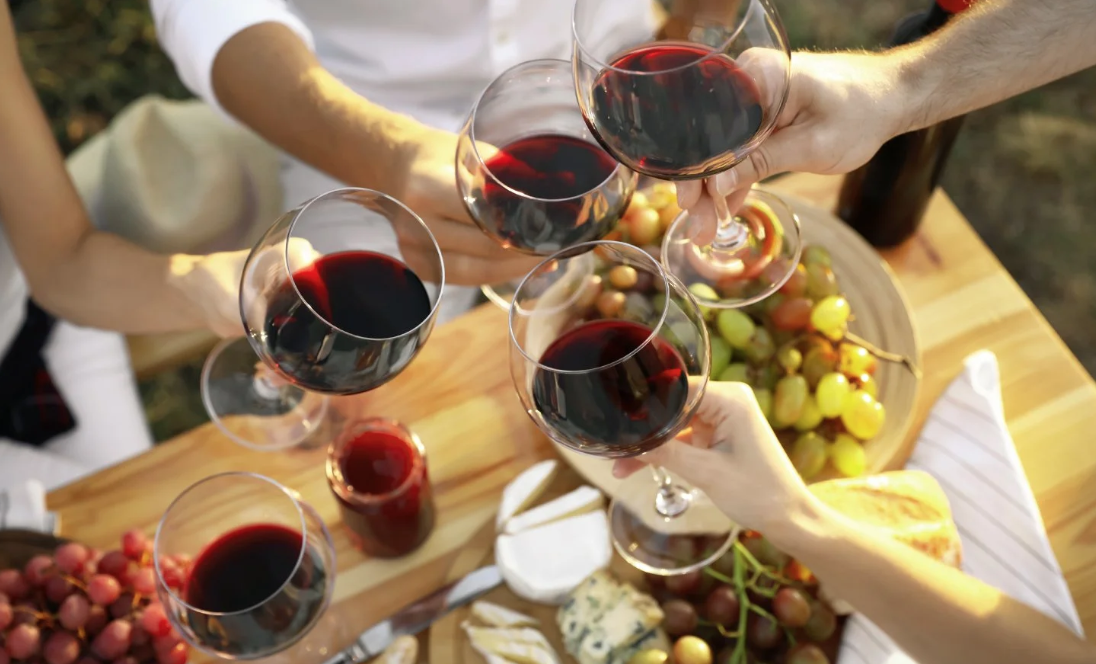
The Post-Harvest Drop-Off Fall brings a flurry of activity to wine country. Tasting rooms fill with eager visitors, social media buzzes with harvest photos, and the energy is palpable. Then November arrives, and for many wineries, engagement plummets. According to Silicon Valley Bank's 2024 Direct-to-Consumer Wine Survey, the average winery converts less than 15% of harvest event attendees into repeat customers by year-end. This represents an enormous missed opportunity. The wineries that thrive year-round don't view harvest as a seasonal peak but as the starting point of a strategic customer journey. Harvest Is Your Customer Acquisition Funnel Stop thinking of harvest events as isolated experiences and start viewing them as the top of your sales funnel. Smart consumer brands recognize that seasonal events provide a prime opportunity to collect valuable customer data while creating memorable brand experiences. These touchpoints become the first step in an ongoing relat
00

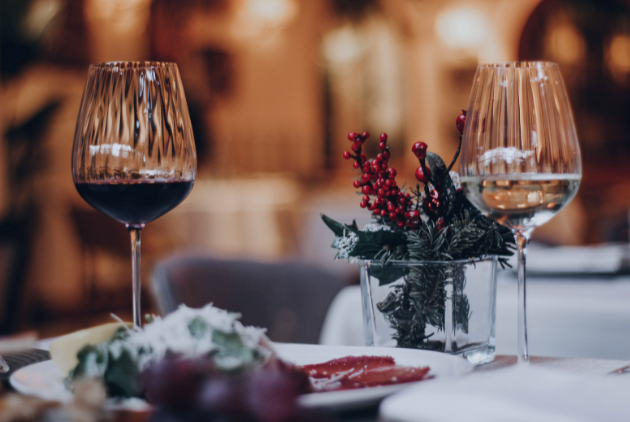
In our most recent Free Training Friday, we focused on one thing: helping wineries convert holiday browsers into buyers. With peak shopping season approaching, this session was all about small, actionable tweaks you can make right now to ensure your site is ready when customers start searching for gifts. 1. Make Holiday Intent Obvious When shoppers land on your homepage, they're looking for one thing: the confidence that you can help them find (and ship) the perfect gift on time. That's why it's so important to give them clear visual and navigational cues that say, "Yes, we've got you covered." That doesn't mean covering your site in red and green. Instead, aim for subtle seasonal touches that align with your brand, like warm seasonal messaging, photography, or gift-centric cues. Two Key Updates to Add Now: Shipping Timelines: Clearly state cutoff dates ("Order by Dec 18 for delivery by Dec 24"). Corporate Gifting Entry: Include an entry po
00
Navigating a path forward amid the headwinds Welcome to the Ciatti Global Market Report on Substack – a new home, but with the same incisive and actionable market intelligence as before. The latest pricing tables, collectively now called the Global Pricing Grid, will be published separately in a few days. The bulk market was quiet globally through July into early August, as is typical when the Northern Hemisphere is on its summer holidays and/or preparing for harvest. However, the quietness exceeded normal levels in some countries, and speaks to a feeling – borne out by some export statistics – that 2025 has seen an intensification of the sluggishness that has characterised the bulk market since the end of the pandemic’s retail demand spike. The same period last year was also slow, but August 2024’s Global Market Report was able to state: “Shorter crops and the return of China as a buyer in Australia have helped make the landscape app
00
June 30, 2025
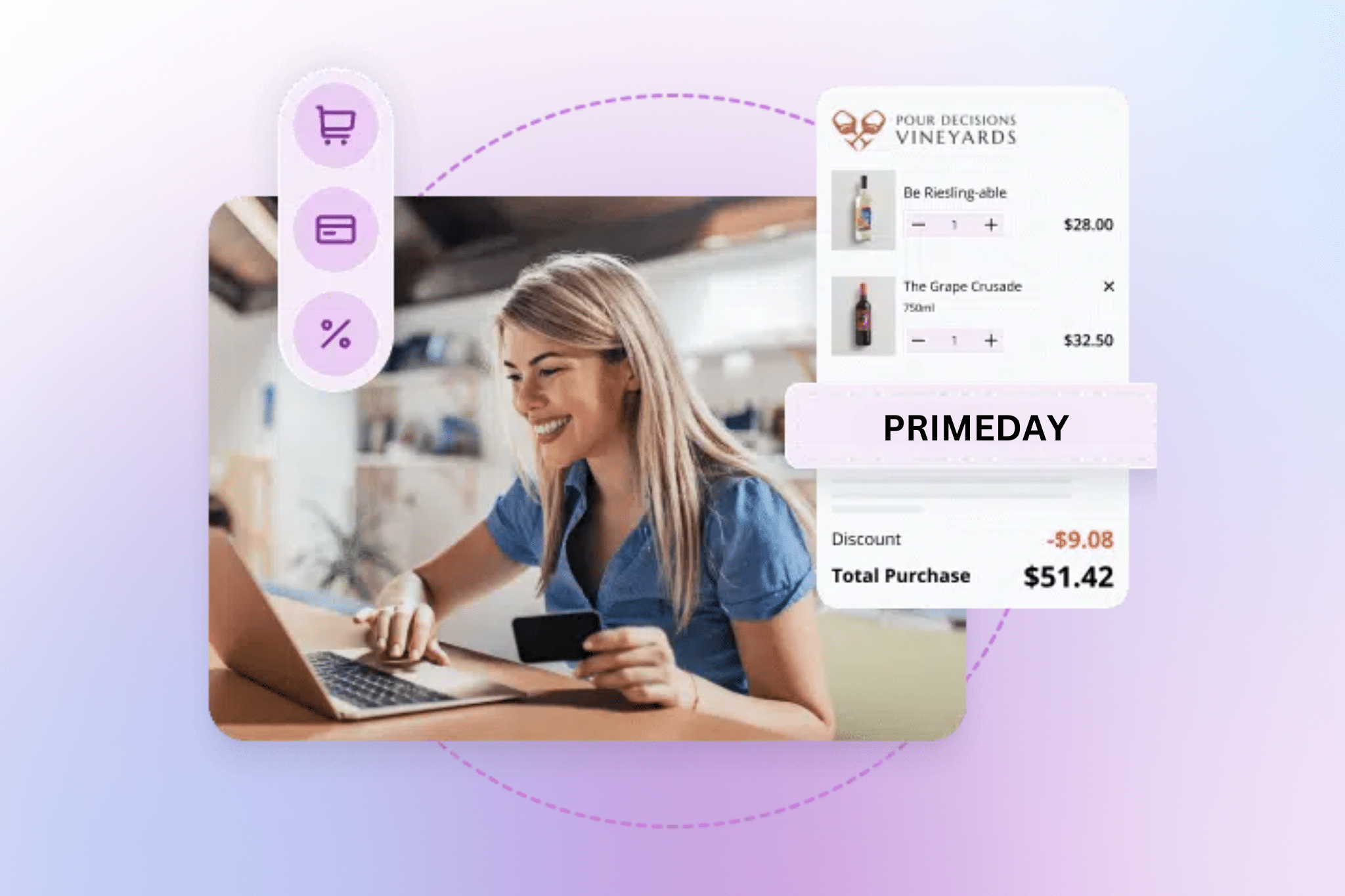
Amazon Prime Day isn’t just for Amazon. It’s a cultural event — one that now shapes consumer behavior across the entire internet. Your winery can absolutely ride the wave to drive DTC sales, increase visibility, and capture new customers. Here’s how to turn Prime Day into Wine Day and create your own traffic-driving, list-growing, revenue-boosting event — without selling on Amazon. 🧠 Why Prime Day Matters to Wineries Shoppers are in deal mode. According to Adobe Analytics, consumers spent over $12 billion during Amazon’s 2024 Prime Day — and even more across other platforms offering competing deals. Whether it’s impulse purchases or stocking up on gifts, buyers are primed (pun intended) to spend. Smart wineries are piggybacking on this urgency, offering exclusive promos, creative bundles, and early access for club members. 1. Create Your Own “Wine Day” 🍷 Instead of competing with Amazon, coexist with it. Launch
00