
Filter Post Type
NewsVideoProductEventLink
Sort:
Most Recent
1–10 of 63
March 30, 2026
In this practical and interactive session, we cover the critical technical decisions made after fermentation, from fining and phenolic adjustment to structure building and ageing preparation. You’ll gain actionable tools to fine-tune wines while preserving freshness, identity, and stability.
00
March 30, 2026

As demand for non-alcoholic wine continues to grow, more producers are exploring dealcoholization as a way to expand their portfolios. But removing alcohol is only the first step. The real challenge lies in what comes next. Alcohol plays a critical role in a wine’s structure, balance, and sensory expression. Once it is removed, the wine often loses body, aromatic intensity, and overall integration. What remains can feel thin, sharp, and incomplete. To produce a high-quality non-alcoholic wine, winemakers must shift their mindset from simple removal to thoughtful reconstruction. This process centers around four key areas: acidity, mouthfeel, aroma and flavor, and color. Dealcoholization can concentrate acids, resulting in a sharper profile that requires careful adjustment. At the same time, the loss of alcohol reduces viscosity and mid-palate weight, creating a need to rebuild texture and structure. Aromatics are often diminished during processing, requiring targeted strategies t
00

March 16, 2026
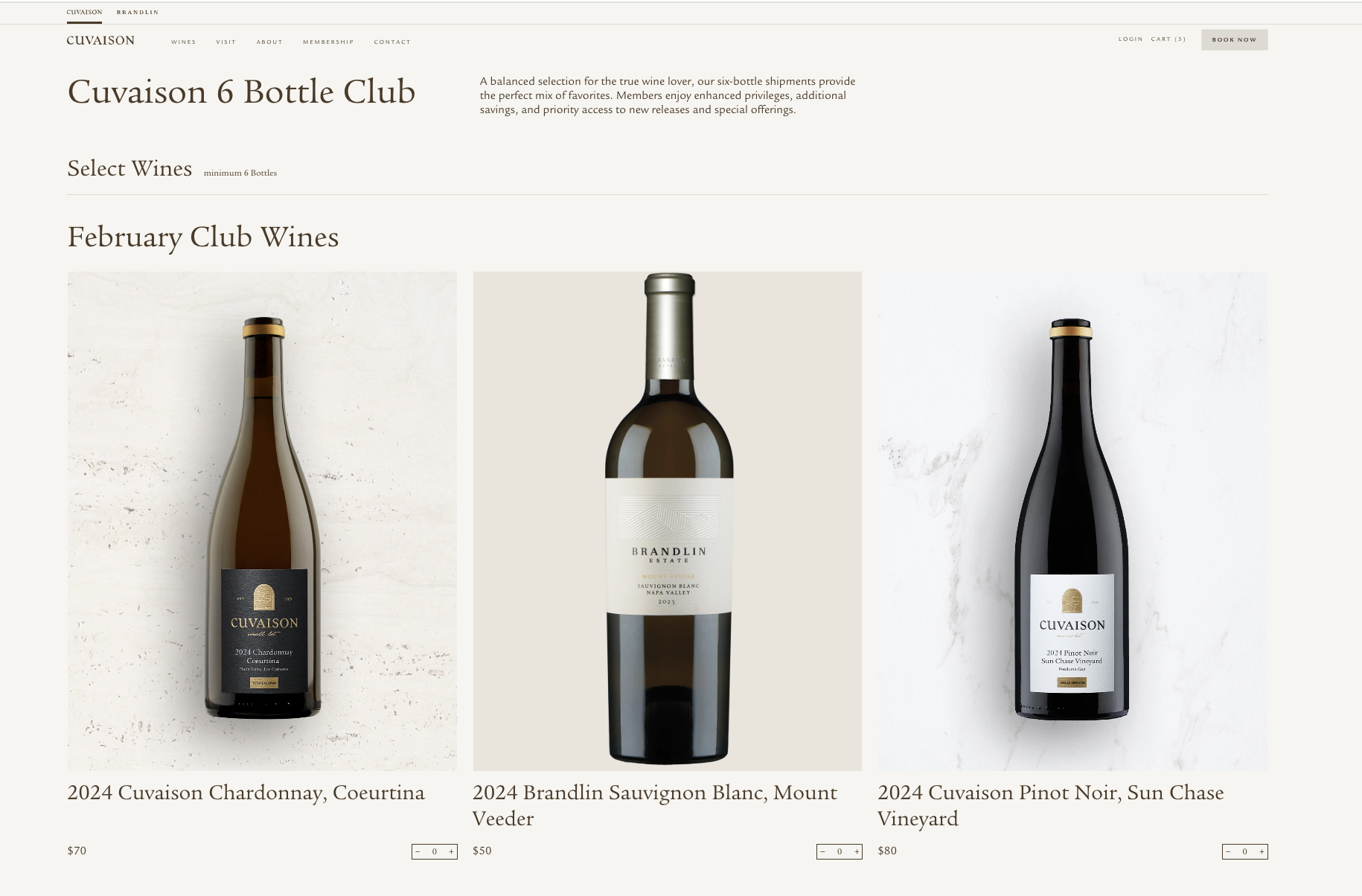
For a long time, the standard wine club model was simple: you pick the wines, you set the price, members sign up and receive what you ship them. Curated. Chef's kiss. Non-negotiable. That model still works — for the right clubs and the right member base. But the world has shifted. Members who joined in the past few years have been shaped by Amazon, Stitch Fix, and a dozen other subscription experiences that gave them control. They've come to expect customization as the default, not a premium. And the data backs this up. Wine clubs that offer member customization see measurably lower churn, higher average order values, and stronger long-term engagement. Not because flexibility is inherently better — but because it removes one of the most common reasons members leave. The Cancellation You Could Have Prevented When you look at why wine club members actually cancel, a consistent pattern appears: "I already have too much wine." "I don't dr
00
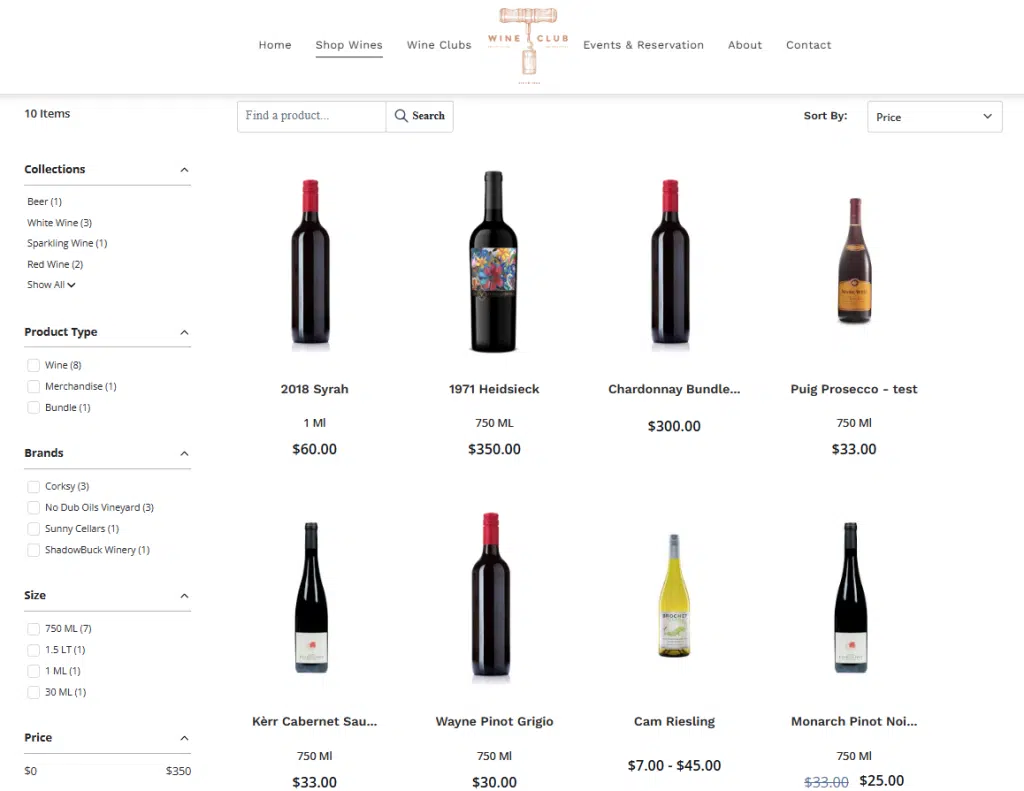
A few years ago at the DTC Wine Symposium, a panelist joked about the modern winery website formula: the guy, the dog, the truck, and the vineyard. Beautiful backdrop, strong lifestyle photography, a thoughtful founder story. Polished, absolutely. Strategically distinct, rarely. The critique wasn’t about branding. It was about structure. Most winery websites aren’t broken, but they aren’t built as decision environments either. Calls to action are unclear, revenue pathways are buried, shipping surprises appear late, and wine club often lives in isolation instead of throughout the buying journey. After auditing winery sites across regions and production sizes, the pattern is consistent: performance is constrained by friction, not effort. Most wineries don’t have a traffic problem. They have a conversion architecture problem. Before increasing ad spend or launching another promotion, run a winery website audit — on your phone. Start at the homepage and move t
00

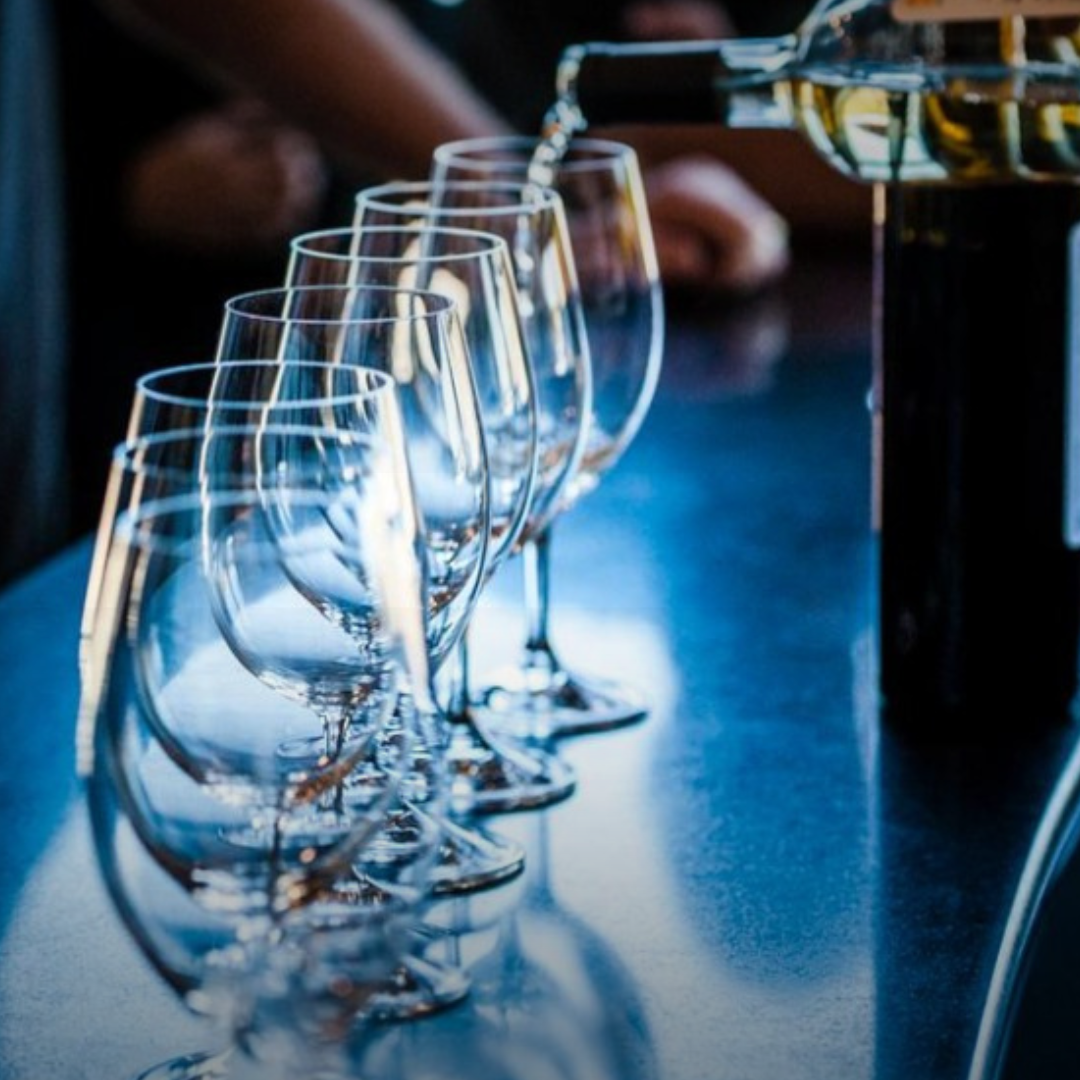
When a Washington winery transitions to Shopify POS, the visible experience in the tasting room doesn’t change dramatically. Guests are still welcomed. Wine is still poured. Bottles are still sold. What changes is operational structure. For many wineries in WA, POS, ecommerce, wine club management, and event sales have evolved independently over time. The result is often fragmented inventory, duplicate reporting, manual discount adjustments, and reconciliation across multiple systems. A unified POS and ecommerce platform shifts that dynamic. Inventory lives in one environment. Online and in-person sales draw from the same pool. Wine club profiles are accessible at checkout. Member discounts apply automatically. Reporting reflects consolidated channel data instead of stitched-together exports. The impact isn’t cosmetic, it’s operational clarity. In practical terms, wineries typically see: Reduced inventory discrepancies&n
00
March 2, 2026

Fruitful Innovation Can Lead to Tax Benefits Napa has never had the luxury of standing still. This valley adapts. When the weather shifts, growers adjust. When consumer preferences change, winemakers experiment. New rootstock. New clones. Different planting locations. New production techniques. Reinvention here is not a trend. It is how we survive. That is innovation. And in many cases, it is also research. We are not talking about changing a label design or launching a new club tier. We're talking about the real technical questions you wrestle with in the vineyard and the cellar: Can this new grape clone handle higher temperatures? Will adjusting canopy management reduce sunburn without sacrificing ripeness? Can we modify fermentation to improve stability or manage alcohol levels? Is there a way to produce a non-alcohol option that still feels like wine? When you do not know the answer and you run trials to find it, you are eliminating uncertainty. You are experimenting. You are
00

Adjust pH Naturally and Precisely with Oenodia STARS® Technology Traditional pH adjustment tools like tartaric acid and potassium carbonate often lack precision and can alter wine flavor, especially after fermentation. Oenodia’s STARS electrodialysis process is a smarter way to fine-tune pH, enhancing flavor, color, and SO₂ performance. Learn More Why Adjust Acidity? STABILITY ENHANCE SO₂ EFFECTIVENESS Sulfur dioxide is most effective within a specific pH range to protect wine from microbes and oxidation. When pH>3.65, its effectiveness drops, requiring higher free SO₂ levels. Lowering pH helps maintain wine stability with less intervention. SENSORY ADJUST FLAVOR AND COLOR pH plays a key role in a wine’s sensory profile and visual appeal. A lower pH can sharpen flavor balance, reduce flabbiness, and enhance freshness. pH also influences color, especially in reds and rosés. pH adjustment is a natural way to shift color. FLEXIBL
00
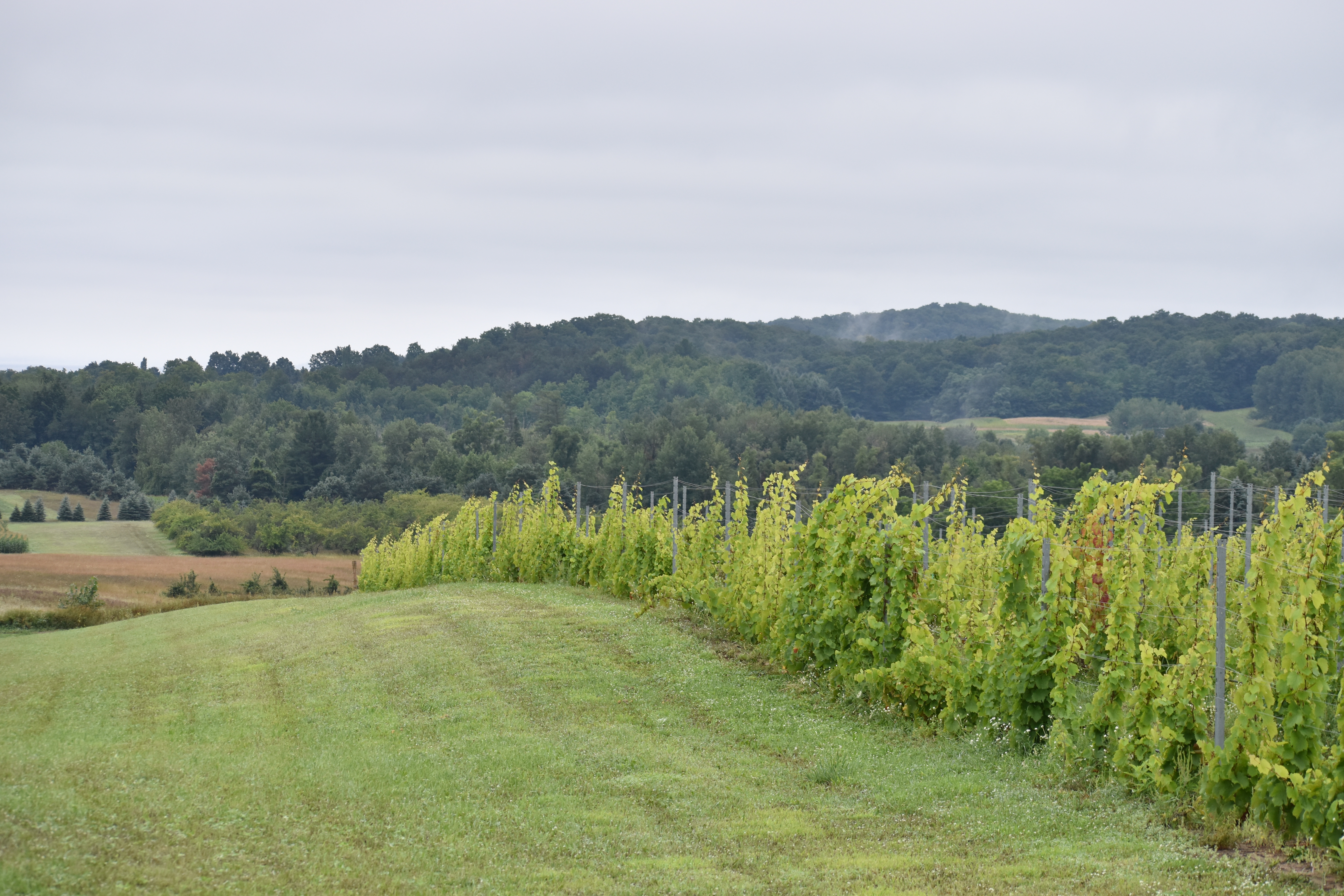
Across the vineyard industry, margins are under pressure. Rising labor costs, limited workforce availability, and increasing water expenses are forcing growers to take a closer look at where efficiencies can be gained. While market conditions may be outside a vineyard’s control, how resources are managed in the field is not. For many operations, irrigation remains one of the largest opportunities to reduce both labor and water costs without compromising vine health or fruit quality. Labor remains a growing challenge Labor continues to be one of the most difficult costs for vineyards to manage. Irrigation tasks often require daily attention, including valve adjustments, system checks, troubleshooting issues, and traveling between blocks. During peak season, these tasks can consume significant time and require experienced personnel to be in multiple places at once. Even well-run operations feel the strain when crews spend hours driving to sites simply to make routine changes or co
00

January 16, 2026

The 2026 State of the U.S. Wine Industry Report, published by Silicon Valley Bank and authored by Rob McMillan, provides a comprehensive, data-driven assessment of current conditions in the U.S. wine market. Built on more than 25 years of industry research, the report combines results from SVB’s annual winery survey, its Direct-to-Consumer (DTC) survey, demographic and cohort consumption modeling, and a wide range of third-party wholesale, retail, and population datasets. The conclusion is clear: while the industry continues to face structural headwinds, wineries are not experiencing these conditions equally. A widening performance gap has emerged between those adapting to changing demand and those struggling to do so. 2025 Performance: A Difficult Year for Many By nearly every measure, 2025 was a challenging year for the U.S. wine industry. Roughly half of the surveyed wineries rated the year negatively, citing slowing demand, rising costs, margin pressure, and inventory ch
00
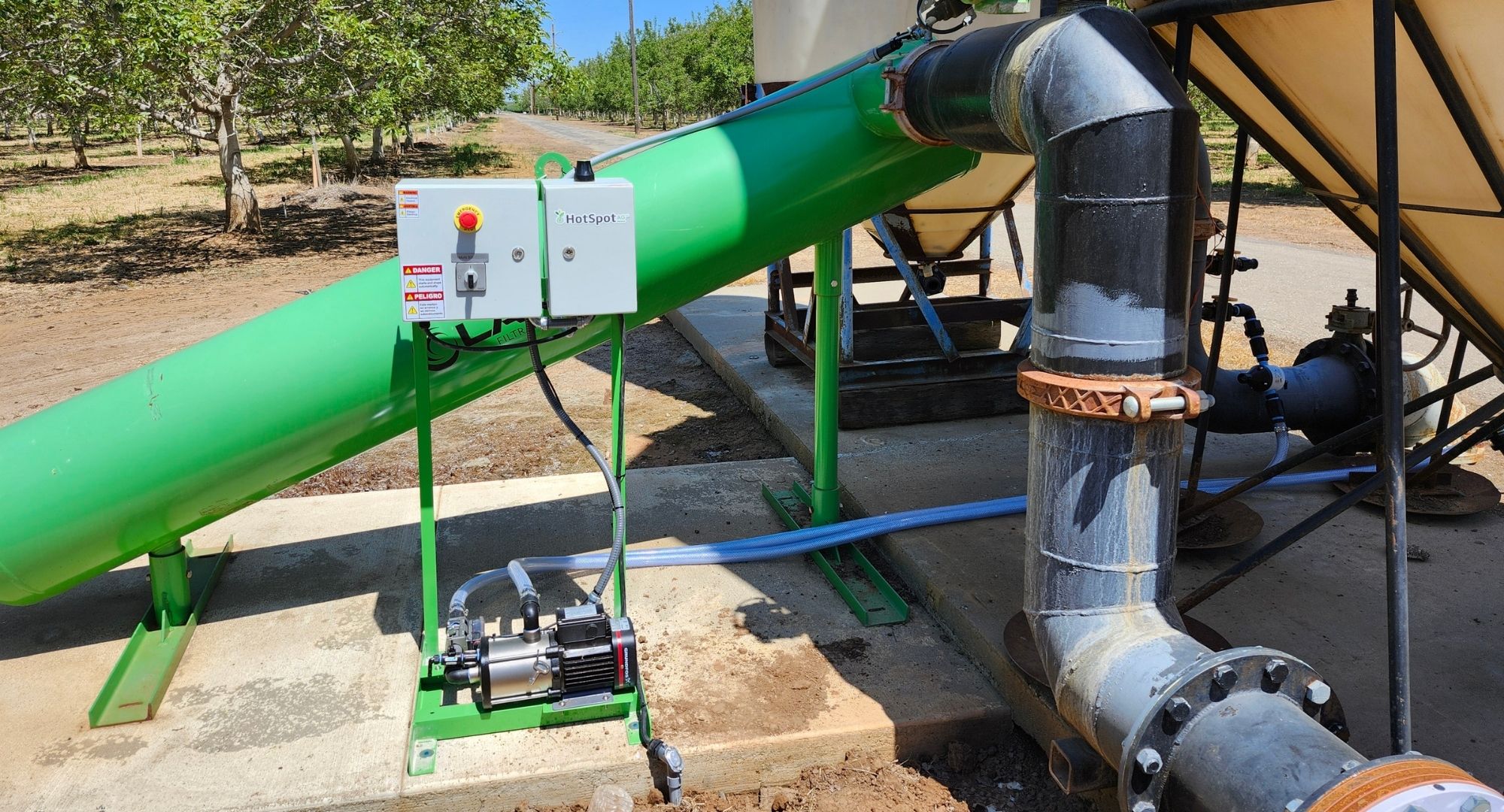
Continuous fertigation is gaining traction among growers who want to promote yield and preserve crop quality. This practice involves delivering smaller, steadier doses over the course of the crop season. Instead of applying large nutrient loads at select times during the season, maintaining a consistent injection rate that aligns closely with the crops natural uptake patterns can result in waste production and support improved crop quality and yield. In some cases, applying smaller doses within individual irrigation events can also be beneficial, but the primary value comes from season-long nutrient delivery based on the crops demand. Field Observations and Operational Benefits Growers are reporting a wide range of benefits from adopting continuous fertigation. For instance, almond grower Nathan Heeringa has noted improvements in almond development and overall performance when fertilizer is delivered in smaller, consistent doses. This method aligns with his broader experie
00