
Filter Post Type
NewsVideoProductEventLink
Sort:
Most Recent
1–10 of 94

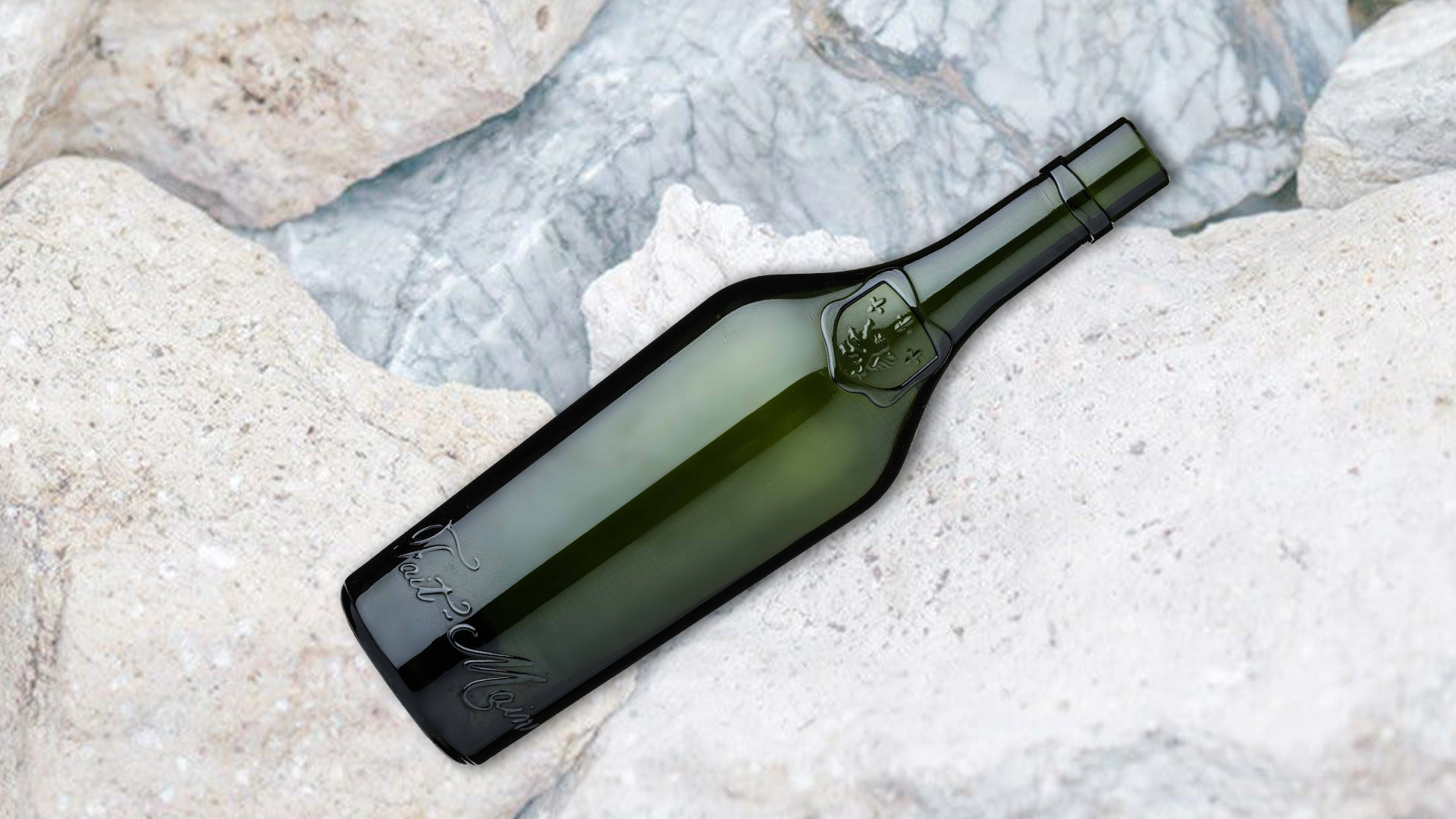
We’ve worked across custom bottle projects for wine and spirits long enough to see where they break. Most brands assume failure happens at retail. In practice, it’s set much earlier, during design, tooling, and production planning. A concept gets approved on visual appeal. It signals quality, ambition, and brand intent. Then the friction starts. Sampling reveals inconsistencies. The bottle doesn’t behave on a filling line. Freight costs climb. By the time these issues surface, timelines have shifted and margins are under pressure. Custom glass is not a surface-level design exercise. It is an engineered outcome. The brands that succeed treat it that way from the beginning, aligning design ambition with production reality. At Global Package, we support that process end to end. From initial sketch through to final delivery, we work across quoting, design, mould development, manufacturing, quality control, decoration, and supply. That continuity is what prevents early-stage decisions from
00

Event Type: Webinar
Location: Online
Date: 5/13/2026 — 9:00 AM to 10:00 AM
Technical Winemaking Webinar · May 13 · 45 minutes with live Q&A Save the date, you’re invited to our new webinar! Stuck and sluggish fermentations, along with limited aromatic expression, remain common challenges, especially with high Brix or unbalanced musts. In this webinar, we will review the key parameters that influence fermentation performance and aroma development, from yeast activation through to the end of alcoholic fermentation. The session will focus on practical decision points and how targeted nutrition strategies can impact both fermentation kinetics and aromatic outcomes. Topics covered: Yeast rehydration and early-stage management Impact of rehydration conditions on yeast viability, including the role of sterols and fatty acids Fermentation kinetics and completion Identification of risk factors for sluggish or stuck fermentations, and practical approaches to secure fermentation to dryness Aroma development during fermentation Influence o
00

Heritage Vineyard. Proven Fruit. Now available: Robert Young fruit — an opportunity to source grapes from one of Sonoma County’s most respected and historic vineyard families. The Robert Young name is closely tied to quality, consistency, and vineyard stewardship, with a long-standing reputation for producing fruit that has supported premium wines for decades. For wineries looking to align with a trusted vineyard source, opportunities like this don’t come around lightly. As vineyard sourcing decisions continue to take shape, listings like this offer a chance to secure pedigree fruit early and build future vintages around proven vineyard performance. View Listing The WIN Marketplace is built to connect buyers and sellers across the wine industry, and listings like this highlight how the platform helps wineries secure grapes from trusted, well-established vineyard sources. With a reputation for quality and consistency, fruit from recognized vineyard families offers winemakers a strong f
00
FEATURED Grape Listing on the WIN Marketplace: Ultra-Premium Cabernet Sauvignon Fruit (2026 Harvest)
April 17, 2026
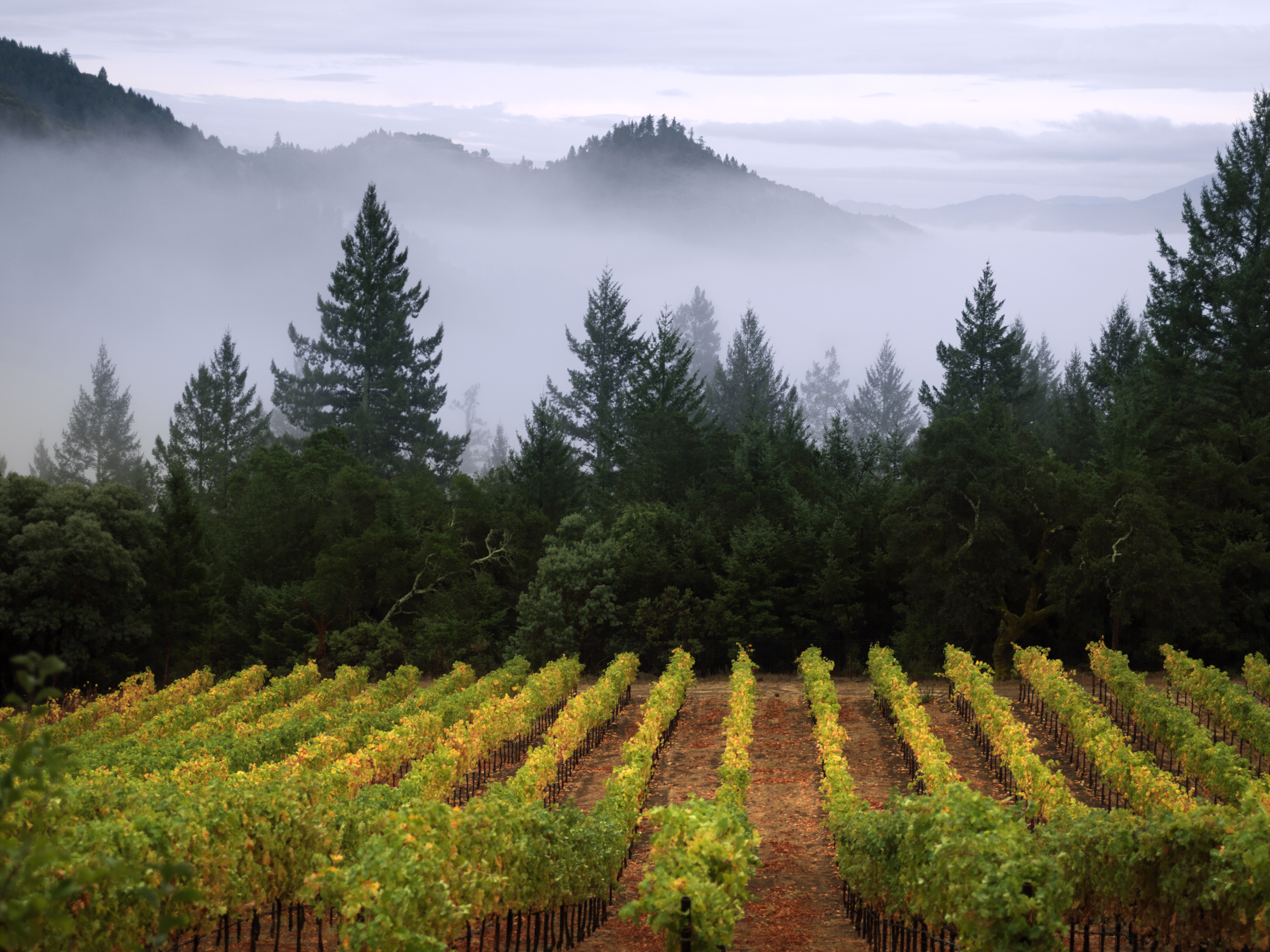
Legacy Vineyard. New Opportunity. Ultra-premium Cabernet Sauvignon fruit for the 2026 harvest and beyond — sourced from a 2-acre hillside vineyard in Calistoga, positioned above renowned sites like Switchback Ridge and Hourglass. This vineyard has produced wines retailing at $200+ per bottle for over 25 years, and with the longtime winemaker retiring, this fruit is now becoming available to a new buyer — presenting a rare opportunity to step into an established, high-pedigree vineyard source. With sourcing decisions actively underway, listings like this offer wineries the chance to secure exceptional fruit early and build future vintages around proven vineyard performance. View Listing The WIN Marketplace is built to connect buyers and sellers across the wine industry, and vineyard listings like this highlight how the platform helps wineries secure exceptional vineyard sources directly from growers. With a long track record of producing high-end wines and a prime
00

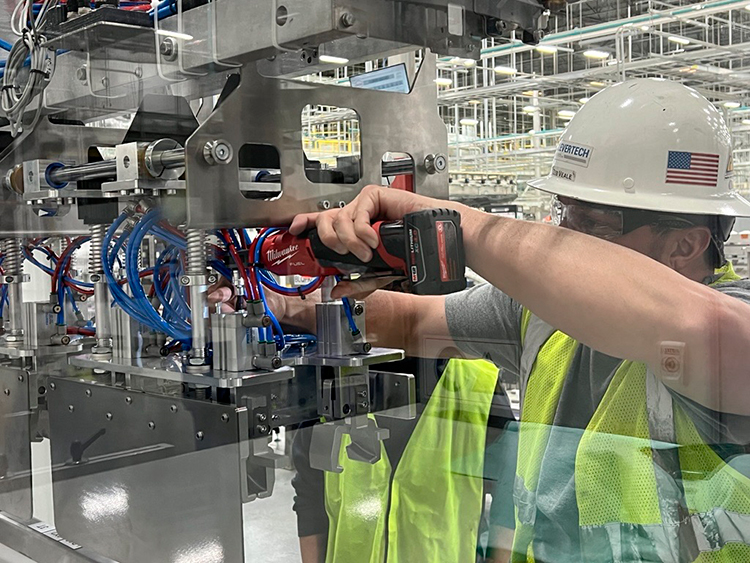
Insights from a bottling manager and how Clevertech’s team backed him at every step When wineries invest in automation - whether to reduce manual labor, boost performance, or keep production running smoothly - another question becomes just as important: Will the supplier be there to support us when we need them? At Oak Ridge Winery, Bottling Manager Steven Uline recently oversaw the installation of a Clevertech bulk depalletizer, case erector, and partition inserter into their existing bottling line. For him, the decision wasn’t only about the capabilities of the machinery. It was also about having confidence that the level of after-sales service and support would remain dependable over the long term. “Clevertech’s quality of support is great,” Uline says. “They were very responsive to our specific challenges and committed to finding solutions that worked for us. During installation, we kept a punch list of open items and worked through it together.&
00
Recent-vintage stocks growing tighter The 2026 harvests in the Southern Hemisphere are in full swing – a number are ahead of a typical schedule, in fact – and this month’s Global Market Report provides the latest on conditions, grape quality, and crop-size expectations. With one exception, the bulk markets of the world have been quiet over the past month. The introduction to our March 2025 report applies again 12 months on: “The bulk market can be characterised as slow and steady since mid-February, with the Southern Hemisphere focused on harvest and demand in the Northern Hemisphere dampened by flat or declining retail sales and, in Spain, some elevated pricing.” Wary buyers are waiting to see how the harvests affect availability and pricing before committing, perhaps using the intervening time to take the industry pulse at shows like Wine Paris (growing in prominence; we review its recent instalment here) and ProWein, and generally try to gain a read on
00
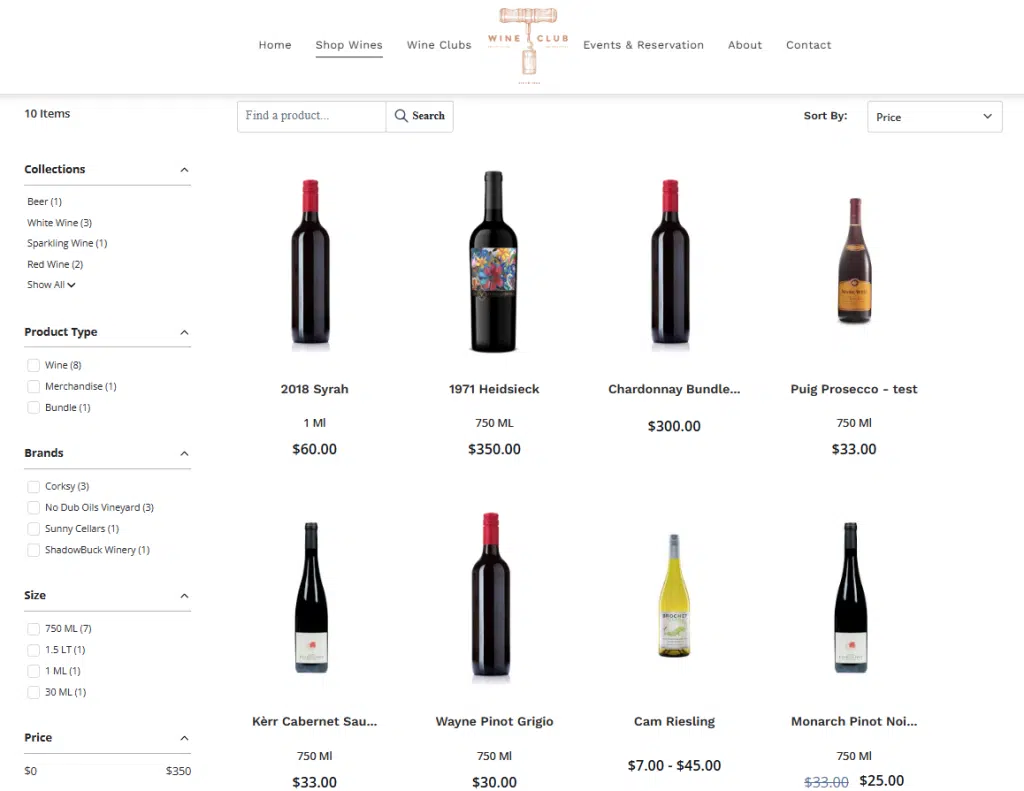
A few years ago at the DTC Wine Symposium, a panelist joked about the modern winery website formula: the guy, the dog, the truck, and the vineyard. Beautiful backdrop, strong lifestyle photography, a thoughtful founder story. Polished, absolutely. Strategically distinct, rarely. The critique wasn’t about branding. It was about structure. Most winery websites aren’t broken, but they aren’t built as decision environments either. Calls to action are unclear, revenue pathways are buried, shipping surprises appear late, and wine club often lives in isolation instead of throughout the buying journey. After auditing winery sites across regions and production sizes, the pattern is consistent: performance is constrained by friction, not effort. Most wineries don’t have a traffic problem. They have a conversion architecture problem. Before increasing ad spend or launching another promotion, run a winery website audit — on your phone. Start at the homepage and move t
00
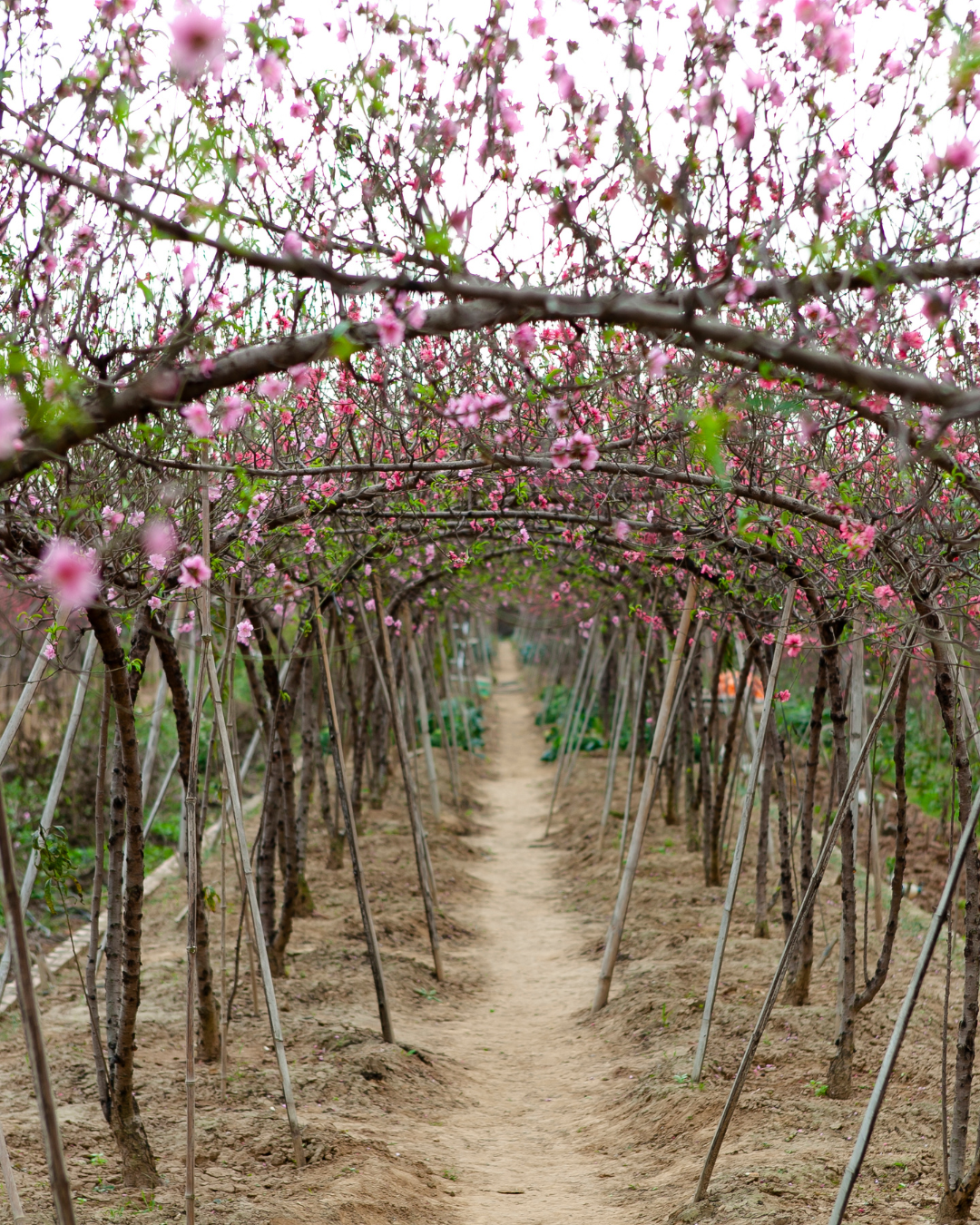
Bloom signals more than color in the field. It marks the transition into one of the most critical irrigation periods of the year. As crops move from dormancy into active growth, water demand begins to shift quickly. Root systems wake up. Canopies expand. Evapotranspiration increases. What worked during winter or early pre-season conditions will not carry you through bloom and fruit set. This is the moment to recalibrate. Start with a System Check Before peak demand hits, take time to evaluate your irrigation infrastructure: Inspect valves, filters, and pressure regulators Confirm flow meter accuracy Review pump performance under load Test soil moisture sensors and telemetry connectivity Verify that automation schedules match current crop stage Small inconsistencies in early season can become major inefficiencies during full production. Match Irrigation to Crop Physiology During bloom, consistency matters. Over-irrigation can reduce oxygen in the root zone and impact nutrient uptak
00

When the Super Bowl and Olympics approach, we celebrate the performance we see on the field. What we don’t see is the year-round conditioning, repetition, and skill-building that made that performance possible. Winning teams don’t train only when the lights are brightest. They train all year long. The same principle applies to winery DTC teams. Downtime Is Where Advantage Is Built Periods of slower visitation or economic uncertainty can feel like a signal to pause. But research shows that the opposite approach separates leaders from laggards. A landmark study published by Harvard Business Review analyzed more than 4,700 companies across multiple recessions. The findings were striking: “Only 9% of companies emerged from recession stronger than before.” Even more telling: “Companies that balanced cost discipline with continued investment in people and capabilities recovered faster and gained market share.” Training Is a Growth Strategy,
00

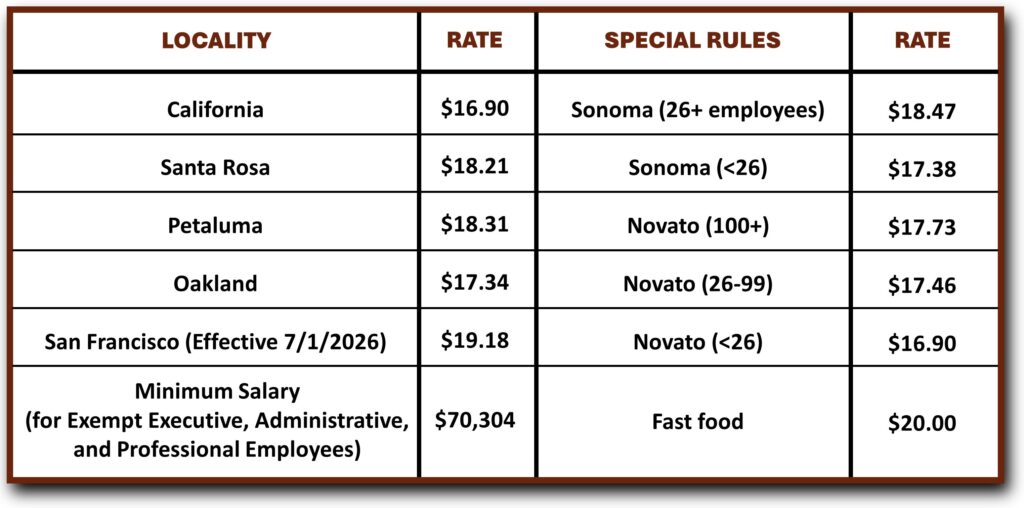
It is time to dust off the employee handbook, review your policies and procedures, and make sure they comply with all the new laws, regulations, and interpretations that went into effect during 2025, became effective in late 2025, or January 1, 2026. Below, we have identified our “top 10” changes. Please keep in mind there were hundreds of laws, regulations, and changes implemented at the local, state, and federal levels throughout 2025. This summary highlights selected changes most likely to impact California employers and is not intended to be exhaustive. So, if you need a handbook/policy review or have any questions, please call us! 1 – Minimum Wage Update: Updates happen every year. It’s best to put a calendar reminder in November, to make sure your payroll is ready! Action: Review your payroll to ensure all employees are being paid the new minimum wage, send written notice of the wage change to affected hourly employees, and be sure your salari
00