
Filter Post Type
NewsVideoProductEventLink
Sort:
Most Recent
1–5 of 5

What we’re seeing Holiday and event weekends are where wineries make their money — and also where tasting rooms get the most stressed. Lines back up, staff get flustered, and POS screens fill with clutter right when teams need simplicity. How vinSUITE TabletPOS helps TabletPOS is built for exactly those moments: fast, flexible, and easy to use anywhere you pour. These three small setup tweaks have a big impact on busy weekends: 1. Dollar-Based Tips That Match Wine Service Swap restaurant-style percentages for simple dollar buttons that feel natural in a tasting room. The problem Restaurant-style 20% tip prompts can feel out of place on high-value wine tickets. Guests hesitate, do math, or skip tipping entirely. The tweak Use Custom Tip Amounts in TabletPOS to swap percentages for simple dollar buttons like $5, $10, and $15. Why it’s a win Feels natural for winery hospitality vs. restaurant-style math. Speeds up checkout with fewer edits and awkward pauses. Suppo
00

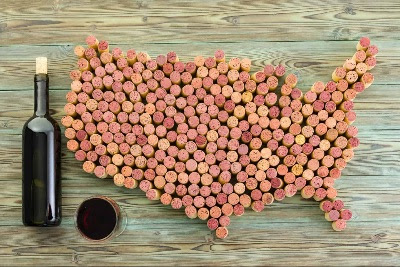
Wine clubs have long been the backbone of direct-to-consumer (DTC) sales. But with shifting consumer expectations and the rise of subscription culture, from streaming services to meal kits, wineries are rethinking the traditional club. Subscription models promise flexibility for customers, stability for wineries, and in many cases, less operational strain. We asked four leading technology providers (Awtomic, Commerce7, OrderPort, and VinSuite) to share their insights on how wineries can successfully add or adapt subscriptions. We also gathered a few winery examples to show how creative models are being used today. This list is in no way exhaustive, there are many winery DTC software/SaaS providers with options, and the landscape is continuously evolving. For a deeper dive, check out this article by WineBusiness Monthly with all the providers, trends, and a very helpful comparison chart. What Are Wine Subscriptions? At their core, wine subscriptions are a modern twist on the tradi
00

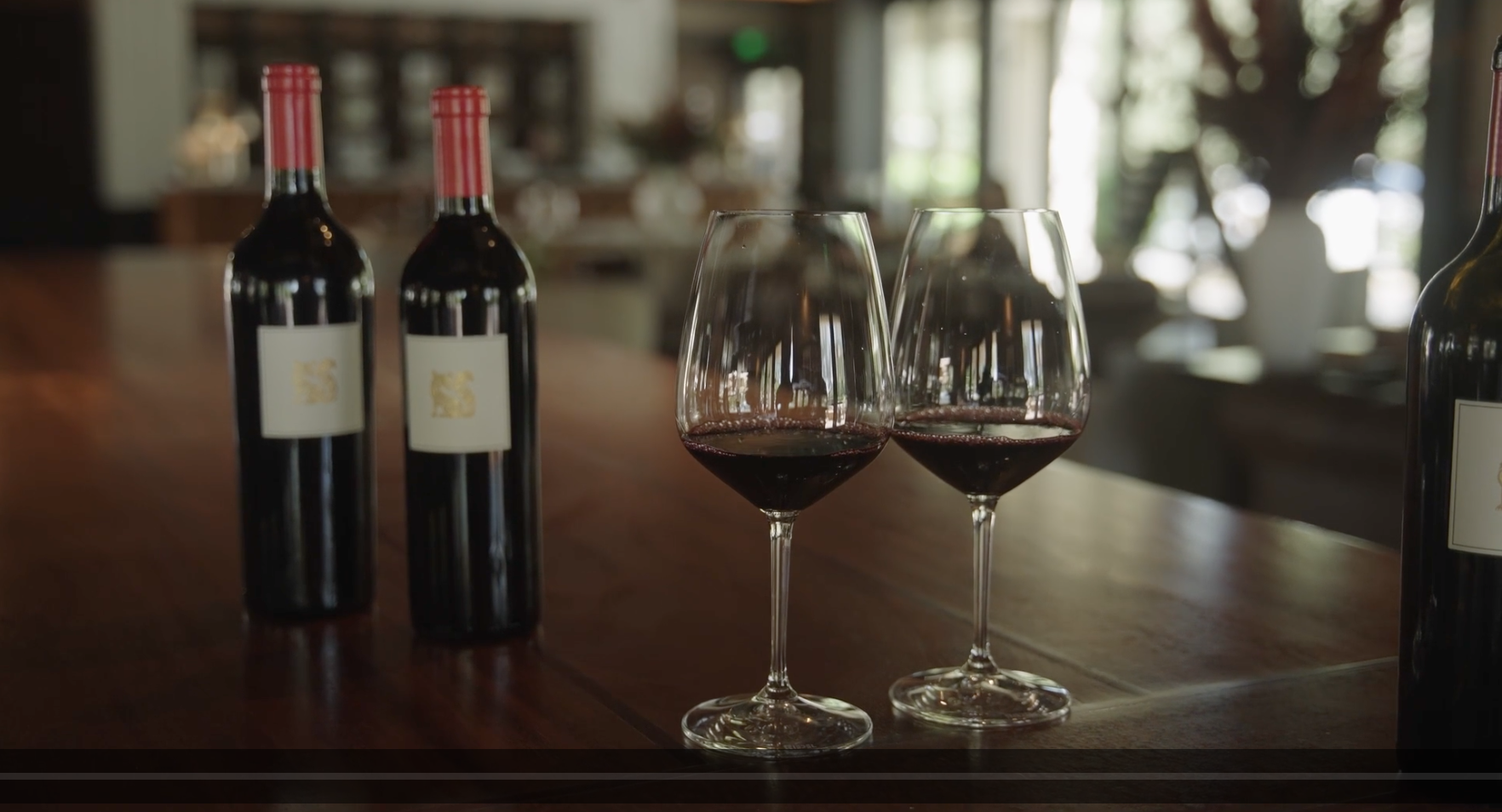
Wine clubs are the heartbeat of most wineries. For many, they represent the majority of DTC revenue and a vital channel for building lasting relationships with customers. No one in the industry doubts their importance. But here’s where marketing teams have a huge opportunity: wine clubs don’t have to be viewed only through an operational lens — managing allocations, shipments, and logistics. When approached strategically, they can become your most powerful marketing engine. Why? Lower acquisition costs. Once a customer joins, every future order reduces the cost of acquisition. Higher lifetime value. Club members purchase more often, spend more per order, and remain loyal longer than casual buyers. Stronger brand belonging. Clubs are about more than shipments — they create a sense of identity and community that keeps members engaged. That shift in mindset changes how wineries structure and market their clubs. Instead of “how do we fulfill this
00
Most wineries still send the same message to everyone—and leave money on the table. In Session #2 of the Wine Club Symposium, Laura Simons (Simons DTC Consulting) and the team at Enolytics show how targeted segmentation turns “almost” into “I’m in,” boosts retention, and creates predictable DTC revenue—without deeper discounts. â–¶ Watch the Full Session (Free Replay) What You’ll Learn Club vs. Non-Club: Convert high-potential buyers with member-only perks and short-window join offers. At-Risk & Lapsed: Re-engage 6–12-month gaps with “welcome back” bundles and quick pulse surveys. Potential Churn Members: Catch early signals (skips, fewer add-ons) and save with holds, swaps, and plan changes. High-Value VIPs: Use micro-exclusivity (library drops, small-lot access, VIP invites) to deepen loyalty. First-Time Buyers & Recent Converts: A 30-day path that turns a one-time order into a new me
00
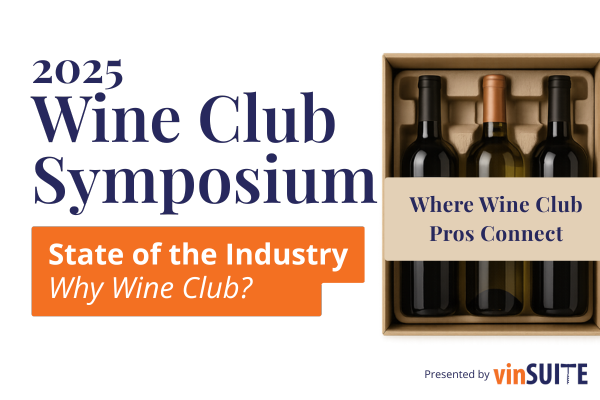
Wine Club Symposium — Session 1 State of the Industry: Why Wine Clubs? Watch the full recording of vinSUITE’s opening keynote to see how leading wineries are growing clubs in a softer market—by reducing sign-up friction, making commitment flexible, and keeping members engaged between shipments. The panel shares field examples from tasting rooms and clubs, then maps them to simple operational changes you can test this quarter. You’ll leave with practical ways to shorten the join flow, add flexible commitment (pause/skip/swap or prepaid), and build habit-keeping touches between shipments—plus the metrics that show it’s working. What you’ll learn Reduce tasting-room friction: capture contact earlier and streamline the join flow. Flexible commitment: pause/skip/swap and prepaid balances convert “almost” members and save cancels—without discounting. Between-shipment engagement: one planned touch + a simple cancel-save step k
00