
Filter Post Type
NewsVideoProductEventLink
Sort:
Most Recent
1–10 of 28

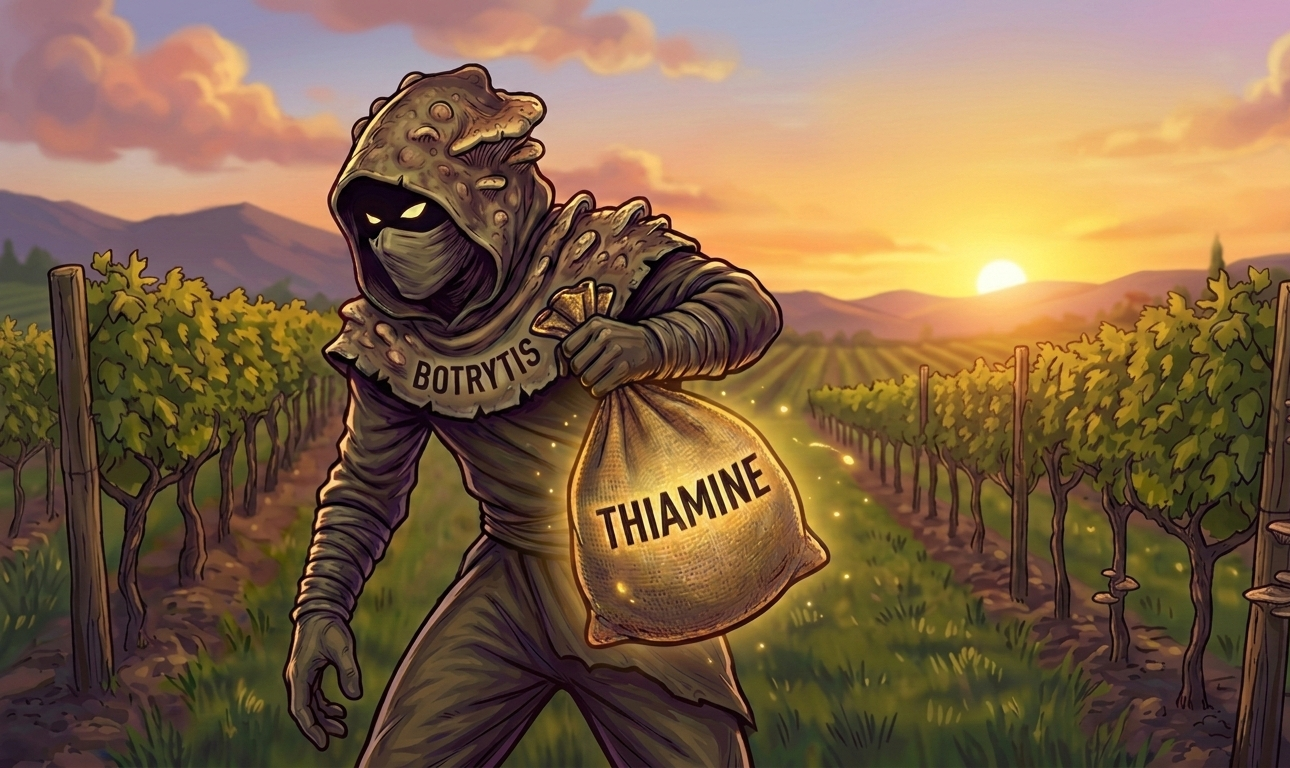
Thiamine, also known as vitamin B1, is an essential micronutrient for yeast metabolism. The thiamine content typically found in grapes ranges from 80 µg/L to 1.2 mg/L. Although most yeasts, including Saccharomyces cerevisiae, can synthesise thiamine, they prefer to absorb it from grape must. This preference conserves energy, which can be used for cell growth and the production of vital fermentation metabolites. In fact, yeasts can absorb all available thiamine in the must within the first six hours after inoculation. A thiamine deficiency in the must can have practical consequences, such as sluggish or stuck fermentations and an altered aromatic balance. Thiamine’s role in yeast metabolism and fermentation Thiamine and its biologically active forms serve as cofactors in central carbon metabolism (sugar breakdown). Without thiamine, several enzymes cannot function, risking incomplete fermentation. Thiamine also exhibits antioxidant activity, protecting yeasts from free-rad
00

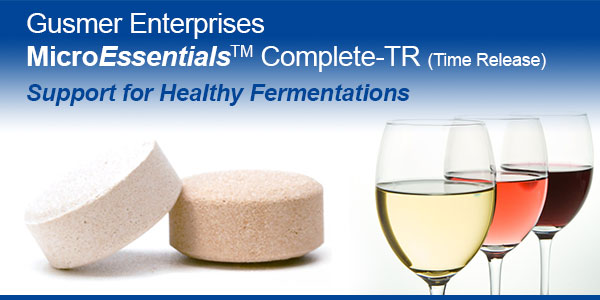
Harvest season doesn’t leave much time for anything extra — long days, fast decisions, and nonstop cellar activity. That’s why Gusmer's MicroEssentials Complete-TR Nutrient was created to take the guesswork out of fermentation nutrition. MicroEssentials Complete-TR is the most advanced yeast nutrient on the market, incorporating the latest research in yeast nutrition and Time-Release Technology. The unique sustained-release system provides two tablets both providing complete supplementation while simulating incremental dosing. MicroEssentials Complete-TR Nutrient delivers a convenient, all-in-one solution that helps winemakers save time without compromising performance: Supports consistent yeast health and reduces the risk of sluggish or stuck fermentation Combination of two tablets, each with a distinct time-release profile and nutrient composition Both tablets are added togethe
00
Gusmer’s MicroEssentials™ fermentation nutrients include a complete range of supplements for yeast rehydration, primary fermentation and malolactic fermentation. Based on the latest research, our formulations contain premium ingredients that impart highly refined polypeptides, amino acids, essential vitamins, minerals and yeast survival factors, for a rich source of compounds that are highly assimilable by yeast and bacteria. Featured Yeast Nutrient MicroEssentials Powder A full spectrum yeast nutrient blend in a loose powered form supplying a rich mixture of organic and inorganic nitrogen, vitamins and trace minerals. It contains high quality, small peptide yeast fractions that supply an adequate amount of assimilable amino acids. Learn more Additional Yeast Nutrients MicroEssentials Complete-TR (Time Release) The unique sustained-release system provides two tablets both providing complete supplementation while simulating increment
00
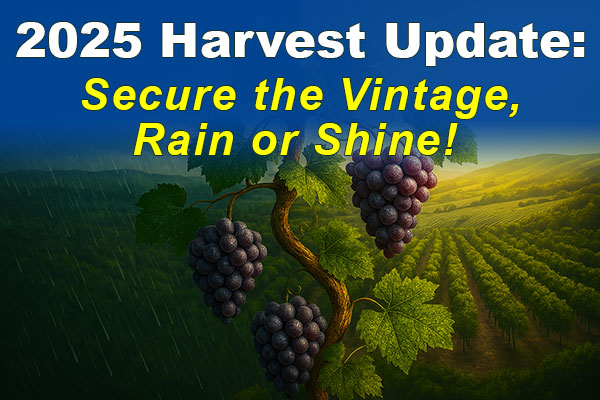
Every vintage brings its own challenges from Mother Nature. Rain or shine, we’ve got the products to keep you covered. Concerned about mold, rot, or mildew? Rooted in experience, our proven solutions guide you through every hurdle for a successful harvest. Potential Issues: Off aromas and flavors, Browning, Infection spreading, Lower tannin content, Lower color extraction, increased acetic acid, Reduced levels of amino acid, and YAN levels in Juice GUSMER SOLUTIONS First Line of Defense Lysozyme Lysozyme is used by winemakers to control the growth of gram-positive spoilage bacteria, to control certain aspects of malolactic fermentations, and to stabilize wines after alcoholic fermentation or when malolactic fermentation is completed. Learn More Gusmer Granular Oak Granular oak can help reduce off flavors and help set color, while increasing tanning and mouthfeel. Learn MoreProper Yeast Selection Novonesis Non-Saccharomyces Yeast There are many benefits to using a n
00

September 11, 2025

A smooth, complete fermentation doesn’t happen by chance, it starts with balanced yeast nutrition. When yeast has access to the right nutrients at the right time, you avoid sluggish or stuck fermentations, reduce the risk of Hâ‚‚S and VA, and unlock the full aromatic potential of your grapes. Why Yeast Nutrition Matters? Nitrogen is the main driver of yeast growth and fermentation activity. Saccharomyces can assimilate only ammonium ions (DAP), amino acids (organic nitrogen), and small peptides (organic nitrogen). Amino acids are strategic: they are taken up early, stored, and used gradually. Some of them also act as aroma precursors (thiols, esters, acetates). Vitamins & minerals (thiamine, Mg, Zn) act as cofactors in enzymatic reactions and have a role in cell growth, fermentation activity, and nitrogen metabolism. Sterols & long-chain fatty acids are essential for membrane structure, stress resistance, and survival. Click here for all fermentation tips & gui
00
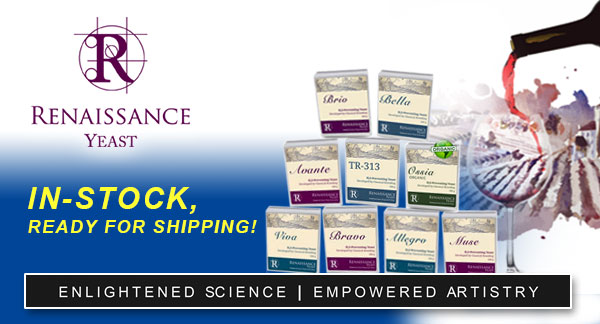
Renaissance Yeast’s strains have excellent fermentation kinetics, desirable sensory characteristics, and are produced to the highest quality standards. Renaissance Yeast is the exclusive developer of a novel, patented H2S-preventing technology that is the result of a natural trait in yeast that increases sulfur and nitrogen utilization efficiency during fermentation, thereby preventing hydrogen sulfide formation. Ossia (Saccharomyces cerevisiae hybrid), Renaissance Yeast’s organic H2S-preventing strain, recommended for organic dry white and red wines, fruit wines and cider. Download Product Data Sheet Request Quote Viva is a H2S-preventing white wine yeast strain ideal for artisan-style sparkling wines, fruit forward grape wines and fruit wines. Download Product Data Sheet Request Quote Allegro is a H2S-preventing yeast strain selected for white wine fermentations. It is well suited for aromatic expression of any white varietal and is capable
00

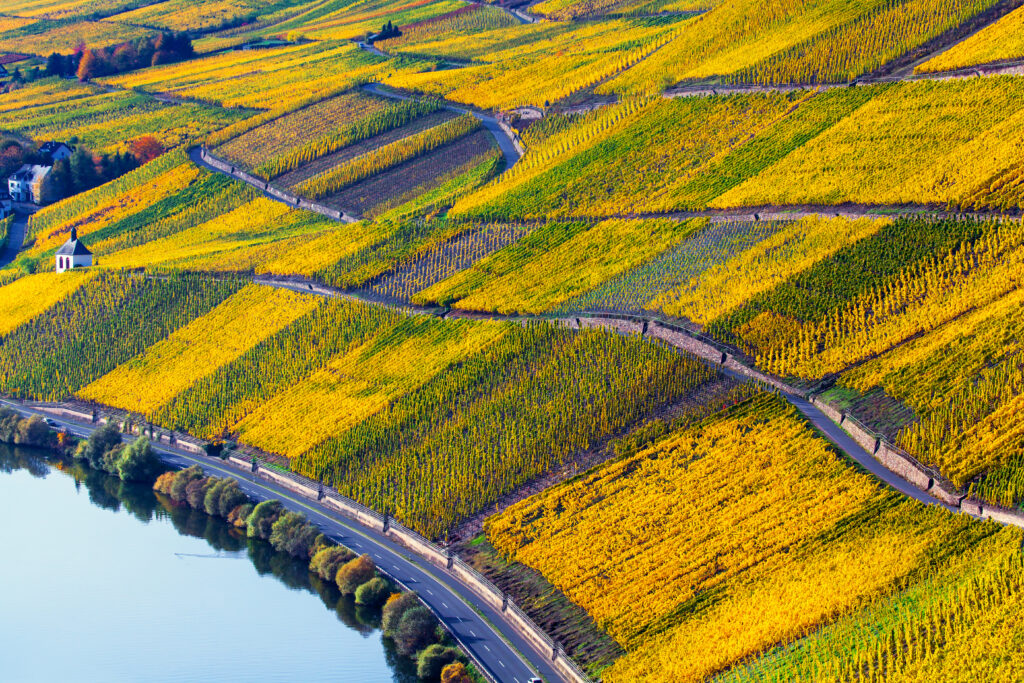
The conversations I have about quality tend to focus on red wine. This is especially true in California, where Napa Cabs have historically garnered high prices, followed up by Coastal Pinot noirs and red Rhones. Honestly, in most places I’ve been where the climate allows for ripening red grapes, the reds are the main event with the whites being more of a warm-up act or even an afterthought. As a result, we know a lot about how to grow red grapes for quality – and less about how to grow whites. Consumer tastes are shifting though, and the big reds of yore are taking a back seat. Drinkers want lower alcohol wines with a lighter style and wineries are taking fewer risks with wine they can turn around in under a year. As a result, white varieties are in hot demand. If you’re a grower who can’t sell your grapes, you may very well be considering grafting some of your reds over to white. So how do you grow a good white? In many ways whites are harder than their r
00
The nutritional health of yeast can determine the success – or failure - of the resulting wine. To get the most out of your yeast, a high-quality nutrient product is essential. “High quality micronutrients are essential to the healthy development of the yeast and a robust fermentation,” emphasizes Bill Merz, Gusmer Enterprises Inc’s Director of West Coast Beverage Sales and a winemaker himself. “The solubility of those nutrients is also key to yeast cell access. That’s exactly the kind of scientific research Gusmer has done and the superior products it provides.” Gusmer Enterprises, Inc., a leading manufacturer and supplier of fermentation and filtration products for the beverage, food and pharmaceutical industries since 1924, specializes in the distribution of yeast nutrition developed to ensure healthy, vigorous and clean wine batch fermentation, vintage after vintage. Included in Gusmer ‘s comprehensive portfolio of nutritio
00
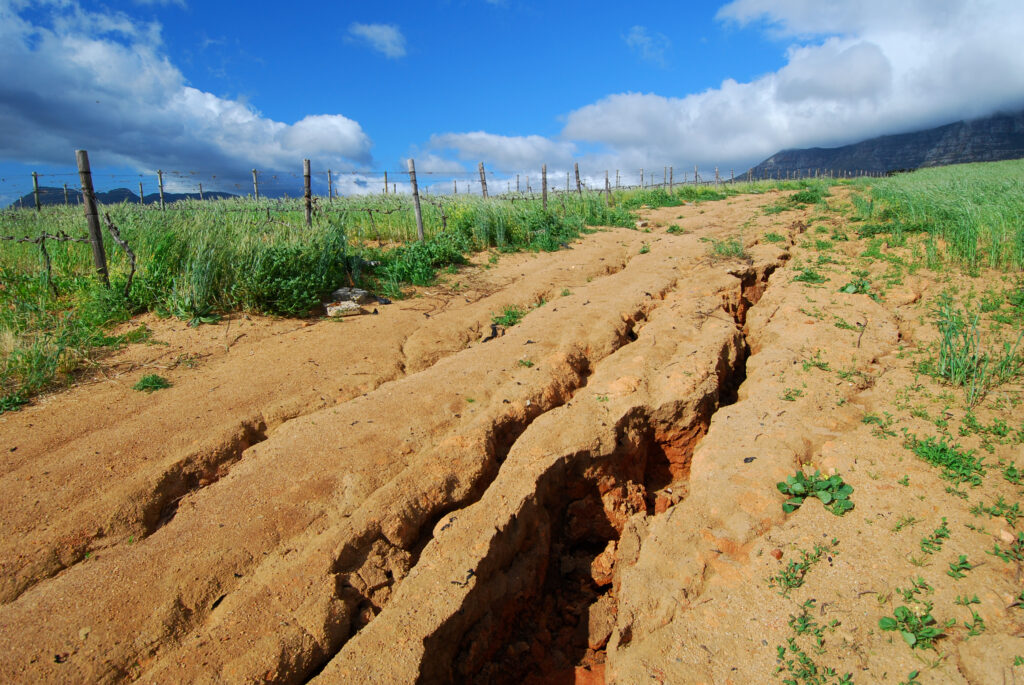
It's not for the faint of heart Going no-till certainly has been picking up steam in recent years, and overall it’s a good thing. When I first got involved in viticulture back in 2010 I was living in Italy. Like a lot of Mediterranean viticultural areas, there was a tendency to disc everything all the time. If you didn’t have a barren wasteland with vines poking out of it, you weren’t a good farmer. Anything you couldn’t get to with a tractor you sprayed with herbicide. One of my first vineyard jobs in Italy was spraying glyphosate out of a backpack sprayer all spring. I felt like I was in the final scene of the Godfather! Minus the dying part. Herbicide: the new four-letter word Mentalities have shifted since then both in Europe and here in the states. All in all it’s a good shift. We’ve all seen places that have gone on for years and years using herbicide to a point where you don’t even need to spray it anymore because that soil is so d
00
September 30, 2024
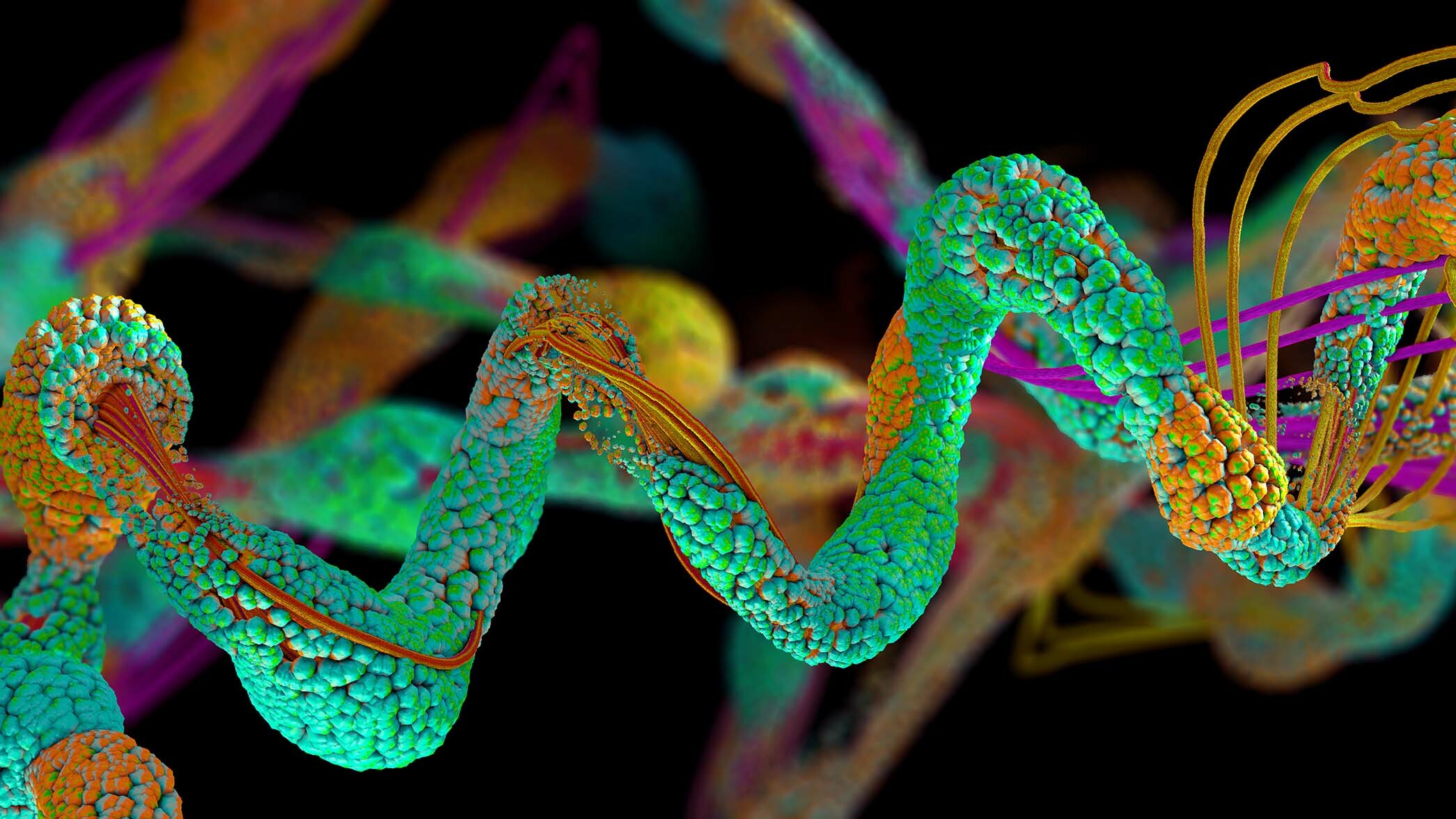
Why Yeast-Based Nutrients are Better than DAP: Organic vs. Inorganic Nitrogen Learn why organic yeast nutrition is an important part of wine quality wine production and helps to ensure reliable fermentation. What's the Difference? Diammonium Phosphate (DAP) Inorganic Nitrogen Inorganic nitrogen is supplied as ammonia (NH3). The most common winemaking source is diammonium phosphate (DAP), which can be found as a standalone nutrient or can be part of a blended nutrient (DAP with inactivated yeast). Yeast-Based Nutrients Organic Nitrogen Organic nitrogen is supplied as amino acids. Common winemaking sources are nutrients derived from autolyzed yeast. These nutrients supply up to 19 different amino acids as well as naturally occuring vitamins and minerals from yeast. Why Choose Yeast-Based Nutrients Although yeast like DAP, it is akin to junk food. Yeast use it quickly and have a metabolic response much like a "sugar rush." Yeast based nutrients are more like a bala
00