
Filter Post Type
NewsVideoProductEventLink
Sort:
Most Recent
1–10 of 19

Dry January is no longer just a health challenge or a new-year reset—it’s a global movement. But here’s the kicker: savvy brands know that real success in the no- and low-alcohol (No/Low) category comes from building momentum well beyond one month. At BevZero, we help our clients turn the buzz of January into a sustainable, year-round beverage strategy using expert product development, cutting-edge dealcoholization services, and full-spectrum beverage solutions. Let’s talk about how. Why Dry January Is Only the Beginning Dry January consistently delivers a spike in consumer interest, online searches, and sales for No/Low products—especially non-alcoholic wines, beers, and spirits. But interest doesn’t flatline in February. In fact, there are multiple high-impact moments throughout the year where brands can meet growing demand: Spring (March – May): Holidays like St. Patricks, Easter, and Mothers Day can be a great time to provide low or no
00
June 23, 2025
For centuries, sulfur dioxide (SOâ‚‚) has been the trusted guardian of wine for preserving freshness, preventing oxidation, and controlling microbial populations. But with changing consumer preferences, evolving regulations, and advancements in enological science, many winemakers are rethinking their reliance on traditional SOâ‚‚ regimes. At ATPGroup, we recognize that while SOâ‚‚ remains a powerful tool, it’s no longer the only one. For winemakers looking to reduce or eliminate sulfur additions, a range of solutions is available that support microbial stability, freshness, and shelf life without compromising quality. Why Reduce SOâ‚‚? There are several reasons winemakers may choose to reduce sulfur use: Consumer demand: Increasing numbers of wine consumers are seeking "low-intervention" or "low-sulfite" wines due to perceived health concerns or personal sensitivities. Labeling requirements: In many markets, wine
00

June 9, 2025

"It's Complicated": Preparing for New EU Labeling Requirements
Starting with wine made with grapes from the 2024 harvest, still wines sold in the European Union must include ingredient and nutritional information. By
00
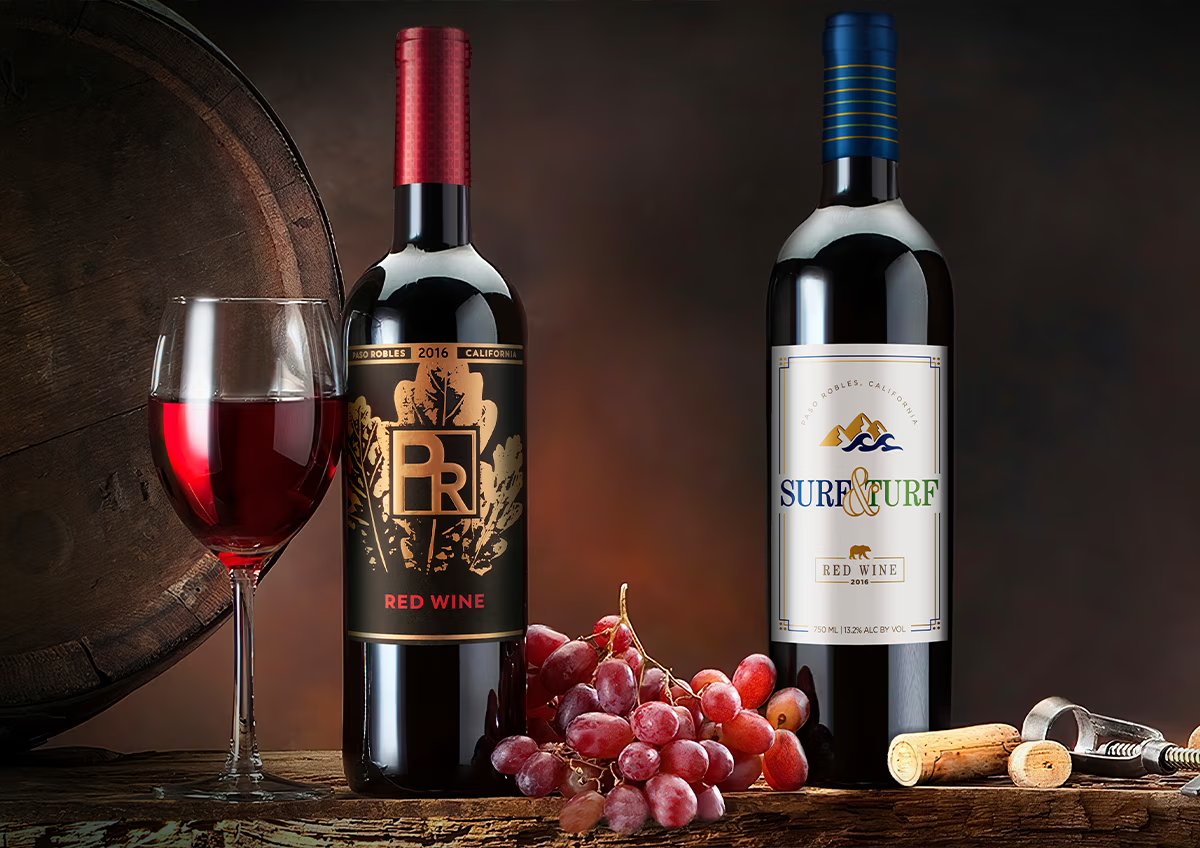
A look at the trends influencing wine packaging design & innovation. Introduction U.S. wine total volume is expected to remain relatively flat for the next several years, while value will grow due to price increases and the persistence of the premiumization trend. In the crowded and increasingly challenging wine market, effective package design can help a brand get noticed and appeal to consumers. This report looks at several key trends impacting wine package design, from authentic storytelling to interactive engagement to environmentally and socially responsible solutions. Authenticity According to a recent GlobalData study, three out of four consumers consider product/brand authenticity essential or nice to have when making purchase decisions. This attitude is especially true among older generations and higher-income earners, a key demographic for wine sellers. Authentic brands are perceived as genuine, original, and transparent, providing quality assurance and trust. Euromon
00
April 18, 2025

In an era where consumers are increasingly focused on diet to maintain a healthy lifestyle, the U.S. Food and Drug Administration (FDA) and other groups are taking steps to help Americans better understand food and beverage labels. The agency's recalibration of the "healthy" labeling criteria and introduction of a front-of-pack nutrition label offer the potential to reshape food product development while empowering consumers to make more informed dietary choices. Redefining 'Healthy' The FDA's definition of "healthy" has remained mostly unchanged since the 1990s, leading to a disconnect between scientific advancements in nutrition and food marketing. Under the new labeling rule, foods labeled as "healthy" must align more closely with the 2020–2025 Dietary Guidelines for Americans. The voluntary regulation goes into effect on April 28, 2025. Brand owners have three years to comply. There is no maximum or minimum type s
00

April 16, 2025

The TTB is once again considering making nutrition and allergen info required on wine labels. Industry members are encouraged to submit their feedback directly to the TTB via their simple online forms. You have until August 15th to submit. Tell the TTB by August 15th
00

Instant Additive Detection Makes Labeling a Breeze A new way to detect ascorbic acid, fumaric acid and sucrose in wine saves time and costs when checking for additives in finished wine. Tests take 30 seconds and do not involve the use of chemicals or reagents. A rapid and convenient test for detecting additives in wine is now available for the WineScan™ 3 analyser. Instead of using time-consuming enzymatic methods involving the use of chemicals and reagents, winemakers, bottlers and traders can test for the presence of sucrose, fumaric acid and ascorbic acid at the touch of a button. Results are presented within 30 seconds in the same way as with the the many other tests available with the WineScan 3. Many Labelling Parameters in a Single Test The availability of the three new additives tests comes at a time when the list of required declarations on wine bottles is growing. Among these, the new EU regulation introduced in 2024 states that information on ingredients, allerg
00

Afternoon Brief: Wine Labeling Up in the Air
The federal Alcohol and Tobacco Tax and Trade Bureau (TTB) is currently taking public comments on a proposed rule about nutritional labeling on alcohol. Sadly, information that a wine lover might actually want to know - residual sugar, and any additives - is not under consideration...
Press Democrat North Coast Wine ChallengeClarksburg Winegrape Growers AssociationCabFranc-A-PaloozaNashville Wine AuctionEastwood Farm and WineryGérard Basset FoundationChampagne Laurent-PerrierVeenow VineyardChateau RayakCrafted ERPTerlato WinesDP&F LawPage Springs CellarsWine Compliance AllianceAgCodeThe Personnel PerspectiveMercedes Benz of Santa RosaDonum EstateRavenswood WineryDomaine CarnerosCellar 33
00

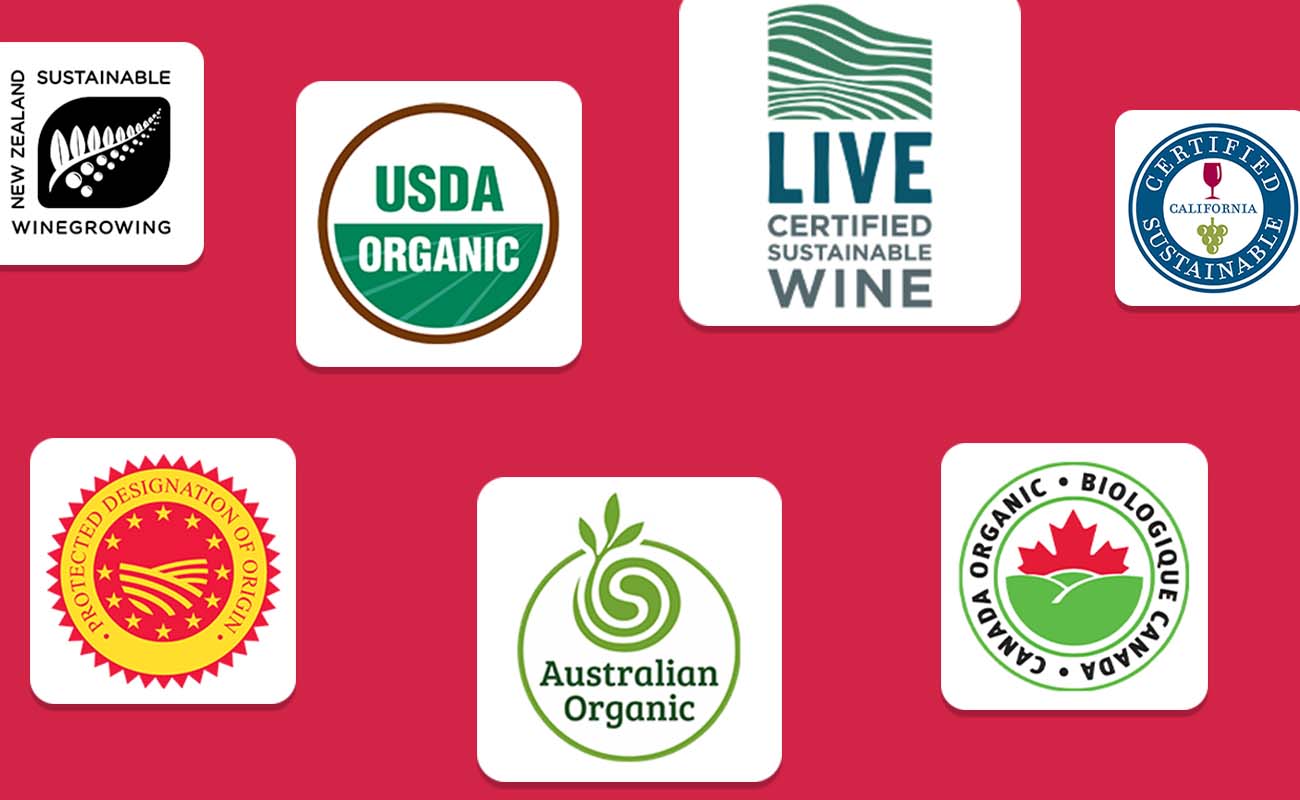
Grab the new guide from Outshinery ⬇ Navigating wine labels: understanding the nuances of wine label regulation It's an intro to wine labeling worldwide, including nutritional transparency. and certification claims. Get your copy
00
January 17, 2024
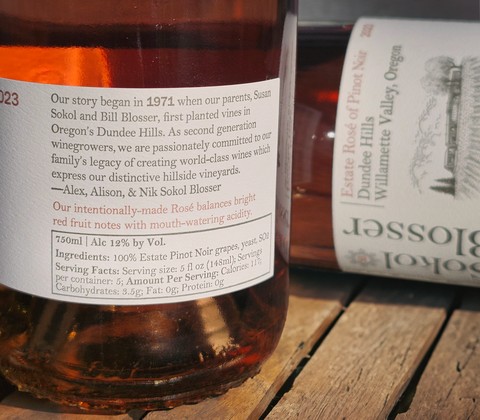
Sokol Blosser Adds Nutrition and Ingredient Information to Wine Labels
New Label Debuts on 2023 Estate Rosé of Pinot Noir, Launching Now Dundee Hills, Ore. – Jan. 17, 2024 – Sokol Blosser Winery, a pioneering family-owned and -operated winery, is […]
00