
Filter Post Type
NewsVideoProductEventLink
Sort:
Most Recent
1–5 of 5

June 23, 2025
For centuries, sulfur dioxide (SOâ‚‚) has been the trusted guardian of wine for preserving freshness, preventing oxidation, and controlling microbial populations. But with changing consumer preferences, evolving regulations, and advancements in enological science, many winemakers are rethinking their reliance on traditional SOâ‚‚ regimes. At ATPGroup, we recognize that while SOâ‚‚ remains a powerful tool, it’s no longer the only one. For winemakers looking to reduce or eliminate sulfur additions, a range of solutions is available that support microbial stability, freshness, and shelf life without compromising quality. Why Reduce SOâ‚‚? There are several reasons winemakers may choose to reduce sulfur use: Consumer demand: Increasing numbers of wine consumers are seeking "low-intervention" or "low-sulfite" wines due to perceived health concerns or personal sensitivities. Labeling requirements: In many markets, wine
00

October 31, 2024
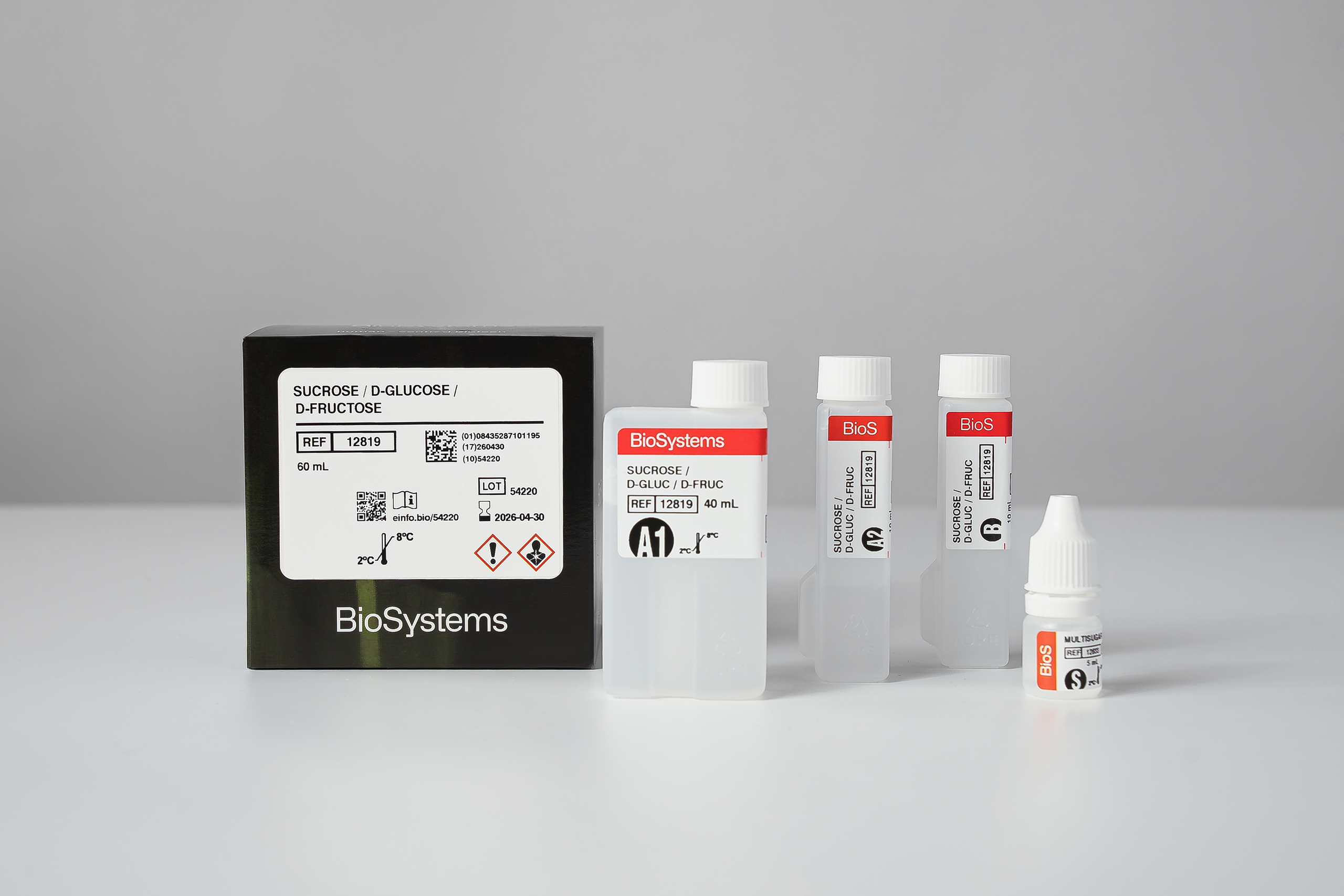
Did your crop come in a bit heavy this year? After harvesting a bumper crop, laboratories need precision in their quality control. One indispensable tool for maintaining consistency and excellence in winemaking is the use of automatic analyzers in the laboratory. Admeo’s partners at BioSystems sophisticated instruments provide real-time actionable data on key parameters, ensuring that each lot of grapes and wine meets the highest quality standards. Testing each barrel is easy with automated analysis. In this article, we'll explore how to use automatic analyzers to streamline quality control during a bumper crop. Malic acid is essential in a winery during a bumper crop as it provides valuable insights into the wine's tartness and aging potential. High levels of malic acid can contribute to a crisp and refreshing taste in white wines, but its presence in excess can make the wine overly acidic. Monitoring malic acid allows winemakers to decide whether malolactic fe
00
August 27, 2024

After harvesting a bumper crop, laboratories need precision in their quality control. One indispensable tool for maintaining consistency and excellence in winemaking is the use of automatic analyzers in the laboratory. Admeo’s partners at Biosystems sophisticated instruments provide real-time actionable data on key parameters, ensuring that each lot of grapes and wine meets the highest quality standards. Testing each barrel is easy with automated analysis. In this article, we'll explore how to use automatic analyzers to streamline quality control during a bumper crop. Select the Right Analyzer Through conversation with us about your specific winemaking needs, choose an automatic analyzer which is known for accuracy and reliability. The SPICA, Y200 and Y400 are all excellent options to consider for additions to your laboratory. Malic and Lactic Acid Malic acid is essential in a winery during a bumper crop as it pr
00
November 1, 2023
After harvesting a bumper crop, laboratories need precision in their quality control. One indispensable tool for maintaining consistency and excellence in winemaking is the use of automatic analyzers in the laboratory. Admeo’s partners at Biosystems sophisticated instruments provide real-time actionable data on key parameters, ensuring that each lot of grapes and wine meets the highest quality standards. Testing each barrel is easy with automated analysis. In this article, we'll explore how to use automatic analyzers to streamline quality control during a bumper crop. Select the Right Analyzer Through conversation with us about your specific winemaking needs, choose an automatic analyzer which is known for accuracy and reliability. The SPICA, Y200 and Y400 are all excellent options to consider for additions to your laboratory. Malic&nb
00

Nature always offers new possibilities This harvest, Chr. Hansen will offer producers a new strain of Lachancea thermotolerans with a unique metabolism – Viniflora® OCTAVE. Indeed, OCTAVE produces a remarkable quantity of lactic acid, stable over time, from fermentable sugars. As a result, the pH decreases and the total acidity increases. Bioprotection by "acidification" Intended for white and rosé wines from hot climates, where acidity is often lacking, the strain brings freshness and liveliness. Moreover, a part of the sugars being diverted towards the acid path, one can hope for a slight reduction in the alcoholic degree. Finally, spontaneous malolactic fermentation - often undesirable in the case of white and rosé wines - is inhibited, under the action of lactic acid. This bioprotection may be accompanied by a reduction in sulfites, as they remain more in the molecular form at low pH. Their action is more effective at lower doses. Tartaric acid add
10