
Filter Post Type
NewsVideoProductEventLink
Sort:
Most Recent
1–10 of 26
April 6, 2026
Enartis USA announced the promotions of Amy Jensen to Sales Manager and James Allen to Applied Innovation Manager, effective March 2026. These strategic appointments underscore the company’s evolution from a traditional enological product supplier into a comprehensive partner for integrated winemaking solutions, engineering services, and applied research. Strengthening Leadership for a Modernizing Industry Producers across North America are actively navigating tightening margins, shifting consumer trends, and increased demands for operational efficiency. To meet these challenges head-on, Enartis is expanding its leadership structure to deliver connected, cross-disciplinary expertise that bridges enology, and engineering. “The wine industry is moving from reactive decision-making to predictive control, and our leadership must reflect that,” said Francesco Bergaglio, CEO of Enartis USA. “Amy and James intimately understand the operational and financial pressures o
00

March 11, 2026
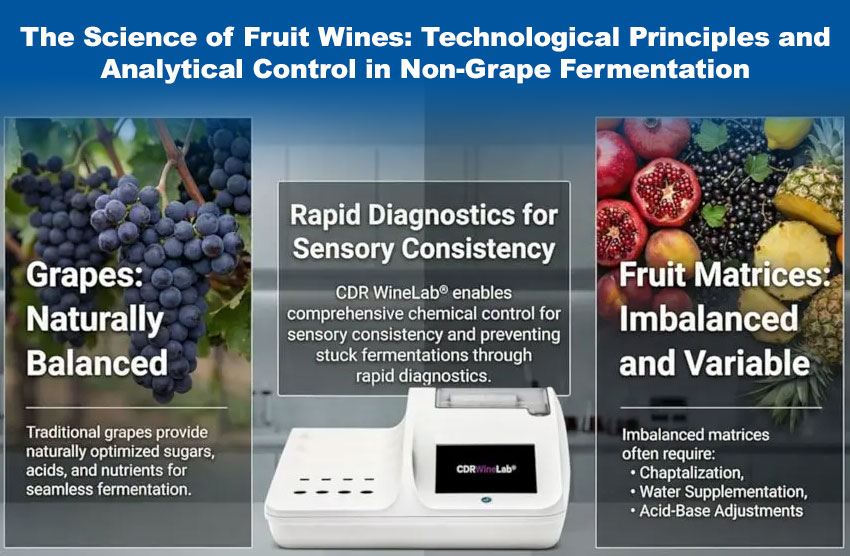
** CDR WineLab In-Stock - Immediate shipping available ** The Science of Fruit Wines: Technological Principles and Analytical Control in Non-Grape Fermentation Defining Fruit Wines: Chemical and Technological Distinctions In modern oenology, fruit wine production has transcended its origins as a rural craft to become a highly specialized sector of food science. The transition from artisanal production to a global industrial category relies on a deep-seated understanding of the unique chemical matrices presented by non-grape fruits. Unlike viticulture, where the raw material is often naturally optimized for fermentation, alternative fruit substrates—such as pomegranate, fig, and various berry species—exhibit diverse polyphenolic profiles and acid concentrations that demand precise technological interventions to ensure product stability and commercial viability. Fruit wines are characterized as non-distilled alcoholic beverages, typically containing 5% to 13% alcohol
00
February 10, 2026
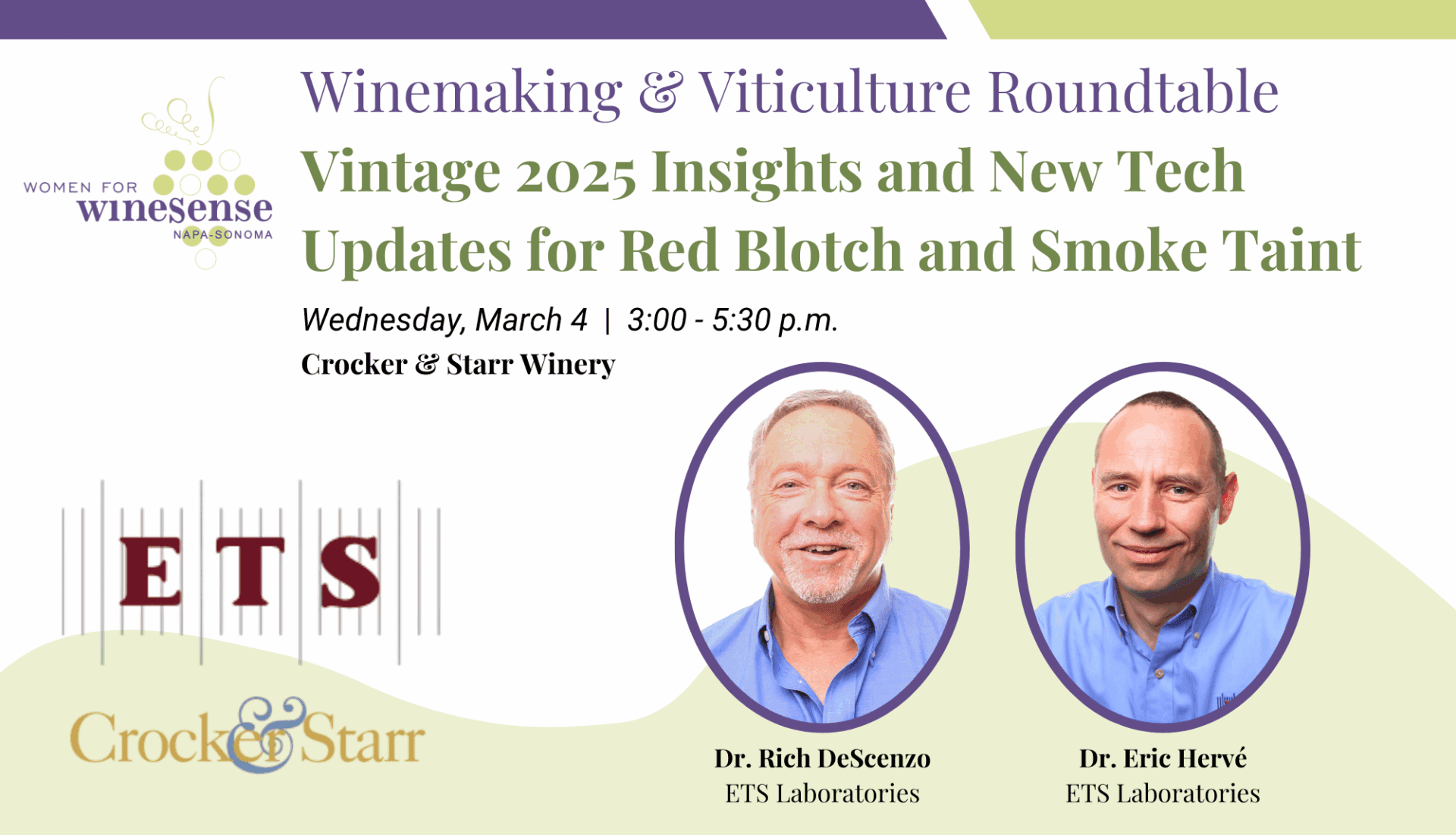
February 10, 2026 (Napa / Sonoma, CA) — On Wednesday, March 4, 2026, from 3:00 – 5:30 p.m., the Winemaking & Viticulture Roundtable of the Napa-Sonoma chapter of Women for WineSense (WWS) will host a timely proprietary technical presentation, “Vintage 2025 ETS Insights and New Tech Updates for Red Blotch and Smoke Taint.“ The event opens with a networking wine mingle at Crocker & Starr followed by a behind-the-scenes production tour and an engaging technical viticulture and winemaking research presentation and discussion with guest experts from ETS Labs research scientists Dr. Rich DeScenzo and Dr. Eric Hervé. This presentation will focus on actionable information to help winemaking and viticulture attendees get a strategic first look at vintage 2025 overall, plus the latest technological updates related to Red Blotch disease and smoke taint. Attendees will hear this first synthesis of proprietary 2025 data and the additional research,
00

December 16, 2025
Plata Wine Partners is a premium “vineyard-to-bottle” production house rooted in California’s top coastal AVAs. With more than 20,000 acres of sustainably managed vineyards, Plata provides bulk-wine, private-label, and custom-program solutions for brands of all sizes. Their team brings together expertise in viticulture, winemaking, production, and finance to deliver programs aligned with modern consumer preferences. As the business evolved, Plata recognized that their Winemaker’s Database (WMDB) system lacked the accuracy, speed, and real-time visibility required by a 12+ facility production model. Plata implemented InnoVint in 2024, and the difference after just one harvest was remarkable. The Challenge: A System That Slowed Down the Entire Business Before InnoVint, Plata’s production and finance teams were burdened by manual processes that made everyday work harder and introduced costly risk. Excessive manual data entry. Every two weeks, the
00
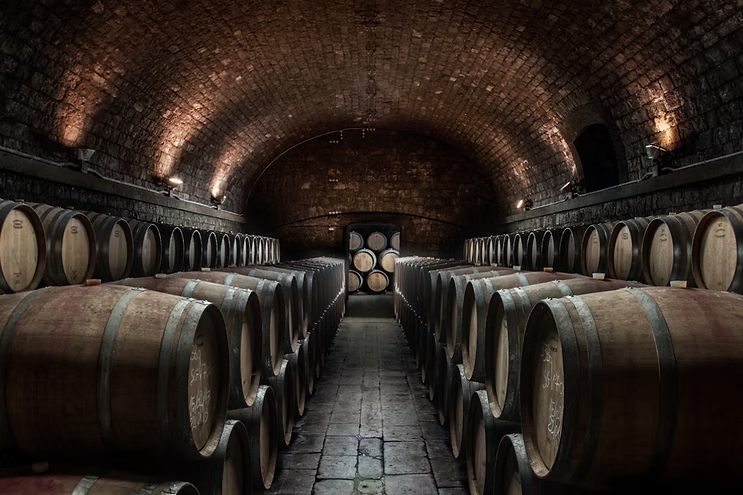
With the first days of summer upon us, we would like to share some information about our premium 100% Hungarian Oak barrels, made by European Coopers Hungary; the third largest cooperage in Hungary. European Coopers Hungary is completely vertically integrated, with direct control of sourcing and production, from the forest to splitting, seasoning, and toasting. Managing every step of the process to ensure quality and consistency. European Coopers Hungary - History European Coopers Hungary was founded in 1997 by Master Cooper Kristóf Flódung together with renowned representatives of the Italian wine industry including Piero Antinori from Tuscany's Marchesi Antinori, Eugenio Gamba from Piemonte's Botti Gamba and Jacopo Mazzei from Tuscany's Marchesi Mazzei. The goal of European Coopers Hungary was to produce 100% Hungarian oak premium barrels for noble Italian wines. European Coopers Hungary - Today European Coopers Hungary produces roughly 2,
00
May 19, 2025
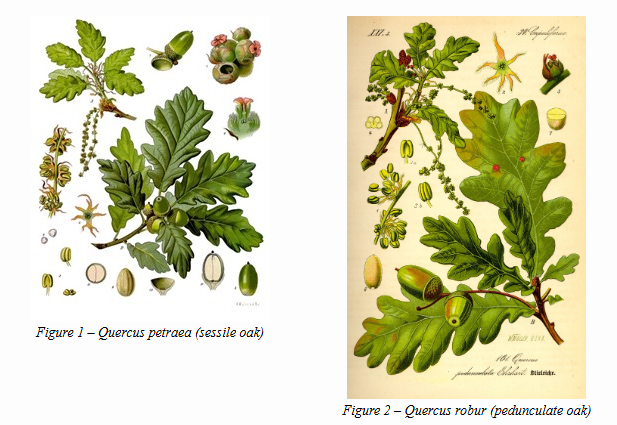
Introduction Coopers have long recognized the importance of forest origin in shaping the sensory qualities of wine, yet relatively little research has been conducted to understand the underlying factors driving these effects. With access to oak sourced directly from several prestigious and historically significant French forests through our company-owned stave mill in northeastern France, we saw a unique opportunity to investigate how forest terroir contributes to wine expression. This study was conducted for our TW Boswell brand of French oak barrels and aimed to evaluate whether specific forest origins impart distinct chemical and sensory characteristics to wine. We selected three single-origin forests – Allier, Tronçais, and Nièvre and a blend composed of Bertranges, Bercé, and Russy – to compare the influence of each on wine aged in barrels crafted with TW Boswell’s proprietary toasting profiles. Our goal was to better understand the role of f
00

April 29, 2025
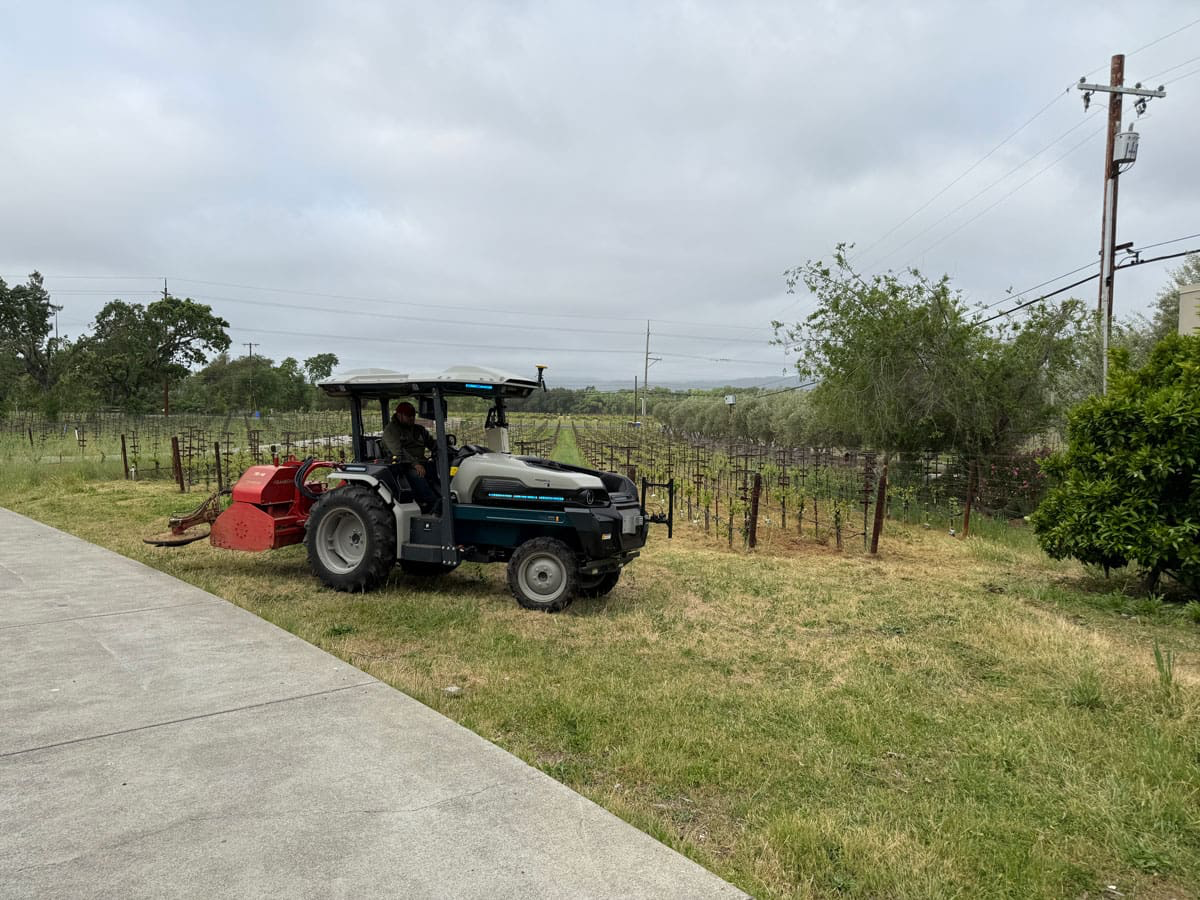
Better Together: Scout + Monarch Partner to Power a New Era of Sustainable Vineyard Management Scout, the leader in AI-supported precision viticulture data platform, and Monarch Tractor, the pioneer of the fully electric, driver-optional tractor, and smart MK-V tractor, have announced a strategic partnership to provide vine-level mapping and analysis during standard MK-V operations; maximizing the value of each tractor pass and further reducing a vineyard’s carbon footprint. The collaboration pairs Scout’s AI-supported actionable plant insights with Monarch’s zero-emissions operations, enabling more regenerative, biodynamic, and organic practices in modern viticulture that also unlocks significant savings for a farm. A Shared Vision for the Future of Farming “Practices like organic, biodynamic, and regenerative farming demand greater surveillance and precision at the vine level– that’s why Scout exists,” says Kia Behnia, CEO of Scout. &ldq
00
February 3, 2025
Join us for this complimentary technical webinar on Acidification Toolkit: Strategies for pH Management in Climate-Challenged Viticulture. Thursday, Feb 20, 2025 9:00 AM - 10:00 AM PSTIn an era where climate change is fundamentally altering wine composition, managing pH and acidity has become a critical challenge for modern winemaking. The increasing occurrence of high pH wines with elevated alcohol content not only compromises sensory qualities but also poses significant stability risks. This technical webinar provides a comprehensive analysis of acidification approaches, from traditional chemical interventions to innovative biological solutions. We will explore: The chemical acidification techniques Physical methods including ion exchange technologies Biological acidification processes Harvest timing strategies Blending protocols Speaker: Professor Antonio Morata, University of Madrid (Spain) Got a question about the webinar, email us at gusmerwine@gusmerenterprises.com www.G
00

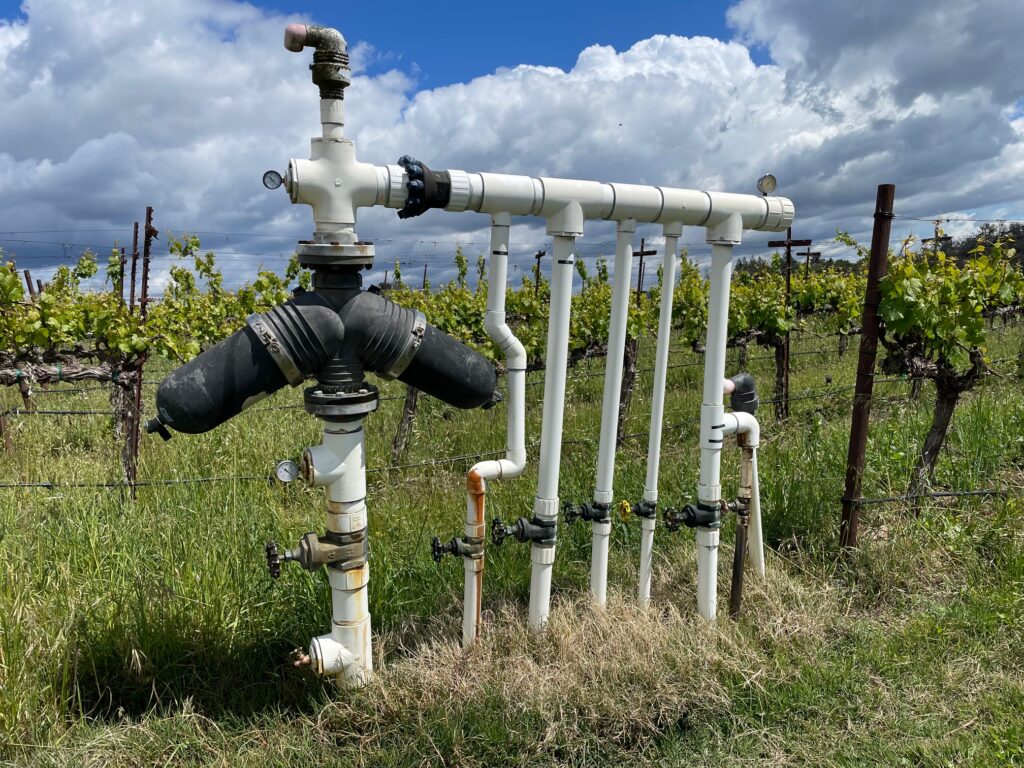
Read this first! As agricultural consultants in California, irrigation consulting during the growing season is our bread and butter. A lot of times, especially in vineyards with lighter soils where I recommend short and frequent irrigations, I know my desired schedule amounts to a tall order. Not everyone can feasibly do two hours, three times a week. No matter what’s best for the vines, I have to work with a human irrigator, who is still going to turn the valve on at 5 pm and turn it off at 7 am the next day. In a lot of cases, this amounts to a vineyard that is both over- and under-watered: the 14-hour irrigation percolated past the rootzone in under 3 hours and the rest of the week (after the root zone water was depleted) the soil was dry as a bone. So, I’m happy to see so much interest these days in valve automation. I’m also apprehensive because I’ve automated valves and it’s not a silver bullet. It’s not any bullet. It’s a useful tool t
00
August 6, 2024
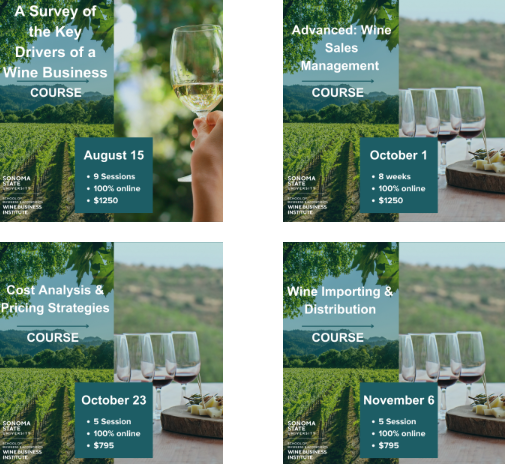
Fall is just around the corner and with it comes harvest and 4 compelling Wine Business courses! Our efficient online format makes taking these classes a breeze. Continue reading to discover more about our upcoming courses. A Survey of the Key Drivers of a Wine Business Intermediate Wine Business Management course | August 15 - October 10, '24 This 8-week course, taught by esteemed instructor David Bower, offers a comprehensive exploration of key aspects in the modern wine industry, emphasizing current practices and future opportunities. Students delve into vital areas such as regulations, production, distribution, sales, and marketing, gaining insights from operational wineries. The course culminates in a SWOT project, where students apply their knowledge to analyze a wine business/brand. Learning Objectives: Understand viticulture, enology, production, marketing, distribution, and sales. Evaluate alternative approaches and associated costs. Assess the contribution of compo
00