
Filter Post Type
NewsVideoProductEventLink
Sort:
Most Recent
1–10 of 24
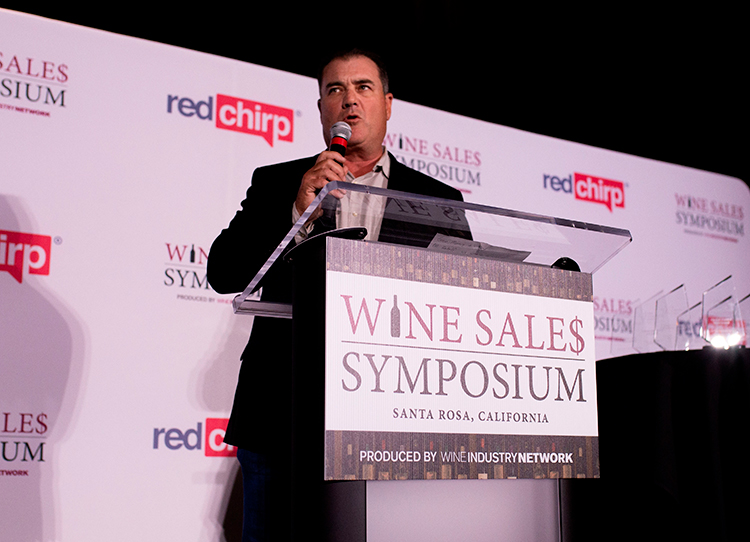
Winery leaders and industry experts explore the strategies shaping the future of wine sales. The wine industry narrative over the past two years has been dominated by decline: falling consumption, shrinking distributor portfolios, and weakening consumer loyalty. The headlines suggest an industry in freefall. But the reality is more nuanced - and more useful. Yes, overall wine consumption continues to face pressure. Consumer behavior is fragmenting in ways that challenge traditional approaches. But the full story isn’t simply decline. It’s divergence. Some wineries are still growing. Some categories are holding steady while others contract. Some sales channels are thriving while others struggle. The difference often comes down to whether wineries have adapted their strategies to match the market that exists today, not the one that existed three years ago. At Wine Industry Network’s Annual Wine Sales Symposium on May 13, Dr. Chris Bitter will present research on what’s actually happening
00
March 16, 2026
Transporting liquid products efficiently and safely is a critical part of production. From grape must to finished wine, every stage of the process requires containers that protect the product, reduce costs, and minimize environmental impact. Container Logic offers a solution that addresses all these needs: collapsible intermediate bulk containers (IBCs). What Are Collapsible IBCs? Intermediate bulk containers (IBCs) are a versatile method for transporting large quantities of liquid food-grade materials. Unlike rigid single-use containers, collapsible bins are designed to fold down when empty, making them reusable, space-efficient, and environmentally friendly. Their durable construction ensures that liquids remain protected during transport, while the foldable design simplifies storage and return logistics. Key Benefits of Collapsible Bins Reduced Packaging Waste Traditional single-use containers generate significant waste with every shipment. Collapsible bins minimize the need f
00

Best Wine Club Management Software for Wineries (2026 Quick Guide) Your wine club is likely your most predictable DTC revenue stream. Members buy on schedule. They purchase more outside of shipments. They refer friends. According to Silicon Valley Bank’s State of the U.S. Wine Industry Report, direct-to-consumer revenue, particularly wine clubs, remains one of the most controllable and margin-protective channels for wineries. Yet many wineries are still running their wine club: Manually Across disconnected systems On software not built for winery operations That friction quietly costs money every week. What Wine Club Software Should Actually Do in 2026 At minimum, your system should: 1. Increase retention Flexible club levels and shipment schedules Clear, automated member benefits Customization options that members value 2. Reduce revenue leakage Automated expired card updater Clean billing workflows Fewer manual errors 3. Speed up tasting room enrollment POS-connected s
00

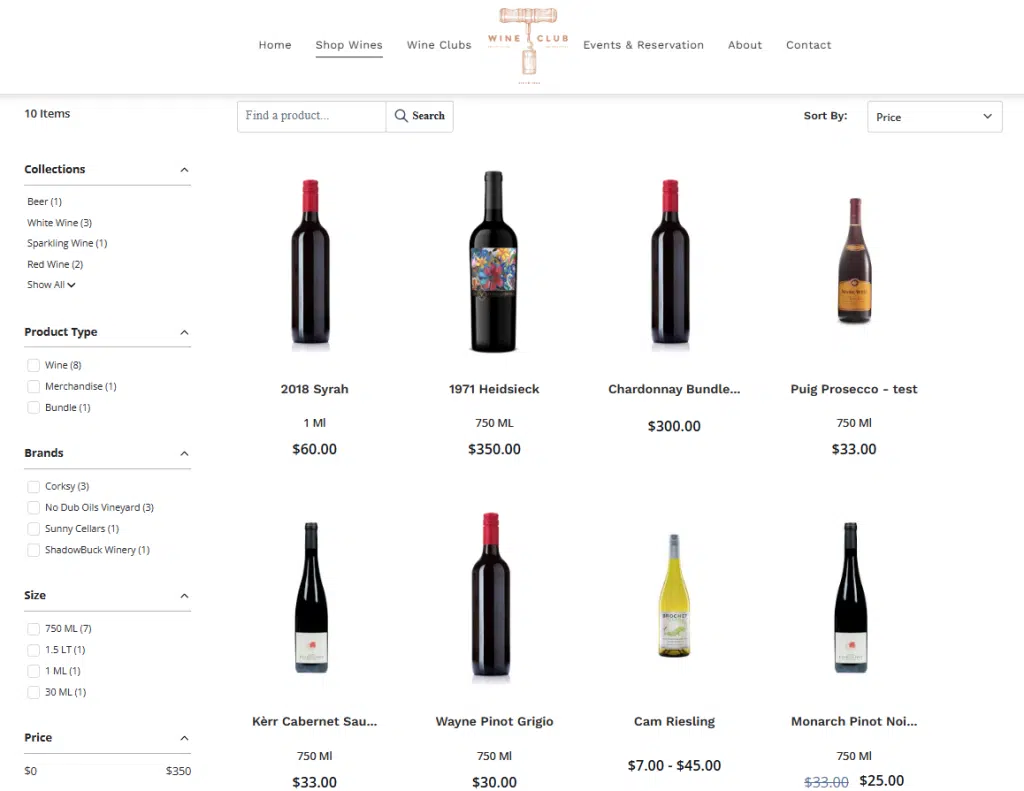
A few years ago at the DTC Wine Symposium, a panelist joked about the modern winery website formula: the guy, the dog, the truck, and the vineyard. Beautiful backdrop, strong lifestyle photography, a thoughtful founder story. Polished, absolutely. Strategically distinct, rarely. The critique wasn’t about branding. It was about structure. Most winery websites aren’t broken, but they aren’t built as decision environments either. Calls to action are unclear, revenue pathways are buried, shipping surprises appear late, and wine club often lives in isolation instead of throughout the buying journey. After auditing winery sites across regions and production sizes, the pattern is consistent: performance is constrained by friction, not effort. Most wineries don’t have a traffic problem. They have a conversion architecture problem. Before increasing ad spend or launching another promotion, run a winery website audit — on your phone. Start at the homepage and move t
00
February 12, 2026

On April 7-8, 2026, a collection of esteemed wine professionals will gather in Santa Rosa, Calif., to evaluate entries in the 2026 Press Democrat North Coast Wine Challenge. Competition managers are now accepting entries for the 14th annual NCWC, considered among the most prestigious wine challenges in the United States. This regional competition rates wines exclusively produced and bottled in Northern California’s premier winegrowing region to determine which wines are considered the Best of the Best. Eligible wines must be made from fruit sourced in the North Coast AVAs of Lake, Mendocino, Napa, Sonoma, Marin and parts of Solano counties. This includes any bottled wine labeled with these AVAs as their main source of grapes and whose winery is in California. “The Press Democrat North Coast Wine Challenge is unique in that only wines made from grapes grown in the six North Coast counties are allowed to enter,” says Daryl Groom, chief judge of NCWC. “With that, t
00

January 14, 2026
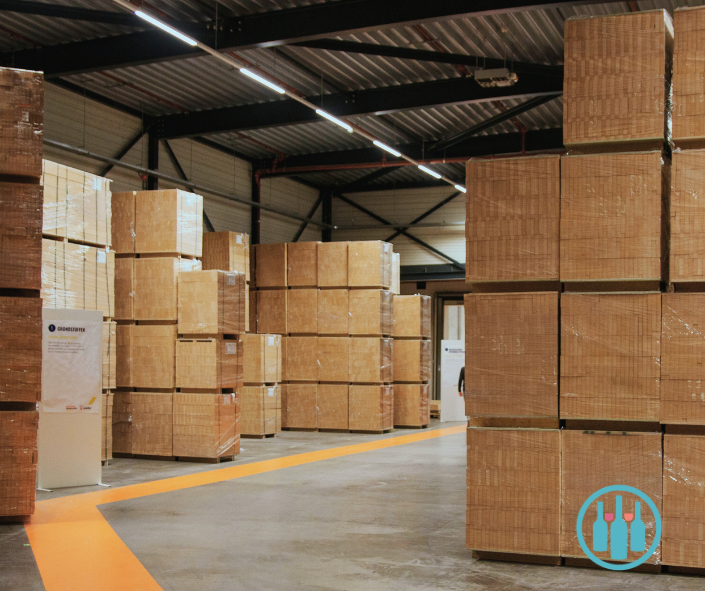
"Victory is the beautiful, bright-colored flower. Transport is the stem without which it could never have blossomed.” Winston Churchill In the evolving world of wine and spirits distribution, logistics has become one of the biggest barriers to growth for small and mid-sized Makers. Storage is in one place, bottling in another, compliance somewhere else entirely—and distribution? Too often, it’s the bottleneck that slows down otherwise incredible brands. LibDib is changing that. At the end of last year we announced two major partnerships—Corning & Company and WineDirect Fulfillment—that both point toward the same mission: eliminating logistics pain points for Makers and giving them a smoother, simpler, more cost-effective path to market. In terms of what these partnerships mean for the future of Maker-first distribution, we are focused on logistics that work for Makers, not against them. At its core, our strategy is simple: streamline everyth
00
.jpg)
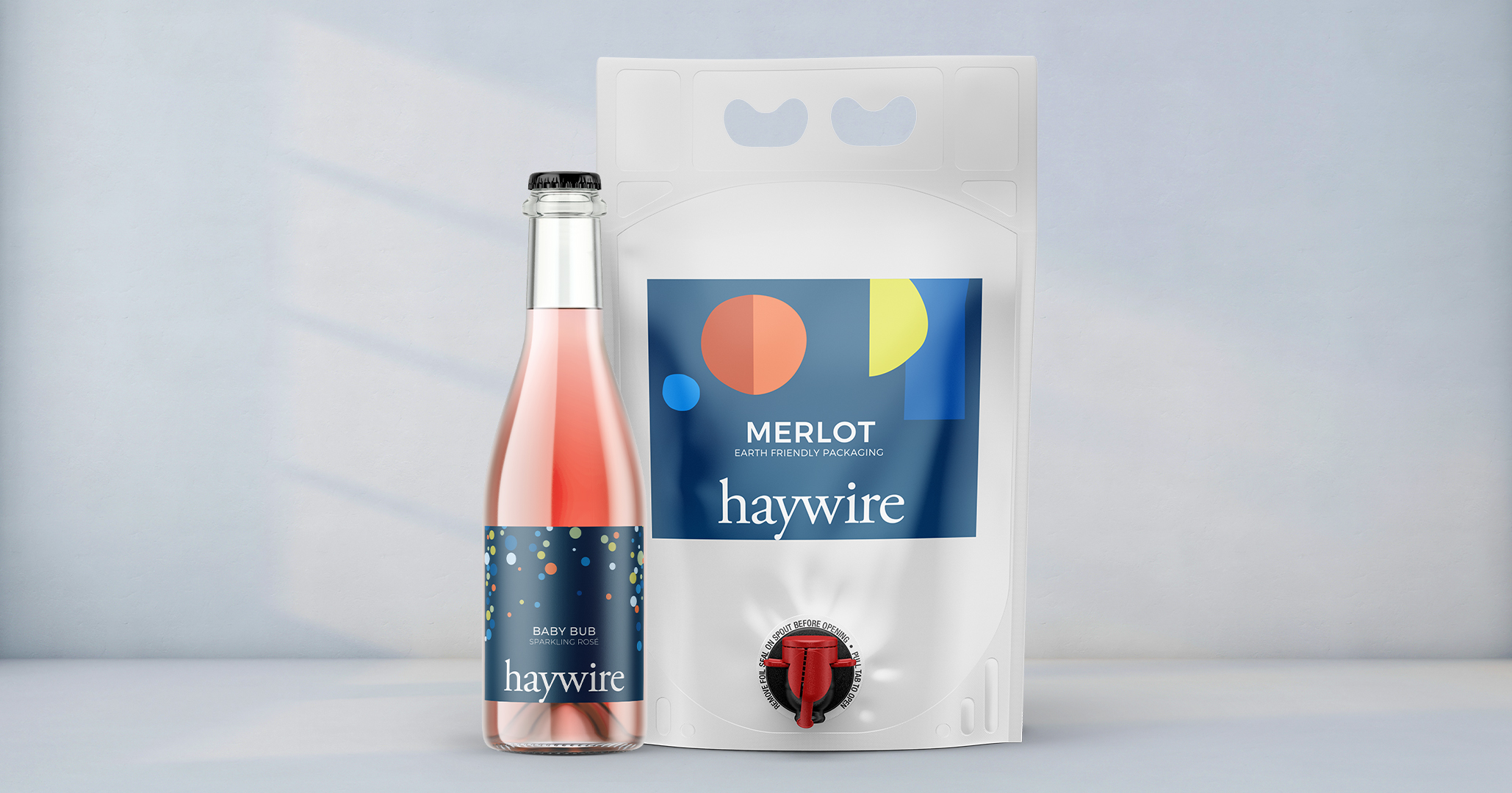
Consumers are drinking differently. Smart wineries are packaging differently. The wine industry is entering a moment where packaging innovation is no longer a nice-to-have. It is becoming essential. As consumer habits shift, wineries need to look seriously at how they will integrate new formats and sizes into their production plans. Smaller formats, single-serves, multi-packs, pouches, and other alternative packaging have all seen steady, quiet growth. This is not a fad. It is a response to how people actually want to drink wine today. Consumers are exploring more, committing less, and looking for ways to enjoy wine that fit their real lives. They want options that support moderation, convenience, sustainability, and trial. A four-pack of 250 mL cans allows someone to try a winery without buying a full bottle. A lightweight pouch is ideal for hiking or concerts. A half-bottle makes a midweek glass feel approachable rather than indulgent. When wineries resist these changes
00

November 12, 2025

Vineyard owners and grape growers lie awake at night trying to map a path to the future through today’s volatile market. Worries that run through their minds include the overflowing bulk market that is cancelling contracts and lowering grape prices, and the higher pay rates and immigration raids that are compounding an already stressed labor supply. Two clear steps forward are to lower operational costs and reduce existing staff workload. Automating irrigation management is a logical way to achieve this, as it reduces labor, water usage and materials costs. But small or mid-sized growers often forego these benefits because the automation price tag outweighs the return on investment. Instead, 95% of growers still choose to continue irrigating manually. Verdi addresses this ROI concern with affordable irrigation automation technology that growers and their teams can easily install themselves without any training. What makes Verdi unique is how its smart hardware and easy
00

October 21, 2025

A WINERY GUIDE TO AVAILABLE RESEARCH You know what’s better than spending ten grand on a focus group where Jan from accounting tells you your wine label “feels aggressive”? Doing your homework first. And no, we don’t mean journaling your feelings over a glass of Pinot. We mean secondary research—the overlooked, underloved MVP of marketing insight. While everyone else is out there reinventing the wheel with a clipboard and a budget they don’t actually have, smart marketers are quietly unlocking industry goldmines using data that’s already been collected. It’s like discovering your neighbor’s Wi-Fi is open and they happen to stream all the same shows you like—only more legal. Let’s break down this not-so-secret weapon. THE BOUGIE STUFF: COMMERCIAL SUBSCRIPTION DATA If you’ve got champagne dreams and a caviar budget, welcome to the gated community of NielsenIQ, IRI, Forrester, and Gartner. These firms offer beautif
00
.jpg)
Azmera unveils odoo for Wine: A Cost-Effective, Fully Integrated ERP Tailored for Winery Operations Napa, September 29th: Azmera today announced the launch of odoo for Wine, a powerful ERP solution designed to help wineries streamline operations, gain real-time visibility across finances, inventory, sales, and purchasing. Using the robust odoo platform and enhanced with wine-specific features, this enhanced wine-specific version offers wineries a modern, integrated alternative to outgrown accounting software and costly enterprise platforms. The full power of odoo for Wine comes from the pre-built integrations: by integrating with industry-leading wine-production apps like BlendedTech, Innovint, and Vintrace, as well as DTC platforms such as Commerce7, odoo for Wine provides a single source of truth for inventory—from additives to bulk and bottled wine - centralizing purchasing and unifying sales across wholesale and direct-to-consumer channels. odoo is a well-established and feat
00