
Filter Post Type
NewsVideoProductEventLink
Sort:
Most Recent
1–10 of 66
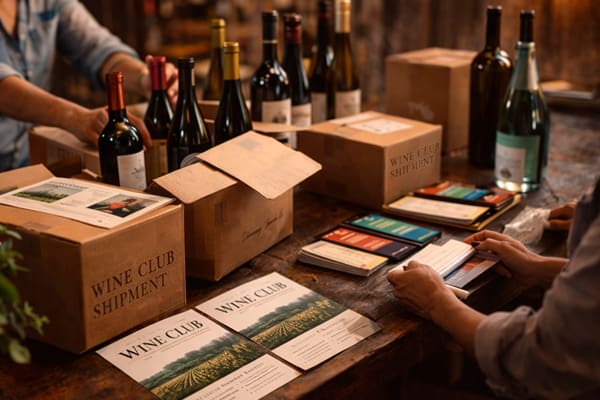
Why Wine Clubs Aren’t Working, And What’s Replacing Them For many wineries, the biggest challenge today isn’t attracting new customers; it’s keeping the ones they already have. Wine clubs once represented the most stable revenue engine for wineries. Members signed up, shipments went out quarterly, and predictable revenue flowed in. It was the foundation of direct-to-consumer success. But that foundation is cracking. Recent industry data reveals a troubling trend: nearly 40% of wine club members cancel within the first year. In a market where customer acquisition costs are climbing, and competition for attention has never been fiercer, losing members at this rate isn’t just a retention problem; it’s a profitability crisis. The math is unforgiving. If acquiring a new club member costs hundreds of dollars in marketing, tasting room labor, and incentives, losing them before they’ve generated meaningful lifetime value means wineries are bleeding money with every signup. And yet, some winer
00

From hospitality-driven visitation to loyalty and strategic partnerships, the Wine Sales Symposium explores where revenue growth is coming from now The path to winery growth looks different than it did even a few years ago. Today’s most successful wineries are not relying on a single channel or a single tactic. Instead, they are building growth through a combination of stronger customer experiences, deeper retention strategies, and brand partnerships that extend reach beyond traditional wine audiences. At this year’s Wine Sales Symposium, several sessions will explore how these shifts are reshaping sales and marketing strategies across the industry. One of the most important changes is happening in hospitality and visitation. Consumers—especially Millennials and Gen Z—are increasingly choosing experiences that feel personal, memorable, and aligned with their identity. For wineries, that means visitation is no longer simply about tasting wine; it’s about de
00

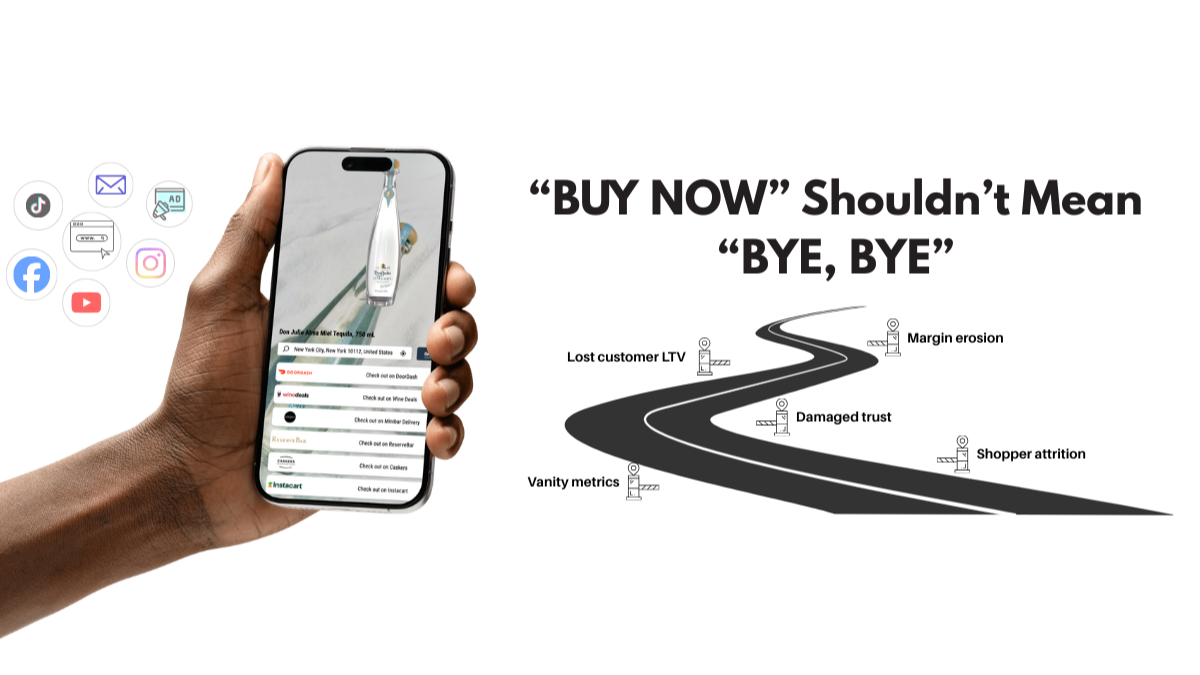
We live in a world where distributed brands have to do real work to help customers find the best and right place to buy, wherever they are. The old answer was the “retailer locator”: a sad cluster of outdated pins on a map, with no genuine path to purchase and a short whitelist of stores that ignore the majority of retailers selling your product. Antiquated Map Solutions Then “carting solutions” showed up. In theory, they were an upgrade of the experience: software that turns brand demand into a buy flow and gives you attribution along the way. In practice, they offer a path to purchase from a painfully limited roster of retailers, mostly big national chains plus marketplaces.Modern Carting Solution But in the U.S., most products don’t have clean, national-chain coverage. And most carting tools don’t have a multitude of smaller chains or independent retailers. So they do the expedient thing: when they can’t find a great retailer match, they
00

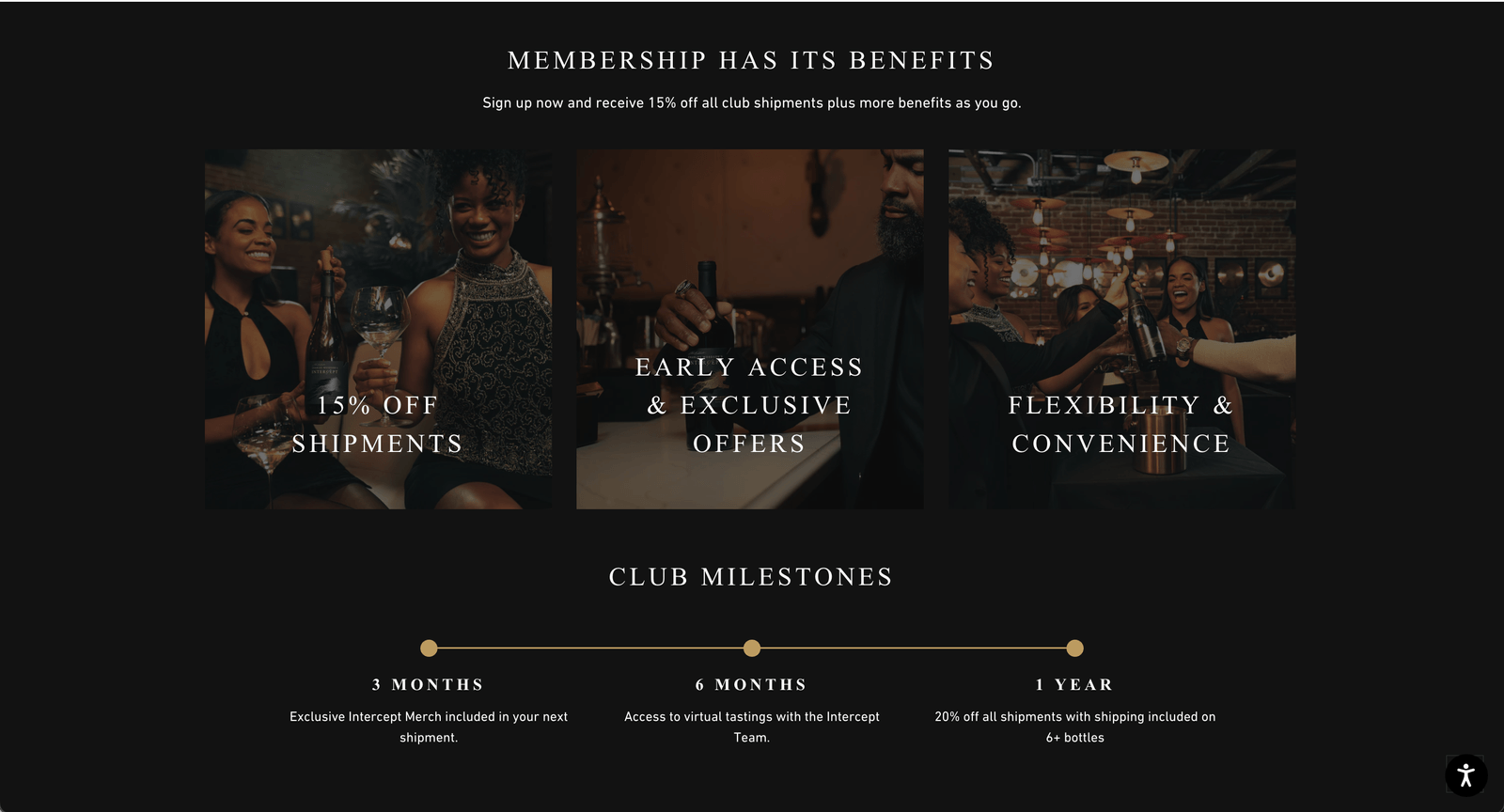
Looking for innovative ways to keep your wine club members engaged? Awtomic Moments lets you visualize and gamify retention—helping wineries build long-term loyalty, increase average order value, and create personalized rewards program When it comes to wine club retention, wineries often focus on the basics: great wine, exclusive perks, and occasional discounts. But what if you could gamify retention, making every shipment feel like a milestone and every year of membership feel like an achievement? That’s exactly what Awtomic Moments is designed to do. 🍷✨ What Makes Awtomic Moments So Unique? Awtomic Moments is an industry-first tool that visualizes a customer’s membership journey, making it easy to see: ✅ What rewards they’ve earned ✅ What’s coming next ✅ Why it’s worth staying in the club By gamifying retention, wineries can create excitement, anticipation, and long-term loyalty—turning passive subscribers into engaged advocates who s
00
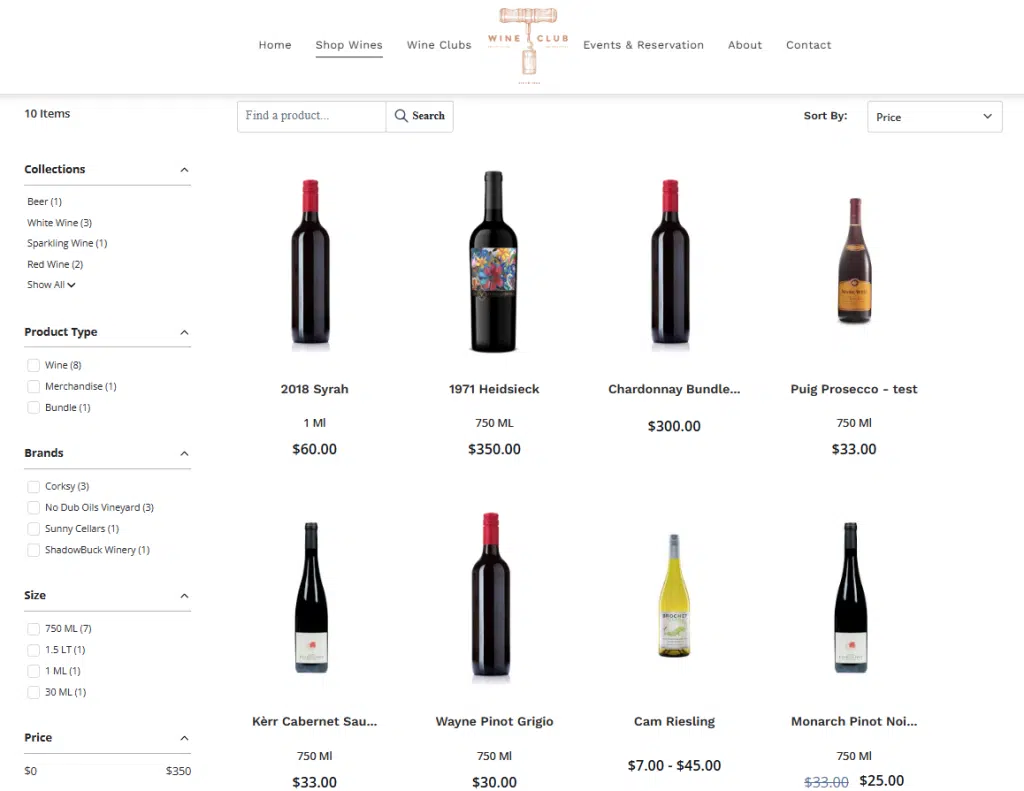
A few years ago at the DTC Wine Symposium, a panelist joked about the modern winery website formula: the guy, the dog, the truck, and the vineyard. Beautiful backdrop, strong lifestyle photography, a thoughtful founder story. Polished, absolutely. Strategically distinct, rarely. The critique wasn’t about branding. It was about structure. Most winery websites aren’t broken, but they aren’t built as decision environments either. Calls to action are unclear, revenue pathways are buried, shipping surprises appear late, and wine club often lives in isolation instead of throughout the buying journey. After auditing winery sites across regions and production sizes, the pattern is consistent: performance is constrained by friction, not effort. Most wineries don’t have a traffic problem. They have a conversion architecture problem. Before increasing ad spend or launching another promotion, run a winery website audit — on your phone. Start at the homepage and move t
00

Wine Club Retention Predict Churn Risk and Act Earlier Churn rarely starts with a cancellation. It starts with drift. What drift looks like • Stops opening emails • Engages less with releases • Buys less between shipments • Feels less connected while still “active” That is why retention is not one save campaign. It is a system. The fastest way to improve retention is to catch risk earlier, then focus your time on the members who are drifting. 3 signals that spot drift early Recency Recent opens, clicks, site activity, add-on purchases Do: simple check-in or personal invite Consistency A normally engaged member suddenly goes quiet Do: ask what they want more of, adjust cadence Value High lifetime value behaviors, add-ons, referrals, events Do: human outreach, recognition, insider access Match outreach to the moment VIPs who are drifting: personal outreach that feels hum
00


Selling your business is a monumental decision. Whether you’re ready to retire, pursue new ventures, or capitalize on your business’s value, the process requires careful planning and preparation. Selling a business is more than a financial transaction; it’s a personal one, too. Your hard work and dedication have built something remarkable, and transitioning that legacy deserves a thoughtful approach. This guide will walk you through the key steps to prepare for a sale, maximize the value of your business, and ensure you’re ready for what comes next. Are You Truly Ready to Sell? The first step in selling your business is determining whether you’re ready to part ways. This involves both financial readiness and personal readiness. Financial readiness requires an honest evaluation of the funds you’ll need for the next stage of your life. Can the sale price meet your financial goals, whether it’s supporting a new venture or funding your re
00

January 7, 2026

Ten years of data show execution, not traffic, is the defining factor in DTC success As wineries navigate softer tasting room traffic, rising costs, and heightened pressure on Direct-to-Consumer performance, a new white paper from WISE underscores a critical industry truth: sustainable DTC growth is driven less by volume and more by consistent execution inside the tasting room. The report, The Tasting Room Benchmark Report: 10 Years of Mystery Shopping Insights, draws on more than a decade of WISE Mystery Shopping data, analyzing 6,000+ real guest experiences across U.S. regions, winery sizes, and business models. The findings point to a persistent gap between strong hospitality and the behaviors that most directly influence revenue, loyalty, and lifetime value. WISE Mystery Shopping evaluates tasting room performance using a consistent, behavior-based framework that measures both hospitality and sales skills across more than 80 observable criteria. These insights r
00

December is when winery commerce systems reveal their true strengths — and their limitations. Busy tasting rooms. Holiday gift orders. Club shipments. Online traffic spikes. Staff moving fast across multiple channels. This is the moment when technology either supports growth — or quietly slows it down. The Difference Isn’t Just Sales. It’s Conversion. Most winery platforms can process transactions. Fewer are designed to support hospitality-driven conversion — turning visitors into buyers, buyers into members, and seasonal traffic into long-term relationships. That distinction becomes especially clear during the year’s final sales push. What High-Performing Wineries Do Differently They Use POS Systems Built for Hospitality High-volume tasting rooms need more than a checkout screen. The strongest systems support: fast, browser-based performance (no app lag) tabs, tables, flights, and food service quick workflows that keep staff present with guests
00

November 25, 2025
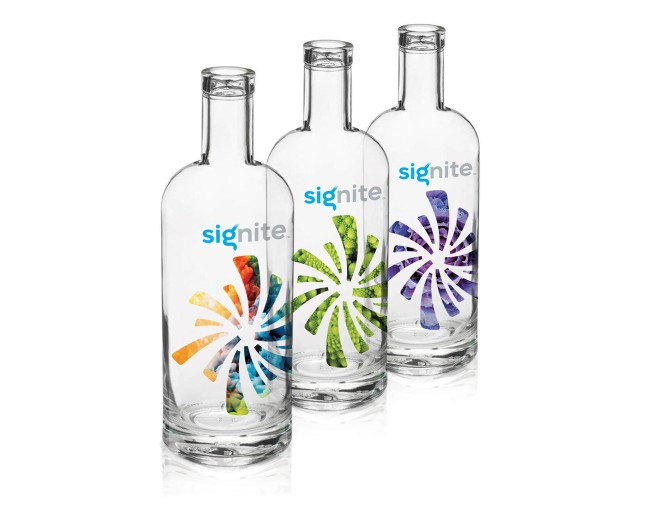
When it comes to packaging, a label is more than an identifier. It is a statement of brand quality and a reflection of a company’s values. That is why Signite, the innovative decorating solution from Actega, is attracting so much attention. And now, through Makro Labeling systems, this technology is available to producers in North America, exclusively through Prospero Equipment Corp. What Makes Signite Different Signite represents a new category of labeling. Unlike typical pressure-sensitive labels or direct-to-container printing, Signite combines a unique low-waste printing process with advanced application machinery. The result is decoration that is both beautiful and environmentally responsible. The benefits are clear: Lower waste throughout the production process Greater design freedom compared to traditional methods Improved recyclability and container reuse A premium look and feel that elevates brand presentation Highly Cost-competitive, and less expensive than many popul
00