Filter Post Type
NewsVideoProductEventLink
Sort:
Most Recent
Tagged:labeling
1–10 of 11

April 14, 2026
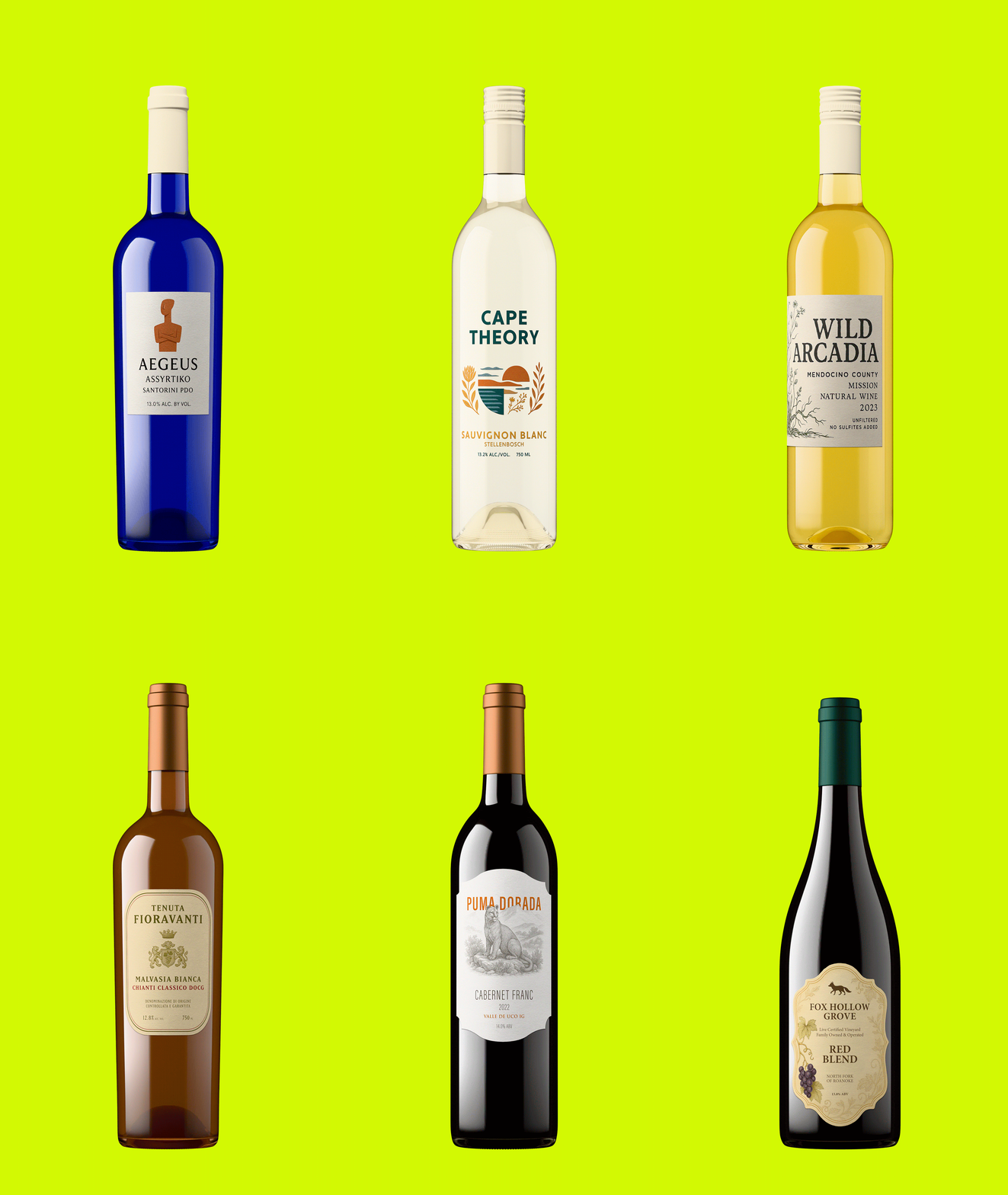
In March 2026, the TTB issued guidance on the use of AI-generated imagery in alcohol beverage advertising (read it here). The short version: AI-generated images used in alcohol marketing must comply with existing labeling and advertising regulations, including accurate representation of the product. This sounds obvious. But there's a nuance worth understanding if you're choosing how to produce your product imagery this year. The guidance applies broadly to any imagery categorized as AI-generated. The practical question it raises is how closely your vendor's process is anchored to your actual product. There's a meaningful difference between two approaches. A tool that generates a "wine bottle" from a text prompt or a rough photo produces something invented. A plausible bottle, not a representation of your real label, your specific closure, or your actual container. Whether it looks convincing is a separate question from whether it accurately represents your pro
00

October 28, 2025
The California legislature recently amended the California recycling labeling requirements for wine and spirits containers, making it significantly easier for wineries and distilleries to comply. The new law, AB 720, extended the deadlines for complying with the labeling requirements and authorized the use of QR codes for CRV compliance. Here are the specifics: The deadline by when all wine and spirits containers in the marketplace must have CRV labeling has been extended a year, from July 1, 2025 to July 1, 2026. The cut-off date for the permanent exemption of already labeled containers from CRV requirements has been extended 18 months, from January 1, 2024 to July 1, 2025. Now, any containers filled and labeled without CRV markings before July 1, 2025 will not need any additional labeling to be compliant, even if sold after July 1, 2026. Wineries and distilleries may now use half-inch high QR codes for CRV compliance. This creates an important precedent for other states to follow. W
00
November 4, 2024

Bergin Screen Printing and Etching invites you to explore our innovative approach to wine label design and alternative bottle decoration solutions at Booth #450 during the 2024 North Coast Wine Industry Expo at the Sonoma County Fairgrounds! Our team will be showcasing the techniques that set us apart, including intricate multi-color (ACL) screen printing with precise registration on bottle necks, shoulders, and full 360° surfaces. You'll see firsthand our mastery in complex etching and hand-painted label reproductions that bring a distinctive touch to any bottle. Join us to discuss how our process can enhance your brand’s presence on the shelf and make a lasting impression. Use our WIN Expo promo code: BER450 to register for FREE trade show floor passes or get $30 off any conference/session ticket. BERGIN: Crafting Distinctive Bottle Packaging Since 1989 With over three decades in direct screen printing, precision etching, and hand-painted bot
00
November 8, 2023
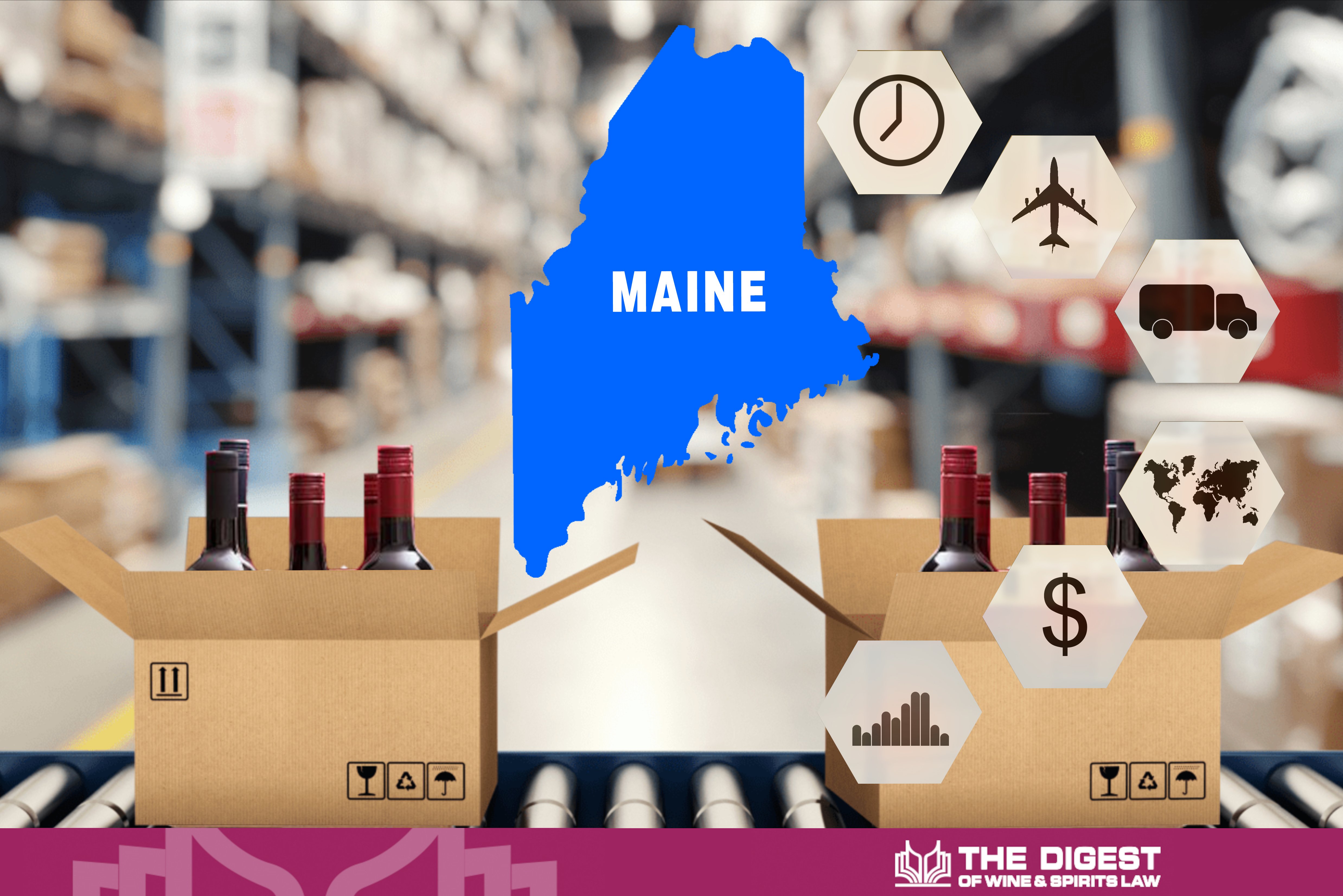
The Maine legislature recently made two changes affecting all wineries that hold a Maine Wine Direct Shipper license. The new law makes a significant adjustment to the annual shipping limits to Maine consumers. Previously, the law allowed shipment of up to 12 cases (containing no more than 9 liters each) to any one recipient address in a calendar year. The amended law allows no more than 9 liters per shipment, and no more than 12 shipments to any one recipient address in a calendar year. The maximum amount that may be shipped to any one address per year is the same as before, but the state now limits the size of each shipment and the number of shipments that may be made to each recipient address. This means that larger orders will have to be divided into multiple shipments, and shipments smaller than 9 liters will effectively reduce the total amount that a Maine consumer will be able to receive that calendar year. Additionally, wineries can now ship smaller containers to customers in
00
October 31, 2023
Amendments to California’s bottle bill became law October 13, 2023. The new legislation (SB 353) made three important changes to the requirements for recycling wine and spirits containers in California that industry members need to know about. The first and most important change is that wine and spirits containers filled and labeled before January 1, 2024 are now permanently exempt from deposit labeling requirements. The earlier legislation (SB 1013), which added wine and spirits containers to California’s recycling program starting next year, required mandatory deposit (CRV) labeling of all wine and spirits containers sold at retail after June 30, 2025. That labeling requirement was a big headache for the wine industry, since it is common practice to age wine after bottling for extended periods of time. Participants at all levels of the industry would have been impacted by the difficulty of adding newly required statements to wine that had been bottled and labeled in th
00
August 9, 2023

Recycling of wine and spirits containers in California starts January 1, 2024. Although redemption labeling isn’t mandatory until July 1,2025, wineries, distilleries, and importers are advised to start adding required label statements to all products released after January 1. Beginning July 1, 2025, California retailers will be prohibited from selling wine and spirits containers that don’t have the required redemption labeling. Label designers and industry decision-makers have a lot of options to consider. The redemption statement can be worded in five different ways: CALIFORNIA REDEMPTION VALUE CA REDEMPTION VALUE CALIFORNIA CASH REFUND CA CASH REFUND CA CRV No matter which option you choose, the entire statement must appear on one line, and may not include a monetary value. The law also prescribes legibility standards, depending on the type of container used. For glass or plastic containers, the statement must appear in lettering at least 3/16 inch in height. The type
00
May 31, 2023

UPM Raflatac, a global supplier of innovative and sustainable labeling materials, is solving bottlenecks for designers with their recently published dynamic digital label material swatchbook for wine, sprits and beverage (WSB). This new tool allows designers to bring the designs to life by downloading high-definition images and utilizing the selected label material in their preferred design software. "The digital swatchbook was created with designers in mind. There are plenty of label materials available for wine, spirits and beverage, but the challenge is to find the right match to the packaging and to find it easy and fast. As we now live in a world with less face-to-face meetings, it is essential to have an efficient, user-friendly, and innovative digital tool that can change the landscape of label and packaging design," says Stefano Pistoni, Senior Manager, Business Development, Wine, Spirits and Beverage, UPM Raflatac. "For us at Advision, the UPM Raflatac Digital S
00
August 22, 2022

Should Wine Labels List Ingredients?
TTB is considering rule changes that would require ingredients and nutritional information on wine labels. By Jeff Siegel The U.S. Alcohol and Tobacco Tax and Trade Bureau (TTB), the federal […]
00

June 23, 2022
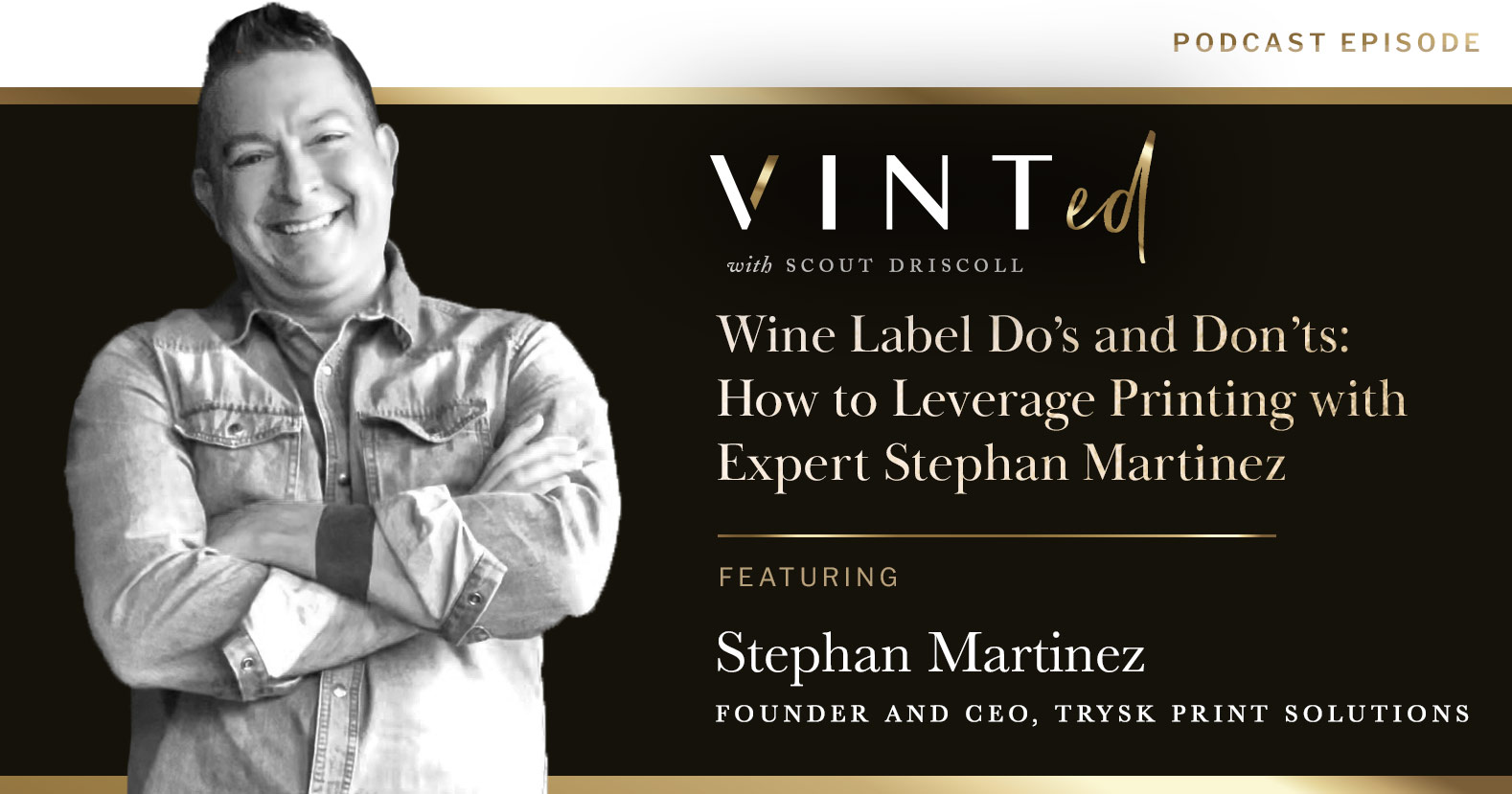
The print and design world is constantly growing. As technology evolves, so do the processes for label printing companies. However, there are some important steps you should follow if you want to successfully navigate the printing space, avoid common pitfalls, and craft a beautiful label for your brand. For over 13 years, Trysk Print Solutions has used the latest technology to collaborate with design houses and allow people to differentiate their brand visually. According to Founder Stephan Martinez, wineries and producers need to ask specific questions and think about the printing and design process holistically. Are you consistently using the same container? What environmental factors could affect the label? Will this label and design withstand shipping conditions? In this episode of VINTed, Scout Driscoll talks with Stephan Martinez, Founder of Trysk Print Solutions, about the do’s and don’ts of wine label printing. Stephan discusses how the printing industry ha
00
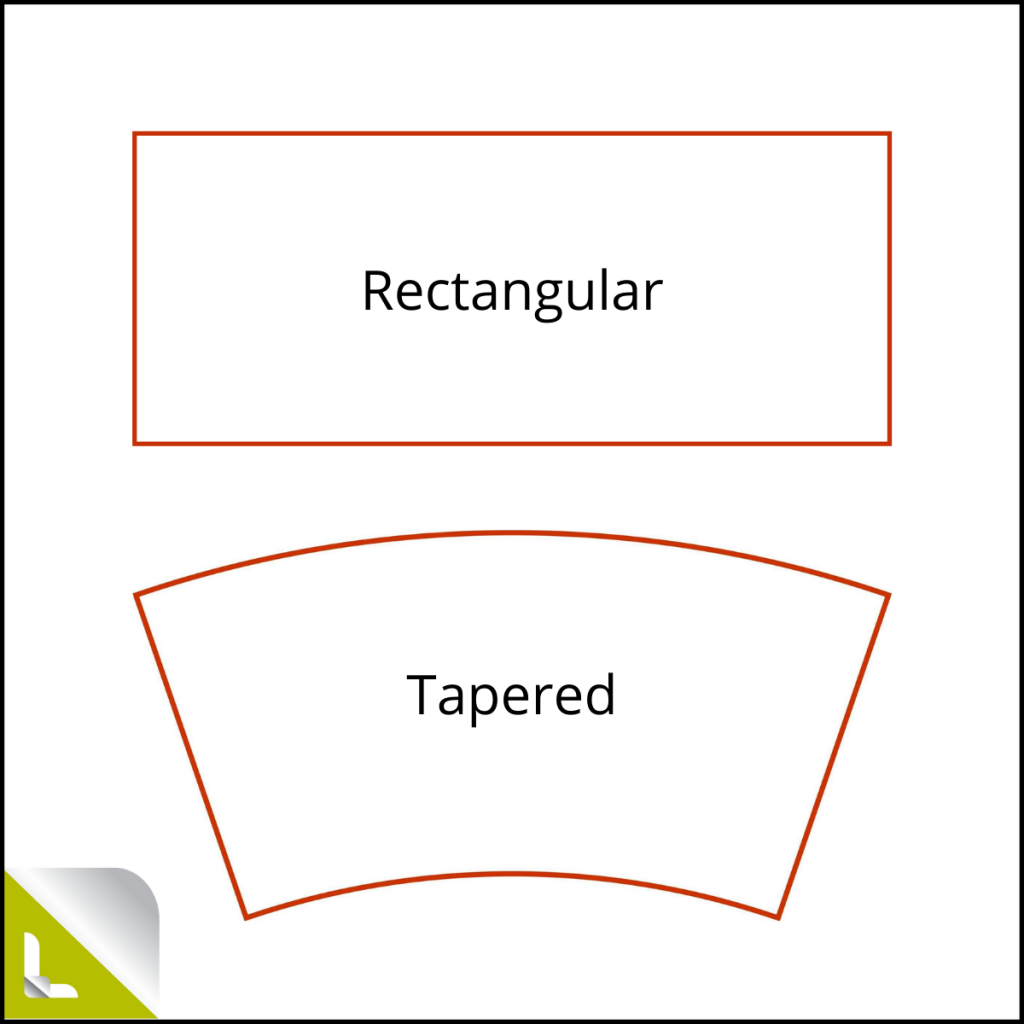
Not every label works on every container. I’m sure you’ve seen labels that are misaligned, bubbling, or wrinkled. This is a compatibility issue. For instance, we often receive requests to print labels for tapered wine or spirits bottles. It’s a request that requires experience, industry knowledge, and...math. Tapered containers need their own type of label considerations. Let’s see why. WHAT ARE TAPERED CONTAINERS? Tapered containers are containers that change their dimensions from one end to the other. They can narrow or round up around the middle, for example. Wine and spirit bottles are often tapered to create unique shapes. If you have to label an area that tapers, you have to plan ahead and build your label accordingly. HOW ARE LABELS FOR TAPERED CONTAINERS DIFFERENT? If you tried to use a rectangular label on a tapered container, you’d immediately see it crease, fold, overlap, or get wrinkled. Tapered labels need to be specifically created fo
00