
Filter Post Type
NewsVideoProductEventLink
Sort:
Most Recent
1–10 of 26
Dry January is no longer just a health challenge or a new-year reset—it’s a global movement. But here’s the kicker: savvy brands know that real success in the no- and low-alcohol (No/Low) category comes from building momentum well beyond one month. At BevZero, we help our clients turn the buzz of January into a sustainable, year-round beverage strategy using expert product development, cutting-edge dealcoholization services, and full-spectrum beverage solutions. Let’s talk about how. Why Dry January Is Only the Beginning Dry January consistently delivers a spike in consumer interest, online searches, and sales for No/Low products—especially non-alcoholic wines, beers, and spirits. But interest doesn’t flatline in February. In fact, there are multiple high-impact moments throughout the year where brands can meet growing demand: Spring (March – May): Holidays like St. Patricks, Easter, and Mothers Day can be a great time to provide low or no
00
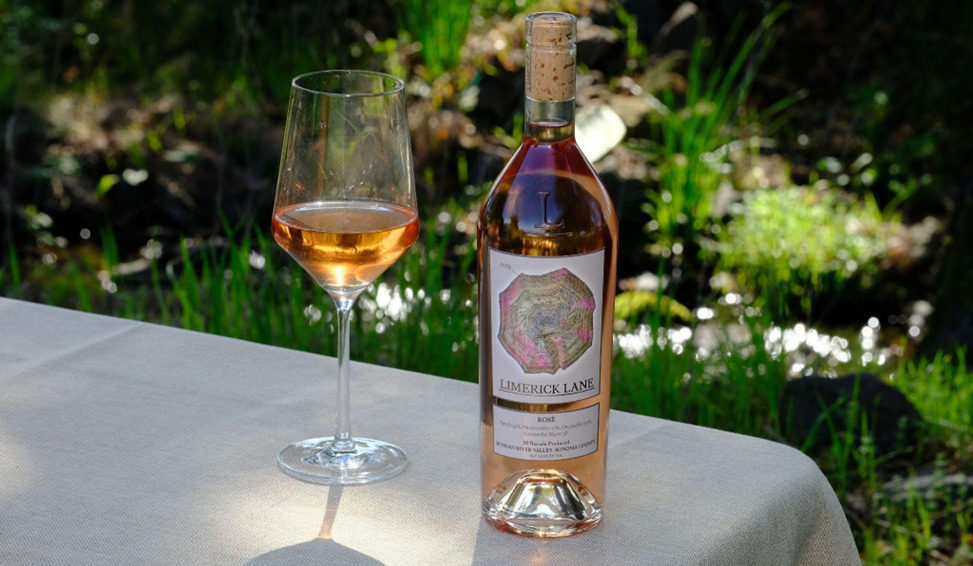
Why Is Glass Bottle Packaging Important? Wine can be packaged in a variety of ways; however, consumers continue to prefer the conventional glass bottle packaging format, which is by far the most popular. Although glass bottle packaging has less flexibility in its ability to capture attention than labels , it can still convey a lot of information to the consumer and increase brand standout in-store. Purchasing wine is seen as having a high level of risk. People don’t want to risk purchasing wines that result in poor wine quality, financial risk, or social embarrassment. Therefore, consumers search for information when browsing in-store to lower risk: price, varietal, region, brand/winery, or in-store recommendation. The majority of people who aren’t particularly interested in wine conduct their informational searching in-store and rely primarily on visual cues. A customer is more likely to buy wine if they recognize the brand name or have already tried it. Factors like
00
While Congress is in its long August recess, there’s still work to be done in DC on the regulatory front. Executive Vice President and Director of Regulatory Affairs Michael Kaiser submitted two long, detailed documents to the federal Tax and Trade Bureau (TTB) about the possible addition of information on wine labels. Specifically, the two issues involved the possibility of “Alcohol Facts” statements on the labeling of wine, spirits and beer; and the possibility of “Major Food Allergen” labeling. WineAmerica’s overall position: “WineAmerica is in favor of both allergen and ingredient disclosure, as long as it is done in a way that is not harmful to the American wine industry. Only agents that are detectable in the finished product should need to be disclosed by a producer. Additionally, as we stated in our comments for Notice 237, an off-label, web-based disclosure is the best option for the wine industry. This is already occurring in the Euro
00


Wine is as much a visual experience as it is about taste and aroma. The color of a wine plays an important role in shaping consumer perceptions, influencing purchasing decisions, and defining quality standards. In today’s evolving wine industry, color management is more critical than ever. Here are five key trends shaping the way winemakers approach wine color in 2025 and beyond. 1. Consumer Expectations: The Color of Quality When it comes to red wine, consumers have a deeply ingrained expectation of what the color should look like. From vibrant ruby hues in youthful reds to deep garnet tones in aged wines, color is often associated with quality. Whether purchasing a high-end bottle or an everyday table wine, consumers instinctively assess the color before taking their first sip. For winemakers, ensuring a wine’s color aligns with these expectations is key to maintaining brand trust and market appeal. 2. Varietal Typicity: Color Must Match Variety and Region Wine drinker
00
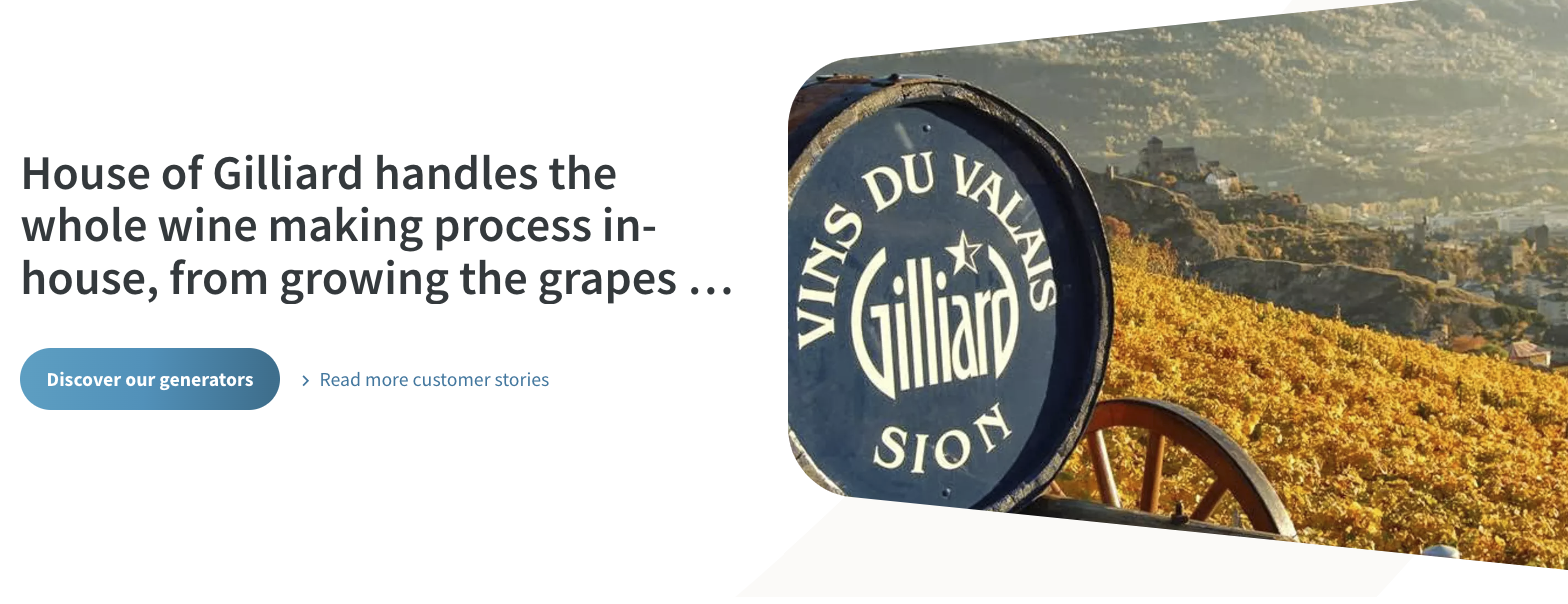
House of Gilliard The tradition of the House of Gilliard in Switzerland goes back to the 19th Century, with the today famous Dôle des Monts wine. The winery handles the whole wine making process in-house, from growing the grapes to bottling. Achieving wine of the highest quality requires a command of the whole production process. Gilliard’s wine masters rely on Atlas Copco to help them with this task. The House of Gilliard has equipped its production site with two Variable Speed Drive (VSD) compressors and a nitrogen generator. Thanks to this installation, the wine house has on-site nitrogen and does no longer need to purchase nitrogen in cylinders. The advantages are obvious: the Gilliard house saves time, money and energy thanks to its on-site nitrogen. Nitrogen, the hidden ingredient Cultivating grapes, harvesting and wine making: the delicate process of producing wine always ends in bottling, which requires compressed air and nitrogen. The compressed air powers vario
00

June 9, 2025
"It's Complicated": Preparing for New EU Labeling Requirements
Starting with wine made with grapes from the 2024 harvest, still wines sold in the European Union must include ingredient and nutritional information. By
00
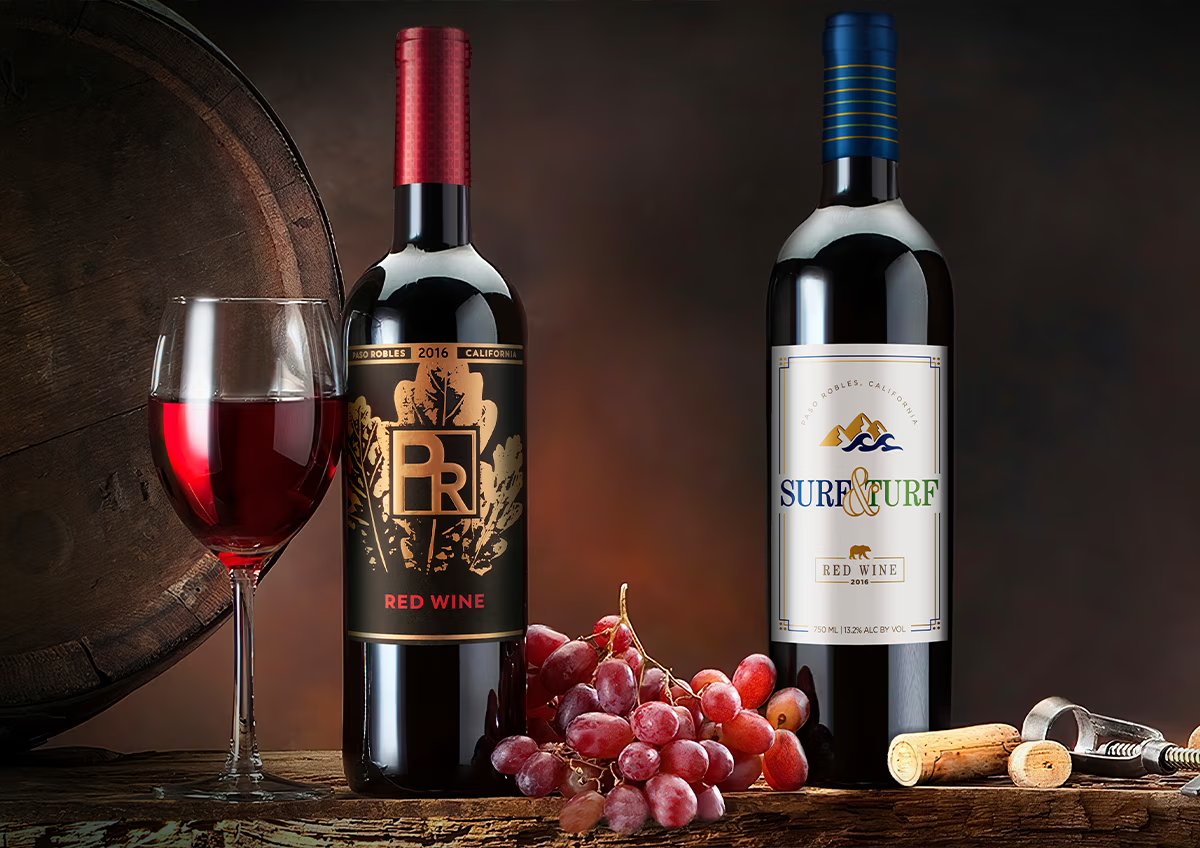
A look at the trends influencing wine packaging design & innovation. Introduction U.S. wine total volume is expected to remain relatively flat for the next several years, while value will grow due to price increases and the persistence of the premiumization trend. In the crowded and increasingly challenging wine market, effective package design can help a brand get noticed and appeal to consumers. This report looks at several key trends impacting wine package design, from authentic storytelling to interactive engagement to environmentally and socially responsible solutions. Authenticity According to a recent GlobalData study, three out of four consumers consider product/brand authenticity essential or nice to have when making purchase decisions. This attitude is especially true among older generations and higher-income earners, a key demographic for wine sellers. Authentic brands are perceived as genuine, original, and transparent, providing quality assurance and trust. Euromon
00
April 18, 2025
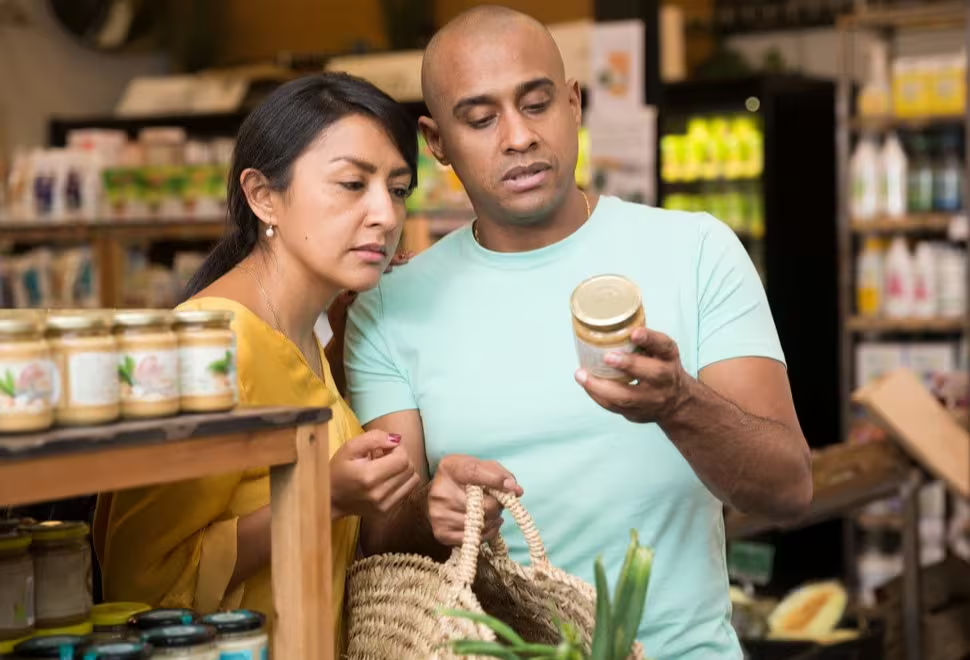
In an era where consumers are increasingly focused on diet to maintain a healthy lifestyle, the U.S. Food and Drug Administration (FDA) and other groups are taking steps to help Americans better understand food and beverage labels. The agency's recalibration of the "healthy" labeling criteria and introduction of a front-of-pack nutrition label offer the potential to reshape food product development while empowering consumers to make more informed dietary choices. Redefining 'Healthy' The FDA's definition of "healthy" has remained mostly unchanged since the 1990s, leading to a disconnect between scientific advancements in nutrition and food marketing. Under the new labeling rule, foods labeled as "healthy" must align more closely with the 2020–2025 Dietary Guidelines for Americans. The voluntary regulation goes into effect on April 28, 2025. Brand owners have three years to comply. There is no maximum or minimum type s
00

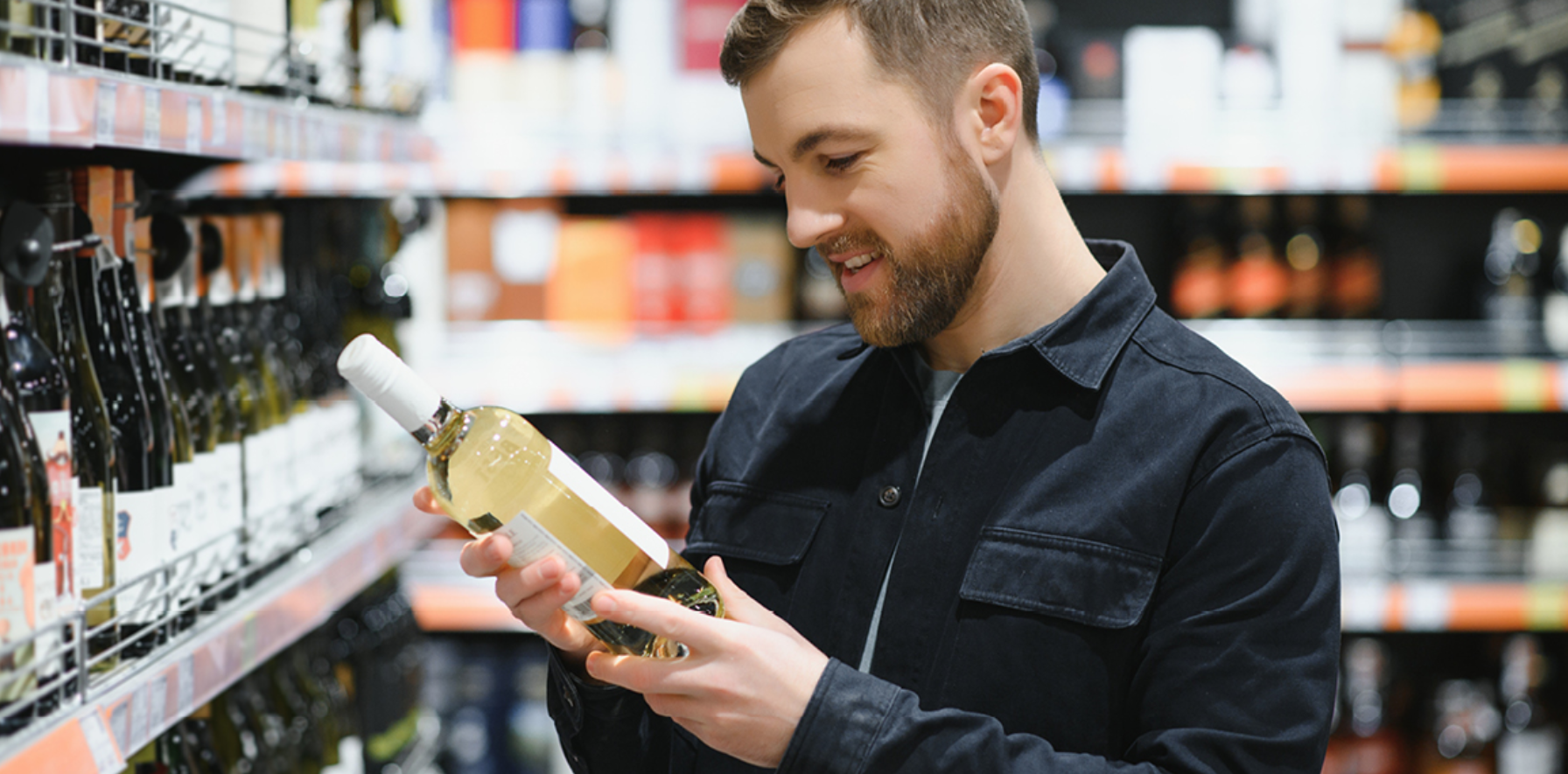
Instant Additive Detection Makes Labeling a Breeze A new way to detect ascorbic acid, fumaric acid and sucrose in wine saves time and costs when checking for additives in finished wine. Tests take 30 seconds and do not involve the use of chemicals or reagents. A rapid and convenient test for detecting additives in wine is now available for the WineScan™ 3 analyser. Instead of using time-consuming enzymatic methods involving the use of chemicals and reagents, winemakers, bottlers and traders can test for the presence of sucrose, fumaric acid and ascorbic acid at the touch of a button. Results are presented within 30 seconds in the same way as with the the many other tests available with the WineScan 3. Many Labelling Parameters in a Single Test The availability of the three new additives tests comes at a time when the list of required declarations on wine bottles is growing. Among these, the new EU regulation introduced in 2024 states that information on ingredients, allerg
00
September 18, 2024
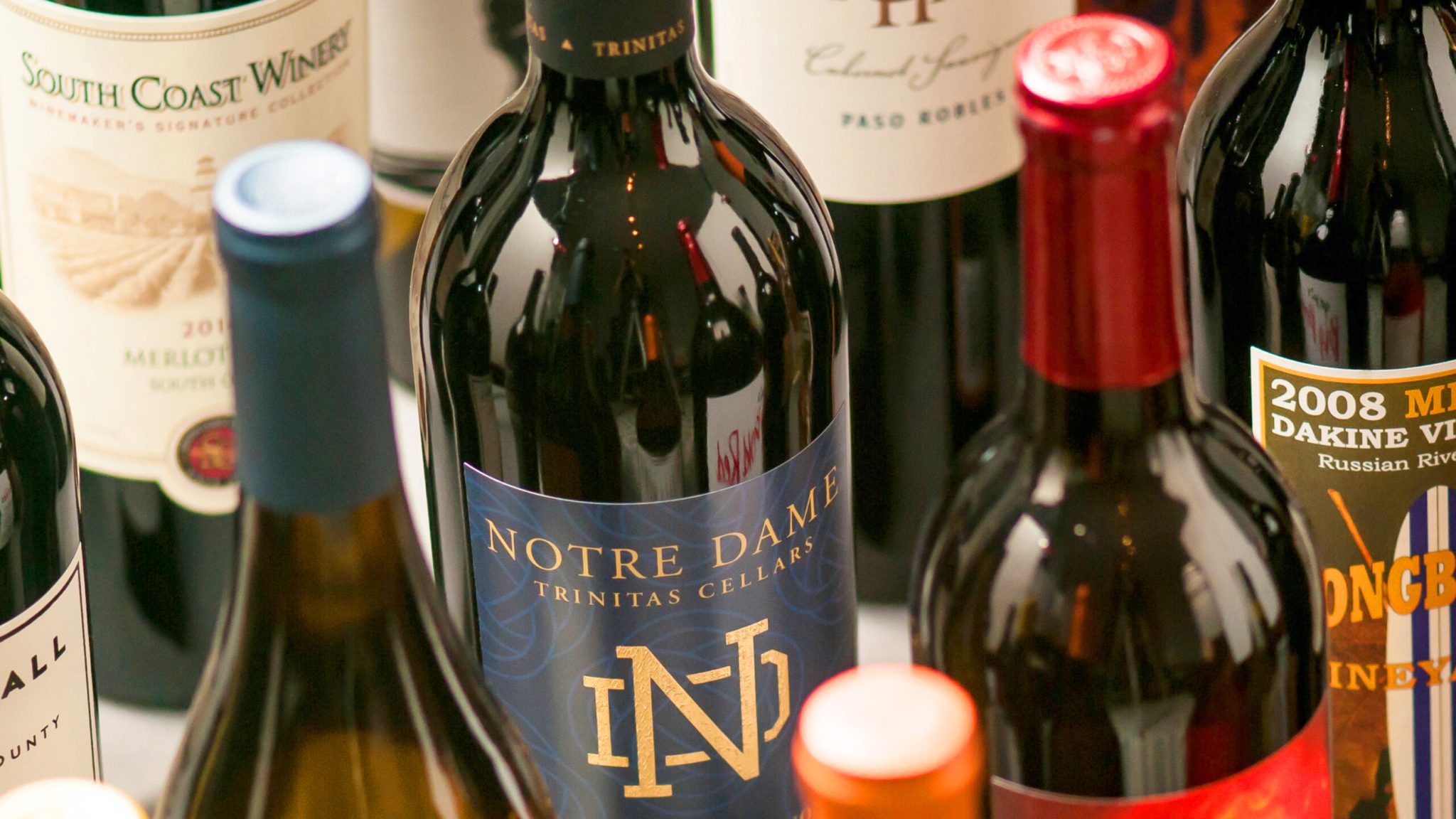
In the competitive landscape of the wine and spirits market, branding and label quality play a crucial role in attracting consumers and differentiating products. AWT Labels & Packaging emerges as a game-changer in this industry, offering unparalleled advantages through its innovative solutions tailored for the wine and spirits sector. Customized Labeling Solutions With AWT Labels & Packaging, wineries and distilleries can elevate their branding with custom-designed labels that capture the essence of their products. From intricate designs and embellishments to high-quality materials, AWT ensures that each label reflects the unique identity of the wine or spirit, enhancing shelf appeal and brand recognition. With the addition of RFID or NFC, brands can take advantage of advanced inventory management and supply chain traceability, as well as an enhanced user experience and product interaction by supporting product authentication and marketing promotions. Compliance and Safety Adh
00