
Filter Post Type
NewsVideoProductEventLink
Sort:
Most Recent
1–10 of 123
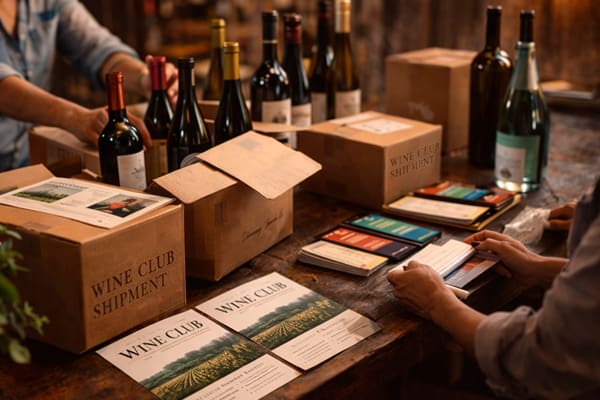
Why Wine Clubs Aren’t Working, And What’s Replacing Them For many wineries, the biggest challenge today isn’t attracting new customers; it’s keeping the ones they already have. Wine clubs once represented the most stable revenue engine for wineries. Members signed up, shipments went out quarterly, and predictable revenue flowed in. It was the foundation of direct-to-consumer success. But that foundation is cracking. Recent industry data reveals a troubling trend: nearly 40% of wine club members cancel within the first year. In a market where customer acquisition costs are climbing, and competition for attention has never been fiercer, losing members at this rate isn’t just a retention problem; it’s a profitability crisis. The math is unforgiving. If acquiring a new club member costs hundreds of dollars in marketing, tasting room labor, and incentives, losing them before they’ve generated meaningful lifetime value means wineries are bleeding money with every signup. And yet, some winer
00
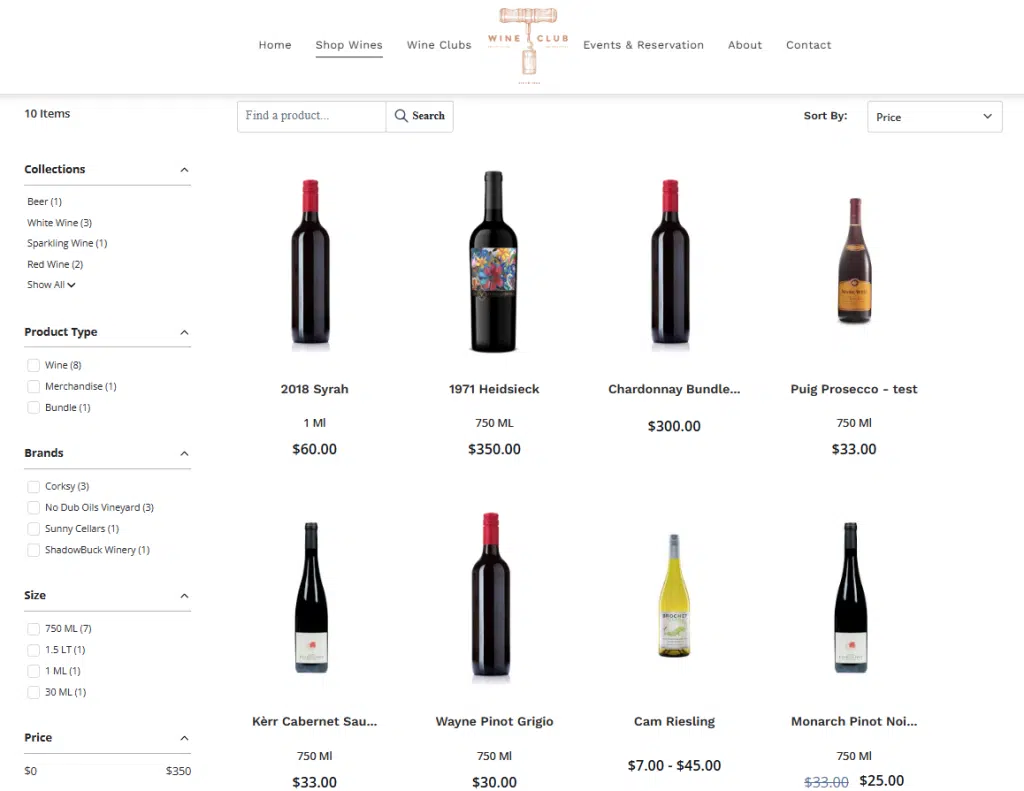
A few years ago at the DTC Wine Symposium, a panelist joked about the modern winery website formula: the guy, the dog, the truck, and the vineyard. Beautiful backdrop, strong lifestyle photography, a thoughtful founder story. Polished, absolutely. Strategically distinct, rarely. The critique wasn’t about branding. It was about structure. Most winery websites aren’t broken, but they aren’t built as decision environments either. Calls to action are unclear, revenue pathways are buried, shipping surprises appear late, and wine club often lives in isolation instead of throughout the buying journey. After auditing winery sites across regions and production sizes, the pattern is consistent: performance is constrained by friction, not effort. Most wineries don’t have a traffic problem. They have a conversion architecture problem. Before increasing ad spend or launching another promotion, run a winery website audit — on your phone. Start at the homepage and move t
00
February 11, 2026
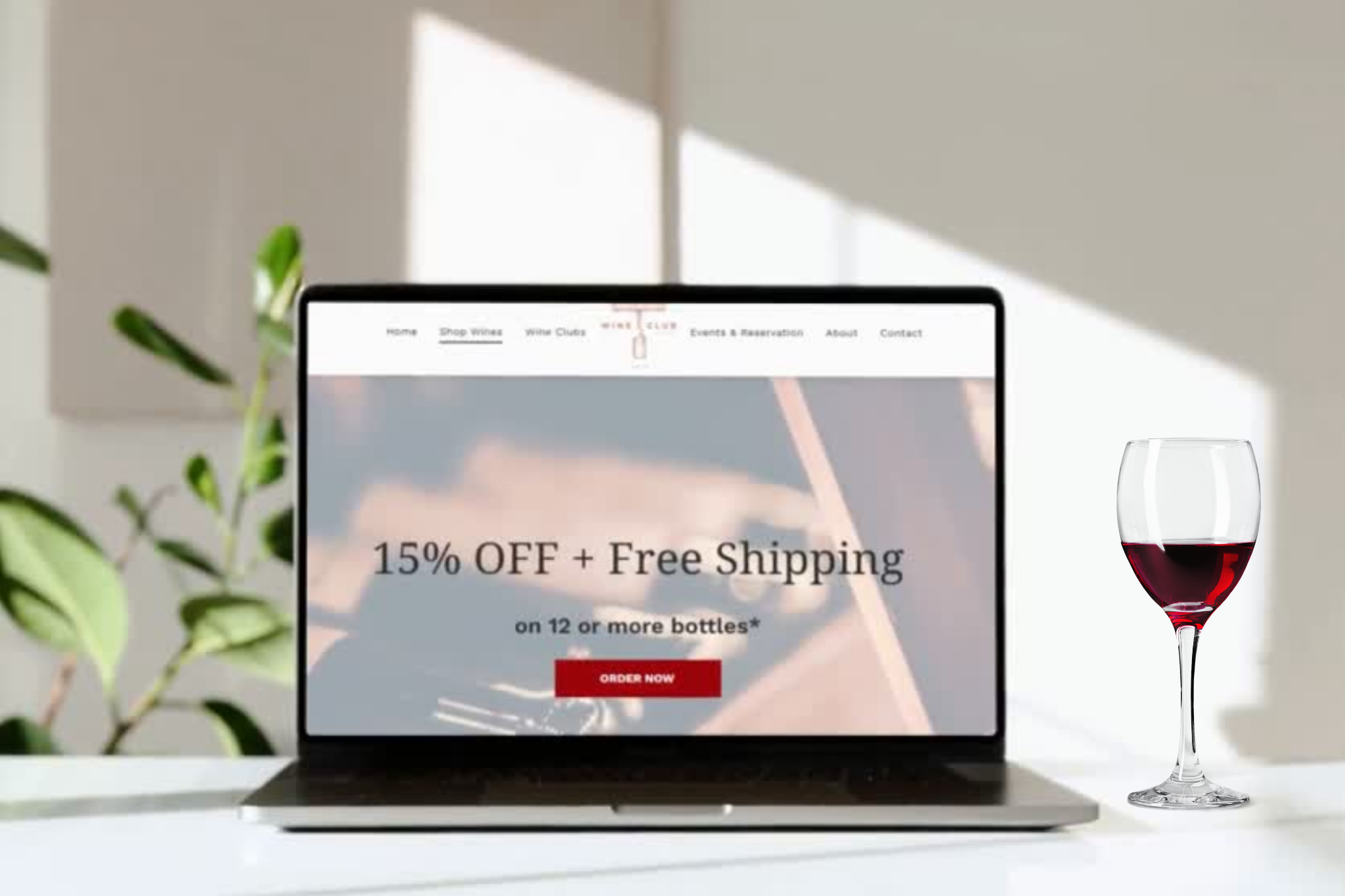
Most wineries don’t have a promotion volume problem. They have a promotion design problem. When you look closely at wineries delivering strong margins alongside steady consumer sales growth, patterns start to appear. Not because those promotions are trendy or copied from competitors, but because they are intentionally designed to drive revenue while protecting long-term customer behavior and brand value. Modern promotion strategy is not about running more campaigns. It is about structuring incentives that influence how, when, and why customers buy. Across the strongest performing wineries, promotions are increasingly treated as part of the revenue model rather than just part of the marketing calendar. They shape demand, influence order composition, and support long-term customer value. Why Promotion Strategy Is Really Revenue Strategy Promotions are no longer just marketing tactics. They are one of the most controllable levers inside a winery’s DTC P&L. For most wineri
10

January 9, 2026
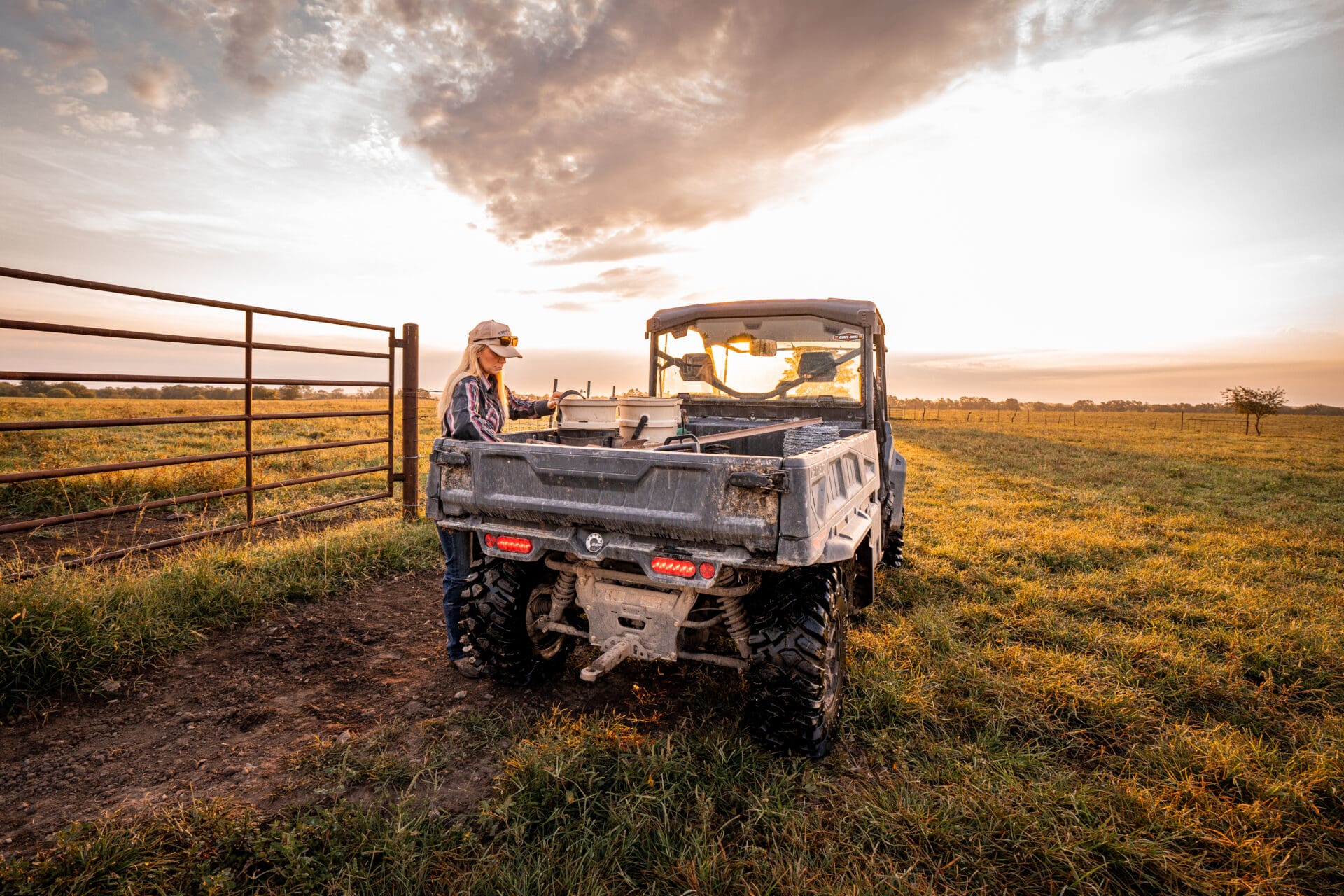
Agriculture is a tough business and the rigorous demands of viticulture management requires durable, precision-engineered vehicles capable of traversing diverse landscapes, coping with unpredictable weather and efficiently managing structured vineyard layouts. Can-Am, an iconic brand of BRP Inc., is at the forefront of innovation for the agricultural industry with their new lineup of all-terrain vehicles (ATVs) and side-by-sides (SSVs) designed specifically for 2026. These vehicles are not merely recreational—they are essential tools for the winemaking process. Introducing the revolutionary 2026 Can-Am Defender HD11, a tough, clever and capable utility SSV designed for peak performance with a powerful 999cc inline three-cylinder Rotax ACE engine that outputs an impressive 95 horsepower and 70 lb-ft of torque. Featuring industry-best payload capacities of 2,500 lbs for towing and up to 600 lbs in the cargo bed, this vehicle is built to tackle the toughest tasks. The Defender
00

December 10, 2025
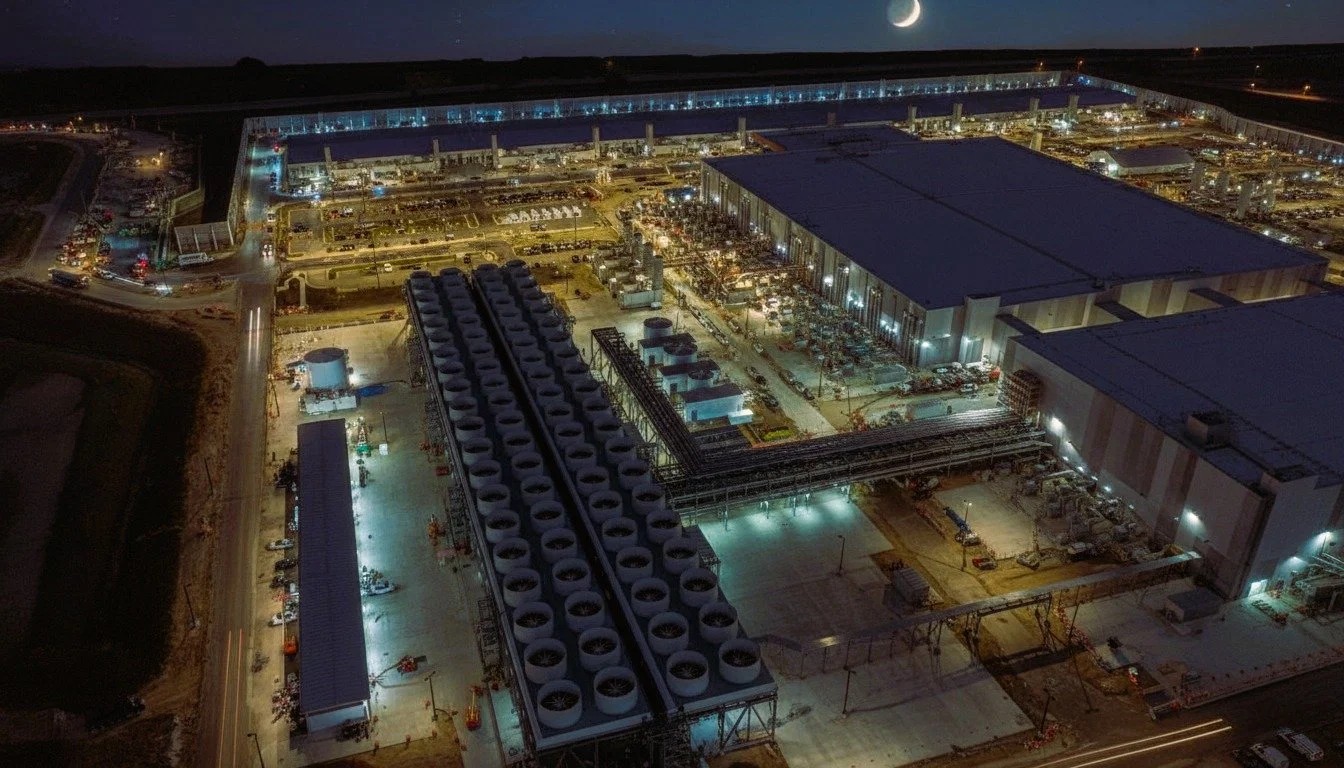
Since its launch in 2022, ChatGPT has swept into our lives like a whirlwind romance. It’s the new Google for our age. Don’t know what to cook for dinner? ChatGPT it. Need to finally draft that pesky email? ChatGPT it. In fact, some people are literally dating the chatbot. CBS Saturday Morning recently reported on Chris Smith, a man who claims to have fallen in love with ChatGPT. He’s even proposed. She said yes. It’s a heartwarming tale that forebodes the end of human civilization as we know it. Of course, the insatiable demand to have all our questions answered and our heart’s deepest desire fulfilled at the push of a button comes with ripple effects—not only for our souls, but our wallets. The AI boom has unleashed a construction spree of energy-hungry data centers to support the tech’s exploding use, requiring utility companies to upgrade their infrastructure, which is then passed on to the average consumer in the form of electricity bills
00
.png)
December 10, 2025
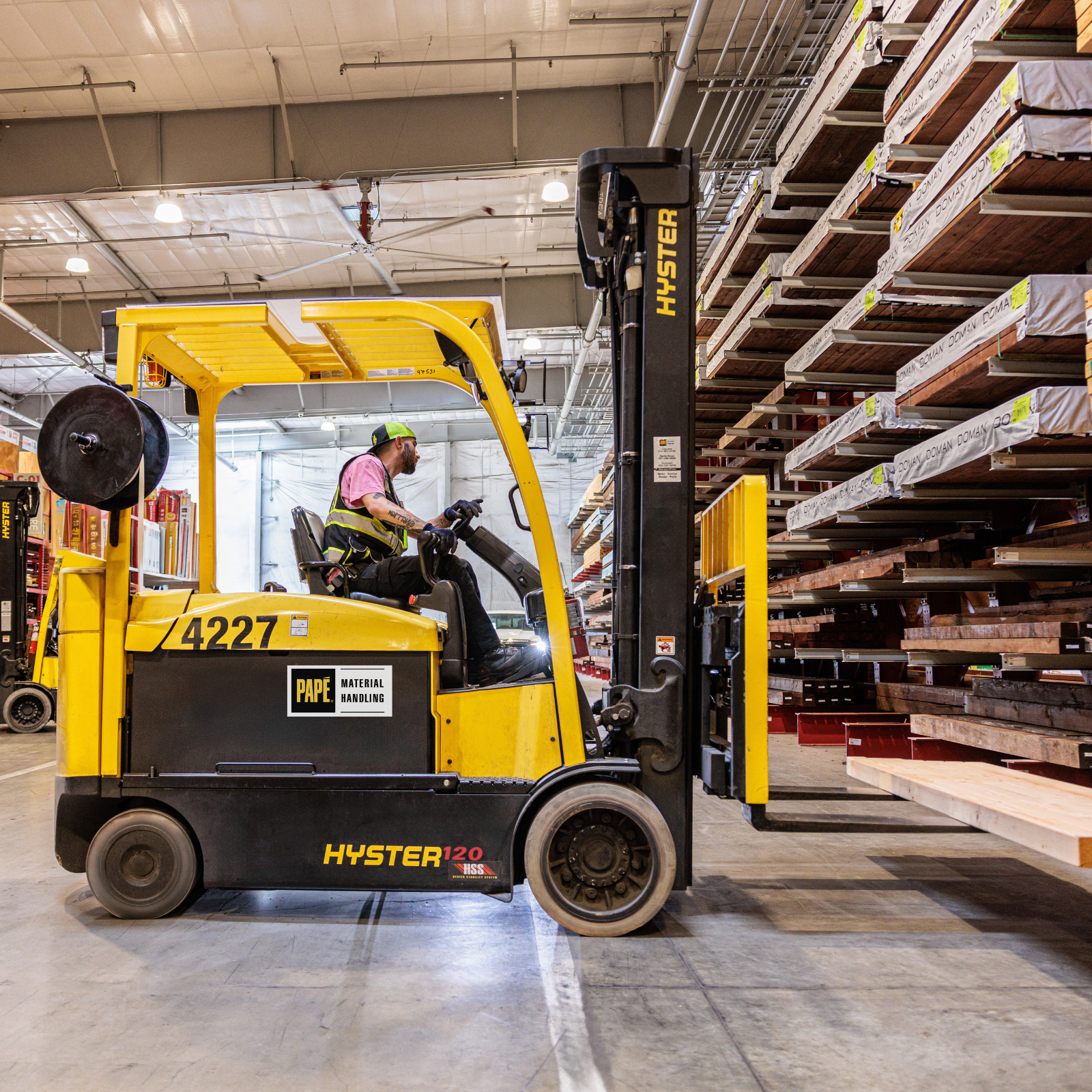
If you’ve been waiting for real-world proof that electric material handling vehicles (MHVs) can outperform internal combustion in busy, space-constrained operations, this is it. Our new white paper, Electrifying Material Handling Vehicles, shows how Golden State Lumber made the switch to an all-electric fleet and increased uptime, safety, and cost control. Below is a short overview of what you’ll learn in the full paper, and we’ll explain why now is the time to get serious about your own electrification roadmap. Why the Shift to Electric Is Accelerating Electrification isn’t just an environmental initiative; it’s an operational upgrade. Modern electric forklifts offer consistent power, instant torque, and whisper-quiet operation. With electric MHVs, communication is clearer, and air quality is high. And with fewer moving parts, they also tend to require less time in the shop, helping reduce the total cost of ownership over the life of the vehicle. Add in
00

December 2, 2025

HOW TO KEEP YOUR BRAND TOP OF MIND WHEN CUSTOMERS ARE DROWNING IN HOLIDAY EMAILS The inbox in December isn’t a communication tool—it’s a full-contact sport. Every brand, from the global megastore to the local dog bakery, is shouting their way into people’s attention span with flashing subject lines, endless exclamation points, and “40% OFF” hysteria that blurs into static. Consumers don’t read; they scan for relief. According to Mailjet’s 2024 BFCM report, holiday email volume jumps nearly 80% between Thanksgiving and Christmas, while average open rates drop to 13–15%—a statistical cry for help. But the real problem isn’t quantity—it’s tone. Every brand is talking at their audience instead of with them. The louder the messaging, the less people listen. Leading with prices and panic doesn’t inspire trust; it triggers fatigue. That’s your opportunity. The brands that win the inbox aren’t the
00
Transforming Wine Industry Operations: Can-Am’s Dynamic Off-Road Vehicles Debut at the 2025 WIN Expo
December 2, 2025
Let’s face it; wine is first and foremost an agricultural product and agriculture is a tough business. The demanding nature of viticulture management necessitates robust and precision-engineered vehicles to navigate diverse landscapes, challenging weather conditions and structured vineyard layouts reliably and efficiently. Can-Am, an iconic brand of BRP Inc., is at the forefront of innovation for the agricultural industry with their new lineup of all-terrain vehicles (ATVs) and side-by-sides (SSVs) designed specifically for 2026. These vehicles are not merely recreational—they are essential tools for the winemaking process. The groundbreaking 2026 Can-Am Defender HD11is engineered for optimal performance, featuring a 999cc inline three-cylinder Rotax ACE engine that delivers an impressive 95 horsepower and 70 lb-ft of torque. With class-leading payload capacities of 2,500 lbs towing and up to 600 lbs in the cargo bed, this machine is tough enough to handle the most de
00
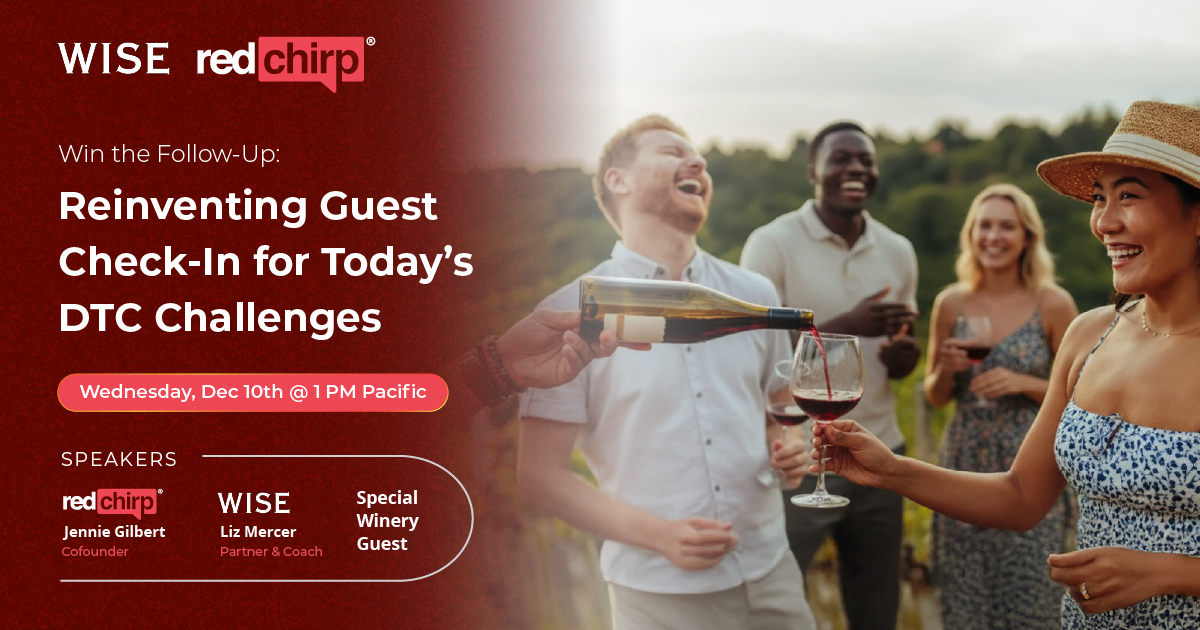
Event Type: Webinar
Location: Online - 1:00pm PST
Date: 12/10/2025
Join WISE Partner Liz Mercer, RedChirp Cofounder Jennie Gilbert, and a special winery guest for a forward-looking session on one of the biggest challenges in DTC wine sales: capturing guest information and consent. In-person tastings are among the richest — but often the most underutilized — sources of customer data, and wineries need fresh tools and strategies to grow their lists, stay connected after guests leave, and drive incremental revenue in today’s challenging landscape. We’ll introduce an innovative new approach featuring customizable guest check-in forms, seamless integrations, and thoughtful opt-in processes that helps wineries collect actionable data from more visitors while maintaining a great guest experience. You’ll leave with practical guidance on implementation, staff adoption, creative incentives, and goal tracking, giving you a powerful new approach to grow your lists and revenue. Register here.
00
November 18, 2025

If your winery’s December felt like a sugar high followed by a January hangover, congratulations—you’re in the club. The holiday season brings out the best and worst of wine marketing. We see a flurry of emails, social posts, pop-up bundles, and panicked “last chance for shipping!” reminders that make even Santa unsubscribe. But behind all that glitter and noise sits something actually useful: data. And data, unlike mistletoe or tinsel, ages beautifully—if you know how to use it. Day 1: The Ghost of Open Rates Past Let’s start with the easy one. You sent fifteen emails between Thanksgiving and New Year’s, and shocker—open rates dropped after the first week. This isn’t your subscribers turning into Grinches; it’s list fatigue. Consumers are bombarded with messages from every brand they’ve ever accidentally clicked “subscribe” on. The fix: cut your frequency, not your revenue. Segment your list by engage
00