
Filter Post Type
NewsVideoProductEventLink
Sort:
Most Recent
Tagged:import
1–3 of 3

May 17, 2022
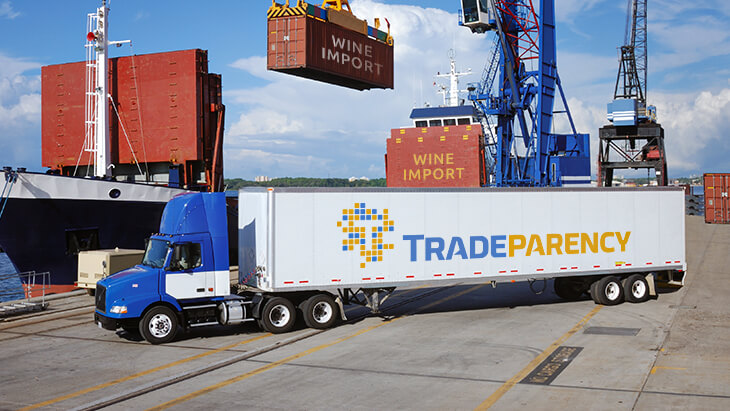
The North American market for imported wine has become a competitive and fast-paced industry. To stay ahead of the game, you need to be able not only to manage international suppliers but also all the aspects involved in shipping their goods and then working with domestic distributors to get the product on the shelves and menus. But increasing shipping rates, limited cargo space, and long overseas delivery delays are putting a considerable burden on wine importers juggling these pivotal supply chain points that impact everything from product availability to pricing. Importers might even be so inclined to refer to it as the three-‘tear’ system right now! So, just how extensive is the influence of these prolific and increasing distribution challenges on wine imports? And most importantly, how can wine import businesses get ahead of these obstacles to promote and price their wine profitably in a constant-changing market dynamic? Read The Wine Import Business: Proactive Pricing
00
May 2, 2022

Proactive Pricing for Your Wine Import Business | Tradeparency
Pricing for the wine import business is complex with rising supply chain challenges. Learn how to proactively manage three-tier pricing.
00
Importers Have it Rough Right Now – Solving Pricing Challenges to Keep Foreign Wine Trade Profitable
August 17, 2021
Last year saw a rocky start to the import wine business. Thanks to the Boeing vs. European-subsidized Airbus battle, enormous tariffs on European wine were all but imminent. Once defeated (thanks to intense lobbying efforts), restaurants around the country began to shut down and on-premise sales came to a halt. In 2020, importers couldn’t catch a break. Still, as restaurant sales rebound and portfolios are adjusted, those in the wine import business always have challenges as they work two sides of the import coin—suppliers and distributors. Processing billbacks on the distributor side and managing commissions on the supplier side, all while trying to promote and price products with adequate margin in the market, is a feat. In addition, many importers realize lost profits and are forced to provide slow customer service as they just try to reconcile everything from inefficient and error-prone disparate systems, spreadsheets, and deal tracking practices. But it isn’t all
00