
Filter Post Type
NewsVideoProductEventLink
Sort:
Most Recent
1–2 of 2

September 6, 2024
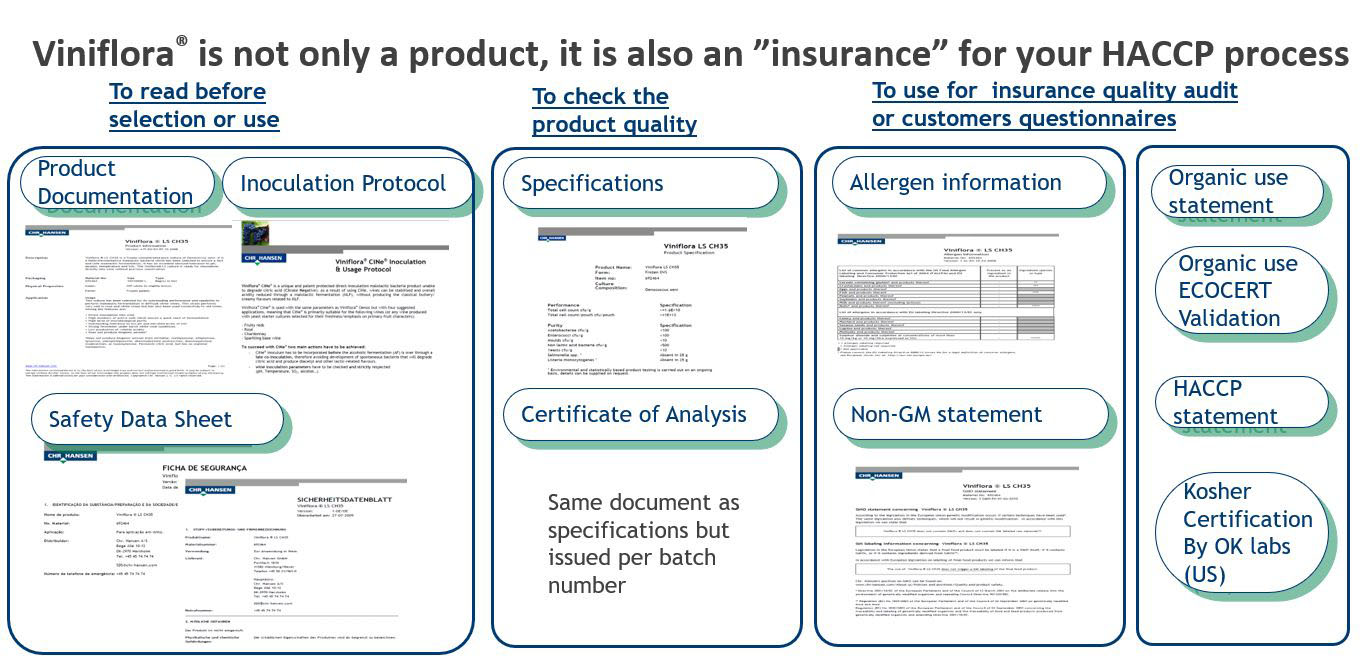
Spontaneous malolactic fermentation can be risky business for winemakers as it offers very little control over the microflora in wine. Some concerns include: Variable speed of MLF VA production Biogenic amines (e.g. histamine) Risk of MLF in the bottle (CO2!!) Opportunity for spoilage microbes like Brettanomyces, Acetobacter, and undesirable LAB species Unwanted sensory flavors Managing these risks is crucial to ensure consistent and high-quality wines.
00
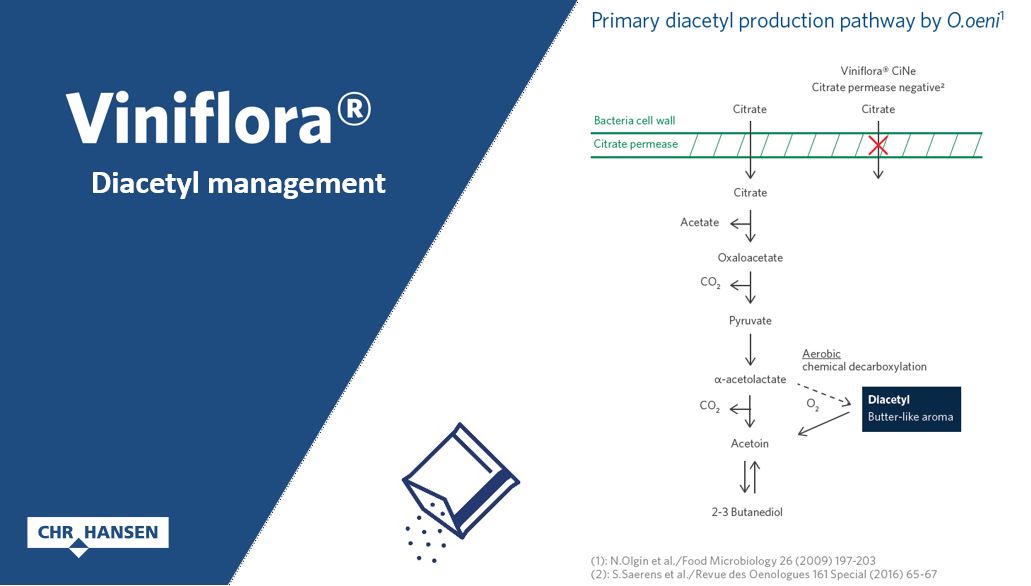
During malolactic fermentation (MLF), Oenococcus oeni, the primary bacteria involved in this process preferentially consumes malic acid. However, as malic acid becomes depleted towards the end of MLF, the cells start consuming citric acid, leading to the production of diacetyl. Interestingly, once the citric acid is depleted, the cells will then consume the diacetyl produced, which can impact the wine's flavor and aroma. In fact, the sensory threshold of diacetyl is only around 3-4 μg/l, highlighting the importance of controlling its levels in wine production. Understanding the interplay between MLF and diacetyl production is crucial for winemakers to achieve the desired sensory profile in their wines.
00