
Filter Post Type
NewsVideoProductEventLink
Sort:
Most Recent
1–10 of 53
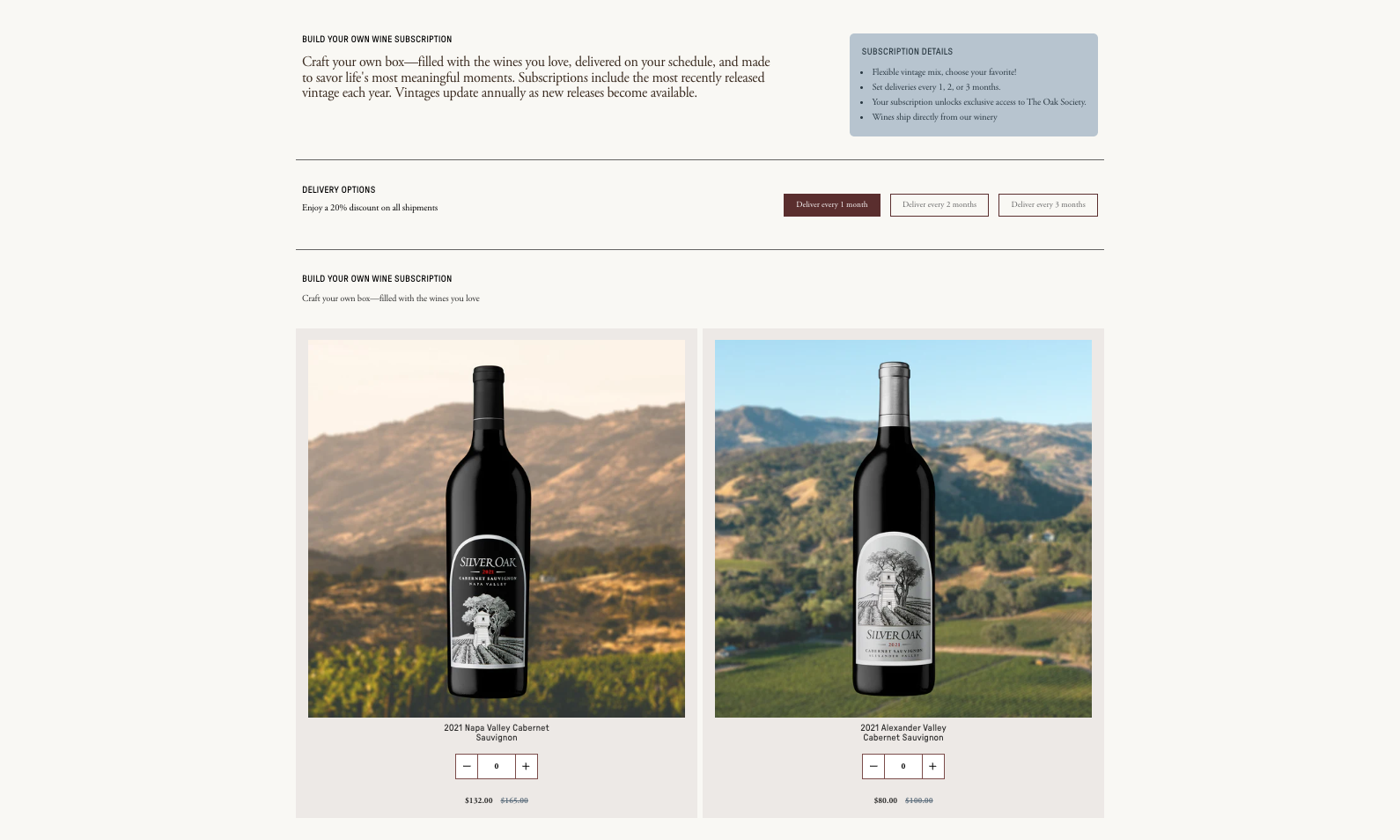
Five years ago, running a winery on Shopify meant duct-taping a lot of things together. Great for e-commerce. Okay for DTC. Difficult for wine clubs. Not really designed for tasting rooms. That's changed. The combination of Shopify's platform investments and a handful of wine-specific apps has created something genuinely new: a single operational stack that connects your tasting room, your wine club, your online store, and your loyalty program under one customer record. That convergence has real operational consequences — and it's why an increasing number of wineries are consolidating everything onto Shopify. Here's what's actually different. Your Card on File, Finally Done Right One very frustrating limitation of running a winery business on Shopify used to be simple: Shopify didn't let you vault a customer's payment card and charge it later for anything other than a subscription — not from your POS or your back office or sales team for one-tim
00
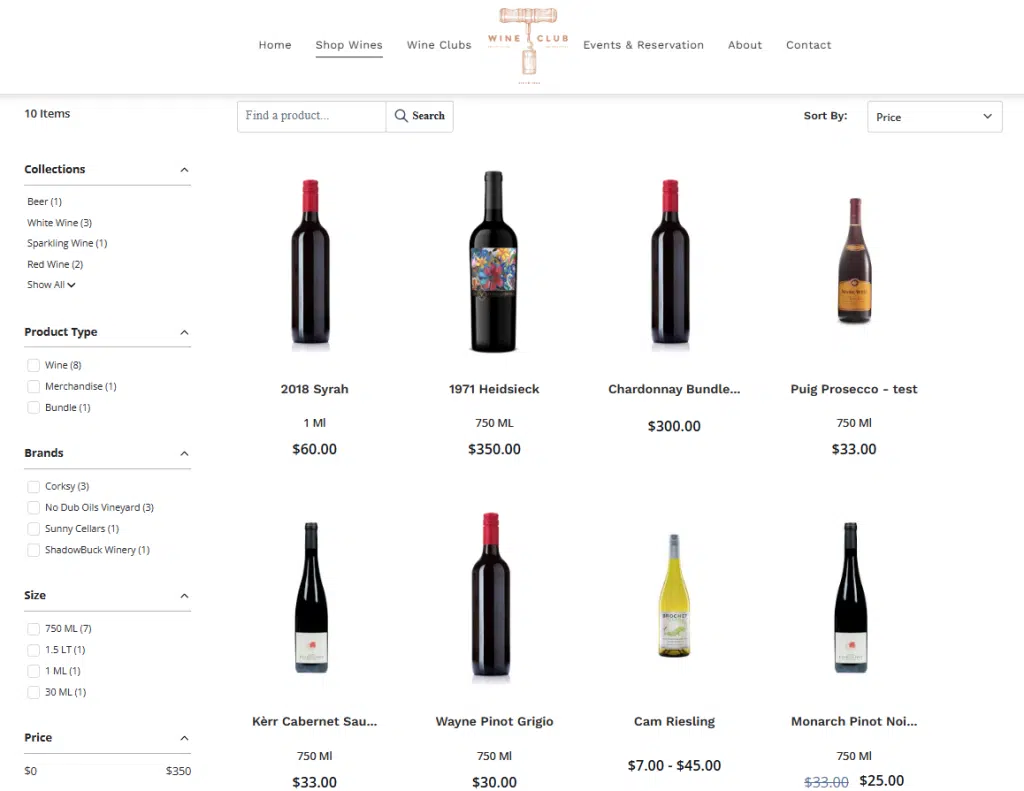
A few years ago at the DTC Wine Symposium, a panelist joked about the modern winery website formula: the guy, the dog, the truck, and the vineyard. Beautiful backdrop, strong lifestyle photography, a thoughtful founder story. Polished, absolutely. Strategically distinct, rarely. The critique wasn’t about branding. It was about structure. Most winery websites aren’t broken, but they aren’t built as decision environments either. Calls to action are unclear, revenue pathways are buried, shipping surprises appear late, and wine club often lives in isolation instead of throughout the buying journey. After auditing winery sites across regions and production sizes, the pattern is consistent: performance is constrained by friction, not effort. Most wineries don’t have a traffic problem. They have a conversion architecture problem. Before increasing ad spend or launching another promotion, run a winery website audit — on your phone. Start at the homepage and move t
00
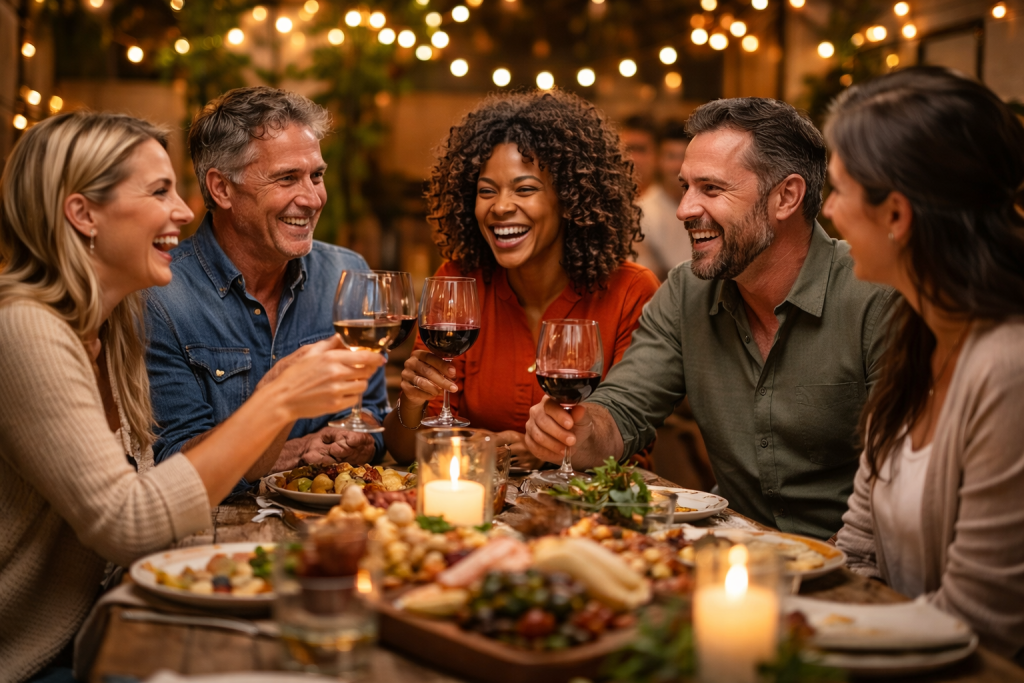
The wine club isn’t dying. It’s being rewritten. Wine clubs in 2026 still matter, but the way wineries build and grow them has fundamentally changed. What has changed is the lifestyle of the people in them. In 2026, the strongest force shaping wine club behavior is the Millennial generation — not because they are the only wine buyers, but because the way they live, spend, and subscribe has become the default expectation for everyone else. They are running households, hosting friends, raising families, managing busy schedules, and making more intentional purchasing decisions than any generation before them. That reality is quietly transforming what a wine club needs to be. Why lifestyle now matters more than allocations Wine clubs used to compete on bottles: how many, how rare, how discounted. That’s not how people experience wine anymore. Most members don’t think in terms of allocations or case sizes. They think in terms of how wine fits into their lives &
00
November 18, 2025

If your winery’s December felt like a sugar high followed by a January hangover, congratulations—you’re in the club. The holiday season brings out the best and worst of wine marketing. We see a flurry of emails, social posts, pop-up bundles, and panicked “last chance for shipping!” reminders that make even Santa unsubscribe. But behind all that glitter and noise sits something actually useful: data. And data, unlike mistletoe or tinsel, ages beautifully—if you know how to use it. Day 1: The Ghost of Open Rates Past Let’s start with the easy one. You sent fifteen emails between Thanksgiving and New Year’s, and shocker—open rates dropped after the first week. This isn’t your subscribers turning into Grinches; it’s list fatigue. Consumers are bombarded with messages from every brand they’ve ever accidentally clicked “subscribe” on. The fix: cut your frequency, not your revenue. Segment your list by engage
00
November 12, 2025
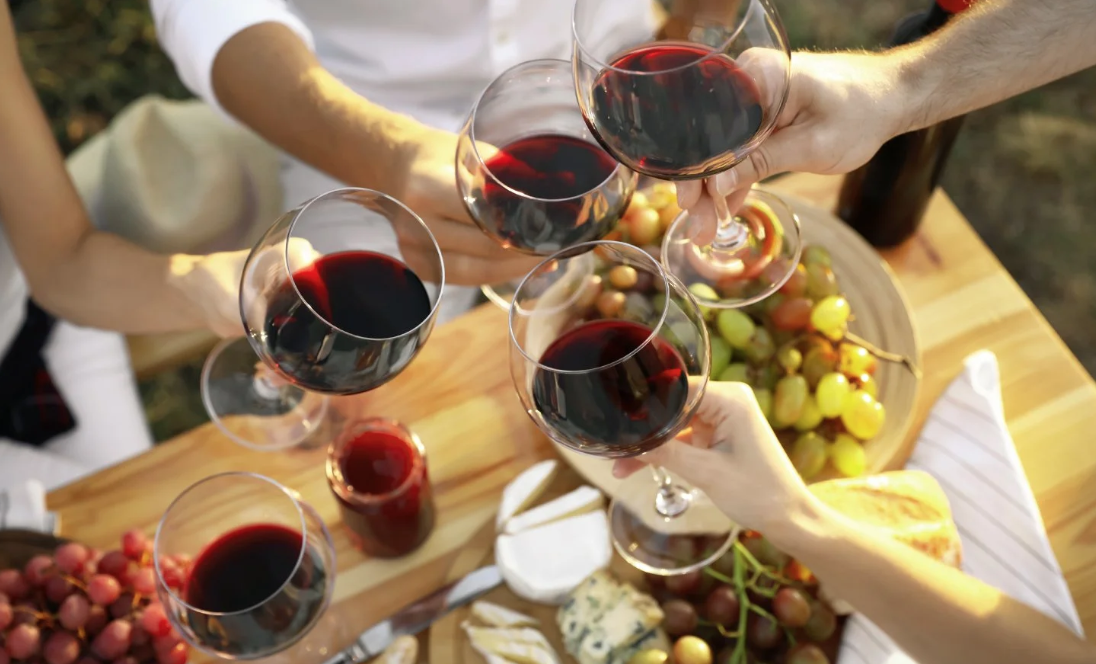
The Post-Harvest Drop-Off Fall brings a flurry of activity to wine country. Tasting rooms fill with eager visitors, social media buzzes with harvest photos, and the energy is palpable. Then November arrives, and for many wineries, engagement plummets. According to Silicon Valley Bank's 2024 Direct-to-Consumer Wine Survey, the average winery converts less than 15% of harvest event attendees into repeat customers by year-end. This represents an enormous missed opportunity. The wineries that thrive year-round don't view harvest as a seasonal peak but as the starting point of a strategic customer journey. Harvest Is Your Customer Acquisition Funnel Stop thinking of harvest events as isolated experiences and start viewing them as the top of your sales funnel. Smart consumer brands recognize that seasonal events provide a prime opportunity to collect valuable customer data while creating memorable brand experiences. These touchpoints become the first step in an ongoing relat
00
November 4, 2025
5 Ways Your Winery Can Strengthen Customer Connections (and Sales) This Holiday Season 5 Ways Your Winery Can Strengthen Customer Connections (and Sales) This Holiday Season The holidays aren’t just busy, they’re your best chance to turn quick questions into lasting loyalty. Today’s shoppers are scrolling on phones, not standing at the tasting bar. The wineries winning December bring tasting-room warmth online with guest-first DTC moves. 1 Real-time webchat Turn Browsers into Buyers with Real-Time Webchat Bring hospitality to your website: help gift-givers pick the right bottle, answer shipping questions, and keep carts from drifting. RedChirp integrates with vinSUITE, so conversations save to the customer profile for thoughtful follow-ups and personalized offers. Prompt ideas for staff: Who is the gift for? What’s the budget? Red, white, or sparkling? Favorite foods? Learn more: RedChirp • vinSUITE eCommerce 2 Segmentation Reconnect with the Customers Who
DTC winedigital hospitalityholiday wine saleswinery eCommercewine club growthwine club retentioncustomer segmentationListBuilderreal-time webchatRedChirpgiftinggift cardsValutecwine club giftingbundles and kitskiosk modeQR codestasting room to onlinepromo schedulingpromo consistencyPOS promotionsshipping offerscustomer experienceconversion raterepeat buyers
00
November 4, 2025
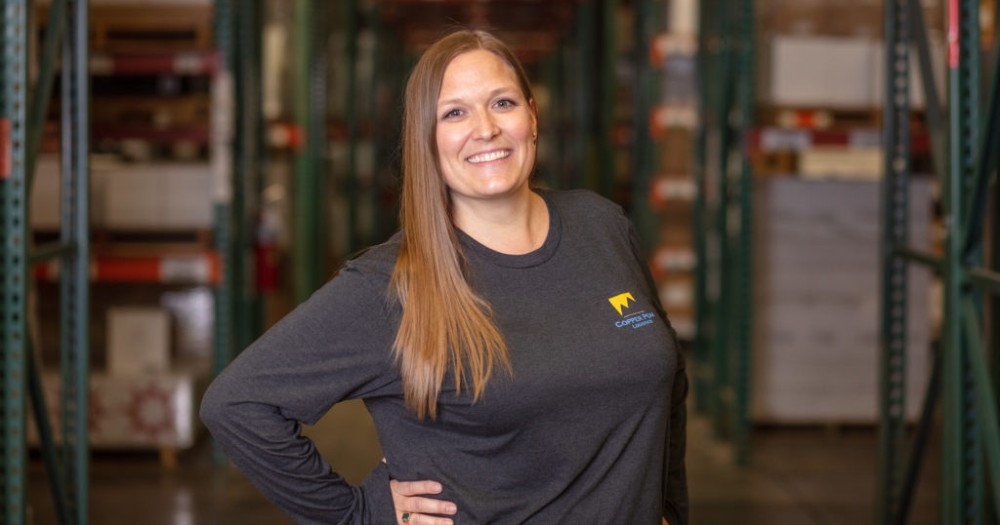
by Stacey HeuerAs we approach Thanksgiving, it’s a time to pause and reflect on the past year—the lessons we’ve learned, the challenges we’ve navigated, and the many things we have to be grateful for. For those of us in the wine industry, this reflection feels especially meaningful. The past year has asked us to adapt, to rethink long-standing traditions, and to find new ways to connect with customers and one another. We’ve witnessed shifting consumer preferences, evolving markets, and the uncertainty that naturally comes with change. Yet through it all, I’ve seen incredible determination, creativity, and collaboration across our community. These qualities remind me that, while the landscape may shift, what truly endures is our shared passion for the craft, our resilience in the face of challenge, and the strong sense of camaraderie that binds us together. In that spirit, I’d like to share what I’m especially thankful for within our wine
00
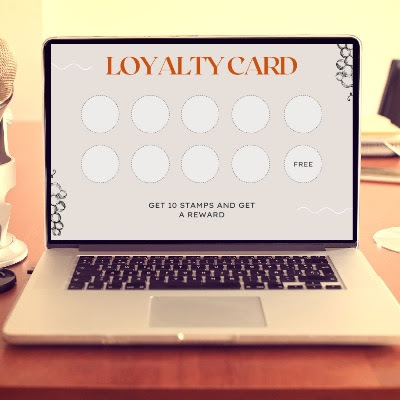
For years, discounting has been the default lever wineries pull to spark sales and reward loyal customers. But in today’s crowded marketplace, deep discounts can erode brand value and condition customers to buy only when the price drops. There’s a better way: loyalty points programs. Retention, without discounting, comes from making customers feel known, valued, and part of something special. They’ll stay not because it’s cheaper, but because it’s theirs. Instead of discounting away margin, wineries can encourage repeat visits and purchases by offering rewards that feel aspirational, personalized, and memorable. Loyalty points add up over time, giving guests a reason to come back again and again, all the while protecting your brand’s premium image. 10 Reasons Why Loyalty Points Work Shift from price to experience. Points reward frequency and engagement, not bargain hunting. The program should reinforce experience, access, and emotional loyalty, not
00
October 22, 2025
Over the past few years, wineries have seen tasting room visits decline as consumer habits shift. With more options than ever, visitors are looking for something special—experiences that go beyond just sampling wine. For many wineries, this means rethinking how they engage guests and creating a place people want to come back to. This guide explores how wineries across the country are turning their tasting rooms into destinations—balancing local charm, modern convenience, and genuine hospitality. Create Unique, Social Experiences In today’s market, wineries that stand out provide more than just a tasting—they create memorable, shareable experiences that make guests want to stay longer and come back. Enhancing the Atmosphere with Music: Music adds energy and can make an ordinary tasting feel like an event. Hosting live music, whether it’s a local band or acoustic performer, brings people together and keeps them engaged. Many wineries schedule music on weeke
00

The holiday season is one of the busiest times of the year for wineries. Customers are looking for the perfect gifts, stocking up on their favorite bottles, and attending festive gatherings where wine is often at the center. For wineries, it's also a time when operations can become complex and demand increased attention both in the tasting room and online. At VinesOS, we understand the unique challenges wineries face this time of year. Here are a few key things to consider as you prepare for a successful holiday season: 1. Plan your Promotions Holidays are prime time for promotions, but managing discounts and member benefits can get tricky. That's why flexible coupon tools are so important. Look for solutions that allow you to: Stack discounts or override member pricing when needed Run special holiday offers without disrupting your existing loyalty programs Encourage repeat purchases with timed or exclusive promotions When done right, promotions not only drive sales but
00