
Filter Post Type
NewsVideoProductEventLink
Sort:
Most Recent
1–10 of 18

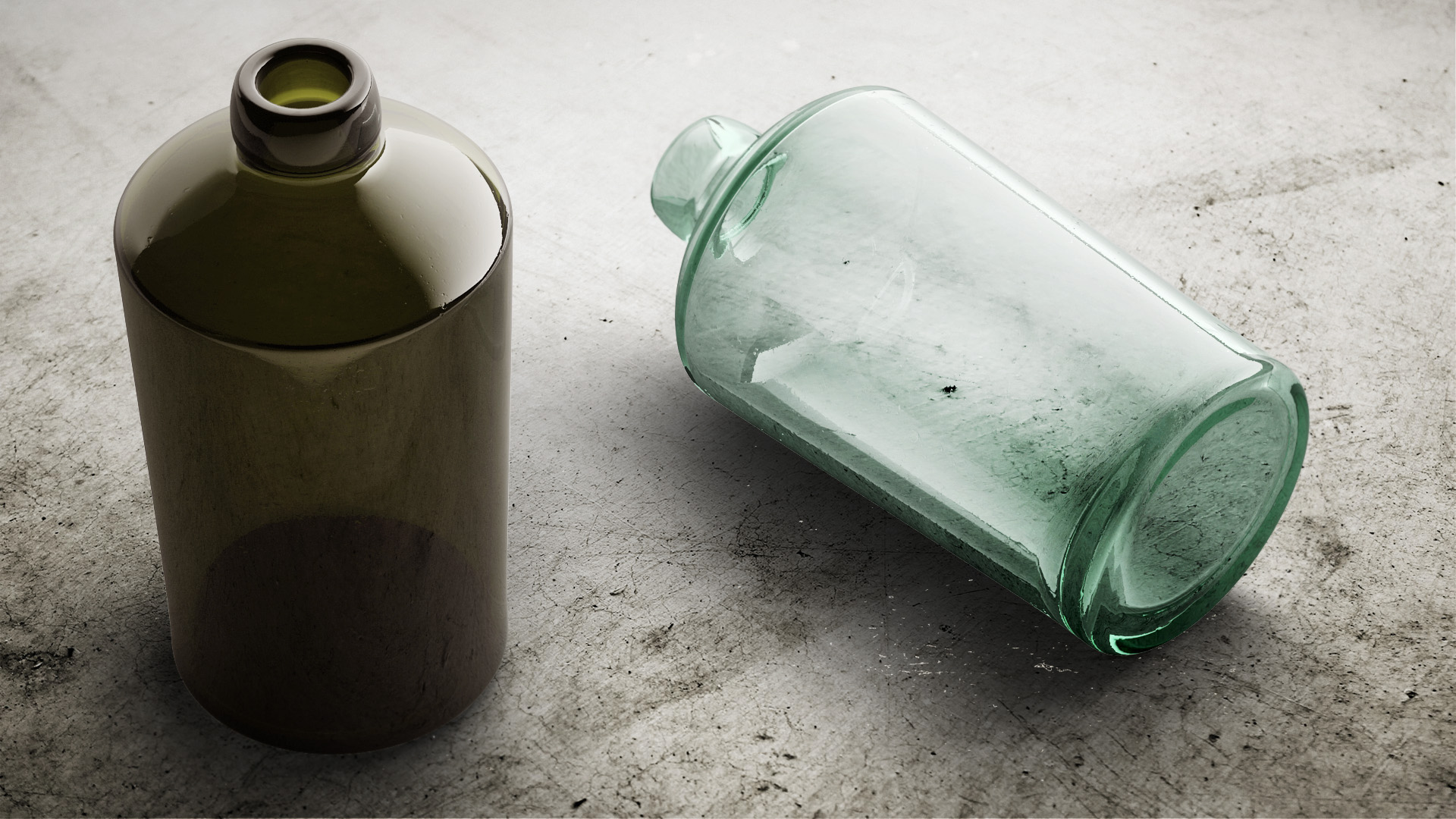
For winemakers and distillers, crafting exceptional beverages is only part of the journey. To ensure your product maintains its premium quality and reaches consumers in perfect condition, the preservation of both its taste and appearance is critical. This is where the often-overlooked factor of glass color comes into play. The color of your bottle can have a profound impact on the longevity, flavor stability, and overall appeal of your wine or spirit. By understanding how different glass colors protect against light damage, you can make more informed packaging choices that safeguard your product’s quality and enhance its shelf life. In this article, we’ll explore the science behind glass color and light exposure, explain how traditional and modern glass choices can protect your product, and provide insights into balancing practical preservation needs with aesthetic considerations. Whether you’re crafting aged whiskey or fine wine, the right glass color is more
00

Explore how Winesecrets' selective dealcoholization process delivers premium No/Lo wines without compromising what makes them wine: Selective membrane separation — Our Reverse Osmosis process extracts only water, alcohol, and acetic acid. Color, tannin, body, and structure stay behind the membrane, untouched. Complete aromatic protection — Delicate volatile compounds are physically retained by the membrane throughout the entire process. There is no need to "capture" or "add back" aromatics since they're never lost in the first place. No heat contact with your wine — Only the water-ethanol permeate fraction is distilled. Your wine is maintained at cellar temperature from start to finish. Minimal volume loss — With an average loss of just 1.25%, more of your wine comes back to bottle and sell. Trial to production scale — Start with a Test Track bench trial on as little as a 750ml sample to taste your wine at multiple ABV targets,
00
February 16, 2026
In the world of low- and no-alcohol beverages, innovation isn’t a buzzword — it’s a necessity. After BevZero’s recent WINnovation award, spotlighting game-changing achievements in wine technology, it’s time we take you deeper into the system that’s redefining alcohol removal: ClearAlc. Exclusively distributed by BevZero and engineered and manufactured by Tomsa Destil, ClearAlc is the next generation of dealcoholization equipment. It brings a blend of precision, sustainability, and versatility unique to the beverage world — and it’s earning attention for good reason. Let’s open the hood on ClearAlc and explore what makes this technology not only unique but award-worthy. What Is ClearAlc? At its core, ClearAlc is a patented vacuum distillation system that removes alcohol from wine, cider, and spirits using a single-pass, high-efficiency process. But this isn’t just about pulling out ethanol — ClearAlc
00
Dry January is no longer just a health challenge or a new-year reset—it’s a global movement. But here’s the kicker: savvy brands know that real success in the no- and low-alcohol (No/Low) category comes from building momentum well beyond one month. At BevZero, we help our clients turn the buzz of January into a sustainable, year-round beverage strategy using expert product development, cutting-edge dealcoholization services, and full-spectrum beverage solutions. Let’s talk about how. Why Dry January Is Only the Beginning Dry January consistently delivers a spike in consumer interest, online searches, and sales for No/Low products—especially non-alcoholic wines, beers, and spirits. But interest doesn’t flatline in February. In fact, there are multiple high-impact moments throughout the year where brands can meet growing demand: Spring (March – May): Holidays like St. Patricks, Easter, and Mothers Day can be a great time to provide low or no
00
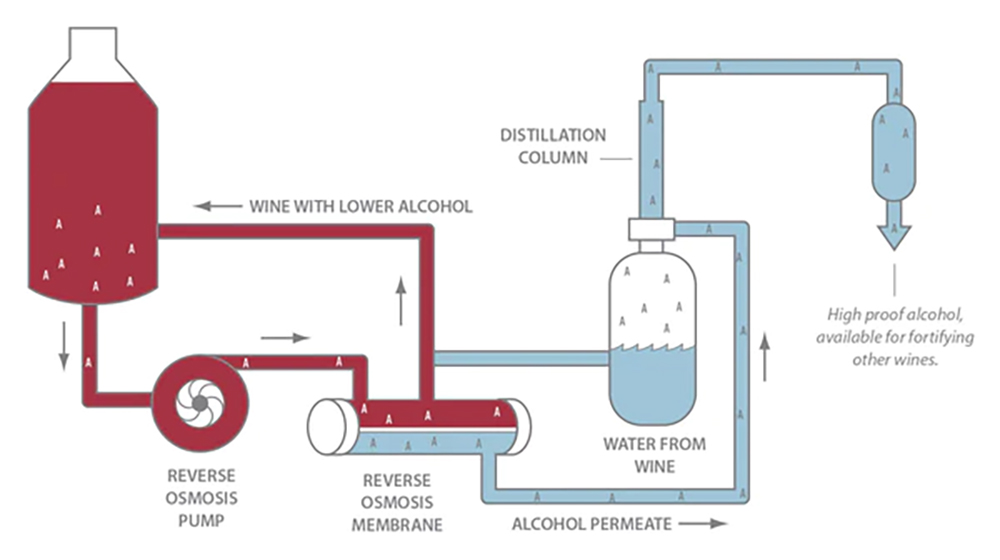
Discover unparalleled precision in Alcohol Removal! Your browser does not support HTML5 video. Explore how our state of the art dealcoholization process... Employs meticulously selective membranes - Our process extracts only water, alcohol, and acetic acid. Retains volatile phenolics - No need to "capture" or "add back" any volatile compounds when our process protects and preserves your most delicate wine characteristics in the first place. Removes without heat - Your wine is never heated! Only the water-ethanol fraction is distilled, ensuring your wine is maintained at cellar temperature throughout the alcohol removal process. Minimizes volume loss - With an average loss of just 1.25%, we send you back more of your wine to bottle and sell! Scales from Trial to Production volumes - Schedule a Test Track service on our bench scale equipment prior to full scale dealcoholization. Call or email Cameron@winesecrets.com for more information abou
00
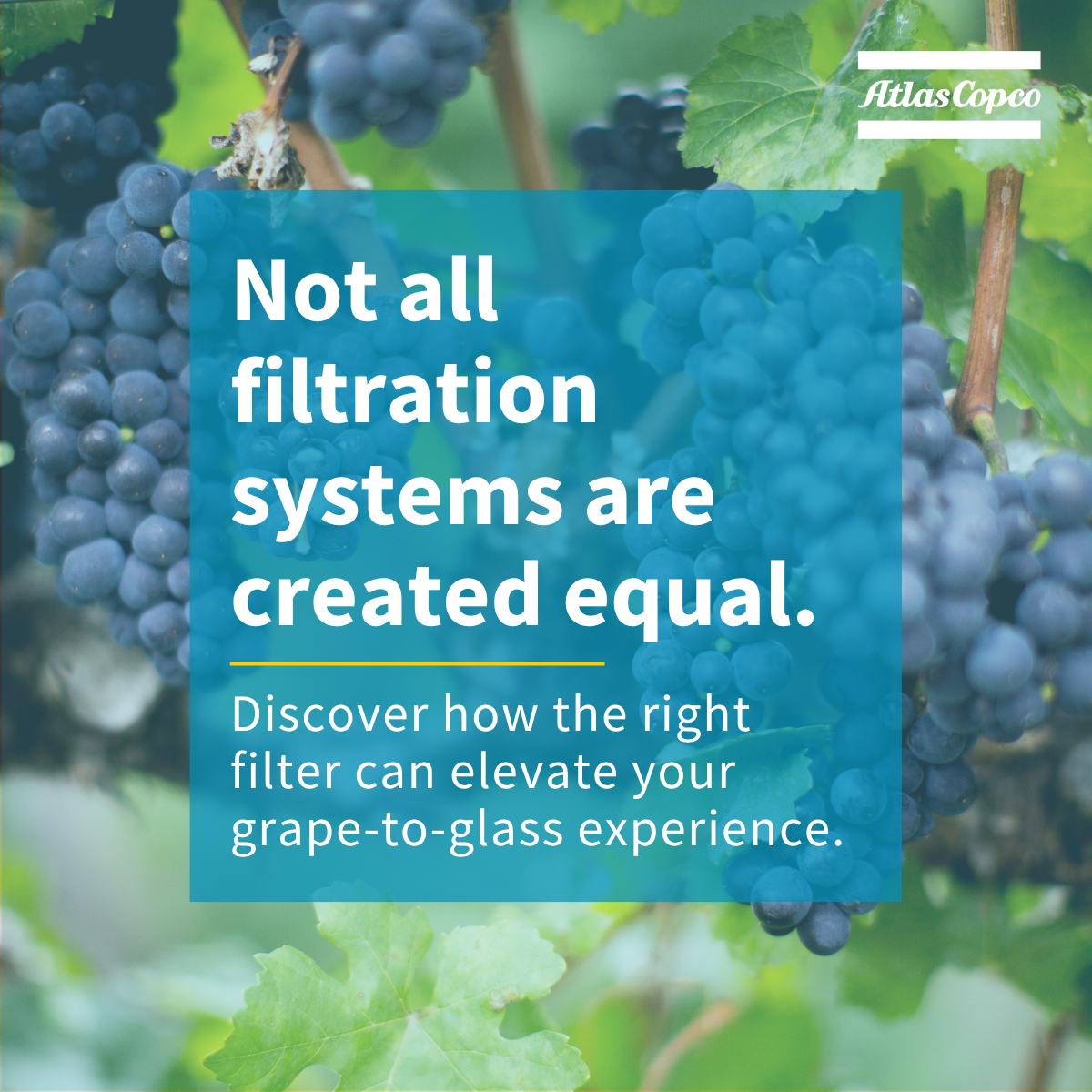
To select the best filtration system, it's important to understand the unique demands at each step of the production process. Keep these factors in mind: 1. Consider Wine Type Different wine styles = different filtration needs. Sparkling wines, for example, often require filtration methods designed to preserve carbonation, while red wines benefit from gentler techniques to maintain tannins and phenolic compounds. A custom filtration system ensures that each variety maintains its intended flavor profile. 2. Define Filtration Objectives Your filtration strategy should align with your winery’s production goals and brand standards. While some wineries focus on achieving high clarity, others may prioritize microbial stability. Establishing these objectives upfront helps determine the most suitable filtration process for your winery. 3. Match Filters to Particle Size Selecting the right pore size is essential to effective fi
00

July 21, 2025
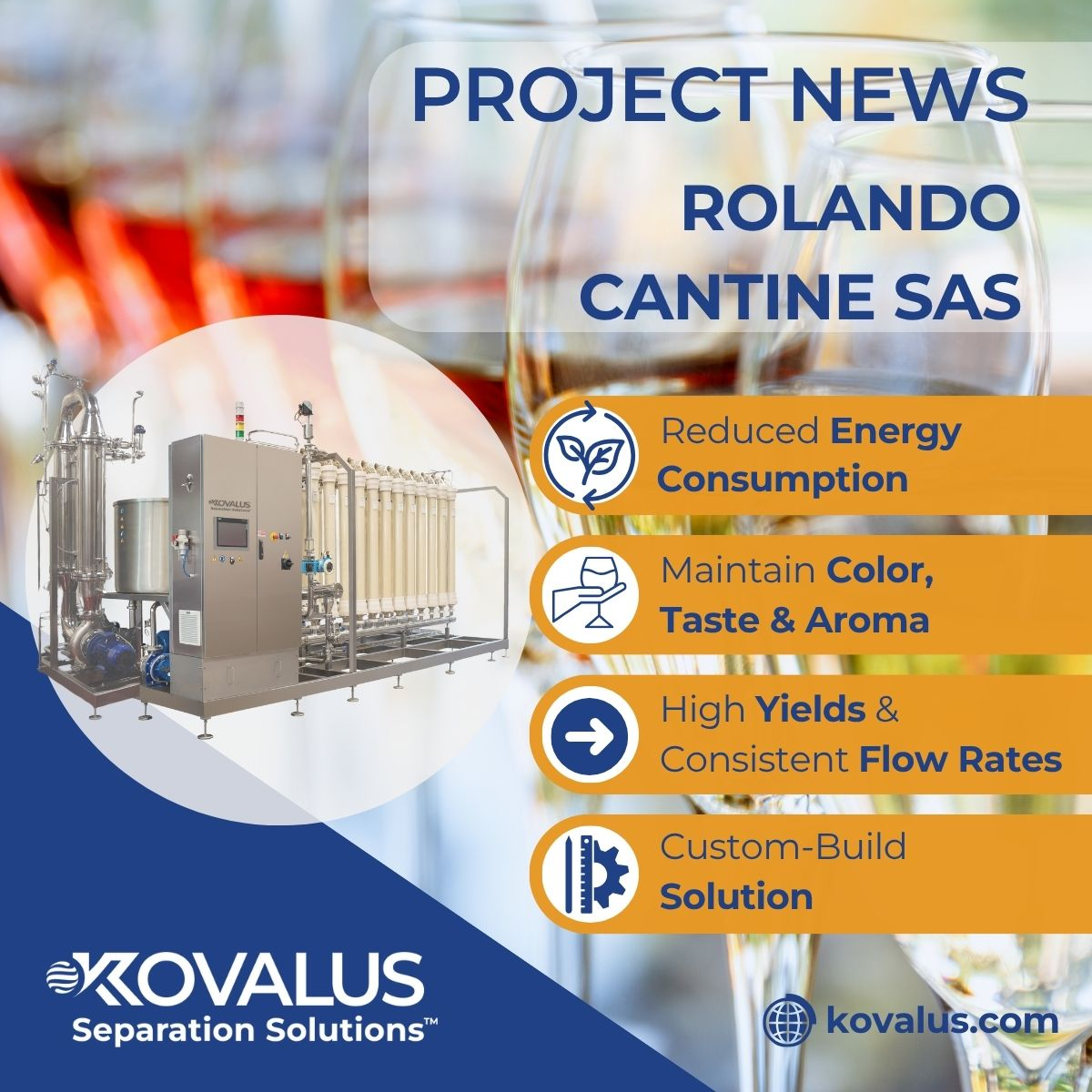
Project Spotlight: Rolando Cantine Sas Kovalus Separation Solutions has had another successful collaboration with long-time partner Rolando Cantine Sas, a renowned Italian producer of clarified grape must and a trusted supplier to some of the world’s most recognized wine and sparkling wine producers. To support their expansion under Italy’s Industria 5.0 energy savings program, our team delivered a custom-engineered Kovalus hollow fiber WINEFILTER + ceramic membrane filtration system that offers: Reduced energy consumption Consistent flow rates for improved efficiency Preservation of color, aroma, taste A fully automated, dual-stage design with integrated ceramic polishing With a capacity of up to 300,000 L/day and an additional 10,000 L/day recovered via ceramic filtration, the new system boosts yield while honoring product quality – a key advantage in competitive markets. This is more than a system. It’s a solution
00
February 25, 2025
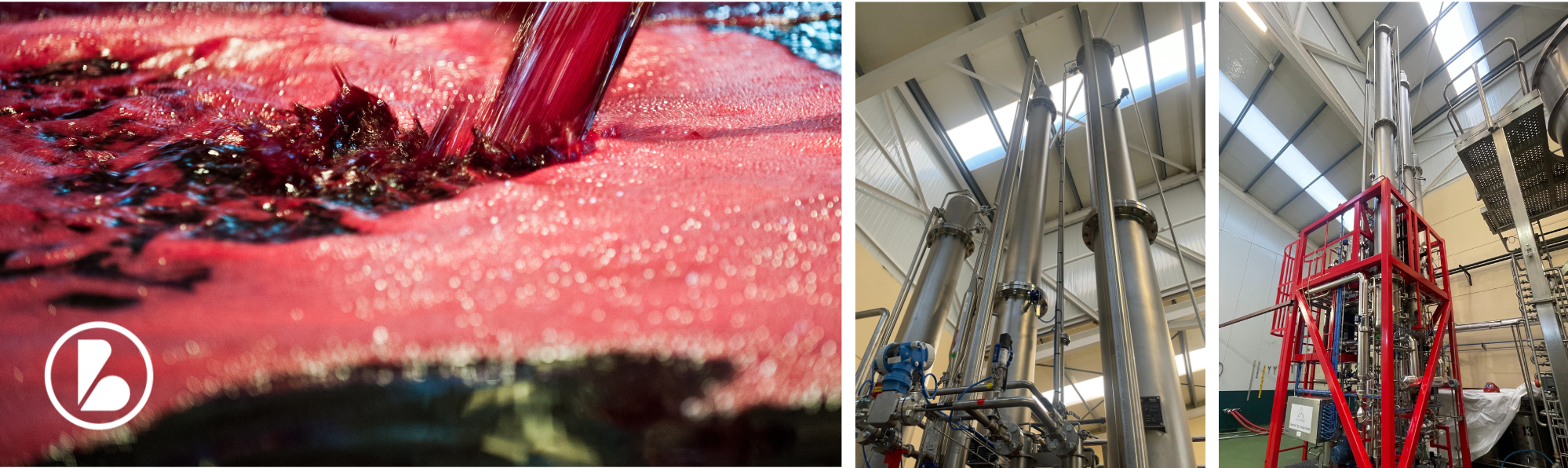
Villatobas, Spain – 24 February 2025 – BevZero, a global leader in beverage services and equipment, is pleased to announce the delivery of a state-of-the-art ClearAlc Dealcoholization demonstration unit, manufactured by Tomsa Destil, to its facility in Spain. The new unit, with a processing capacity of 300 liters per hour is fully representative of the performance and capabilities of the larger size commercial units available for sale now. It will be fully operational by the end of February 2025 and ready for customer demonstration. The ClearAlc technology, represents a significant advancement in the field of dealcoholization. Utilizing a highly energy-efficient, single-pass vacuum distillation process, ClearAlc gently removes alcohol from beverages such as wine, cider, and spirits while preserving their original flavor profiles. This method ensures the highest quality and the greatest integrity of the final product. Key features of the ClearAlc system include: Advanc
00
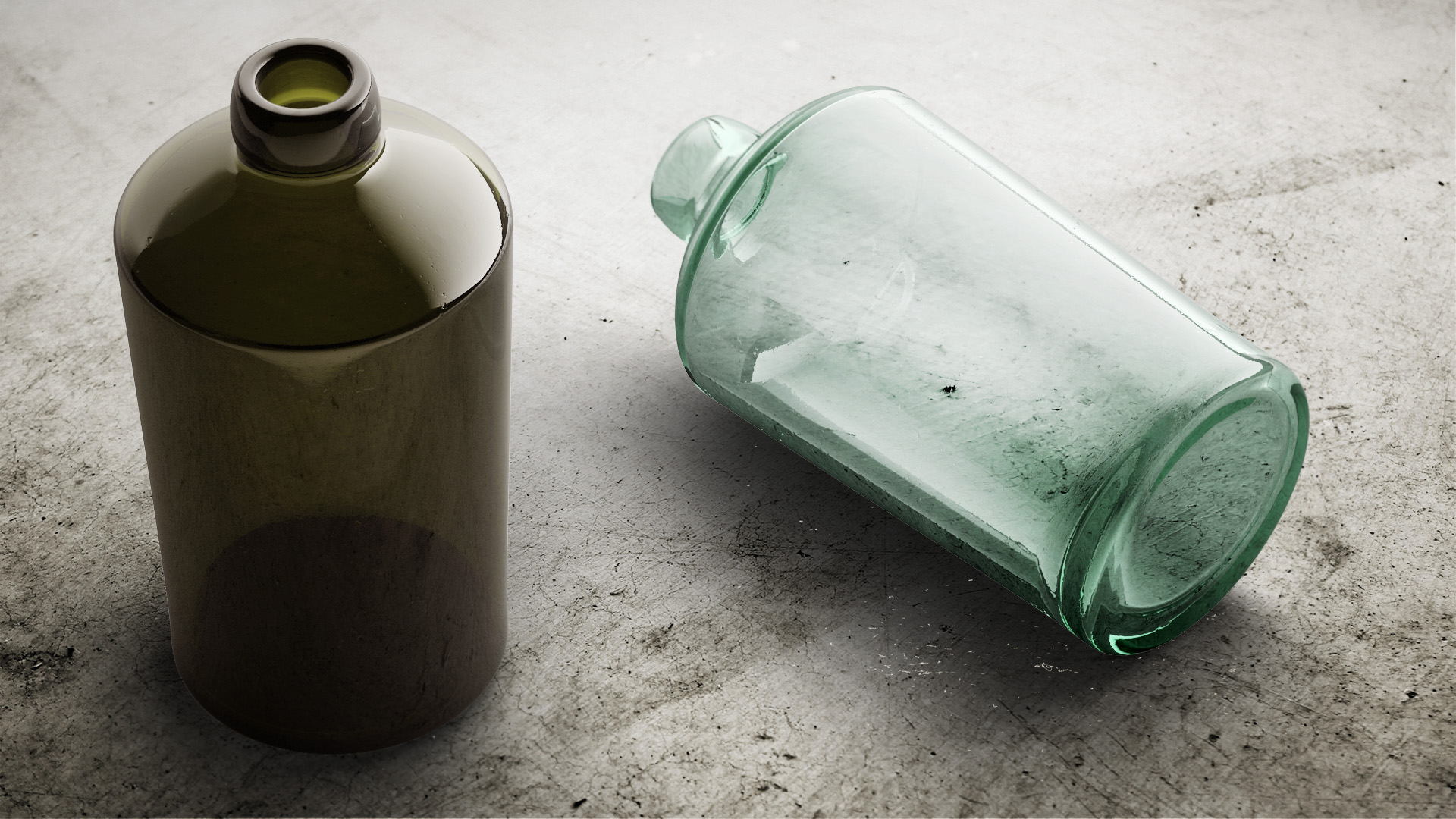
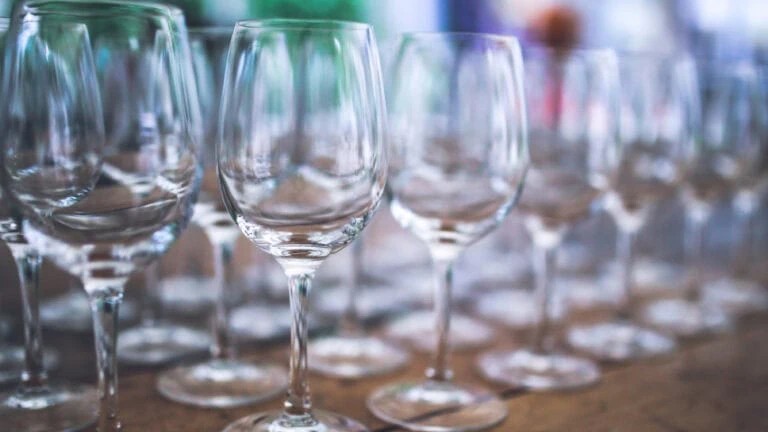
Why Glass Color Matters for Wine and Spirits Preservation. For winemakers and distillers, crafting exceptional beverages is only part of the journey. To ensure your product maintains its premium quality and reaches consumers in perfect condition, the preservation of both its taste and appearance is critical. This is where the often-overlooked factor of glass color comes into play. The color of your bottle can have a profound impact on the longevity, flavor stability, and overall appeal of your wine or spirit. By understanding how different glass colors protect against light damage, you can make more informed packaging choices that safeguard your product’s quality and enhance its shelf life. In this article, we’ll explore the science behind glass color and light exposure, explain how traditional and modern glass choices can protect your product, and provide insights into balancing practical preservation needs with aesthetic considerations. Whether you’re crafting
00
December 17, 2024
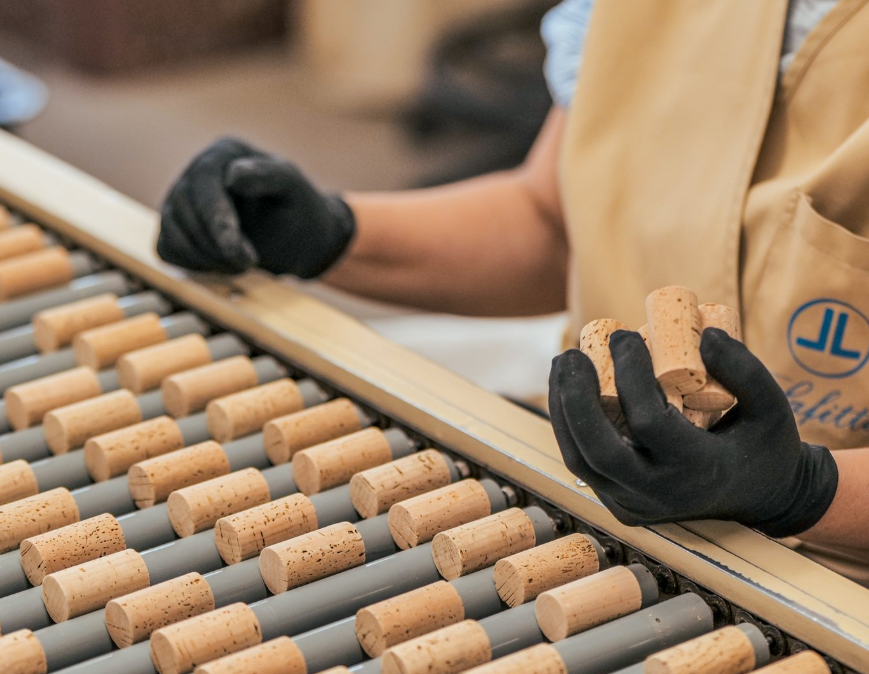
When it comes to sealing wine bottles, one material has stood the test of time and emerged as the preferred choice of winemakers and enthusiasts alike – cork. Derived from the bark of cork oak trees, cork stoppers have been used for centuries, and their natural properties make them the perfect choice for preserving and aging wine. Preserving Wine Quality Cork stoppers are celebrated for their ability to preserve the quality and integrity of wine over time. Their unique structure provides a near-impermeable barrier to oxygen, preventing excessive oxidation and allowing wine to mature gracefully. Unlike synthetic alternatives, such as screw caps or plastic stoppers, cork allows a controlled amount of oxygen to interact with the wine, enabling it to evolve and develop complex flavors and aromas. Furthermore, cork's elasticity allows it to form a tight seal within the neck of the bottle, protecting the wine from external influences such as light and temperature fluctuations. T
00