
Filter Post Type
NewsVideoProductEventLink
Sort:
Most Recent
1–10 of 42


Most conversations about AI in agriculture lead nowhere. There is plenty of speculation, plenty of marketing, and very little shared understanding of how AI is actually being used inside real vineyard operations. There is no manual. No proven tools, and even fewer examples that go beyond theory. That is what makes this story different. Rather than discussing what AI could do someday, this article looks at what happened when a professional vineyard management team, operating at scale and under real economic pressure, put AI to work on the unglamorous parts of their operation: scheduling, coordination, and administrative complexity. The outcome was not what most people would expect. The biggest gains did not come from automation itself, but from what changed once friction was removed from daily work. First, You Have to Start With a Real Problem A vineyard operations leader managing large-scale acreage described a situation many vineyard operators recognize immediately: an operatio
00

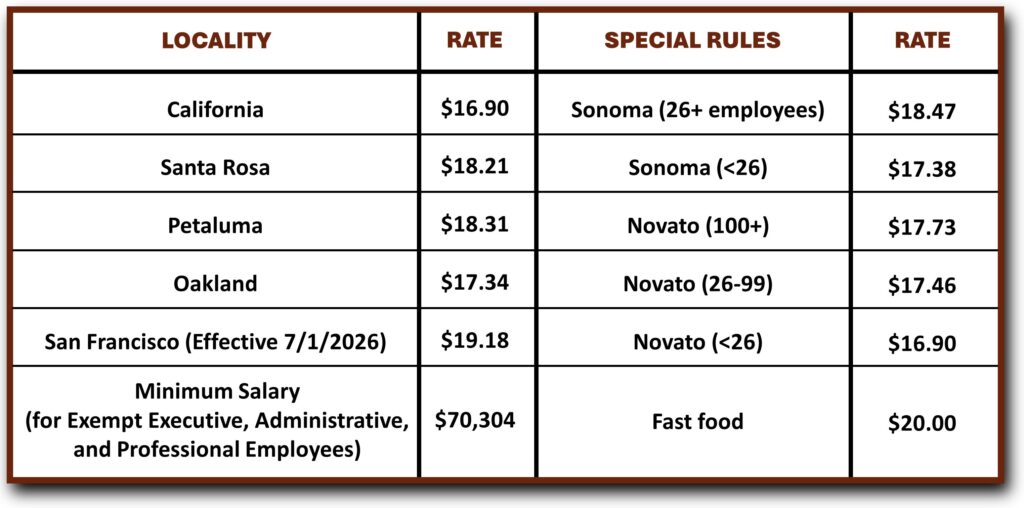
It is time to dust off the employee handbook, review your policies and procedures, and make sure they comply with all the new laws, regulations, and interpretations that went into effect during 2025, became effective in late 2025, or January 1, 2026. Below, we have identified our “top 10” changes. Please keep in mind there were hundreds of laws, regulations, and changes implemented at the local, state, and federal levels throughout 2025. This summary highlights selected changes most likely to impact California employers and is not intended to be exhaustive. So, if you need a handbook/policy review or have any questions, please call us! 1 – Minimum Wage Update: Updates happen every year. It’s best to put a calendar reminder in November, to make sure your payroll is ready! Action: Review your payroll to ensure all employees are being paid the new minimum wage, send written notice of the wage change to affected hourly employees, and be sure your salari
00

November 17, 2025
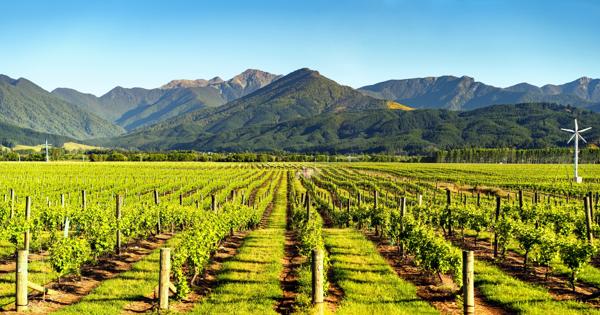
For many North Coast growers, Fleabane has gone from an occasional nuisance to a persistent challenge. Once it takes hold between rows or drip lines, it competes with young vines for moisture, slows canopy growth, and creates long-term pressure that can be costly to manage later in the season. What’s catching many growers off guard right now is timing. Fleabane does most of its damage before spring even begins. By the time it becomes tall, fibrous, and woody, mechanical removal struggles, contact herbicides lose effectiveness, and regrowth surges after bud break. Why Fleabane Persists Unlike many annual weeds that fade with summer heat, fleabane germinates and seeds aggressively over winter, forming low mats that harden into upright stalks by early spring. That’s why post-harvest through dormancy (Q4) is often the most strategic time for control, not April or May when vineyard crews are already stretched across canopy management an
00

October 22, 2025

Afternoon Brief: Pacificorp Gives $125M to Oregon Wineries, Vineyards in Settlement Over Labor Day Fires
PacifiCorp agreed to pay $125 million as part of a settlement with Oregon wine companies and vineyards over damage from the 2020 Labor Day wildfires, lawyers announced Oct. 19...
Michael SinowitzPerformant CapitalBevLogicThe California Association of Winegrape GrowersVolcanic Wines InternationalWines of GermanyCorksyGerardo EspinosaJoy SterlingIron Horse VineyardsJohann RupertCaro Maurer MWTerrainAmerican AgCreditLafitte Cork and Capsule IncRack & RiddleSuburban PropanePlata Wine PartnersRutherford Hill WinerySouth Coast Winery Resort & Spa
00

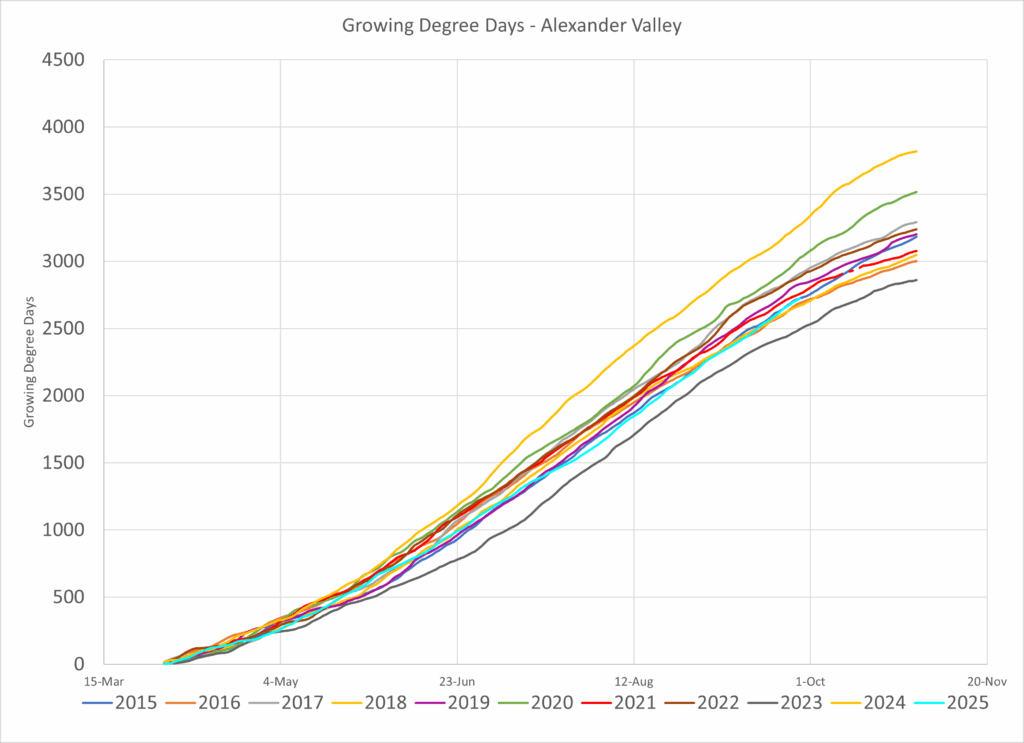
If this year is defined by a singular emotion, it’s anxiety. That’s nothing new in farming, however I’m talking about anxiety over the abysmal grape market rather than any natural phenomenon. Many of us were so busy scrambling for buyers, we may have forgotten to notice just how great the weather has been. Why wouldn’t we get handed a great year when most of us can’t sell any grapes? Let’s look at some numbers My gut feeling was that 2025 was similar to 2023 with a few big differences. 2023 saw some record high rainfall in the winter and early spring throughout California. Even the Paso Robles area got around 21” of rain from July 1st 2022 to July 1st 2023, up from a whopping 6.5” the year prior. That amounted to lots of nice canopy development early in the year and some good yield potential, provided you didn’t get shatter during the chilly springtime. This year however, the Central Coast was back to a measly <7” of rain w
00
August 6, 2025

Afternoon Brief: Lyle Wineries Assess Damage from Burdoin Fire, Start to Reopen
Just over two and a half weeks after the Burdoin fire burned through the Lyle/Bingen area of the Columbia River Gorge, local wineries are still assessing the extent of damage and, in some cases, starting to reopen...
J RoboticsBarbara WerleyPeregrine HospitalityHorton VineyardsNaples Winter Wine FestivalCorksyJoe NielsenRam’s Gate WineryRob SymingtonBerry Bros. & RuddChris TarantoLibbie AgranJustin LewisRiboli Family WinesInnoVintVintraceWiseConnRose Hill VineyardsLo Secco ProseccoCarter CreekSouth Coast Wineries
00


From the bottoms of pleasure boats to the undercarriages of trucks, tractors, trailers, cars and more, dirty bottoms are no laughing matter. Dirty bottoms are notorious for transporting social undesirables. These hitchhikers can include invasive species such as golden mussels and creepy crawlies, contagious bacteria and viruses (think e-coli and bird flu’), as well as soil and manure build up, and even corrosive road salt and brine. There’s a surprisingly simple solution to clean your bottom… Sneaky Hitchhikers: Bacteria and viruses can catch a ride on vehicles including boats. Just to name a few… E-coli can survive for months on surfaces. Some strains are able to produce toxins that can damage the digestive tract and lead to severe complications. Bird flu(avian influenza) has been found on both dairy and poultry farms and the virus can survive on surfaces for extended periods. It can travel via vehicles between farms. Salmonella can spread via vehicles, par
00
December 2, 2024
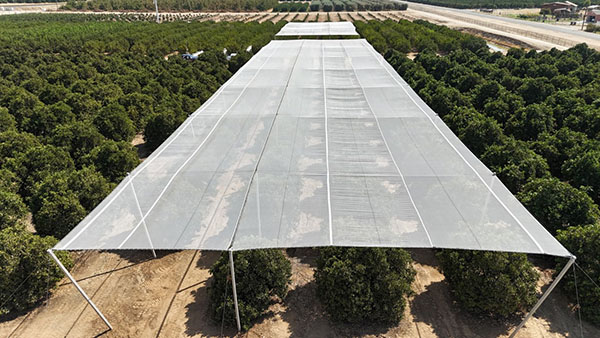
Winegrowers are nothing if not adaptable, given that the grape is a harbinger crop, or in more prosaic terms, the canary in the coal mine for agriculture. As a result, when climate shifts generate more frequent heat waves of higher temperatures and longer duration, viticulturists swing into action with a toolbox of methods to mitigate the effects. Growers use misters to cool the air around the grapes, irrigate in advance of heat waves to prevent dehydration, and even apply anti-transpirants that work like sunscreen to protect from sun damage. Medium-term options include changing canopy management to delay ripening and using regenerative farming techniques to boost water retention in the soil. The most aggressive strategies involve relocating vineyards to cooler microclimates or pulling up and replacing less heat-tolerant varietals. However, vineyard owners are unlikely to invest in these approaches while consumption and demand are declining. A better alternative wou
00

November 21, 2024
Event Type: Webinar
Location: Online
Date: 12/18/2024
Join us for a comprehensive session exploring essential insurance solutions for grape growers. Industry experts will be discussing the new Fire Insurance Protection – Smoke Index (FIP-SI) endorsement for the 2025 crop year. They will cover how it enhances a grower’s underlying Multi-Peril Crop Insurance policy to protect up to 95% of a crop’s value against fire and smoke damaged grapes. This session will review how the Risk Management Agency determines county-wide smoke events, grower requirements for the claims process, and how a claim payment is calculated with historical references to illustrate how FIP-SI can strengthen your risk management strategy. They’ll also discuss the new Grapevine Policy, launched for the 2024 crop year, which provides coverage specifically for grapevines. Don’t miss this opportunity to explore these valuable programs and learn how they can protect your vineyard operations. Register Here Session Panel: Laura Hern
00


WHY WEBSITE UPDATES ARE IMPORTANT (AND HOW TO KNOW IF YOU NEED ONE) I can feel your eye-rolls and hear your inner voice about this topic. You already have a website. It works fine. You spent good money to develop it two, three, maybe four years ago. Why do you need to worry about it when so many other priorities are vying for attention and budget? YOU WILL NEVER BE CURRENT The only constant thing about technology is that it is constantly changing – and at a frightening pace. Would it surprise you to know that since 2010, new technology and data have increased so fast that it is estimated that 90% of the world’s data – like, since forever – was generated in the last two years alone? When new operating systems are released, they push new hardware to be created (or vice versa), which then mandates software has to be updated, which then requires all the plug-ins and ancillary functions and code must be updated. This all ultimately feeds an environment in which we a
00