
Filter Post Type
NewsVideoProductEventLink
Sort:
Most Recent
1–2 of 2

September 8, 2025
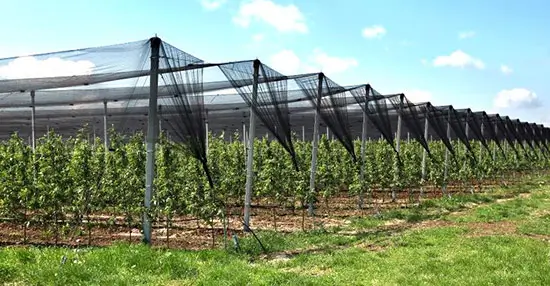
As vineyard owners adapt to record heat waves, canopy management and climate-mitigating techniques are front and center, but the real unsung hero might be the trellis system itself. Temporary fixes can only go so far when the foundation isn’t strong. That’s why growers are rethinking traditional wood and steel posts in favor of long-lasting alternatives like concrete vineyard posts, which offer the durability and strength needed to support climate-adaptive tools such as shade canopies. In extreme weather, - heat, wind, or even wildfire-prone regions - concrete posts outperform conventional materials. They’re fire-resistant, pest-proof, and strong enough to withstand the tension of netting systems without bending or warping. With the right anchor configuration, they can also be adapted to various terrain and row widths, giving growers more flexibility as their needs evolve. When combined with shade netting, concrete posts offer a stable infrastructure that lower
00

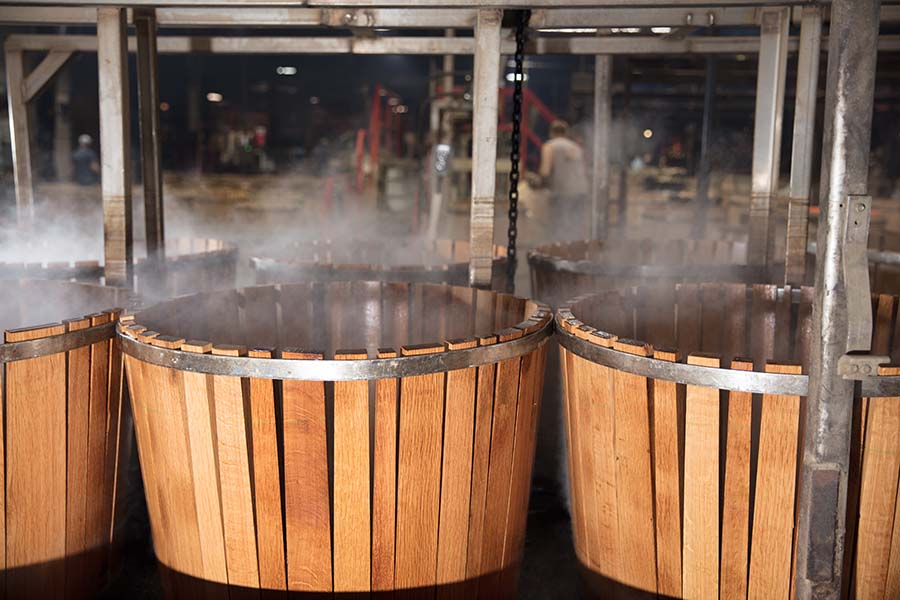
Wine barrels are beautiful and elegant (we might be biased of course), but there is a world of science and technology swirling just below the surface. We’ve been discussing it in our Oak 101 Series (start here if you want to catch up). Today, we want to talk about a step in the process that is key to creating the barrel itself: bending the barrel. Heat is required to soften the staves so they can be shaped into a barrel without breaking during the process. When softened, the wood increases in malleability. Think of a hard caramel candy: it is brittle until it’s heated, then it softens and can be shaped. The same thing goes with wood! There are several methods of heat bending that can be used to safely shape the staves, and each creates different chemical results after the barrel is toasted. Of course, this means wines aged in barrels with different bending techniques have different sensory characteristics. For the purpose of today’s post, we are going to explore the t
00