
Filter Post Type
NewsVideoProductEventLink
Sort:
Most Recent
Tagged:energy efficiency
1–6 of 6
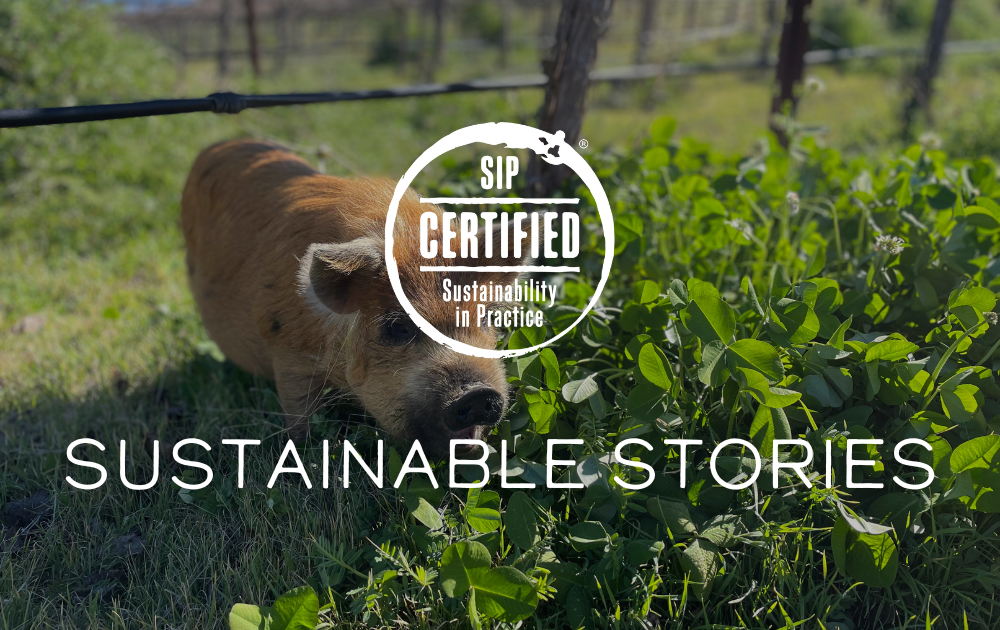
Sustainable Story | Happy, Helping Hooves Weeds challenge farms of all sizes. When Melani Harding, Owner and Winemaker at Bon Niche Cellars, decided to stop using herbicides, weeds got out of hand and she looked for more sustainable control methods. She adopted Nigerian dwarf goats, who promptly began cleaning up the property. But since they’ll gladly eat budding and maturing grapes, they can only free-roam the vineyard between harvest and bud break. Babydoll sheep joined the crew next. They are the perfect height for removing excess vine leaves… which also means they can reach the fruit! They also must leave the vineyard at bud break and are welcome back with the goats after harvest. Melani wanted to achieve year-round weed control. After some research, she found the perfect solution: Kunekune pigs with short stature and a natural inclination for grazing. In 2021, Gilbert the Pig joined the farm and quickly became a local celebrity. Over the years, Melani has established
00
You can glean a lot of information about a wine from the label. The next time you walk down a wine aisle, you may notice that you feel comfortable with the common terms and symbols like vintage, place of origin, and percent alcohol, but feel some confusion when you see some of the increasingly present ones like natural, vegan, and organic. In this week’s Marketing Tip, we’re giving you a green wine glossary: 5 common wine designations defined so you’ll wonder no longer. Your Green Wine Glossary Vegan Not every wine fits a vegan lifestyle. During the winemaking process, small particles can cause haziness or unwanted flavor properties. Winemakers can add a fining agent that will bind to these tiny particles and make them large enough to be filtered out. Many fining agents are animal-based – for example: egg whites, casein, and gelatin. Wine that was fined with any of these materials cannot be considered vegan. Vegan wines include those that
00


As wineries scale their operations and invest in modern technologies, energy efficiency has become a key focus. Rising utility costs and an increased environmental consciousness among consumers have made energy management a top priority for wineries looking to remain competitive and sustainable. At TM Process & Controls, we help wineries optimize their energy usage by designing systems that not only improve operational efficiency but also reduce energy consumption. From automated process controls to system upgrades that minimize waste, our solutions help wineries cut energy costs and enhance sustainability. By adopting TMPC’s energy-efficient solutions, wineries can lower operational costs, reduce their environmental footprint, and position themselves as leaders in sustainable wine production. It’s a win-win for both your bottom line and the planet. Learn More
00

Sustainable Story: Niner Wine Estates Shoppers’ sense of urgency around climate change is rising. 78% of global consumers feel that environmental sustainability is important, they like the idea of being sustainable, and want to live more sustainable lives (Simon Kucher & Partners, 2021). While many brands and retailers today are making eco-friendly claims, some chalk up to little more than greenwashing: a marketing ploy designed to make products seem more sustainable than they are. Because of this, consumers feel that they can’t always trust “green” claims. It’s more important than ever for sustainable brands like you to share your sustainable story in a meaningful and authentic way. Wondering what it means to share a story that consumers can trust? See an example in this week’s Marketing Tip, where we share Niner Wine Estates’ Sustainable Story surrounding the Value of Energy Efficiency. Stacking Energy Savings Electrici
00

This year, 12 new vineyards made the incredible achievement of earning SIP Certified. Thanks to their hard work and dedication, San Benito, San Luis Obispo, and Santa Barbara counties are now home to an additional 2500 acres of sustainably farmed vineyards. Congratulations to both new and renewing SIP Certified members! By implementing the program’s rigorous Standards, these environmentally and socially responsible land stewards protect the people and the planet. If you’re looking to buy or sell SIP Certified grapes or wine, check out the Classifieds.
00

Shoppers’ sense of urgency around climate change is rising. 78% of global consumers feel that environmental sustainability is important, they like the idea of being sustainable, and want to live more sustainable lives (Simon Kucher & Partners, 2021). While many brands and retailers today are making eco-friendly claims, some chalk up to little more than greenwashing: a marketing ploy designed to make products seem more sustainable than they are. Because of this, consumers feel that they can’t always trust “green” claims. It’s more important than ever for sustainable brands like you to share your sustainable story in a meaningful and authentic way. Wondering what it means to share a story that consumers can trust? See an example in this week’s Marketing Tip, where we share Niner Wine Estates’ Sustainable Story surrounding the Value of Energy Efficiency. Stacking Energy Savings Electricity use in the winery accounts for a la
00