
Filter Post Type
NewsVideoProductEventLink
Sort:
Most Recent
1–8 of 8

February 24, 2025

GROWING FORWARD: Navigating Workforce Challenges Insights on Migrant Labor and Immigration Compliance Understanding how to secure a stable workforce while remaining compliant with federal laws has never been more critical. As immigration policies continue to evolve and enforcement intensifies, agricultural employers are facing urgent questions about labor security, compliance, and the risk of workforce shortages. Many employers are wondering: What visa options are available to legally hire and retain workers? How can I avoid costly compliance mistakes and DHS audits? What are my rights during an ICE site visit? How do I ensure my employment verification processes are secure? Join us for a comprehensive session on how to secure your labor force and best to remain compliant with federal immigration laws in the Trump era. We will discuss nonimmigrant as well as immigrant visa options for your employees as well as how to best avoid a DHS audit of your HR files. Session Panel: Ally B
00

Event Type: Conference
Location: Online
Date: 3/12/2025
Session 1: Navigating Workforce Challenges: Insights on Migrant Labor and Immigration Compliance Broadcast Date: March 12th, 2024 – 10:00 am (PT) The Trump administration’s stringent immigration policies pose a significant challenge for agricultural employers. Initiatives aimed at mass deportations of undocumented immigrants can lead to labor shortages in sectors like agriculture that are heavily reliant on immigrant labor. In California, heightened immigration enforcement has already caused a substantial decrease in field workers reporting for duty, with reports indicating that up to 75% of workers did not show up following intensified raids. These policies may exacerbate existing labor shortages and threaten the timely harvesting of crops and disrupt farming operations. Join us for a comprehensive session on how to secure your labor force and best to remain compliant with federal immigration laws in the Trump era. We will discuss nonimmigrant as well as immigrant visa op
00

The deadline to switch to the new 08/01/23 edition of Form I-9 is fast approaching. Recently, the US Citizenship and Immigration Services (USCIS) published a revised version of Form I-9, Employment Eligibility Verification with several key changes to reflect the end of temporary COVID-19 flexibilities. Starting on November 1, 2023, this new edition will be the only version of Form I-9 that will be accepted by the federal government. What happens if you use the old Form I-9? From November 1st onward, employers who fail to use the new 08/01/23 edition of Form I-9 may be subject to all applicable penalties under Section 274A of the INA, 8 U.S.C. 1324a, as enforced by Immigration and Customs Enforcement (ICE). How to switch to the new Form I-9 You can download the new edition of Form I-9 on the USCIS website, in addition to learning more about the revisions that have been made. If you’re still using paper for your Onboarding process, contact us to streamline and improve you
00
On Friday, July 21, 2023, U.S. Citizenship and Immigration Services (USCIS) announced that an updated I-9 form will be available on August 1, and employers can begin using the form at that time. The revised form has been streamlined and consolidated into one page, with instructions that are easier to understand. Employers may continue to use the older Form I-9 (Rev. 10/21/19) through October 31, 2023. After that date, employers will be subject to penalties if they use the older form. The U.S. Department of Homeland Security’s (DHS) final rule allows for (but doesn’t require) a remote alternative to the physical examination of Form I-9 documentation. Employers may continue to conduct physical examinations. The revised form has a checkbox to indicate when an employee’s Form I-9 documentation was examined using a DHS-authorized alternative procedure. However, at this time, the final rule only allows employers using E-Verify to use alternative verification method. T
00

The Form I-9 remote verification flexibility was set to expire on April 30, 2022, but has been extended until October 31, 2022.The Department of Homeland Security (DHS) and U.S. Immigration and Customs Enforcement (ICE) announced an extension of the flexibility in complying with requirements related to Form I-9, Employment Eligibility Verification, due to COVID-19. Employers may continue to remotely verify their new hires’ identity and employment eligibility documentation until the new deadline. However, they are encouraged to begin, at their discretion, the in-person verification of identity and employment eligibility documentation for employees who were hired on or after March 20, 2020, and who presented such documents for remote inspection in reliance on the flexibilities first announced in March 2020. For more information on updates to the Form I-9 process, visit the official U.S Citizenship and Immigration Services’ website: https://www.uscis.gov/i-9-central/covid-19-f
00
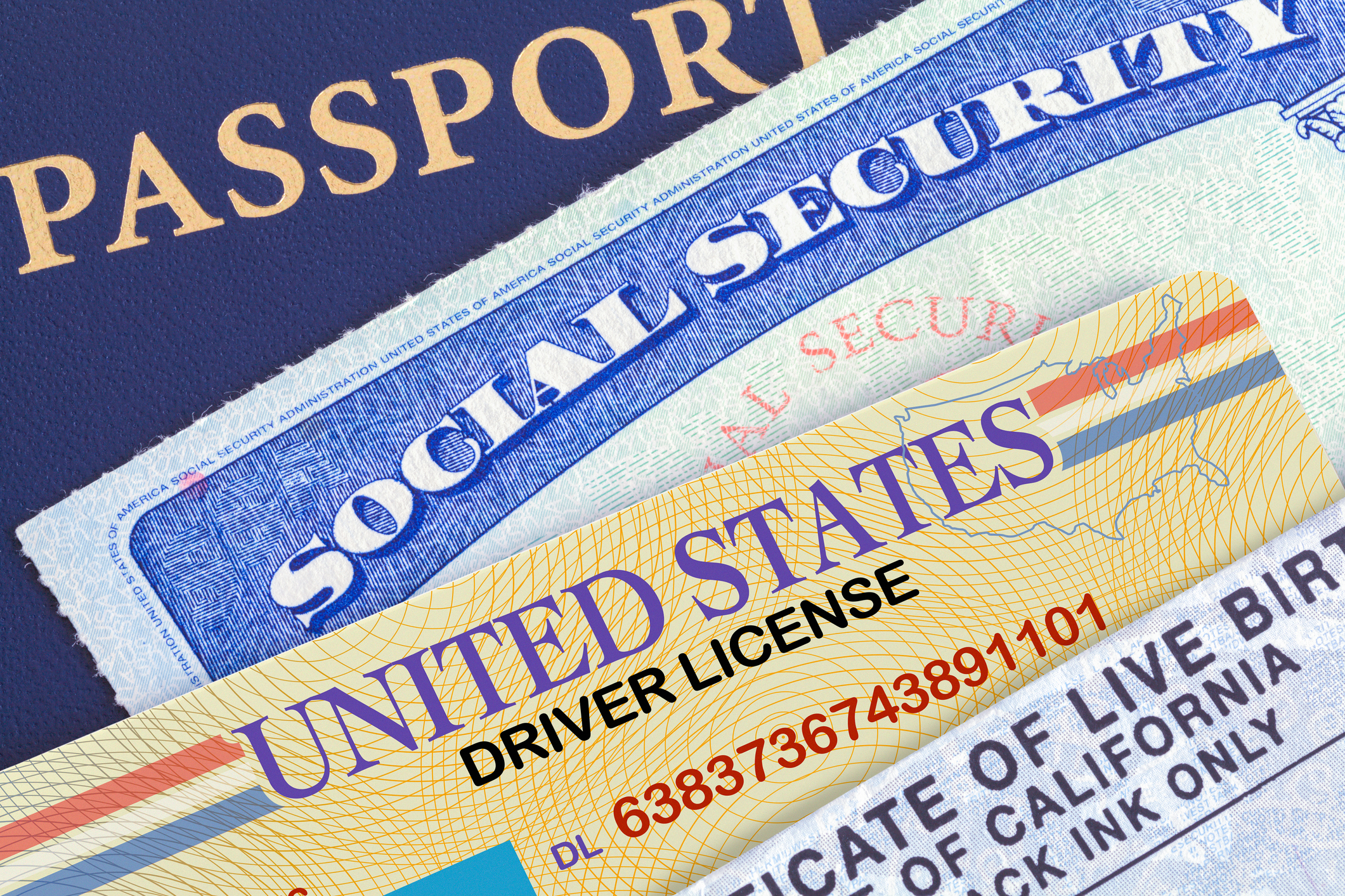
As of May 1, 2022, the Department of Homeland Security (DHS) ended its temporary Form I-9 policy that allowed employers to accept documents from List B that had expired on or after March 1, 2020. This policy was implemented due to difficulties surrounding the renewal of documents during COVID-19. Employers must now return to only accepting unexpired List B documents. If an employee presented an expired List B document between May 1, 2020, and April 30, 2022, employers need to update their Form I-9 by July 31, 2022, as follows: If the employee is still employed, they must present an unexpired document that establishes their identity. Employees may present the renewed List B document, a different List B document, or a document from List A. Employers should enter the document title, issuing authority, document number, and expiration date in the “Additional Information” field of Section 2, and initial and date the change. If the employee is no longer employed, no action is
00
The Equal Employment Opportunity Commission has updated its guidance on how to properly assess a religious accommodation request for an exemption to a COVID vaccine policy based on a sincerely held religious belief. CMPR previously posted here on how to properly assess a request for religious accommodation. The updated guidance provides some much needed clarification to employers faced with evaluating a request for accommodation. Some important updates include: You may ask your employee further questions to determine the religious nature or the sincerity of the stated belief. Employers must be careful to only engage in a limited inquiry and request reasonable verification. For example, refrain from repeatedly questioning the employee on topics they have already explained. Employers may establish that it cannot provide the religious accommodation due to an undue hardship by (1) documenting the accommodations considered, and (2) determining that the accommodation would (a) im
10
February 15, 2022
On February 9, 2022, Governor Newsom signed the new COVID-19 Supplemental Paid Sick Leave law (SB-114), which is retroactive to January 1, 2022 and extends through September 30, 2022. Similar to the previous law that provided COVID-19 supplemental paid sick leave and expired last year, the new COVID-19 Supplemental Paid Sick Leave law requires employers in California with 26 or more employees to provide up to a total of 80 hours of paid sick leave to employees for certain COVID-19 related reasons. While we expect updated FAQs on the new law from the DIR soon, the key details from the statute are included below. 26+ Employees: The law requires employers with 26 or more employees to provide supplemental paid sick leave for certain COVID-19 related reasons. Retroactive to January 1 and through September 30: The requirement to provide the paid sick leave will take effect on February 19 (10 days after the law was signed by the Governor), at which point it will be retroactive to January 1 an
00