
Filter Post Type
NewsVideoProductEventLink
Sort:
Most Recent
1–10 of 86
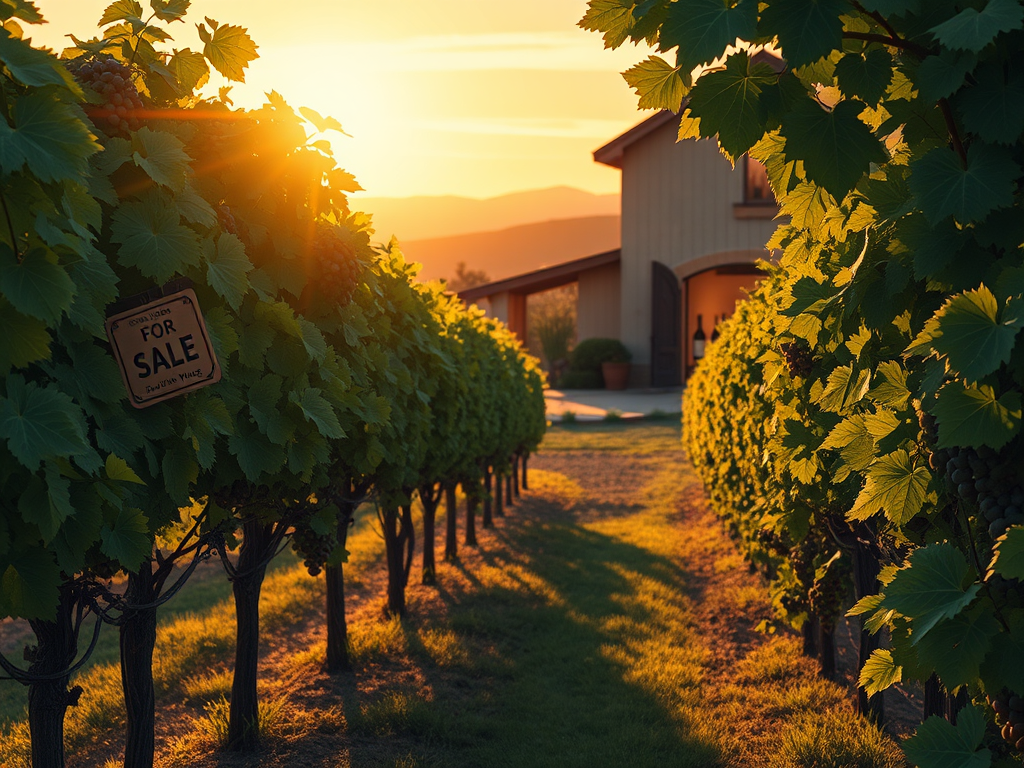
If you're thinking of selling your winery, rather than closing, this article is for you. These are the top things to consider when positioning your winery for sale in today's market. If you’re in the wine industry, you already know that this is a hard market. There are an increasing number of wineries for sale, and you likely know several others that would sell if they had the opportunity. So what do you need to do if you’re seriously considering selling your winery in the near future and want to maximize the value of that sale? Here are three areas to focus on: maximizing your cash flow, assessing your salable assets, and being honest with your expectations. Read on my Substack page. Maximize Your Cash Flow The best way to show that your winery is worth the price is to have cash flow. The highest value in a winery is, in fact, cash coming in. At the same time, most wineries consider selling because they don’t have enough of it. That tension is real, and
00
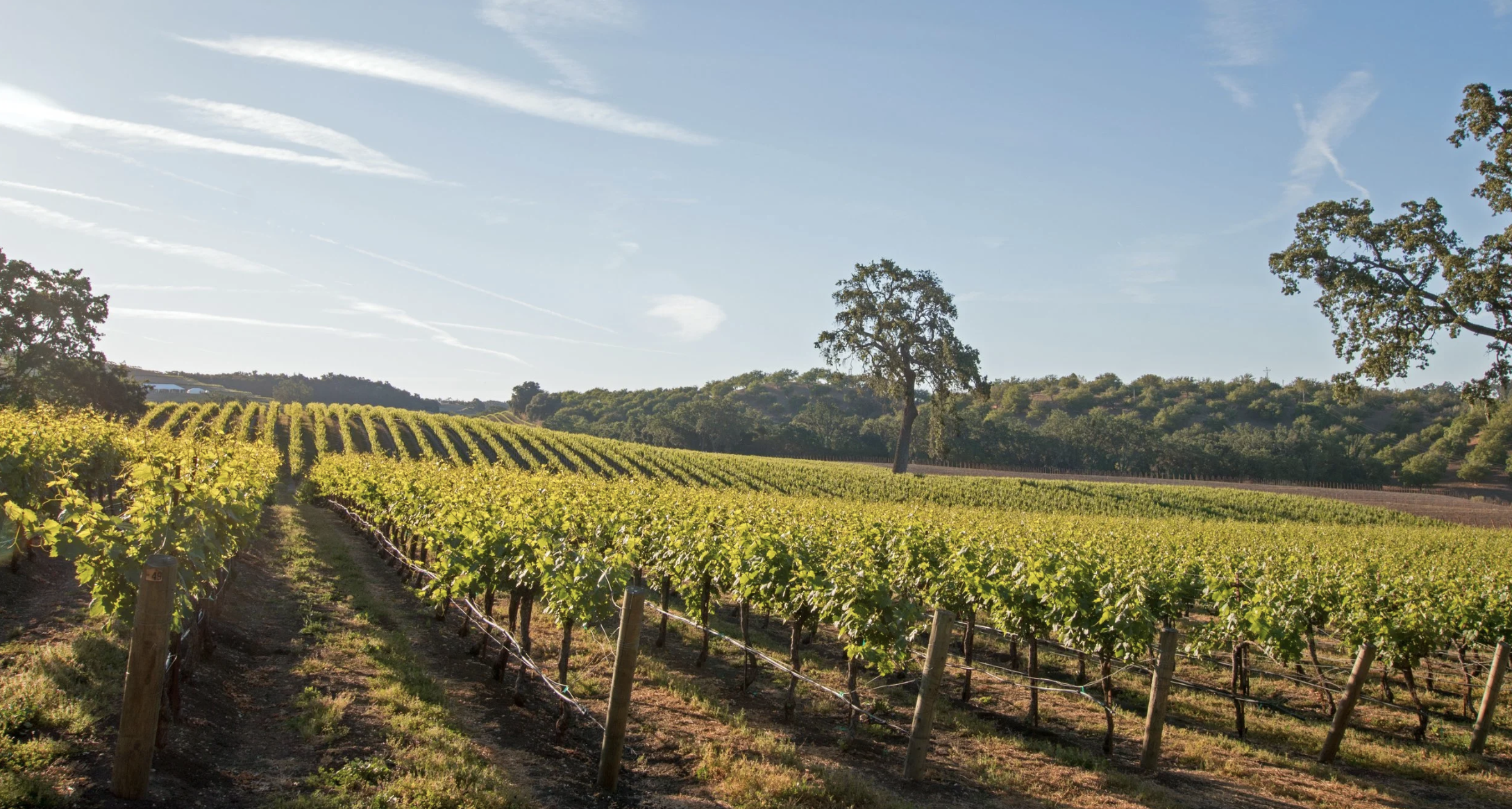
Your next customer will see your winery before they ever taste your wine. They'll see it on Instagram while planning a weekend trip. They'll see it on your website while deciding whether to book a reservation. They'll see it in an email while considering whether your wine club is worth joining. And in every one of those moments, they're making a decision based on what your visuals tell them about who you are. This isn't a trend. It's how people buy now. According to a 2023 study by Cloudinary and Harris Poll, 75% of online shoppers say product photos are the most influential factor in their purchase decisions. That number holds across categories, and it holds in wine. The difference is that wineries aren't just selling a product. They're selling an experience, a place, a feeling. Which means your visual content has to do more work than a product shot on a white background. It has to make someone want to be there. Most wineries know this on some level. Fe
00
March 2, 2026
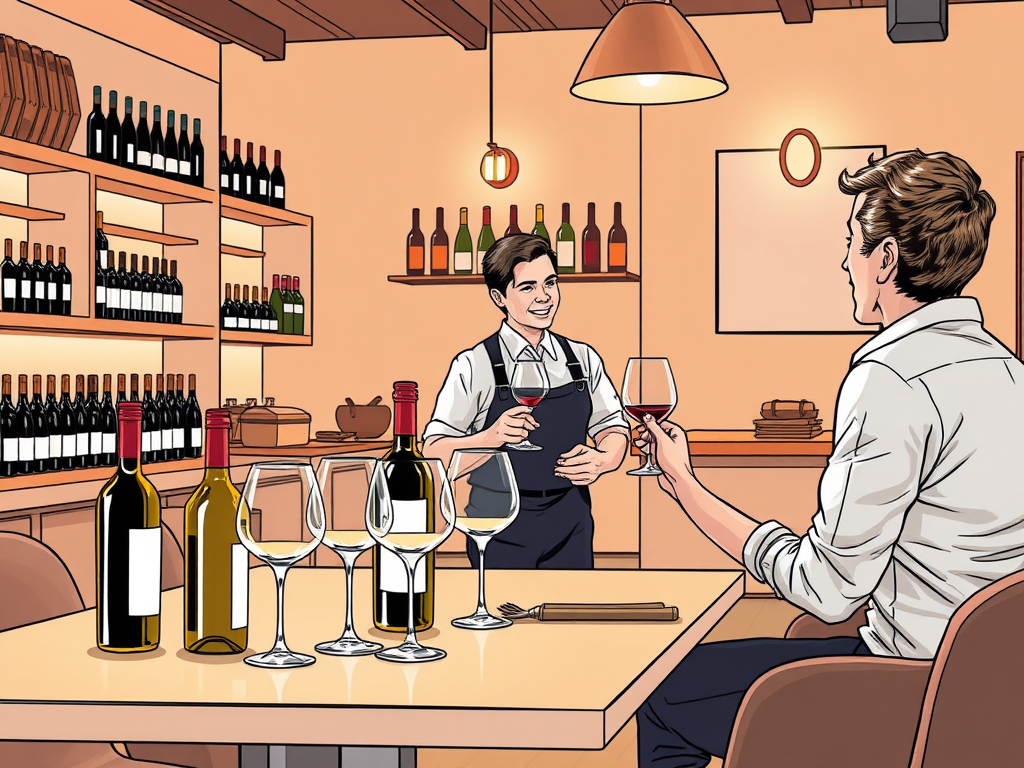
We call it a Tasting Room, when it’s really a Sales Room. Why is that? After the repeal of Prohibition in 1933, wineries re-opened in an environment where the government was highly suspicious of any and all alcohol sales. On-premise consumption was restricted and considered the purview of saloons, which were vilified during the years of Prohibition. So, to comply with laws and distinguish themselves as places of refined moderation, wineries leaned into “tasting,” not drinking. The Tasting Room became the winery’s sales room. Over the decades, tasting rooms have become places of hospitality, education, and increasingly, dinner (or lunch). Along the way, the primary role of the tasting room—to form a connection with the consumer for the purpose of selling wine—got lost. Now, I recognize that I’m being hyperbolic here. In the contracting market we’re living in, too many wineries are focusing only on the hospitality aspect. They need to lean
10

December is when winery commerce systems reveal their true strengths — and their limitations. Busy tasting rooms. Holiday gift orders. Club shipments. Online traffic spikes. Staff moving fast across multiple channels. This is the moment when technology either supports growth — or quietly slows it down. The Difference Isn’t Just Sales. It’s Conversion. Most winery platforms can process transactions. Fewer are designed to support hospitality-driven conversion — turning visitors into buyers, buyers into members, and seasonal traffic into long-term relationships. That distinction becomes especially clear during the year’s final sales push. What High-Performing Wineries Do Differently They Use POS Systems Built for Hospitality High-volume tasting rooms need more than a checkout screen. The strongest systems support: fast, browser-based performance (no app lag) tabs, tables, flights, and food service quick workflows that keep staff present with guests
00
Cyber Week Winery Marketing: Planning Smarter, Selling Stronger Cyber Week is almost here, and consumers are primed to buy. For wineries, it’s not just a chance to move inventory — it’s a chance to win new fans, reward loyal members, and end the year strong. The goal isn’t simply to discount — it’s to strategically position value, create urgency, and make buying feel effortless. Whether you’re a small family-run tasting room or a multi-location brand, these proven strategies will help you get the most out of the week. 1. Build Anticipation Before the Week Begins Cyber Week success starts long before Friday. The wineries that win start warming up their audience early — building curiosity, boosting email sign-ups, and reminding people why they love their brand. Ideas to get the buzz going: Add a countdown banner or homepage teaser with “Our biggest offer of the year starts soon.” Send a “save the date” email to your
00

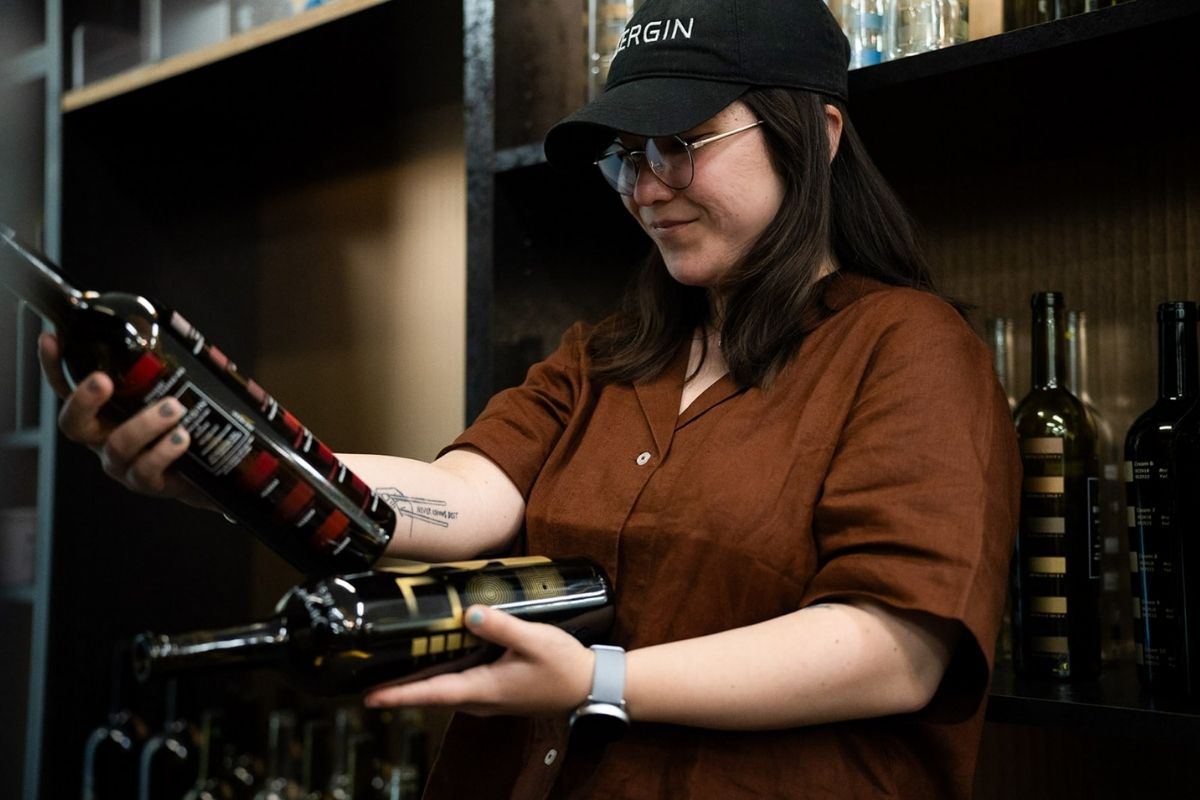
Over thirty-five years of crafting wine bottle labels in Napa Valley has taught us something essential: wine packaging trends aren’t just about following fashion – they’re about understanding how design psychology translates into purchasing decisions. When a winery invests in thoughtful packaging, they’re not just decorating bottles; they’re building brand equity that drives measurable sales growth. If you’re looking for insight into where packaging is headed and how it shapes the customer experience, we invite you to read along. Here’s a glimpse of what we cover: Why Wine Packaging Design Drives Sales for Wineries – How packaging functions as a silent sales team and the shift from shelf appeal to brand storytelling. How Packaging Impacts First-Time vs. Repeat Purchases – What captures new buyers’ attention and keeps loyal customers coming back. Segmenting Wine Consumers by Packaging Preferences – What different dem
00

October 22, 2025

Today's customers expect convenience at every turn, especially when it comes to how they pay. An advanced checkout experience with an integrated mobile wallet isn't just a nice feature anymore; it's a competitive advantage. Whether you're in retail, hospitality, or e-commerce, mobile checkout transforms how customers interact with your brand and how efficiently your business operates. Increased Sales & Conversions Speed an simplicity drive sales. When checkout feels effortless, customers are far less likely to abandon their carts and far more likely to make spontaneous purchases. Mobile wallet options like Apple Pay and Google Pay remove the biggest roadblocks to conversion: manual data entry and security concerns. The result? Higher conversion rates, happier customers, and a measurable lift in revenue. A Better Customer Experience Mobile checkout meets customers here they already are, on their phones. With the ability to autofill payment and shipping details
00
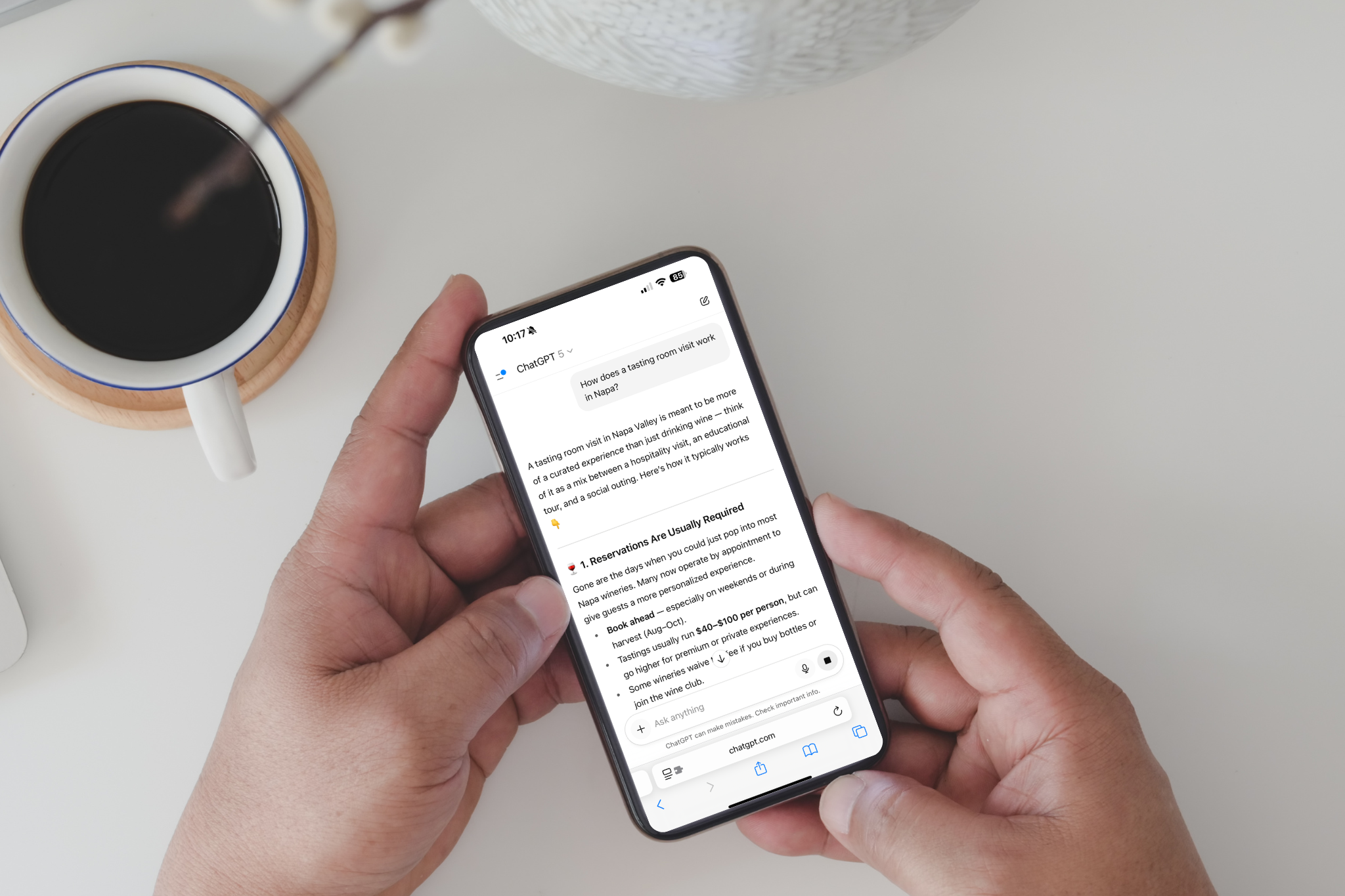
AI is changing how customers discover, research, and buy wine online — and that means your website strategy needs to change with it. We’re moving beyond the days of traditional, keyword-heavy SEO. Today’s search landscape is driven by generative AI — platforms like ChatGPT, Perplexity, Bing Copilot, and Google’s AI Overviews — which don’t just show links. They summarize information, cite sources, and even recommend brands directly in the search results. For wineries, that means success is no longer just about ranking on page one. It’s about becoming the trusted source these AI systems quote, reference, and build their answers from. Here are five practical ways to make sure your winery’s site is ready for the AI era — and positioned to be discovered, cited, and recommended. 1. Make Sure AI Can Access and Understand Your Website AI visibility starts with technical accessibility. If AI crawlers can’t reach or interpret you
00
Facebook/Meta: Turning Fans into Wine Club Members Expanding on insights from our Wine Club Scorecard, this post explores one of the most underused yet powerful tools for wine club growth: Facebook. While platforms like TikTok and Instagram often grab attention, Facebook remains one of the most effective drivers of wine club engagement and conversion when paired with Meta’s advanced targeting and advertising tools. With 72% of wine consumers aged 35–65 actively using Facebook, this is not just a social network—it’s an opportunity to build real relationships, deepen loyalty, and guide new members into your wine club. Yet most wineries still treat Facebook as a newsfeed instead of a growth engine. Sporadic posts, static bottle shots, and low engagement can’t compete with a thoughtful strategy that uses Facebook the way it was meant to be used: to connect, converse, and convert. Let’s explore how to turn Facebook into a true wine club acquisition chann
Wine Club GrowthWine Club MarketingFacebook for WineriesMeta AdvertisingWine Club AcquisitionSocial Media Strategy for WineriesDigital Marketing for WineriesWine Club RetentionFacebook AdsWinery Community BuildingCustomer EngagementHow to Grow a Wine Club with FacebookBest Facebook Strategies for WineriesWinery Marketing Tips 2025Using Meta Ads to Increase Wine Club MembershipWine Industry Marketing InsightsWine Club ScorecardWIN Series 2025DTC Wine MarketingvinSUITE Insights
00
October 7, 2025

Your Current Marketing Won't Work for Younger Wine Drinkers The generational shift in wine consumption is happening faster than most wineries are prepared to handle. According to Wine Intelligence's US Wine Consumer Trends 2025 report, millennials will surpass baby boomers as the largest wine-consuming demographic by value this year. Meanwhile, the oldest members of Gen Z (born 1997-2012) are now turning 28 and developing their own distinctive wine preferences. The problem? Most wineries continue marketing as if their primary audience is still over 55. The messaging, channels, and tactics that worked for boomers actively repel younger buyers. Let's examine what actually works when marketing to these crucial demographics. What Younger Wine Consumers Actually Want Millennial Wine Drinkers (Ages 29-44) Millennials approach wine fundamentally differently than their parents: What They Value: Transparency about production methods and ingredients Sustainable and ethical busines
00