
Filter Post Type
NewsVideoProductEventLink
Sort:
Most Recent
1–9 of 9
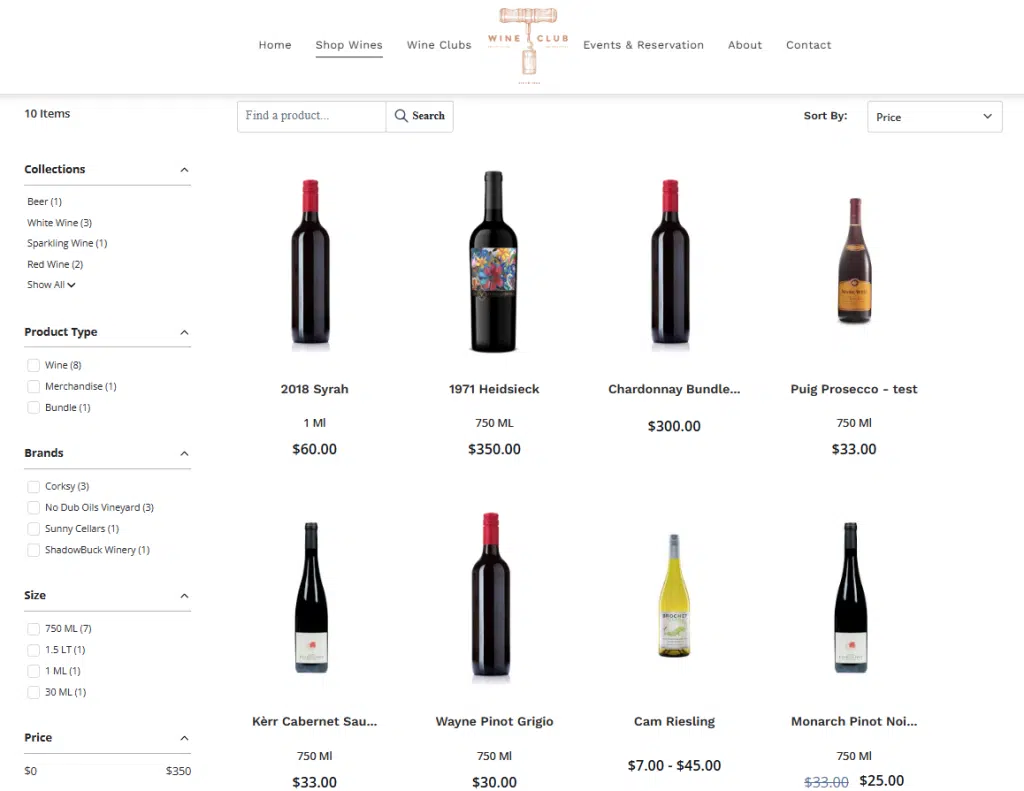
A few years ago at the DTC Wine Symposium, a panelist joked about the modern winery website formula: the guy, the dog, the truck, and the vineyard. Beautiful backdrop, strong lifestyle photography, a thoughtful founder story. Polished, absolutely. Strategically distinct, rarely. The critique wasn’t about branding. It was about structure. Most winery websites aren’t broken, but they aren’t built as decision environments either. Calls to action are unclear, revenue pathways are buried, shipping surprises appear late, and wine club often lives in isolation instead of throughout the buying journey. After auditing winery sites across regions and production sizes, the pattern is consistent: performance is constrained by friction, not effort. Most wineries don’t have a traffic problem. They have a conversion architecture problem. Before increasing ad spend or launching another promotion, run a winery website audit — on your phone. Start at the homepage and move t
00
October 7, 2025

Your Current Marketing Won't Work for Younger Wine Drinkers The generational shift in wine consumption is happening faster than most wineries are prepared to handle. According to Wine Intelligence's US Wine Consumer Trends 2025 report, millennials will surpass baby boomers as the largest wine-consuming demographic by value this year. Meanwhile, the oldest members of Gen Z (born 1997-2012) are now turning 28 and developing their own distinctive wine preferences. The problem? Most wineries continue marketing as if their primary audience is still over 55. The messaging, channels, and tactics that worked for boomers actively repel younger buyers. Let's examine what actually works when marketing to these crucial demographics. What Younger Wine Consumers Actually Want Millennial Wine Drinkers (Ages 29-44) Millennials approach wine fundamentally differently than their parents: What They Value: Transparency about production methods and ingredients Sustainable and ethical busines
00
March 24, 2025
Search Engine Optimization (SEO) is the key to unlocking consistent, high-quality traffic to your winery’s website. Whether you want to grow your wine club, drive more eCommerce sales, or bring visitors to your tasting room, a well-optimized website ensures your business is discoverable to potential customers searching for what you offer. SEO isn’t just about throwing in a few keywords—it’s about creating a site that search engines recognize as valuable and relevant while also offering an excellent user experience. Here’s how to optimize your winery website to attract new traffic and grow your wine club. Focus on Keywords That Match Customer Intent At the heart of any successful SEO strategy is understanding what your audience is searching for and why. Keywords are the bridge between what potential customers are looking for and the content you provide. For wineries, this could include searches like “best winery in Napa,” “organic wines n
00
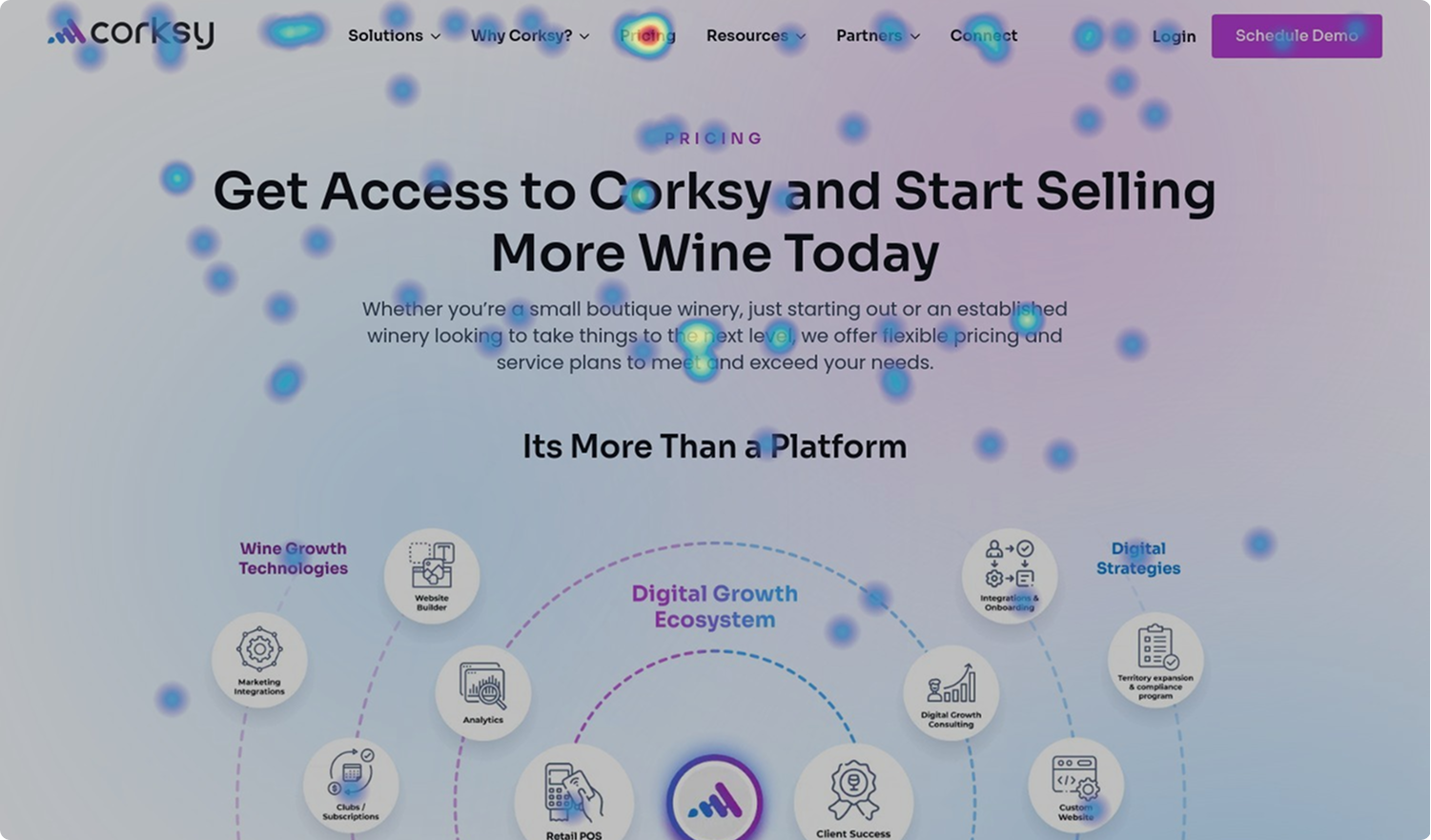
Growing your winery’s online presence is essential, but increasing website traffic can be costly – especially when it comes to paid advertising. Since you can’t control the cost of acquiring new visitors, the best way to maximize your marketing budget is by improving your conversion rates, average order values, and long-term customer retention. One powerful tool to help with this? Heatmaps. 🔥 Really – this data doesn’t lie. Heatmaps give you visual insights into how visitors interact with your website, showing where they click, scroll, and spend the most time. With these insights, you can refine your website’s layout to better engage potential customers, drive more wine club sign-ups, and increase online sales. Discover three ways wineries can use heatmaps to optimize conversions. 🤘 1) Uncover “Dead Zones” & Boost Engagement Heatmaps reveal what your visitors focus on – and what they ignore. Take a look at the example below
00
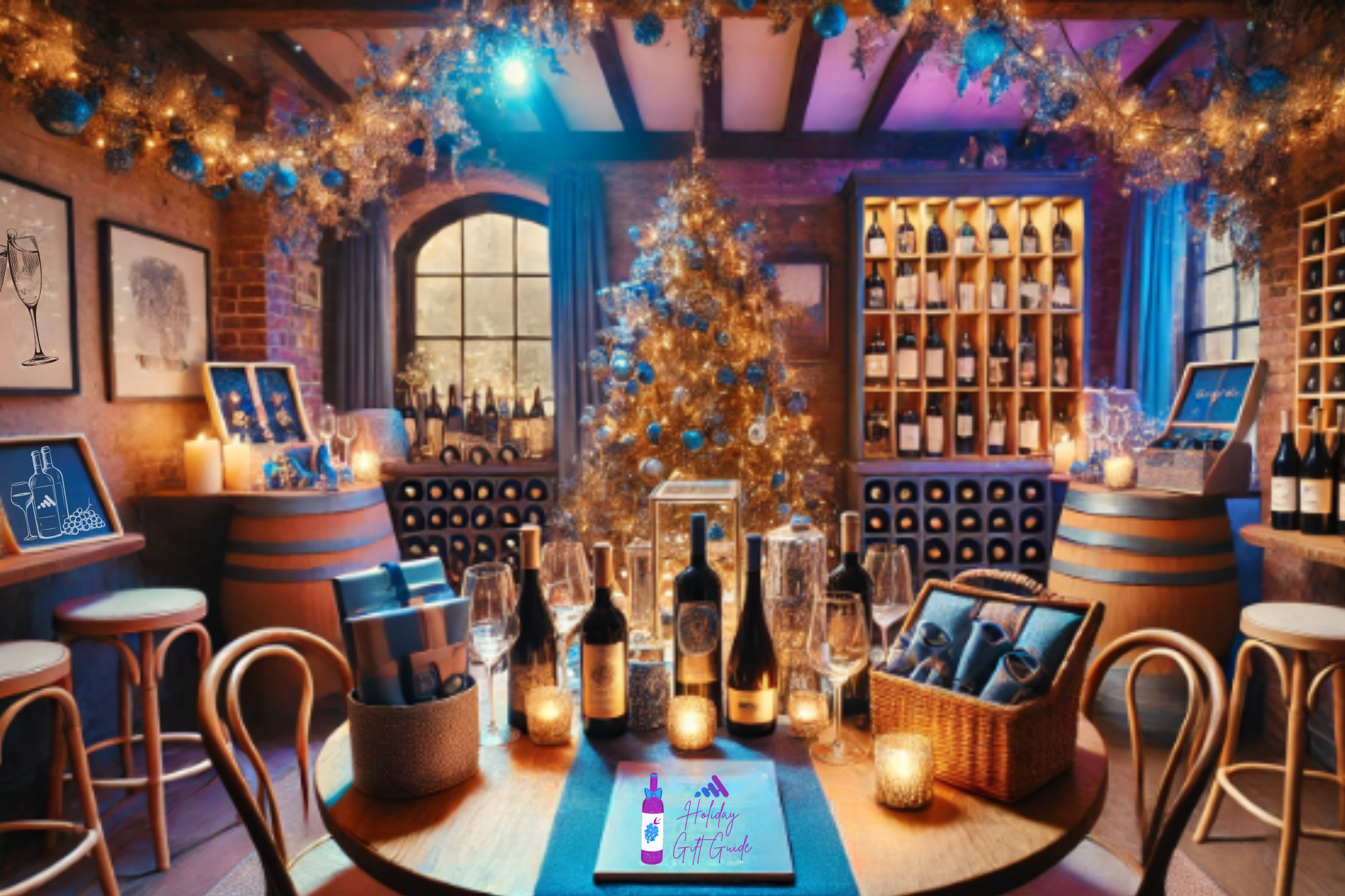
As the busiest time of the year for wineries approaches, it’s crucial to prepare strategically for Q4 to ensure you’re capturing every possible sale. Whether you’re focusing on Direct-to-Consumer (DTC) channels or looking to expand your reach through events and collaborations, this guide will help you make the most of the holiday season. 📊 Analyze Your Data for Strategic Insights ☐ Dive Deep into Past Q4 Data: Review past Q4 sales data to identify trends in customer preferences and purchasing behavior. Understanding what worked (and what didn’t) will help you refine your approach. If you’re a new winery or your previous platform didn’t capture detailed data, focus on setting up robust data tracking this year. Use this Q4 as a baseline to gather insights that will guide your future strategies. Don’t hesitate to experiment with different marketing tactics to see what resonates most with your customers. ☐ Segment Your Audience: Utilize data segme
00
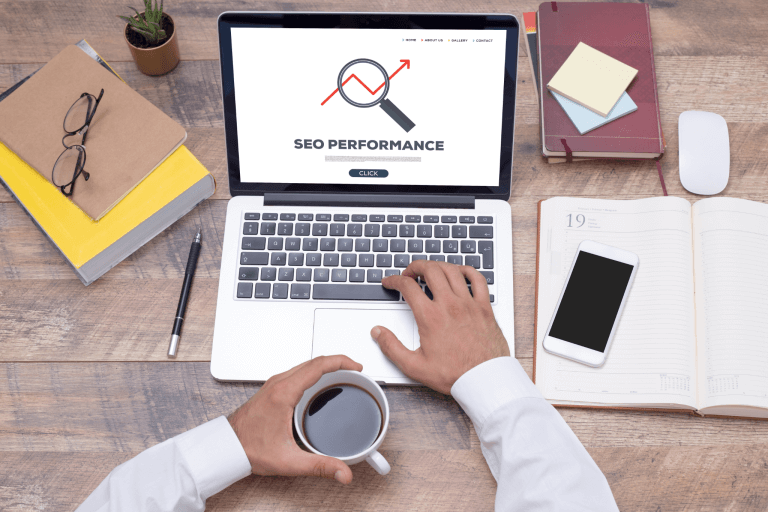
In today’s digital age, having a solid online presence is essential for businesses of all types, including wineries. Search engine optimization (SEO) is crucial for attracting organic traffic and increasing visibility in search engine results. By implementing effective SEO strategies, your winery can connect with potential customers, increase brand awareness, drive more visitors to your websites, and, ultimately, sell more wine. This article will explore key steps to enhance your winery’s SEO and improve online performance. 🎯 Understand Your Target Audience To optimize your winery’s SEO successfully, it is essential to have a clear understanding of your target audience. Identify the demographics, interests, and preferences of your potential customers. Consider age, location, wine preferences, and buying behavior. This knowledge will help you tailor your SEO efforts to meet their needs and preferences. Read about our favorite audience listening tools that allow any w
00
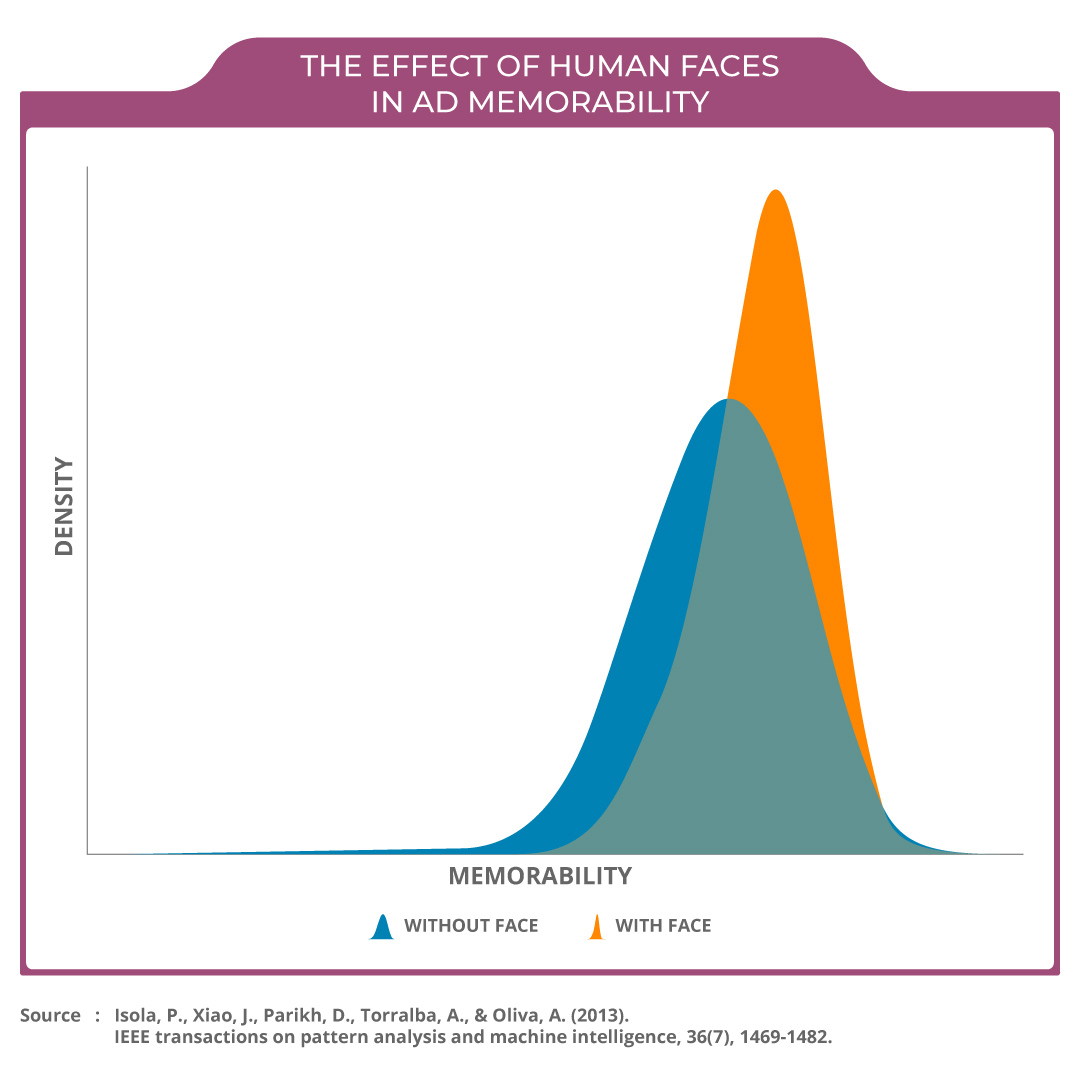
IT’S TIME TO FACE FACTS BY SUSAN DEMATEI Maybe it is because my father was a published cell biologist, but I find neuromarketing fascinating. This field is dedicated to looking at biological and developmental triggers engrained deep in our evolution that considerably influences how we respond to marketing and branding. And it’s all based on fact and science. A great example of this would be why ads with faces perform better. Countless eye-tracking studies and recall and memory tests conclude that we typically remember and have a positive association with ads containing people. Why? Because as babies, on day one, we look at faces, and as we develop into adults, we rely on faces to look for cues in our perception. Indeed, most animals grow up taking cues from others when the situation is dangerous, calm, funny, or solemn. It is likely because physiological recognition of faces comes from a different area of the brain than recognition of words, or shapes/visuals. (Hos
00

When I bring it up at cocktail parties, web optimization is a topic that makes people's eyes glaze over. Other times well-meaning people at said party try to save me by blurting out that they know all about search engine optimization(SEO). And while website optimization does include SEO, it is so much more. Web optimization is the secret weapon of savvy eCommerce sellers. It can help convert consumers at a higher rate and keep advertising costs in check. You can increase your advertising budget, but a more efficient way to accelerate sales is to make your website perform better. As DTC costs continue to rise, website optimization can keep costs in check. As an umbrella term, website optimization encompasses more than just search engine optimization (SEO). The term describes the process of modifying different elements of a website to improve outcomes. Those outcomes can include more sales, increased membership and subscription sign-ups, additional email captures, and more. It
00

Chatterbox Wine Marketing is comprised of DTC wine salespeople charged with providing outreach for luxury wine brands to their wine club and direct-to-consumer customers. They become an extension of your brand, share your message, and engage your customers over the phone. They are experts in outbound marketing campaigns that help drive DTC wine sales. Chatterbox Wine Marketing works with many Wineshipping clients and we invited them to share how the most successful campaigns combine equal parts of service, sales, and engagement. To learn more about how Chatterbox Wine Marketing could help your business, visit their website here. Below is the webinar recap. What is An Outbound Campaign? As it relates to DTC wine sales, geared towards existing customers. The calls are a combination of 50% service and 50% sales. And in all other sales organizations, it would be called account management. Outbound Campaign Benefits: How Does the Customer Benefit? Increased customer lifetime value – t
00