Filter Post Type
NewsVideoProductEventLink
Sort:
Most Recent
1–10 of 79
May 6, 2026
Let's jump right in. Here are the Top Takeaways from Last Week’s Tasting Room Data Webinar: Your winery’s WISE Triple Score is ready right now within Enolytics. Even if you aren't already a WISE customer, you benefit from this opportunity. +10% revenue, 27 fewer open days. Big Cork Vineyards eliminated Thursdays and Mondays from their schedule this year — 27 open days gone — and still came in over 10% above last year’s revenue. How? Keep reading to see! 87% improvement in guest account usage. Domaine Drouhin Oregon launched the RedChirp guest check-in QR code on April 10th. By April 27th — just 17 days later — guest account usage had improved by 87% across nearly all associates. 25% of expected crop, 100% of the planning challenge. Big Cork normally brings in 200 tons from their Maryland estate. This year’s frost dropped that to roughly 60 tons — forcing an immediate pivot in distribution strategy, wine club fulfillment, and inventory allocation. We just wrapped one of our most ene
00
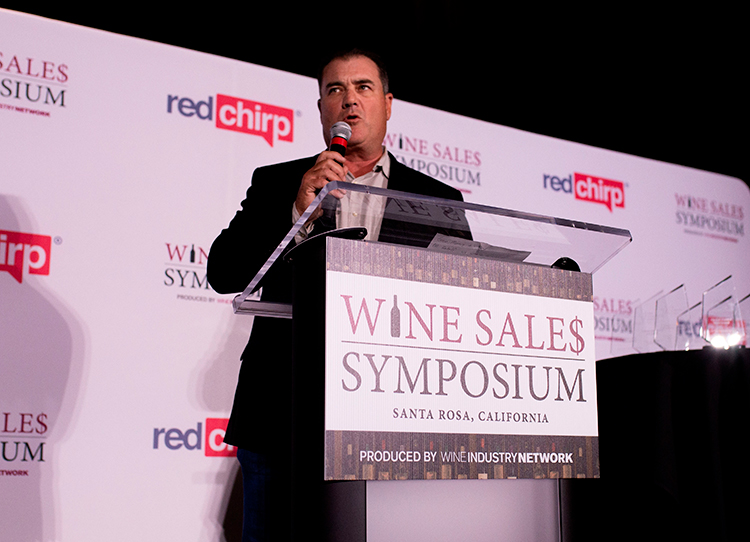
Winery leaders and industry experts explore the strategies shaping the future of wine sales. The wine industry narrative over the past two years has been dominated by decline: falling consumption, shrinking distributor portfolios, and weakening consumer loyalty. The headlines suggest an industry in freefall. But the reality is more nuanced - and more useful. Yes, overall wine consumption continues to face pressure. Consumer behavior is fragmenting in ways that challenge traditional approaches. But the full story isn’t simply decline. It’s divergence. Some wineries are still growing. Some categories are holding steady while others contract. Some sales channels are thriving while others struggle. The difference often comes down to whether wineries have adapted their strategies to match the market that exists today, not the one that existed three years ago. At Wine Industry Network’s Annual Wine Sales Symposium on May 13, Dr. Chris Bitter will present research on what’s actually happening
00

Wineries that are finding traction aren't just grinding harder. They're leaning on better tools. Tools, that is, that do the heavy lifting so that the wineries can focus on what they do best: making great wine and building real relationships with their customers. That's what this free webinar is all about, on Thursday, April 9 at 11 am PST / 2 pm EST. We'll walk you through the specific tools and strategies that are helping wineries grow — even in a down market. Here's a preview of what we'll cover: AI-driven sales suggestions. Our machine learning algorithms look at your customer data and tell you exactly who to call, what wine to pitch them, and when. These are smart, predictive tools for both sales and customer retention that lead directly to increased revenue. Marketing automation that actually works. Set up a highly targeted campaign in about five minutes (minus writing the actual message), with built-in safeguards so you don't overserve your
00
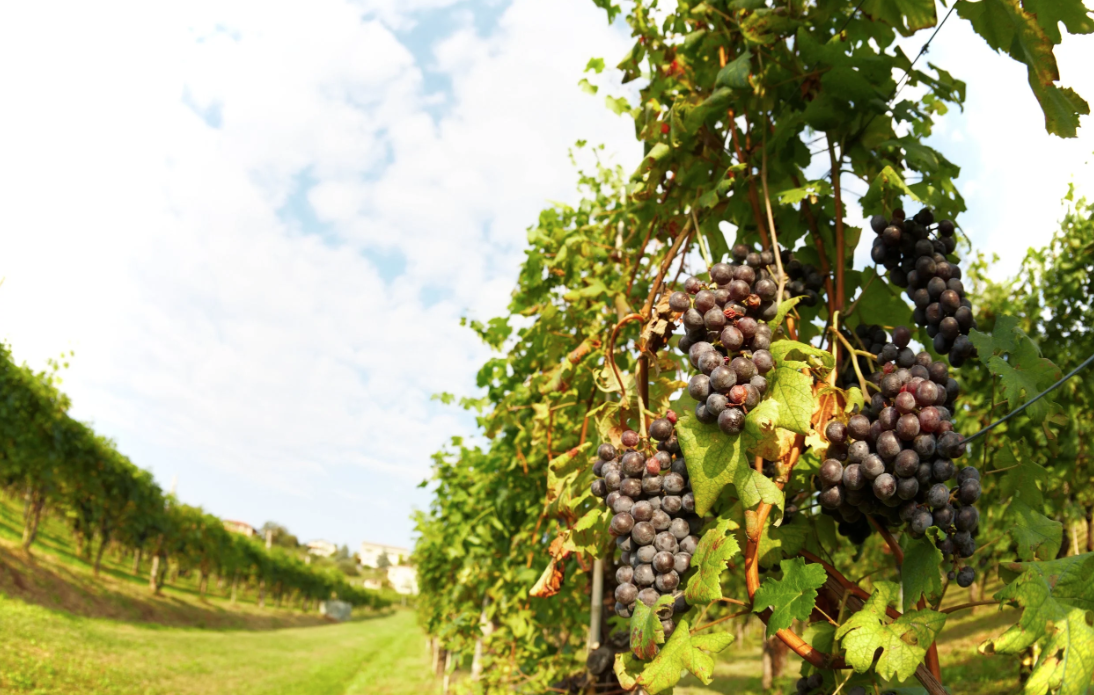
The weather is shifting, trip-planning season is underway, and tasting room traffic is about to pick up. This is the good news. The bad news? If you're reading this and thinking "we'll get to our spring marketing when spring gets here," you're behind. The tasting rooms that stay full from April through June aren't the ones with the best wine or the prettiest views. They're the ones that showed up in someone's planning process three weeks before the trip happened. People don't stumble into wine country on a whim and wander from door to door the way they did fifteen years ago. They research. They scroll. They book. And if your winery isn't visible and compelling during that research window, you're invisible when it counts. The hotel industry figured this out years ago. Marriott doesn't wait until summer to market beach properties. They start running "book your getaway" campaigns in late winter, because they know the booking win
00
Why Wineries Need Influencer Marketing Now Here's a number that should reshape how you think about marketing: 69% of consumers trust influencer recommendations more than information coming directly from a brand That's not a slight edge. That's a fundamental shift in how people decide what to buy. For wineries, this matters more than it does for most industries. Wine is a considered purchase wrapped in uncertainty. Your potential customer is standing in a tasting room or scrolling through an online store, wondering: Will I like this? Is it worth the price? Am I making the right choice? Influencer content answers those questions in ways traditional marketing cannot. When a trusted voice says "I tried this Pinot and it's incredible with grilled salmon," that carries weight. It's a peer recommendation disguised as content. Instagram and TikTok now drive wine discovery among younger audiences, and 87% of Gen Z consumers say they're willing to buy products
00

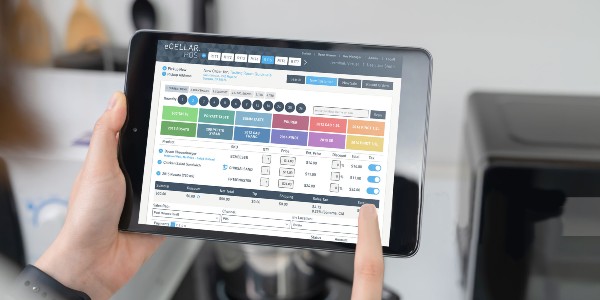
As wineries navigate shifting consumer behavior, rising costs, and increasing compliance complexity, one thing is clear. The gap between average and top performing direct to consumer programs is widening. At eCELLAR, we see this play out every day across our winery clients. The difference is not just better wine or stronger brand recognition. It is operational. Top performing wineries are taking a more intentional approach to customer relationships, internal workflows, and conversion. Increasingly, success comes down to how well technology supports those efforts behind the scenes 1. They Personalize the Club Purchase Experience Wine clubs continue to be one of the most important drivers of long-term revenue. Managing them effectively requires more than basic functionality. Wineries seeing the most success are: Offering more flexible club structures Automating recurring processes Creating a seamless member experience across channels As club models evolve, the systems supporting them ne
00
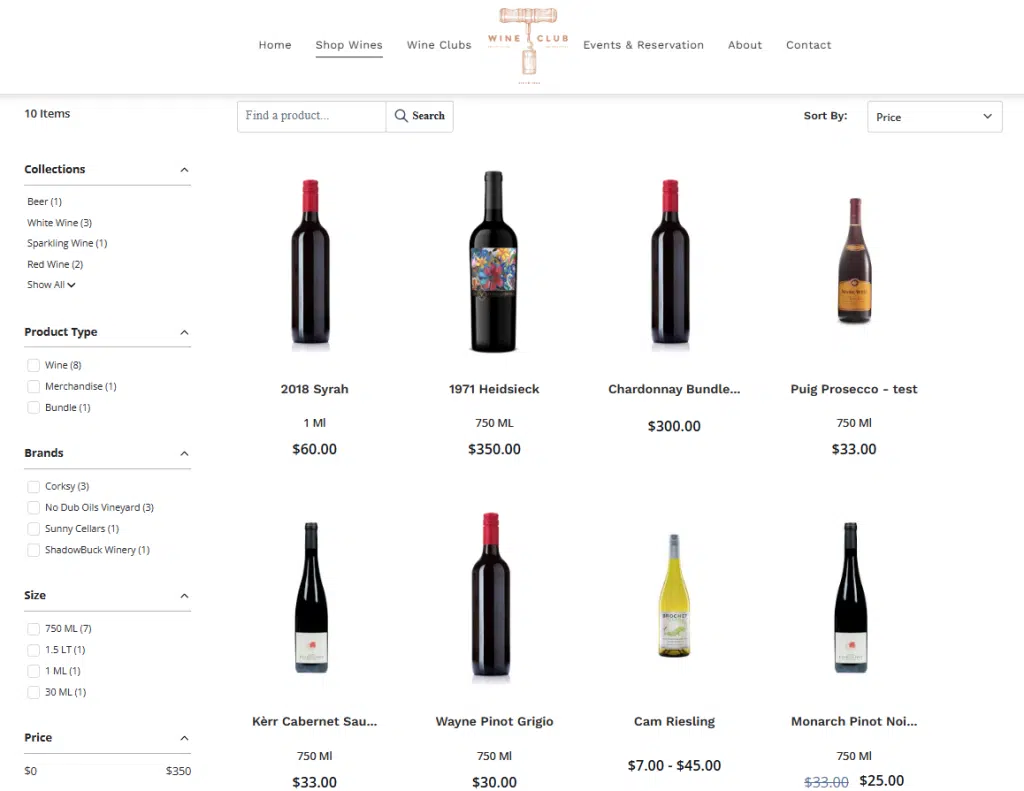
A few years ago at the DTC Wine Symposium, a panelist joked about the modern winery website formula: the guy, the dog, the truck, and the vineyard. Beautiful backdrop, strong lifestyle photography, a thoughtful founder story. Polished, absolutely. Strategically distinct, rarely. The critique wasn’t about branding. It was about structure. Most winery websites aren’t broken, but they aren’t built as decision environments either. Calls to action are unclear, revenue pathways are buried, shipping surprises appear late, and wine club often lives in isolation instead of throughout the buying journey. After auditing winery sites across regions and production sizes, the pattern is consistent: performance is constrained by friction, not effort. Most wineries don’t have a traffic problem. They have a conversion architecture problem. Before increasing ad spend or launching another promotion, run a winery website audit — on your phone. Start at the homepage and move t
00
February 11, 2026
![Why Your Tasting Room Isn't Converting, and What to Do About It [Expert Talks: Wine Industry Insights]](https://d27ny9dzkfr01d.cloudfront.net/win/tenant-1/cf5e924dfa1c463cd1302621b3e4d16362be5e6c.png)
As wineries across the country face softening tasting room conversion rates and increasing pressure on direct-to-consumer (DTC) sales, a new episode of Expert Talks: Wine Industry Insights highlights practical strategies from one of the industry’s leading DTC educators. InnoVint recently sat down with Liz Mercer, Partner and Winery Coach at WISE Academy, to examine what the top 10% of tasting rooms are doing differently to consistently convert guests into wine club members and drive higher-margin sales. Drawing on more than 25 years of wine industry experience, Mercer outlines the operational disciplines, team training strategies, and guest experience enhancements that set apart high-performing tasting rooms from the rest. Rather than relying on aggressive sales tactics, the discussion focuses on intentional hospitality, empowered front-of-house (FOH) teams, and structured yet authentic club conversations. The episode offers actionable guidance for wineries looking to: Grow their
00
February 11, 2026
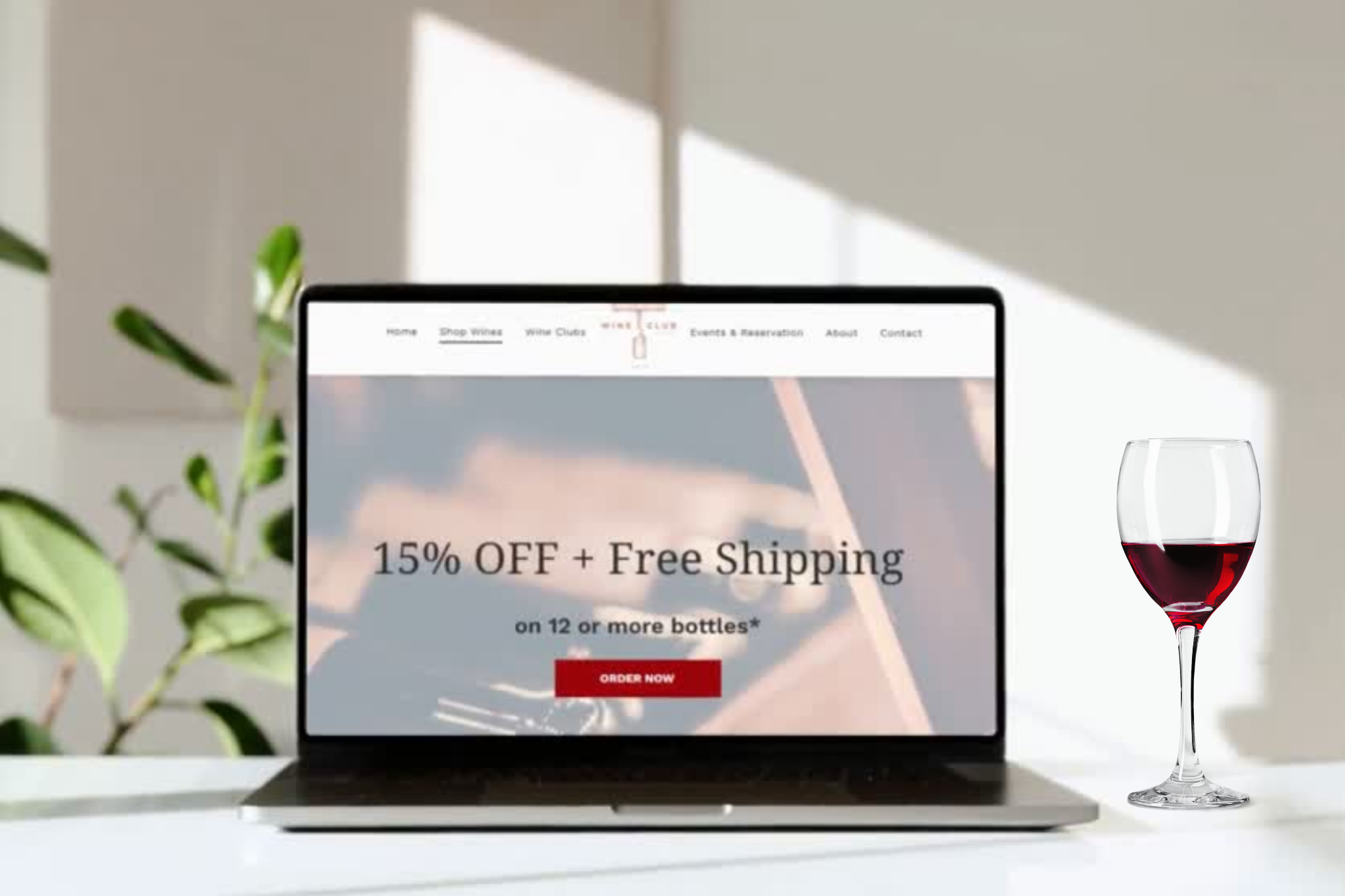
Most wineries don’t have a promotion volume problem. They have a promotion design problem. When you look closely at wineries delivering strong margins alongside steady consumer sales growth, patterns start to appear. Not because those promotions are trendy or copied from competitors, but because they are intentionally designed to drive revenue while protecting long-term customer behavior and brand value. Modern promotion strategy is not about running more campaigns. It is about structuring incentives that influence how, when, and why customers buy. Across the strongest performing wineries, promotions are increasingly treated as part of the revenue model rather than just part of the marketing calendar. They shape demand, influence order composition, and support long-term customer value. Why Promotion Strategy Is Really Revenue Strategy Promotions are no longer just marketing tactics. They are one of the most controllable levers inside a winery’s DTC P&L. For most wineri
10

When the Super Bowl and Olympics approach, we celebrate the performance we see on the field. What we don’t see is the year-round conditioning, repetition, and skill-building that made that performance possible. Winning teams don’t train only when the lights are brightest. They train all year long. The same principle applies to winery DTC teams. Downtime Is Where Advantage Is Built Periods of slower visitation or economic uncertainty can feel like a signal to pause. But research shows that the opposite approach separates leaders from laggards. A landmark study published by Harvard Business Review analyzed more than 4,700 companies across multiple recessions. The findings were striking: “Only 9% of companies emerged from recession stronger than before.” Even more telling: “Companies that balanced cost discipline with continued investment in people and capabilities recovered faster and gained market share.” Training Is a Growth Strategy,
00