
Filter Post Type
NewsVideoProductEventLink
Sort:
Most Recent
1–3 of 3


Purchasing packaging equipment is a decision that will impact a winery’s operations for the next 10 to 20 years — the life expectancy of most packaging machinery. In the 1990s, empty bottles arrived at wineries in cases for manual unloading and placement on the filling line. Converting to bulk bottles and depalletizing machinery increased automation levels and reduced costs throughout the industry. Beth Zarnick‑Duffy Area Sales Manager / Clevertech North America, Inc. “A big reason wineries changed from manual to automated depalletizing of bottles was to increase production efficiency while improving worker safety and reducing labor costs,” explains Beth Zarnick-Duffy, who worked on many of these conversions. “Wineries continued to automate because finding and retaining qualified workers became even more difficult in the past few years. Companies also began factoring COVID-19’s negative impacts on the workplace into their decisions about w
00
April 10, 2023
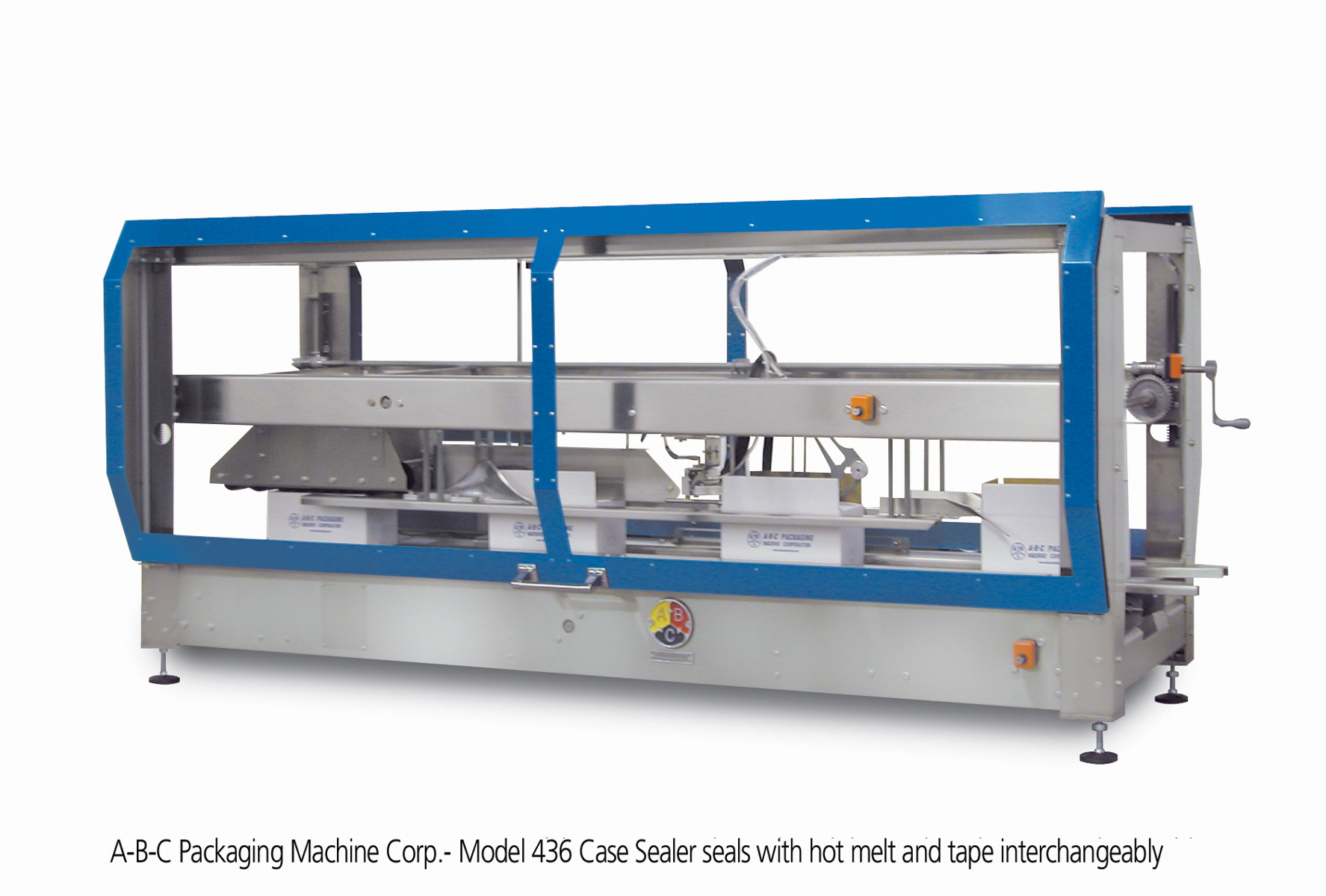
No longer is adhesive sealing the only option for packagers running high speed lines, with the Model 436 sealer that seals cases with tape at speeds to 50 cases per minute. This tape sealer provides automatic case feed and spacing, and squares cases as the tape is applied, for square, securely sealed cases that form straight, stable palletloads. Packed inside its rugged stainless steel frame are a host of production-proven components that provide continuous and reliable high speed operation, including the metering belt case feed powered by a substantial 1 hp motor that ensures precise case transfer for synchronized flap folding and sealing. The rotary flap tucker smoothly breaks the score of the leading inner flap for accurate folding and securely tucks the trailing flap. A-B-C’s exclusive contoured, cast aluminum flap folders fold the outer flaps precisely on the scoreline. The tape system is designed for minimum downtime, with the tape head mounted outside the machine fra
00

April 21, 2020
Posted by Laura Ness of Spirited Magazine | Mar 31, 2020 | Packaging, Equipment, Wine, Production
You have to be just slightly natters to engage in a livelihood that can literally blow up on you—and yet, the sisterhood (and brotherhood) of bubbles runs deep. That’s probably why it’s considered the ne plus ultra of winemaking.
There are many ways to sparkle a beverage, but méthode Champenoise is considered the highest form of sparkling art. It’s a process that’s been painstakingly perfected, by hand, over the centuries. It requires two entirely separate fermentations, the second of which occurs in the bottle, which is where the magic happens. Says Todd Graff, winemaker and general manager at Frank Family Vineyards in Napa Valley, “The secondary fermentation in the bottle is the trickiest part, because however many bottles you’re making, each is an individual fermentation.”
Méthode Champenoise is time consuming, filled with repetitive tedium, complicated (often by many months o
00