
Filter Post Type
NewsVideoProductEventLink
Sort:
Most Recent
1–10 of 15
August 8, 2025
A draft Napa County Regional Climate Action and Adaptation Plan (RCAAP) has been released for public comment. The draft and related documents can be found at https://climateactionnapa.konveio.com/ Comments are due by September 30, 2025. This draft has been in development for many years, and covers the County of Napa, the Cities of American Canyon, Calistoga, Napa, and St. Helena, and the Town of Yountville. It includes Greenhouse Gas (GHG) emission reduction targets of up to 85 percent by 2045. At the same time, it aims to achieve “carbon neutrality” by 2045, primarily by reforestation of burned areas of the County to promote natural carbon sequestration and removing GHGs from the atmosphere. The draft discusses 21 GHG reduction strategies with 46 GHG reduction measures across seven emissions sectors, (though the draft only quantifies the impact of 17 of those measures). The seven sectors, in declining order of their listed percentage of GHG Emissions, are: On-Road Tr
00


When it comes to sealing your wine with care, a NATURAL cork stopper is more than just tradition, it's a conscious decision. Crafted from renewable cork oak bark, natural stoppers are biodegradable, recyclable, and sustainably harvested without harming the trees. This means every bottle sealed with natural cork supports a thriving ecosystem, helps combat climate change through carbon sequestration, and preserves the heritage of fine winemaking.
00

Big Ideas. Bold Solutions. We’re excited to welcome Dr. Chris Chen as the headliner for the Sustainable Ag Expo! Known for turning research into action, Dr. Chen will share practical, climate-smart solutions to help growers adapt, innovate, and lead in a changing environment. This is a must-attend for anyone ready to future-proof their vineyard. About Dr. Chen: Dr. Chris Chen is a trailblazer in climate-adaptive viticulture, serving California’s North Coast through the UC Cooperative Extension. With a Ph.D. in Horticulture and Agronomy from UC Davis, he empowers vineyards to thrive amid climate change with cutting-edge, science-driven strategies that champion both resilience and sustainability. Don't miss Dr. Chen's sessions: Mon., Nov. 10 | 5:00-6:00 pm | Farming for the Future: Climate-Resilient Vineyard Practices* Tues., Nov 11 | 8:00-9:00 am | Soil Carbon in Practice: Monitor, Test, & Improve Tues., Nov 11&nb
Vineyard TeamSustainable Ag Exposustainablesustainable winegrowingsustainable viticultureclimate changeDr. Chris ChenSustainable Ag Expo 2025climate-adaptive viticulturevineyard resiliencesoil healthcarbon sequestrationcultivar selectionUCCE Integrated Vineyard SystemsUC Davis horticultureCenter of Effort WinerySIP Certified winestrade show sessionsMadonna Expo Center
00
March 21, 2025
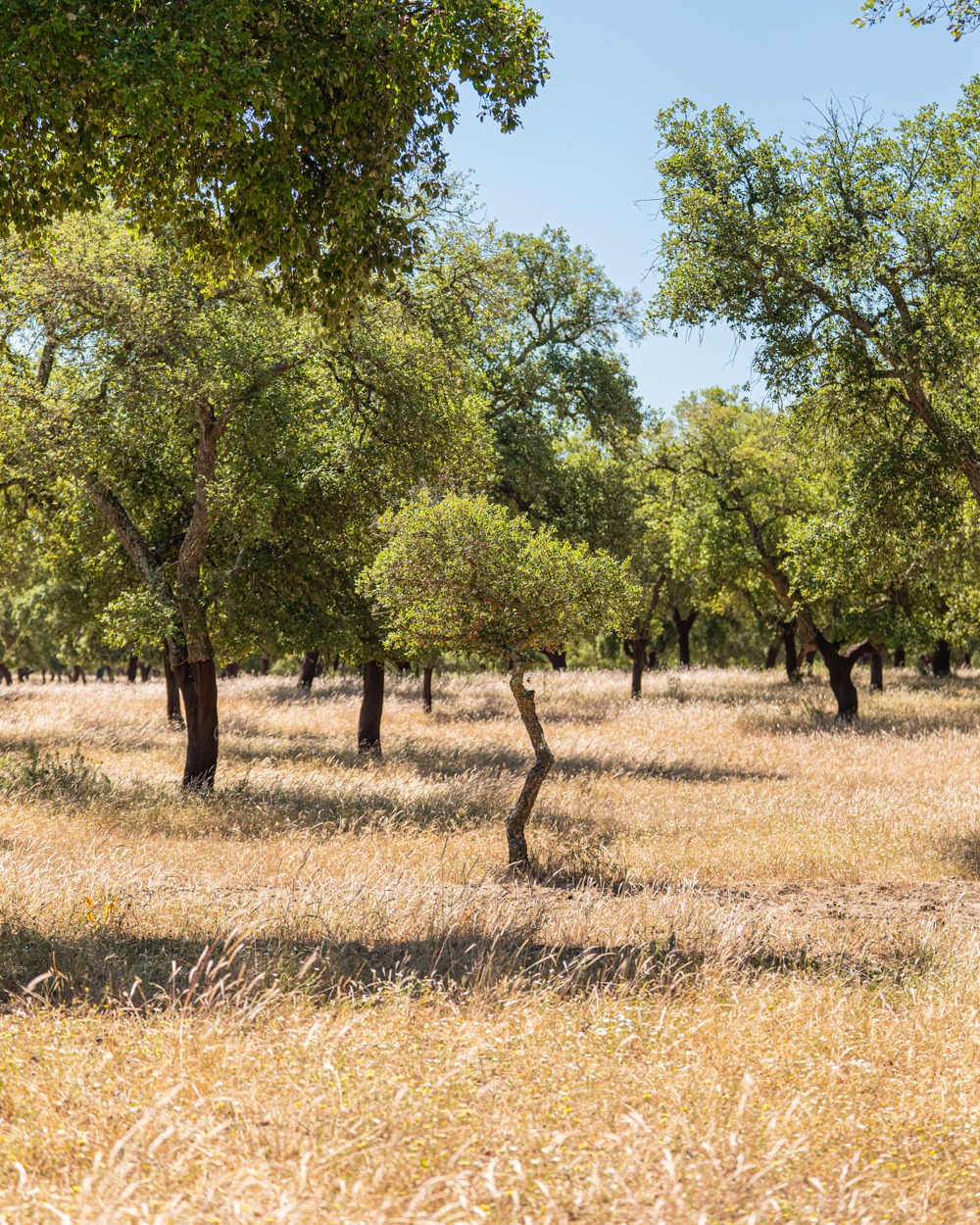
Preserving the Montado: A Commitment to Biodiversity and Culture On this International Day of Forests, we celebrate the Montado, one of the world's most precious and biodiverse ecosystems. This unique landscape, found in southern Portugal and other Mediterranean regions, showcases a harmonious blend of nature and human ingenuity. The Montado is an agro-silvo-pastoral system that has thrived for centuries. Protected by some of the world’s oldest laws—dating back to the 7th century and refined in the early 13th century—its cork oaks and holm oaks are cherished cultural and natural treasures. These trees not only support local livelihoods but also provide critical environmental benefits. Beyond its rich cultural significance, the Montado plays a vital role in carbon sequestration, water regulation, and biodiversity conservation. Its tree cover helps absorb COâ‚‚ from the atmosphere, mitigating climate change, while its unique ecosystem maintains soil health, prevents
00
October 9, 2024

Assessing the Feasibility of Regenerative Management for California Vineyards Sustainable Ag Expo I November 13 I 9:00-10:00 am This presentation will show the preliminary results of a three-year, large-scale project performed in various vineyards in California. The project explores the benefits and tradeoffs of compost use, no-till, and sheep grazing for soil health, vine yield, and nutrition. The presentation also includes an economic analysis of the practices. Get tickets here! --- Dr. Lazcano currently leads a team of 20 researchers at different career stages and from different backgrounds, focused on understanding the links between soil biodiversity and agroecosystem functioning. The goal of her research is to generate ecologically based soil management strategies that will reduce the environmental footprint of agriculture, with a strong focus on winegrape production. Through on farm collaborative research, Dr. Lazcano hopes to h
00

The Soil Inventory Project (TSIP) has an offer for SIP Certified properties looking to implement more sustainable practices. TSIP is seeking vineyards who want to implement regenerative practices and measure resulting soil carbon sequestration. Please note, the deadline to apply is September 15, 2024. Click here or the image below.
00
April 22, 2024
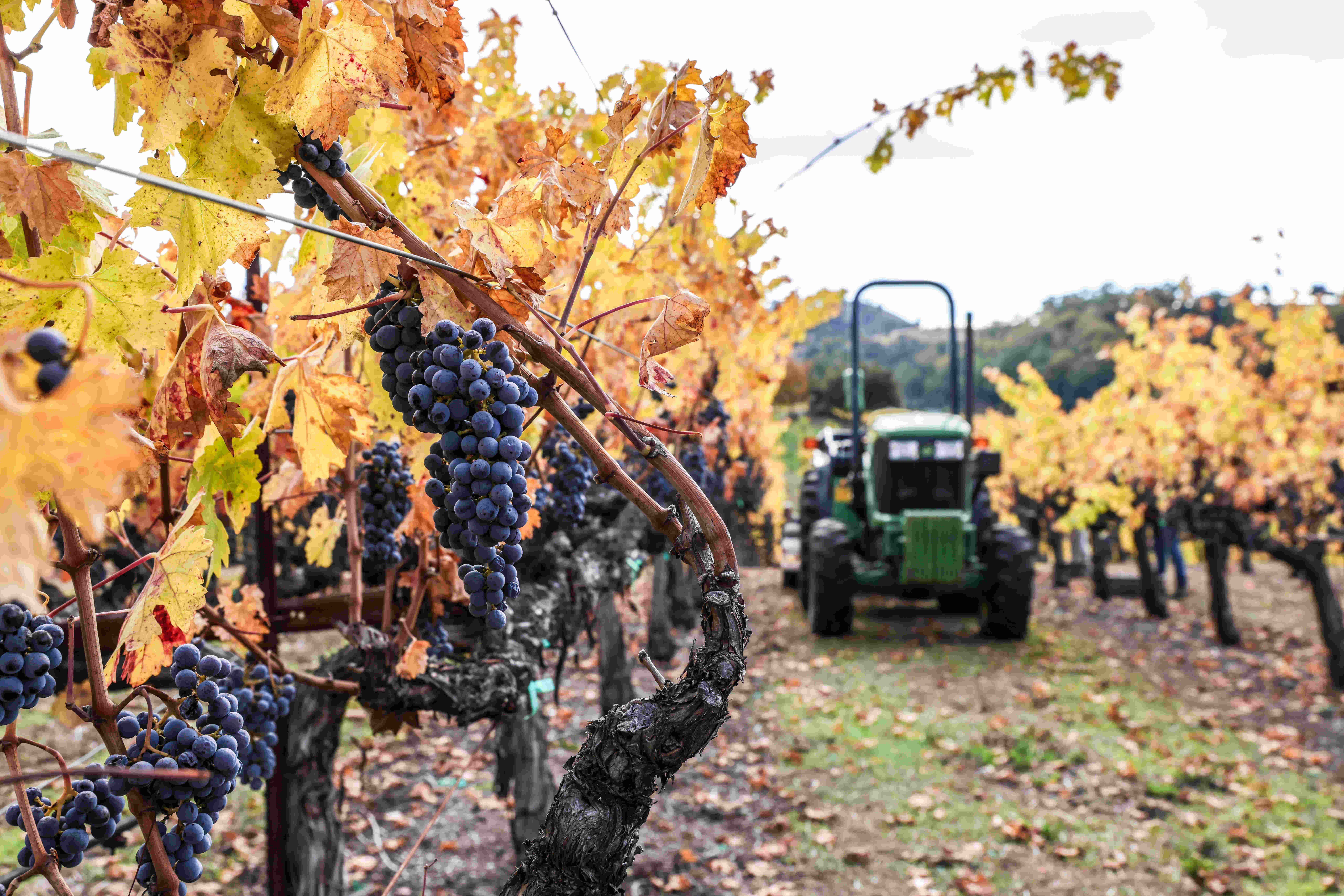
Global Leader Continues to Expand Environmental Commitment Few organizations or businesses have been as proactive in addressing environmental concerns and lessening their impact than the Sonoma County Winegrowers (SCW). Ten years ago, Sonoma County Winegrowers announced its intent to become the nation’s – and likely the world’s – first 100% certified sustainable wine region by 2019. It was a bold, ambitious declaration but Sonoma County’s winegrowers were committed and, together, they succeeded in meeting their target in just five years. Today, Sonoma County has a record 99% of its local vineyards certified sustainable. Five years ago, Sonoma Winegrowers became an exclusive participant in the California Land Stewardship Institute’s (CLSI) Climate Adaptation Certification program marking the first-time participating growers could obtain certification for a comprehensive greenhouse gas reduction and carbon sequestration program. &n
00


The wine industry is a tight-knit community where new ideas and solutions travel by word of mouth to bring transformation to the industry. And when difficulties arise, such as shifting consumer demographics and rising operational costs, wineries and wine growers lean on each other for support. The response from wineries has led to a focus on premiumization, automation, and building stronger relationships with younger consumers. Climate change has also increased the frequency of conditions like drought, wildfires and untimely frosts, resulting in more dramatic changes from vintage to vintage. Higher pressure from media, government and younger consumers, pushed wineries to reduce their environmental impact, leading to new solar plants, a transition to organic, biodynamic and regenerative agriculture and technology to measure everything from water usage to carbon sequestration. Wineries Foster Localism Wineries are also looking for other ways to increase sustainability, such as buyin
00

September 13, 2023
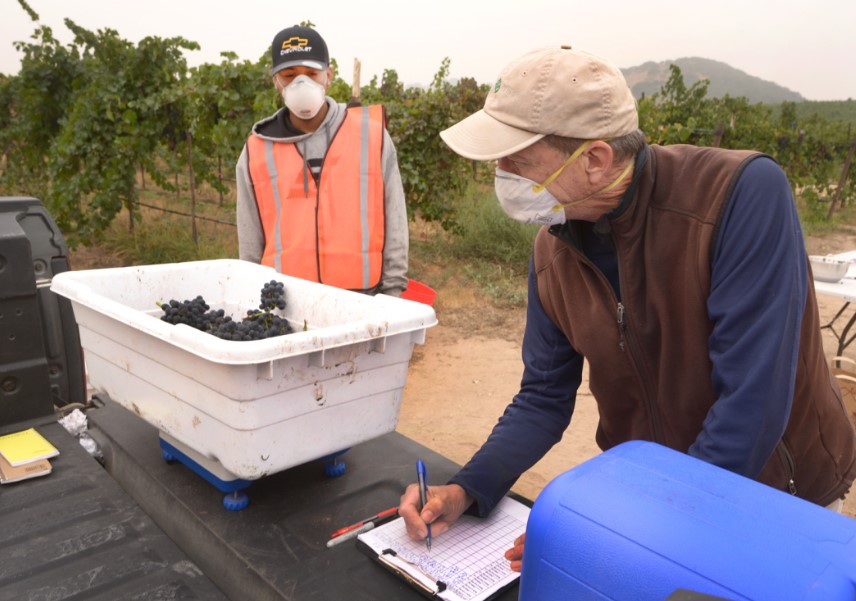
Sitos Group, Biochar Producer Launches State-of-the-Art Slow Pyrolysis Plant in Monterey, First of Its Kind Design in the U.S.
Biochar Offers Wine Grape Growers and Wineries Improvements in Soil Health, Water Conservation, Crop Yields and Carbon Sequestration Monterey, CA
00

April 1, 2022
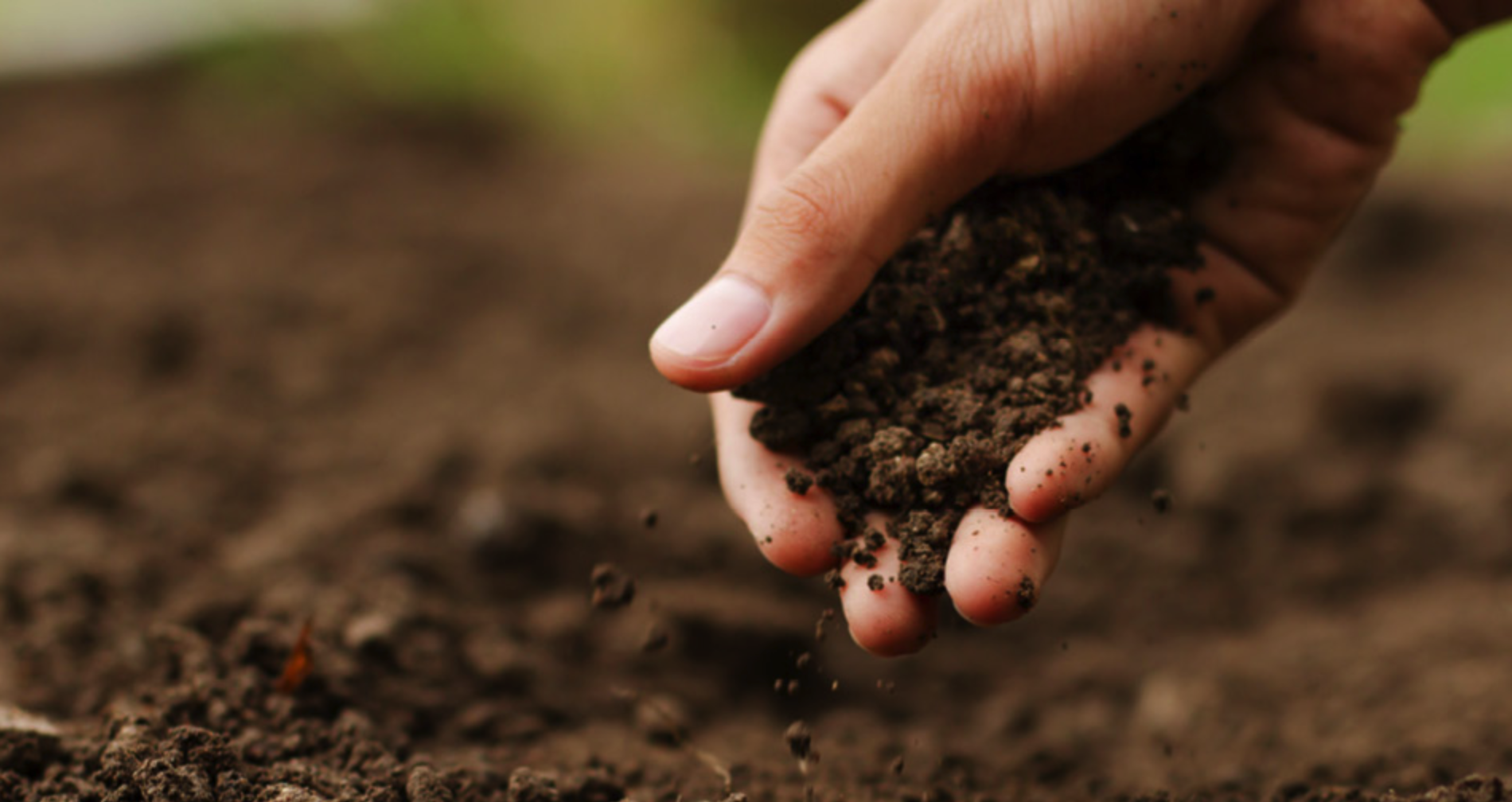
As a convenient push-button source of measurement data, near infrared (NIR) analysis has significant potential to supplement chemical analysis solutions for testing, particularly for key parameters such as organic carbon. The use of NIR is gaining momentum as progress with the complicated business of calibrating NIR equipment for soil samples opens the way for more sustainable and efficient tests. The lab assistant pours a cup of grain into the top of an instrument, taps the touchscreen to start a test and then barely has time to look-up before the multi-parameter results pop-up on the display. For anyone working with quality control in areas such as grain handling, the advantages of rapid and convenient analysis with near infrared (NIR) instruments have long been obvious as an alternative to slower reference analysis and the hazardous chemical waste that goes with it. So if NIR is already proven for jobs such as the analysis of grain, feed, dairy powder, soymeal and myriad other app
00