
Filter Post Type
NewsVideoProductEventLink
Sort:
Most Recent
Tagged:california
1–10 of 13

Event Type: Webinar
Location: Zoom
Date: 5/13/2026 — 10:00 AM to 11:00 AM
California Producers: Learn about AB 720 If you hold a Type 02 license, AB 720 extends your tasting room privileges to a vineyard you own or control — and to property adjacent to your production facility. No second permit. No new winery site. Join the Micro-Winery Guild, InnoVint, and Vinoshipper for a working session on what the law actually allows, how producers are structuring agreements to host guests in the vineyard, and the practical details — ADA, risk, guest experience — worth thinking through before you open the gate. Wednesday, May 13, 2026 @ 10am PST Register here
00
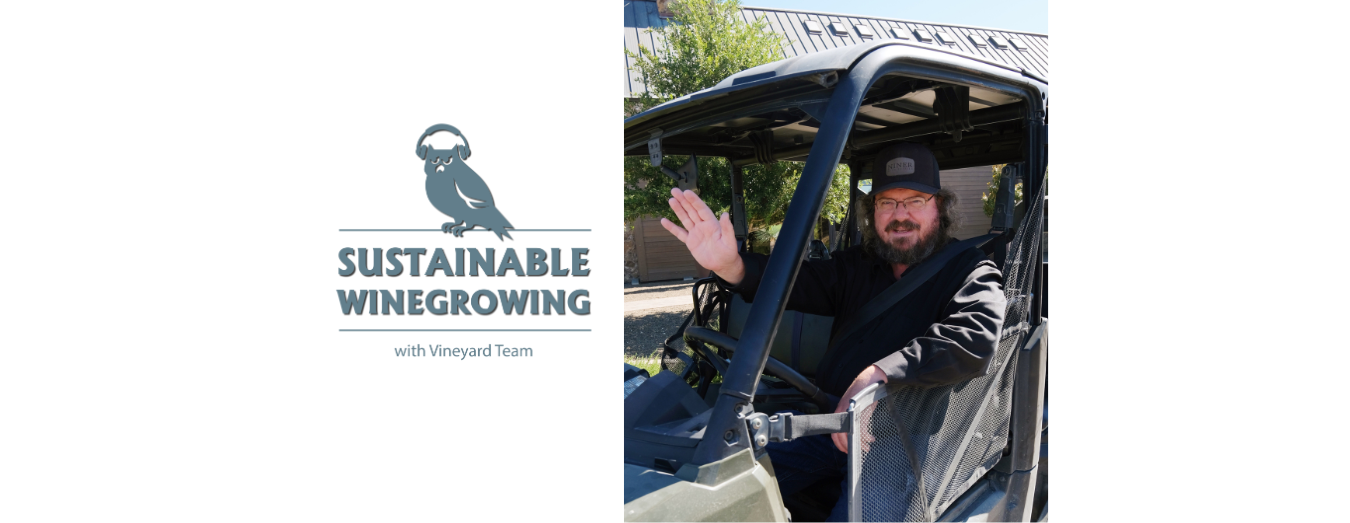
When we launched the Sustainable Winegrowing Podcast in 2016, we weren’t sure where it would go. Now, 300 episodes later, it’s become a go-to resource for growers, researchers, educators, and wine industry professionals dedicated to sustainability. To mark this milestone, we flipped the mic around and interviewed our host, Craig Macmillan, PhD — long-time vineyard and winery professional, educator, and now podcasting veteran — to reflect on some favorite episodes, meaningful moments, and what’s ahead. From Zoom Recordings to Global Reach Craig began hosting when the podcast was just an idea sparked by the Vineyard Team’s goal to make sustainable winegrowing knowledge more accessible. “I wasn't a podcast listener at all,” Craig admits. “But I said sure, why not? Let's try it.” Since then, the show has featured scientists, growers, and innovators from all over the world, creating a ripple effect of conversations and c
00

California has generated considerable excitement in the industry by offering a DTC permit allowing craft distillers across the country to ship their products directly to consumers in California, one of the country's largest retail markets. Since COVID, California craft distillers have had a temporary direct shipping privilege, which ends 12/31/2025. California’s new Type 94 Direct Shipper Permit will allow spirits direct shipping for both in-state and out-of-state craft distillers. CA ABC will accept applications starting December 15, 2025, and will issue permits effective January 1, 2026. Here's what craft distillers need to know about this new permit; those located outside of California should consider these requirements before jumping on this opportunity: The permit is only available to distillers producing 150,000 gallons or less per year, of which sixty-five percent (65%) must be of their own production. The permit will expire on 12/31/2026 and cannot be renewed unl
00
October 28, 2025
The California legislature recently amended the California recycling labeling requirements for wine and spirits containers, making it significantly easier for wineries and distilleries to comply. The new law, AB 720, extended the deadlines for complying with the labeling requirements and authorized the use of QR codes for CRV compliance. Here are the specifics: The deadline by when all wine and spirits containers in the marketplace must have CRV labeling has been extended a year, from July 1, 2025 to July 1, 2026. The cut-off date for the permanent exemption of already labeled containers from CRV requirements has been extended 18 months, from January 1, 2024 to July 1, 2025. Now, any containers filled and labeled without CRV markings before July 1, 2025 will not need any additional labeling to be compliant, even if sold after July 1, 2026. Wineries and distilleries may now use half-inch high QR codes for CRV compliance. This creates an important precedent for other states to follow. W
00
May 20, 2024
Beginning July 1, 2024, SB 478 will go into effect, which means businesses will no longer be allowed to add a service fee, or any other hidden fees, to a customer’s bill, except for government taxes and fees and reasonable shipping costs. The “Honest Pricing Law” or “Hidden Fees Statute” is intended to allow the customer to see the true price of an item or service they are purchasing and aims to prevent “drip pricing,” which is when businesses advertise a lower price than what customers actually pay. The Attorney General (“AG”) issued a FAQ statement clarifying many of the issues facing businesses attempting to comply with the new Honest Pricing Law. Below are the key items from the FAQ that businesses may find helpful. The full FAQ can be found here. The law will apply to all businesses selling or advertising to a consumer, not just online ticket sellers, including restaurants, tasting rooms, event centers and hotels. Al
00
March 19, 2024
A recent $5.5 million settlement payment from one of the country’s largest alcoholic beverage wholesalers serves as a good reminder that California law restricts the amount of late fees and interest that can be charged in connection with the purchase and sale of alcoholic beverages to retailers. Cal. Bus. & Prof. Code § 25509 provides that various alcoholic beverage manufacturers and wholesalers who sell and deliver alcoholic beverages to a retailer and who did not receive payment for such alcoholic beverages within 42 days of delivery shall charge the retailer 1% of the unpaid balance on the 43rd day and an additional 1% for each 30 days thereafter. In 2014, a Los Angeles-based retailer, Wiseman Park, LLC (“Wiseman”), brought an action against Southern Glazer’s Wine and Spirits, LLC (“Southern”) in connection with Southern’s attempt to collect not only the Section 25509 statutory late payment penalty, but also a 1% per month “ca
00
February 12, 2024
Employment laws in California are always changing, and it is important for employers in California to keep up with these changes to ensure their policies and practices are compliant. This blog post provides key updates to the California employment laws that all employers should know for this year. Minimum Wage Increase Beginning January 1, 2024, the state minimum wage for all employers has been increased to $16.00 per hour. This rate reflects a 3.5% increase from this year’s minimum wage based on the law’s provision that allows this increase if the national Consumer Price Index (“CPI”) is over 7%. All employers must post the current minimum wage rate in a common area where employees can easily view it. With this new rate of $16.00/hour, the minimum salary for exempt employees in 2024 has also increased to $66,560.00/year. Note that the minimum salary is tied to the state minimum wage rate, not individual municipalities. Employers should also check if there
00

February 9, 2024

February 9, 2024 – Novato, CA – The California Department of Food and Agriculture Preliminary Grape Crush Report, containing tons crushed and prices of wine grapes sold during the 2023 harvest, has been released. The Crush Report provides growers and wineries insight into the inventory position of the California wine business as a whole and influences market dynamics for the current bulk wine market and grape market. The 2023 Crush Report, coming in at a total of 3.6 million tons, fails to capture the full story of the 2023 harvest. The crop would have been considerably larger if not for soft demand and disease pressure that caused some acres to go unharvested. Despite the size of the overall crop, most wineries found themselves with an excess supply amid challenging conditions in consumer sales. For specific details on 2023 harvest, see below: Key Insights by Region Tons Crushed 2023 Tons Crushed 2022 Net Gain/Loss Equivalent Gallons
00
On January 9, 2024, the California Department of Health (CDPH) issued an order changing COVID-19 related definitions. These revisions apply to the Cal/OSHA Non-Emergency Regulations, which are still in place until February 3, 2025 and must be followed by all employers in California. The questions and answers below reflect the updated rules and definitions that currently apply in the workplace. You can read more about the changes on Cal/OSHA’s FAQ page here, which is updated regularly. COVID-19 Updates for California Employers as of January 2024 What is the current definition of the “infectious period” for employees who test positive for COVID-19? For COVID-19 cases with symptoms, the “infectious period” is a minimum of 24 hours from the day of symptom onset. Under the current regulations, there is no infectious period for COVID-19 cases with no symptoms. If an employee tests positive, are they required to be excluded from the workplace? If an employ
00
January 3, 2024

Along with New York and the U.S. Virgin Islands, California is facing a reduction in Federal Unemployment Tax Act (FUTA) credit for 2023, which means employers in California pay higher FUTA taxes retroactively in January 2024 for wages paid in 2023 due to the state’s outstanding federal loans. Many states, including California, experienced a FUTA Credit Reduction of 0.3% for 2022, and will be subject to an additional 0.3% credit reduction for 2023. What Is the Federal Unemployment Tax Act (FUTA)? The Federal Unemployment Tax Act (FUTA), passed in 1939, established a federal payroll tax to help fund and insure state unemployment benefits across the United States. This base federal payroll tax is 6% on the first $7,000 each employee makes in a year, which the employer is responsible for paying. Employers in most states are provided a Credit of 5.4% to this 6% FUTA rate. The results in a rate of 0.6%. State governments are also responsible for collecting unemployment taxes from
00