
Filter Post Type
NewsVideoProductEventLink
Sort:
Most Recent
1–10 of 40
April 28, 2026
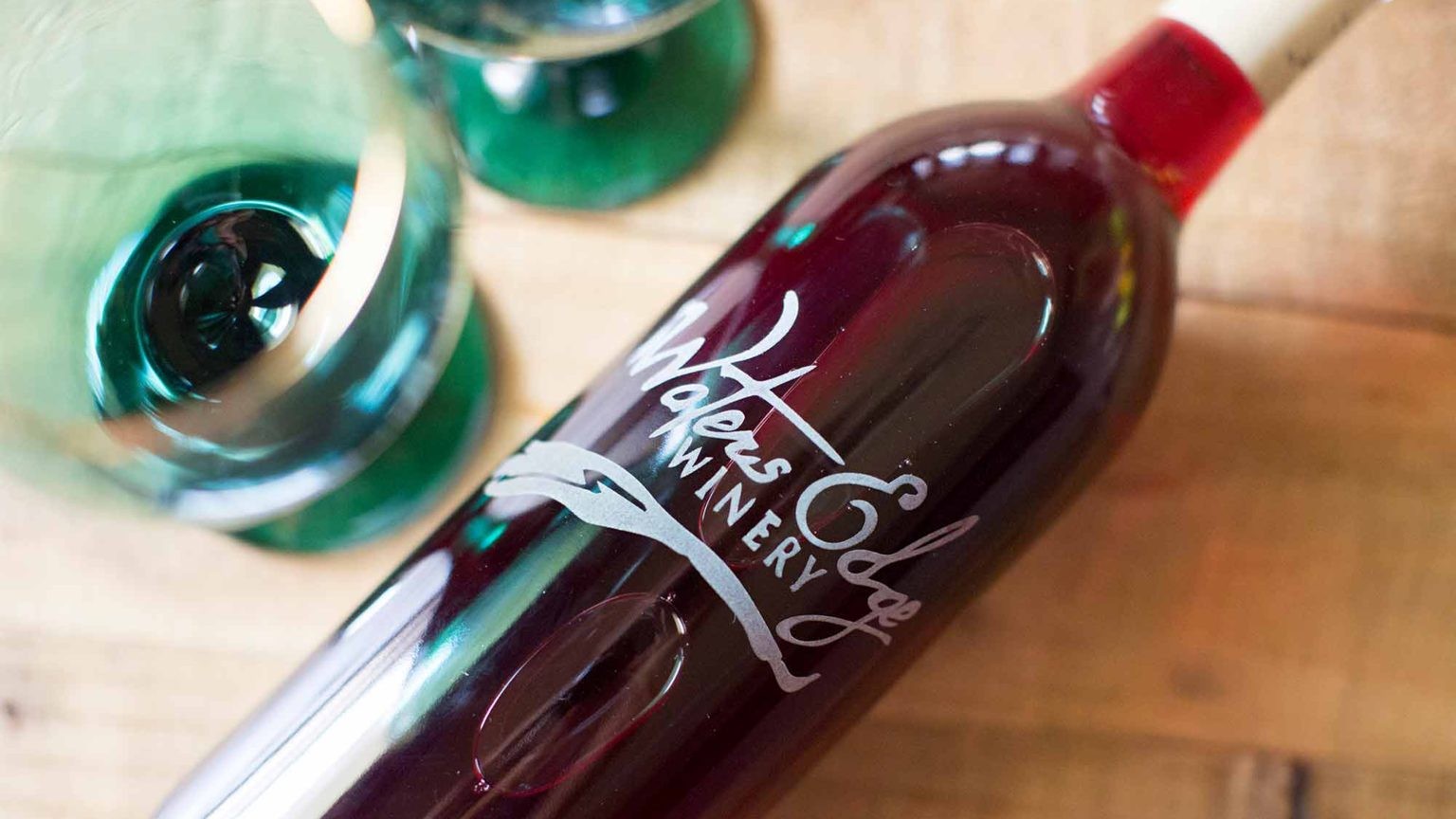
Organization Waters Edge is an independently owned winery based on a proven urban winery franchise model. There are dozens of franchise locations around the U.S. with owners who are passionate about bringing wine culture to their communities. Each Waters Edge Winery & Bistro location combines the very best of a winery and wine bar in one versatile model that can be located anywhere, regardless of topography or agricultural factors. You can view their website here. Challenges Waters Edge Winery used to get their labels the traditional way—design the label, order the required quantities, and then wait for 4-5 weeks. Through this process, Waters Edge found they were losing opportunities and wasting time and money on their labels. Minimums and bulk price breaks meant they had to choose between buying more than necessary or paying more per label Once the label is printed, the information is all but set in stone. If information changed, a whole new order was required. The w
00

April 14, 2026
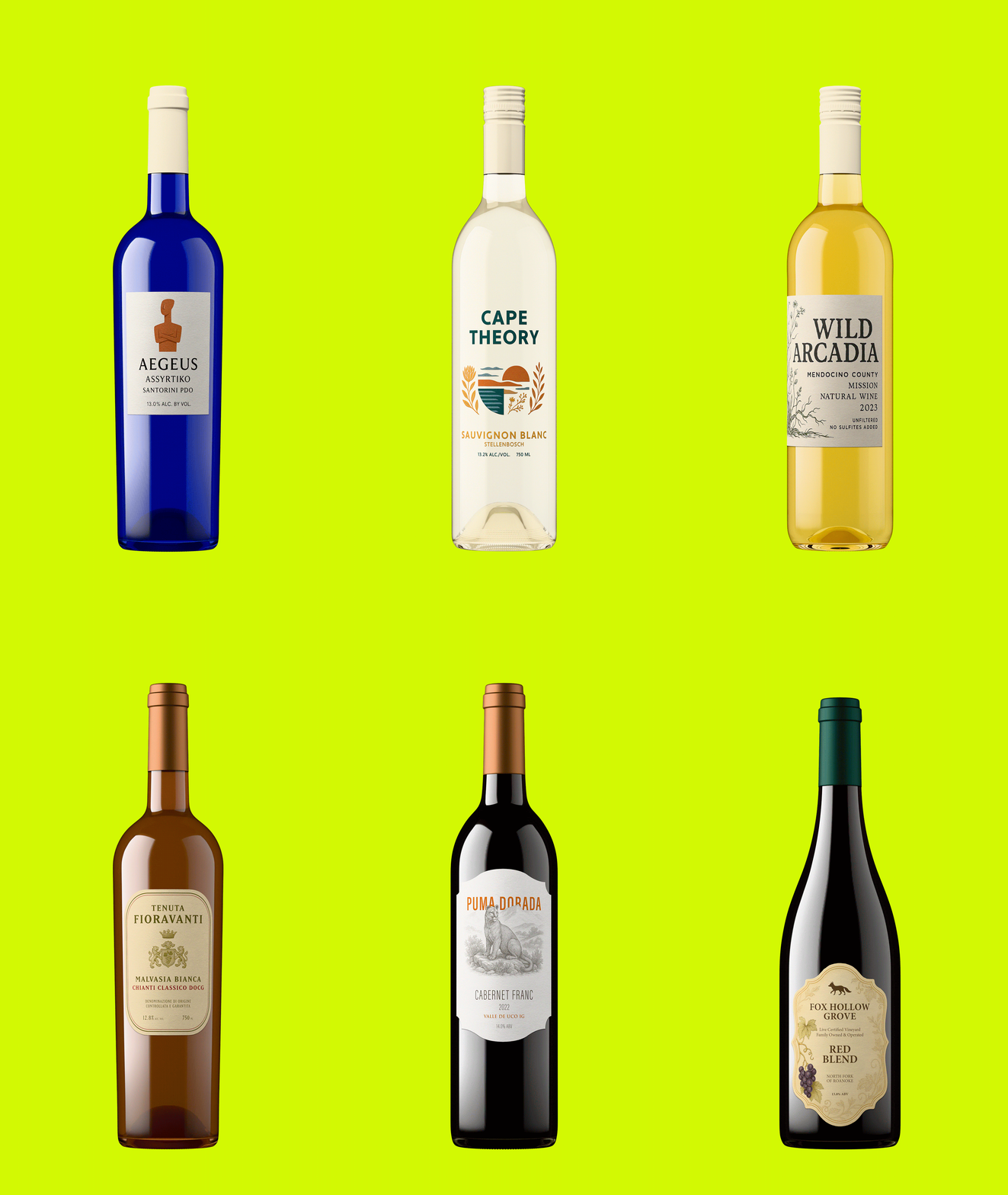
In March 2026, the TTB issued guidance on the use of AI-generated imagery in alcohol beverage advertising (read it here). The short version: AI-generated images used in alcohol marketing must comply with existing labeling and advertising regulations, including accurate representation of the product. This sounds obvious. But there's a nuance worth understanding if you're choosing how to produce your product imagery this year. The guidance applies broadly to any imagery categorized as AI-generated. The practical question it raises is how closely your vendor's process is anchored to your actual product. There's a meaningful difference between two approaches. A tool that generates a "wine bottle" from a text prompt or a rough photo produces something invented. A plausible bottle, not a representation of your real label, your specific closure, or your actual container. Whether it looks convincing is a separate question from whether it accurately represents your pro
00

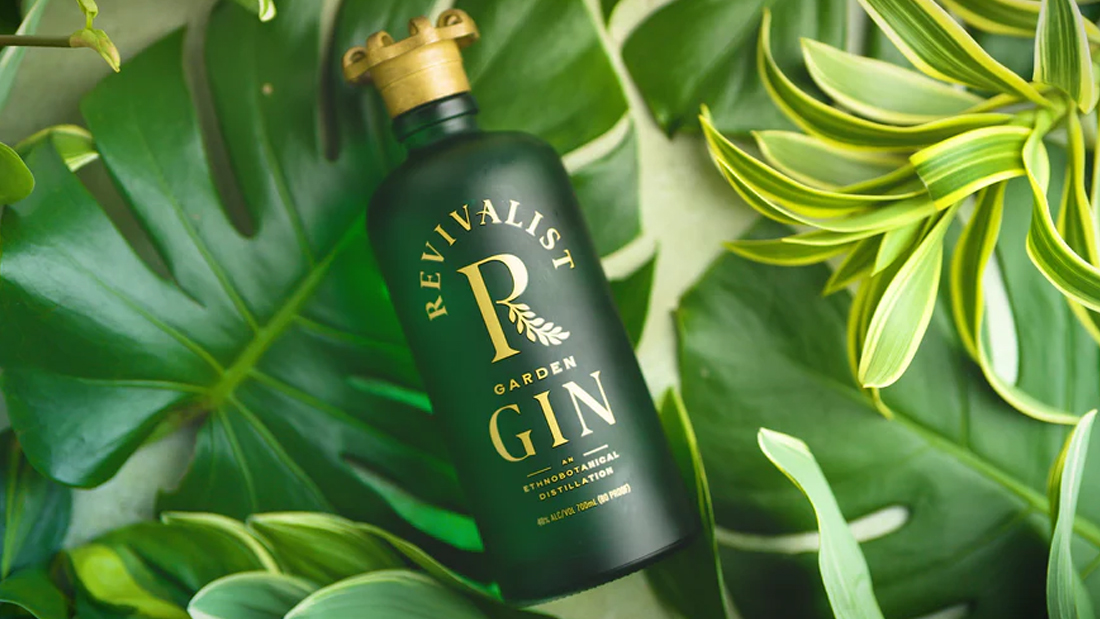
The wine and spirits industry is standing on the precipice of a major design evolution. For years, “premium” was defined by weight, excess, and tradition. For 2026, a new definition of luxury is emerging; one that values intelligence over mass, and tactile storytelling over simple visual appeal. For brand owners and procurement leaders, staying ahead of these glass packaging trends in 2026 is no longer just about aesthetics; it is a matter of strategic survival. From the rise of “quiet luxury” and right-weighted glass to the complex pressures of global supply chains, the packaging decisions made today will define brand resilience tomorrow. In this forecast, we explore how sustainable luxury, ergonomic innovation, and smart supply chain strategies are reshaping the premium landscape, and how Global Package provides the specialized glass solutions needed to help you navigate this future. The State of Glass Packaging for Wine & Spirits At Global Package, we&r
00
February 10, 2026
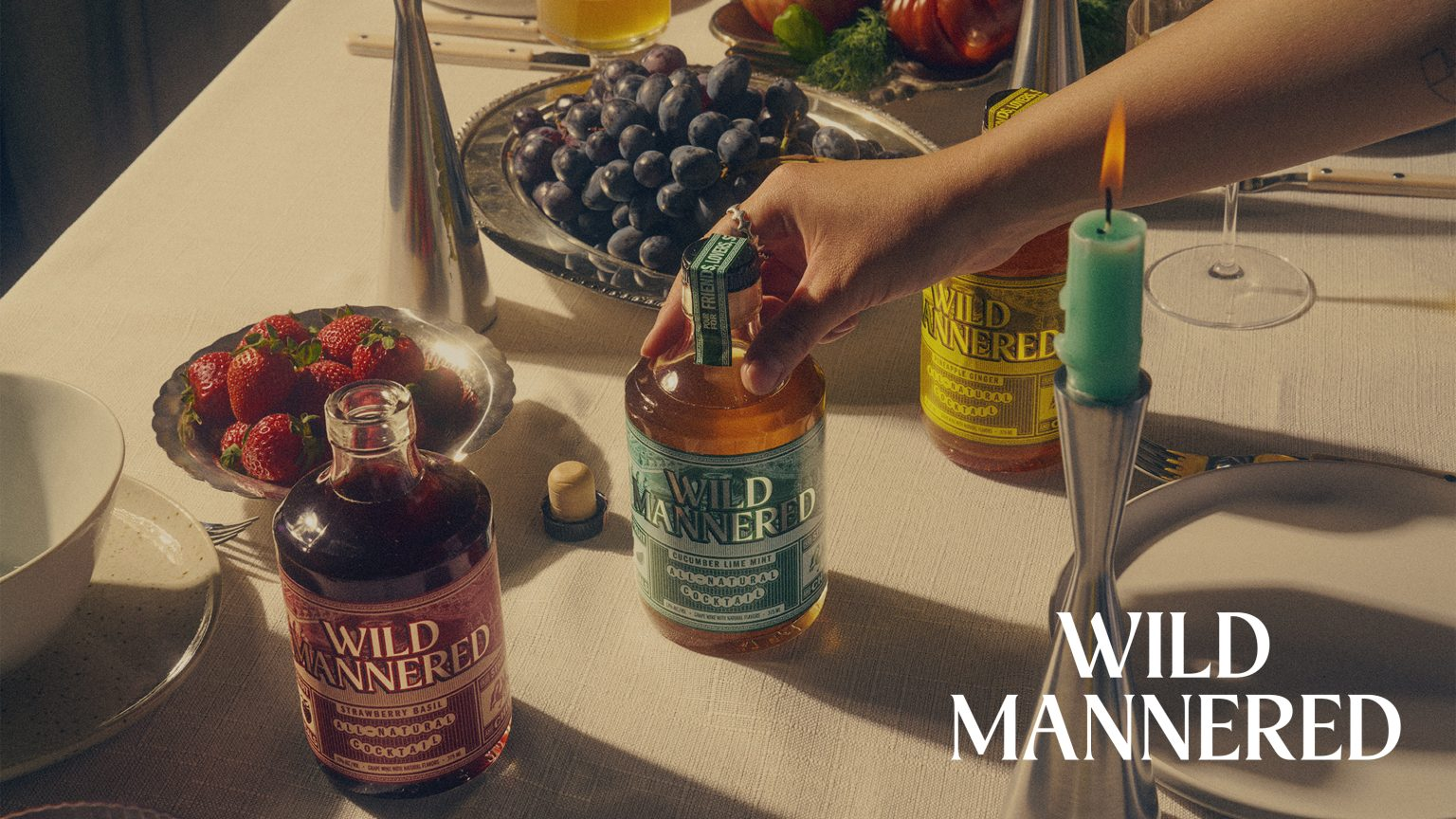
For founders Michael and Perry, the launch of Wild Mannered wasn’t just a new name; it was a new expression of identity, culture, and community. But as their brand evolved, they quickly realized that a powerful story needs a package that tells it. With the support of AWT Labels & Packaging’s ASL team, they transformed their updated brand vision into a physical product that felt just as intentional and expressive as the story behind it. A Brand Rooted in Representation Originally launched as Neat, the company was known for its ready-to-drink soju cocktails. But over time, Michael and Perry found that the name “Neat” didn’t quite capture the cultural specificity or personality they wanted the brand to reflect—a modern beverage brand inspired by cherished memories of sharing drinks through the lens of being Asian Americans. As a brand, they value representation and embracing identity, community, and quality with no exceptions or shortcuts. &
00
Dry January is no longer just a health challenge or a new-year reset—it’s a global movement. But here’s the kicker: savvy brands know that real success in the no- and low-alcohol (No/Low) category comes from building momentum well beyond one month. At BevZero, we help our clients turn the buzz of January into a sustainable, year-round beverage strategy using expert product development, cutting-edge dealcoholization services, and full-spectrum beverage solutions. Let’s talk about how. Why Dry January Is Only the Beginning Dry January consistently delivers a spike in consumer interest, online searches, and sales for No/Low products—especially non-alcoholic wines, beers, and spirits. But interest doesn’t flatline in February. In fact, there are multiple high-impact moments throughout the year where brands can meet growing demand: Spring (March – May): Holidays like St. Patricks, Easter, and Mothers Day can be a great time to provide low or no
00
While Congress is in its long August recess, there’s still work to be done in DC on the regulatory front. Executive Vice President and Director of Regulatory Affairs Michael Kaiser submitted two long, detailed documents to the federal Tax and Trade Bureau (TTB) about the possible addition of information on wine labels. Specifically, the two issues involved the possibility of “Alcohol Facts” statements on the labeling of wine, spirits and beer; and the possibility of “Major Food Allergen” labeling. WineAmerica’s overall position: “WineAmerica is in favor of both allergen and ingredient disclosure, as long as it is done in a way that is not harmful to the American wine industry. Only agents that are detectable in the finished product should need to be disclosed by a producer. Additionally, as we stated in our comments for Notice 237, an off-label, web-based disclosure is the best option for the wine industry. This is already occurring in the Euro
00

Producing low and no-alcohol wines brings a different set of rules. Our guide walks through considerations for enhancing complexity before de-alc, restoring aroma and texture after de-alc, and ensuring microbial stability for the life of the wine. READ MORE What Happens after De-Alcoholization? Loss of Aroma Ethanol helps volatilize aromatic compounds; without it, wines can smell muted. Thinner Texture Alcohol contributes to body and roundness; its removal can leave wines feeling hollow. Reduced Stability Lower alcohol means higher risk of microbial spoilage and oxidation. Considerations by Phase Pre-Dealc Control during harvest and fermentation allows you to enhance aromas, mouthfeel, and complexity up front, so there's less to fix later. Post-Dealc Some wine finishing products can help restore sensory balance, especially in low alcohol wines where natural flavors may require labeling. Microbial Stability Consider additional protection measures outside the traditional SO2 filt
00
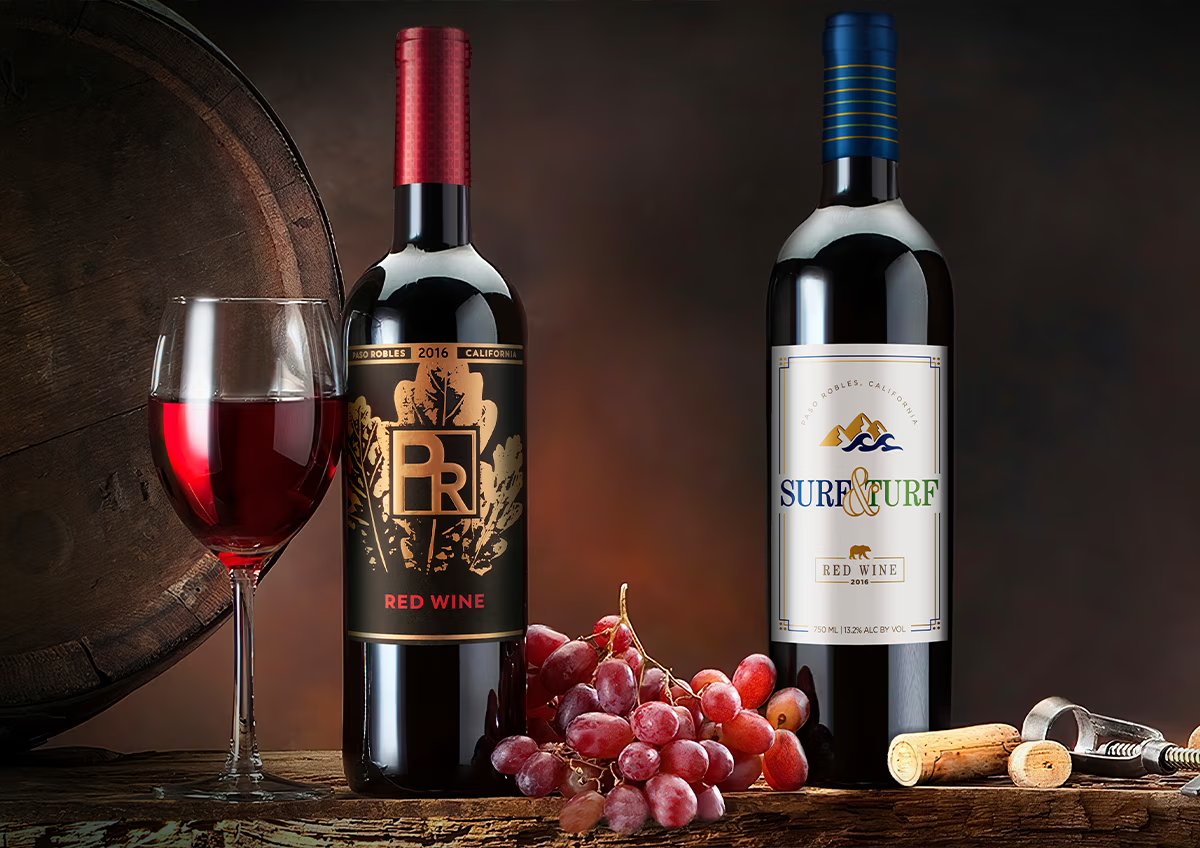
A look at the trends influencing wine packaging design & innovation. Introduction U.S. wine total volume is expected to remain relatively flat for the next several years, while value will grow due to price increases and the persistence of the premiumization trend. In the crowded and increasingly challenging wine market, effective package design can help a brand get noticed and appeal to consumers. This report looks at several key trends impacting wine package design, from authentic storytelling to interactive engagement to environmentally and socially responsible solutions. Authenticity According to a recent GlobalData study, three out of four consumers consider product/brand authenticity essential or nice to have when making purchase decisions. This attitude is especially true among older generations and higher-income earners, a key demographic for wine sellers. Authentic brands are perceived as genuine, original, and transparent, providing quality assurance and trust. Euromon
00
April 18, 2025
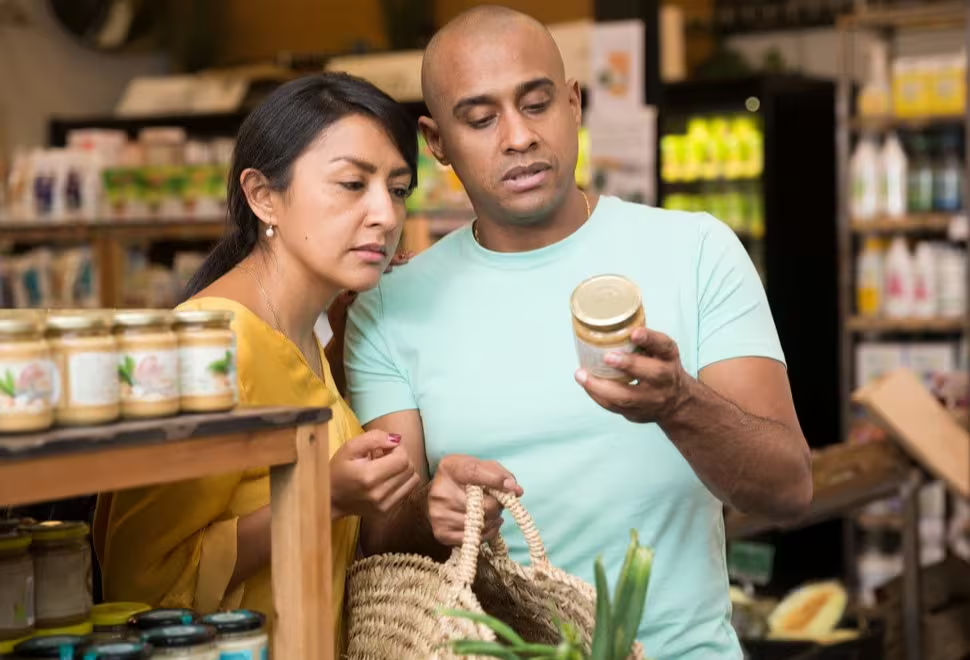
In an era where consumers are increasingly focused on diet to maintain a healthy lifestyle, the U.S. Food and Drug Administration (FDA) and other groups are taking steps to help Americans better understand food and beverage labels. The agency's recalibration of the "healthy" labeling criteria and introduction of a front-of-pack nutrition label offer the potential to reshape food product development while empowering consumers to make more informed dietary choices. Redefining 'Healthy' The FDA's definition of "healthy" has remained mostly unchanged since the 1990s, leading to a disconnect between scientific advancements in nutrition and food marketing. Under the new labeling rule, foods labeled as "healthy" must align more closely with the 2020–2025 Dietary Guidelines for Americans. The voluntary regulation goes into effect on April 28, 2025. Brand owners have three years to comply. There is no maximum or minimum type s
00

Instant Additive Detection Makes Labeling a Breeze A new way to detect ascorbic acid, fumaric acid and sucrose in wine saves time and costs when checking for additives in finished wine. Tests take 30 seconds and do not involve the use of chemicals or reagents. A rapid and convenient test for detecting additives in wine is now available for the WineScan™ 3 analyser. Instead of using time-consuming enzymatic methods involving the use of chemicals and reagents, winemakers, bottlers and traders can test for the presence of sucrose, fumaric acid and ascorbic acid at the touch of a button. Results are presented within 30 seconds in the same way as with the the many other tests available with the WineScan 3. Many Labelling Parameters in a Single Test The availability of the three new additives tests comes at a time when the list of required declarations on wine bottles is growing. Among these, the new EU regulation introduced in 2024 states that information on ingredients, allerg
00