
Filter Post Type
NewsVideoProductEventLink
Sort:
Most Recent
1–10 of 11

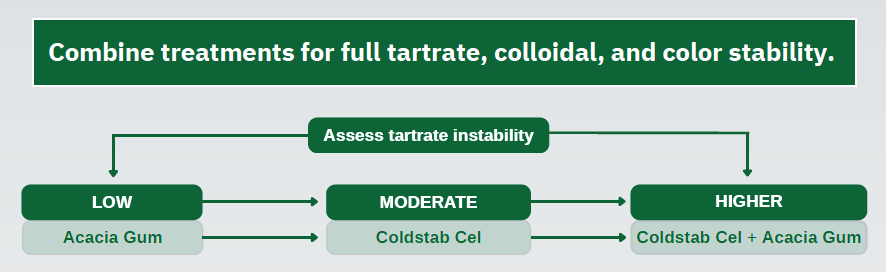
Tartrate stabilization helps keep wines bright, clear, and free of the “wine diamonds” that consumers often perceive as a flaw. While traditional cold stabilization works, it can be time- and energy-consuming, and can affect aromatics and flavor. Today, there are smart, innovative stabilization solutions that eliminate the need for chilling while protecting wine quality and making cellar work easier. Carboxymethylcellulose (CMC) CMC is a cellulose-based solution that acts by interfering with crystal growth. While traditional stabilization induces crystal formation, CMC prevents them from developing in the first place. It provides reliable stability without chilling and helps preserve pH, aroma, and flavor. CMC is a strong choice for white and rosé wines where clarity and freshness are priorities. Acacia Gum Acacia gum, made from the sap of Acacia trees, coats the tiny tartrate particles so they cannot grow into visible crystals. It also helps protect color, making it
00
Achieving tartrate stability is critical for delivering wines that hold up in bottle and on the shelf. One tool that has become increasingly popular for this purpose is carboxymethyl cellulose (CMC), but not all CMCs perform the same. Understanding how CMC works, and how to properly use it, can help you avoid hazes, filtration issues, and color instability. How CMC Prevents Crystal Formation CMC helps prevent potassium bitartrate (KHT) crystals from growing by binding to the crystal surface. It does this through electrostatic attraction between the negatively charged carboxymethyl groups in CMC and the positively charged surface of the KHT crystals. The strength of this interaction depends on the molecular structure of the CMC, meaning that different CMCs vary in their effectiveness. Protein Stability: A Crucial First Step Some CMC products, particularly those with longer polymer chains, can interact with proteins in wine and cause hazes. Protein stability must be confirmed before any
00

June 28, 2024
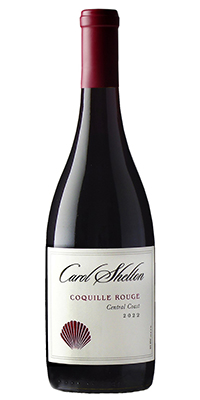
JUNE 28, 2024 – Winners have been announced in the 17th annual Women’s International Wine & Spirits Competition (IWWSC). The competition, which took place June 10-12 in Santa Rosa, Calif., was founded on the premise that the majority of wine purchased for home consumption is bought by women. The IWWSC judging panels consist entirely of professional women in the wine and spirits industries — winemakers, distillers, marketers, buyers, sommeliers, educators and journalists. “As always, the International Women’s Wine & Spirits Competition shined a spotlight on hundreds of deserving wines,” says Debra Del Fiorentino, owner of Wine Competitions Management & Production, which organizes and presents IWWSC. “And even though entry is open to all winemakers regardless of gender, I found it gratifying that six of this year’s sweepstakes wines were created by women. And our overall wine winner also was named Best Woman Winemaker
00

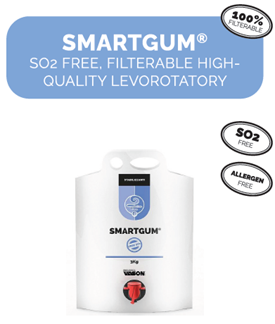
SMARTGUM® by ENOLOGICA VASON is not just another Gum Arabic. It's a game-changer for winemakers. Developed in 2019, this high-quality gum, sourced from Acacia verek, is a levorotatory gum that can produce the perception of sweetness and volume and provide colloidal protection while reducing astringency. But what truly sets SMARTGUM® apart is that it does not contain sulfur dioxide, making it an ideal choice for organic wine production. Our exclusive patented “SMART” process also ensures that this 100% long-chain Gum Arabic is completely filterable. Click here to learn more: Acacia Senegal - Levorotatory Characteristics: color stabilization, roundness Related products: ICON®GUM, ARABAN®SPRAY DRY, ARABAN®SUPER, SMARTGUM® Acacia Seyal - dextrorotatory Characteristics: synergy for stability, roundness, filterability Related products: EV GUM, ARABAN®JUCLAS, VASONGROUP’s equipment division, offers a sta
00

May 1, 2024

Gum Arabic, also known as "Acacia Gum", is a natural substance derived from the sap of certain species of #Acacia trees, primarily Acacia senegal and Acacia seyal. This unique and versatile material has a rich history dating back thousands of years and originates from the arid regions of Africa, particularly in the #Sahel region, which spans across countries like Sudan, Senegal, and Chad. Its sustainable and eco-friendly nature, coupled with its versatility, continues to make it a valuable natural resource for #winemaking process, thanks to its ability to prevent the appearance of cloudiness and precipitates in the bottle. In addition to the benefits for the #environment, #GumArabic also has a positive socio-economic impact: the harvest of Acacia Gum gives work to millions of people and farmers in Africa, a chance for local communities to increase good life standards.
00
January 17, 2023
JUCLAS USA will be displaying the latest technologies and adjuvants that every winemaker should be aware and have in their toolbox. Derived from multiple years of research and development, many of our solutions are patented; an external validation of the VASONGroup’s philosophy. Among our portfolio of solutions, we will be featuring: XPRO range of inactivated yeasts that help with RedOx, color, and tartrate stabilization. ICON GUM, our filtrable and 100% long chain gum extracted completely from acacia verek. T-Way, our new line of liquid tannins especially designed for the american market. Smartvin range of pelletized products to reduce health hazards in the working environments. MasterMind Remove and MasterMind Remove Plus, our solutions for alcohol reduction and the smart management of enological gases. MFTC, our range of hollow fiber crossflows. EasyFloat, our batch flotation systems that offer the maximum flexibility and convenience to clarify juice. JUCLAS USA Inc. Unified S
00
August 29, 2022

Color is one of the consumer’s primary considerations when tasting wine, especially red wine. Whether a beginner or a wine connoisseur, consumers consciously or unconsciously pick up on color cues when tasting and buying wines. Where the hue sits in the red-violet-blue range can reflect the wine’s acidity, the degree of opacity can indicate tannin level, and color intensity can suggest age. A pet peeve for many winemakers is seeing the color they spent so much time and money creating disappear as the wine ages. Producing an appealing and true-to-type color begins in the vineyard, where the varietal, soil, temperature, canopy, and other factors work together to yield the wine’s color. Climate change has added unpredictability to the mix, disrupting tried and true vineyard management techniques. After harvest, winemakers begin extracting color at crush, where temperature, use of whole-cluster fermentation or cold-soaking, and added compounds all impact the color
00
August 22, 2022
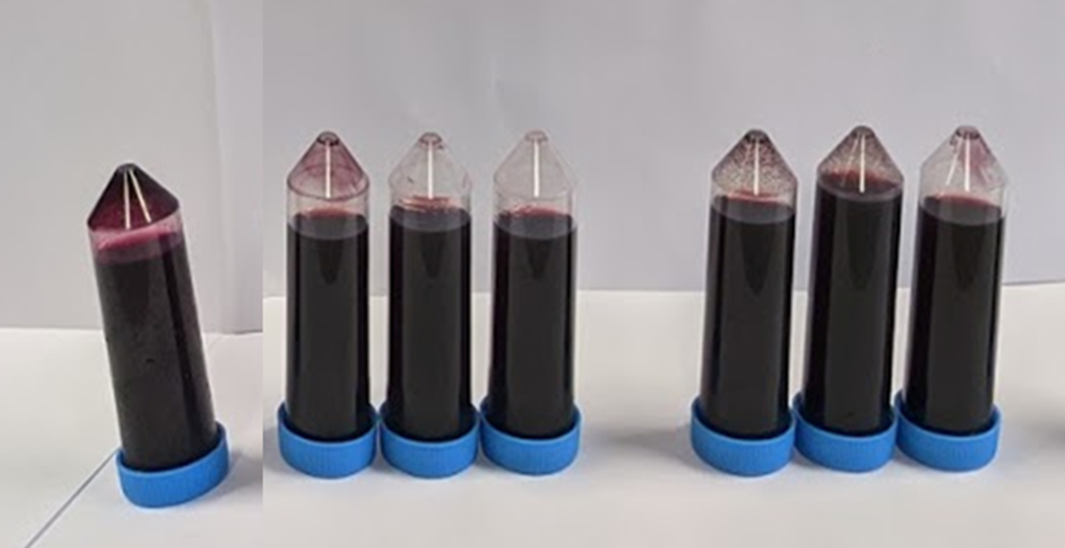
The recent approval of Potassium Polyaspartate by the TTB opens a whole new scenario of opportunities for winemakers and beverage professionals regarding tartaric stabilization. But what are the details you have to keep in mind when considering this ingredient with stabilizing functions? Calcium stability, along with protein and color stabilities, play a major role in the preservation and correct integration of the ingredient into your wines. Comparative market trials after product developmentWhen developing the ingredient, the studies and research carried out by Enologica Vason, demonstrated for example, that the old 'magic number' for Ca concentration is not valid anymore when using KPA, thus needing a new safe threshold. But where should you stand for protein stability? And color preservation? And how about the tools to measure these parameters? Reach out today to your local JUCLAS USA technical expert to know more about Potassium Polyaspartate, the guidelines, and good cel
00
November 1, 2021
Let's start from the beginning, what is and how is Arabic gum produced? Arabic gum is the dried gummy exudate produced spontaneously, or obtained by tapping the trunk of Senegalese Acacia, commonly known as Acacia verek (Leguminosae family). How does this relate to winemaking? The genus Acacia includes more than 900 species, however, from an oenological point of view, two species are the ones to consider, namely Acacia seyal, whose gum is commonly known as Talha, and Acacia senegal (otherwise known as verek), whose gum is called Hashab. These two species are typically produced in Sub-Saharan Africa (Senegal and Chad) So, different origin means also different effects? They have many differences; starting from the behavior of Arabic gum solutions to polarized light - in fact, Acacia senegal is levorotatory, while Acacia seyal is dextrorotatory - to the way the exudate dries. And the differences only increase when applied to winemaking. Historically, levorotatory gums obta
00
Tartrate Stabilization Part 2: No Chilling Required In addition to the TMCI Padovan Krystalstop and Ambra systems, ATPGroup offers winemakers two options for tartrate stabilization that require no energy input aside from mixing the tank: Coldstab Cel and Coldstab Color. Neither product requires the winemaker to chill the wine to stabilization temperatures and both offer other significant advantages as well. There is no shift in pH, no increased potential for oxidation, and no negative impact on flavor or aroma, so the wine you make goes into the bottle exactly as intended. Both products are also easy to bench-trial, ensuring you don’t use more than necessary and confirming efficacy before you commit to the addition. Coldstab Cel, ideal for white wines and some rosés, is a 10% liquid carboxymethylcellulose (CMC) specifically designed for use in winemaking with an optimized molecular structure to ensure ease of addition and maximum potential stabilization effect. When used w
10