
Filter Post Type
NewsVideoProductEventLink
Sort:
Most Recent
1–10 of 152
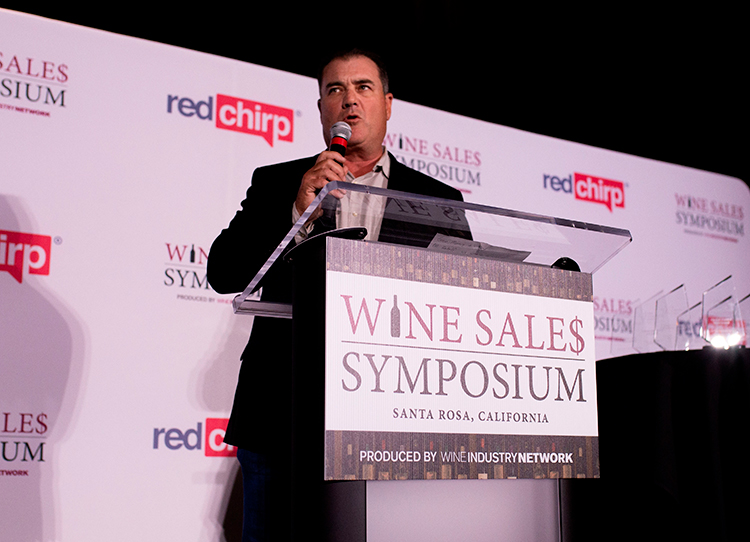
Winery leaders and industry experts explore the strategies shaping the future of wine sales. The wine industry narrative over the past two years has been dominated by decline: falling consumption, shrinking distributor portfolios, and weakening consumer loyalty. The headlines suggest an industry in freefall. But the reality is more nuanced - and more useful. Yes, overall wine consumption continues to face pressure. Consumer behavior is fragmenting in ways that challenge traditional approaches. But the full story isn’t simply decline. It’s divergence. Some wineries are still growing. Some categories are holding steady while others contract. Some sales channels are thriving while others struggle. The difference often comes down to whether wineries have adapted their strategies to match the market that exists today, not the one that existed three years ago. At Wine Industry Network’s Annual Wine Sales Symposium on May 13, Dr. Chris Bitter will present research on what’s actually happening
00
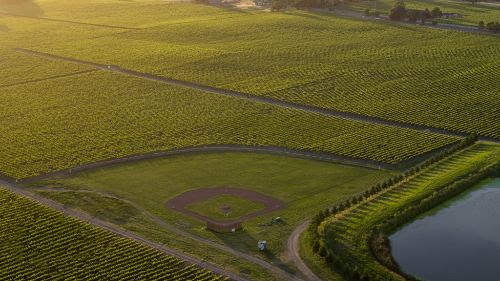
In the film Field of Dreams, a quiet voice whispers a simple promise: “If you build it, he will come.” The idea was never really about baseball. It was about creating something meaningful and trusting that the right people would be drawn to it. The wine industry is standing at a similar crossroads. For decades, wineries have operated on a simple assumption: make great wine, tell a compelling story, and consumers will come. Craft the product. Earn the accolades. Build the brand. But the next generation of wine consumers is telling us something different. Gen Z, now entering legal drinking age and shaping the future of hospitality, is not primarily seeking bottles to collect or scores to chase. Many say they are looking for something more fundamental: connection, community, and places where they can gather with friends away from the constant pull of the digital world. In other words, they are looking for a third space. For winery owners, executives, and Direct-to-Consumer lea
00
March 31, 2026
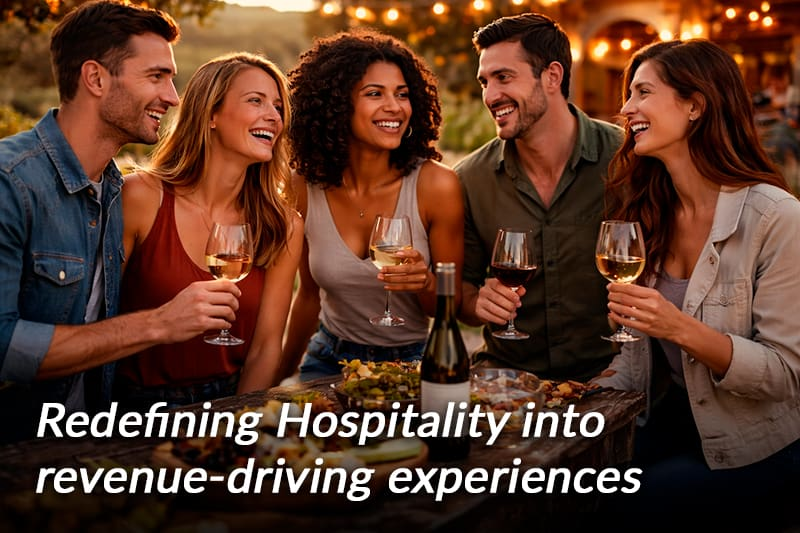
The tasting room used to be the heart of the winery business model. Walk-ins became club members. Club members became brand ambassadors. Revenue flowed predictably, and the formula worked. That’s changing. Visitation to wine regions is softening and tasting room traffic that wineries once counted on is declining. The cohort that’s most noticeably absent? Millennials and Gen Z, the consumers who should be building the next generation of wine loyalty. For many wineries, the drop-off has been gradual enough to rationalize. Blame the economy. Blame changing drinking habits. Blame competition from craft beer and cocktails. But the reality is harder to swallow: younger consumers aren’t avoiding wine country because they don’t like wine. They’re avoiding it because the traditional tasting room experience no longer competes with how they want to spend their time and money. And if wineries don’t adapt, they risk becoming relics of an industry that waited to
00
Why Wineries Need Influencer Marketing Now Here's a number that should reshape how you think about marketing: 69% of consumers trust influencer recommendations more than information coming directly from a brand That's not a slight edge. That's a fundamental shift in how people decide what to buy. For wineries, this matters more than it does for most industries. Wine is a considered purchase wrapped in uncertainty. Your potential customer is standing in a tasting room or scrolling through an online store, wondering: Will I like this? Is it worth the price? Am I making the right choice? Influencer content answers those questions in ways traditional marketing cannot. When a trusted voice says "I tried this Pinot and it's incredible with grilled salmon," that carries weight. It's a peer recommendation disguised as content. Instagram and TikTok now drive wine discovery among younger audiences, and 87% of Gen Z consumers say they're willing to buy products
00

March 16, 2026
Event Type: Webinar
Location: Online
Date: 4/23/2026
Join us for our April Vantage Growth Session as we explore how wineries can attract and convert the next generation of wine club members through authentic storytelling, flexible membership models, and experience-driven engagement. Attracting the Next Generation of Wine Club Members April 23rd: 10am PST In this session, we will break down how younger consumers actually interact with wine brands today and what wineries can do to meet them where they are. We will explore how to: Understand how younger consumers discover and evaluate wine brands Redesign wine clubs around flexibility, belonging, and experience Turn storytelling into measurable club growth Build an emotional funnel from content to visit to membership Make wine feel welcoming, inclusive, and culturally relevant We will also explore why traditional club models are losing appeal and how modern wine clubs are evolving to focus on access, experiences, identity, and community. The wineries that win the next decade wi
00

Ten Ways Wineries Can Evolve From Selling Bottles to Creating Experiences That Resonate With a New Generation. If I told you a winery just opened with no vineyard, no winemaker on staff, and no interest in talking about terroir… would you visit? What if I told you it had a silent disco in the barrel room, a drag brunch series, and a 3-month waitlist for a zero-proof pairing menu? Those wineries exist. And they’re thriving. Because for a new generation of visitors, the wine isn’t the reason—it’s the reward. It’s not about what you pour anymore. It’s about how you make people feel. And we used to excel at this. But then we woke up one day… and it wasn’t working like it used to. The same offers stopped converting. The same messages started falling flat. The same visitors didn’t come back. And it’s not because we got worse at what we do. It’s because the customer changed. What they want. How they behave. Where t
00

February 19, 2026
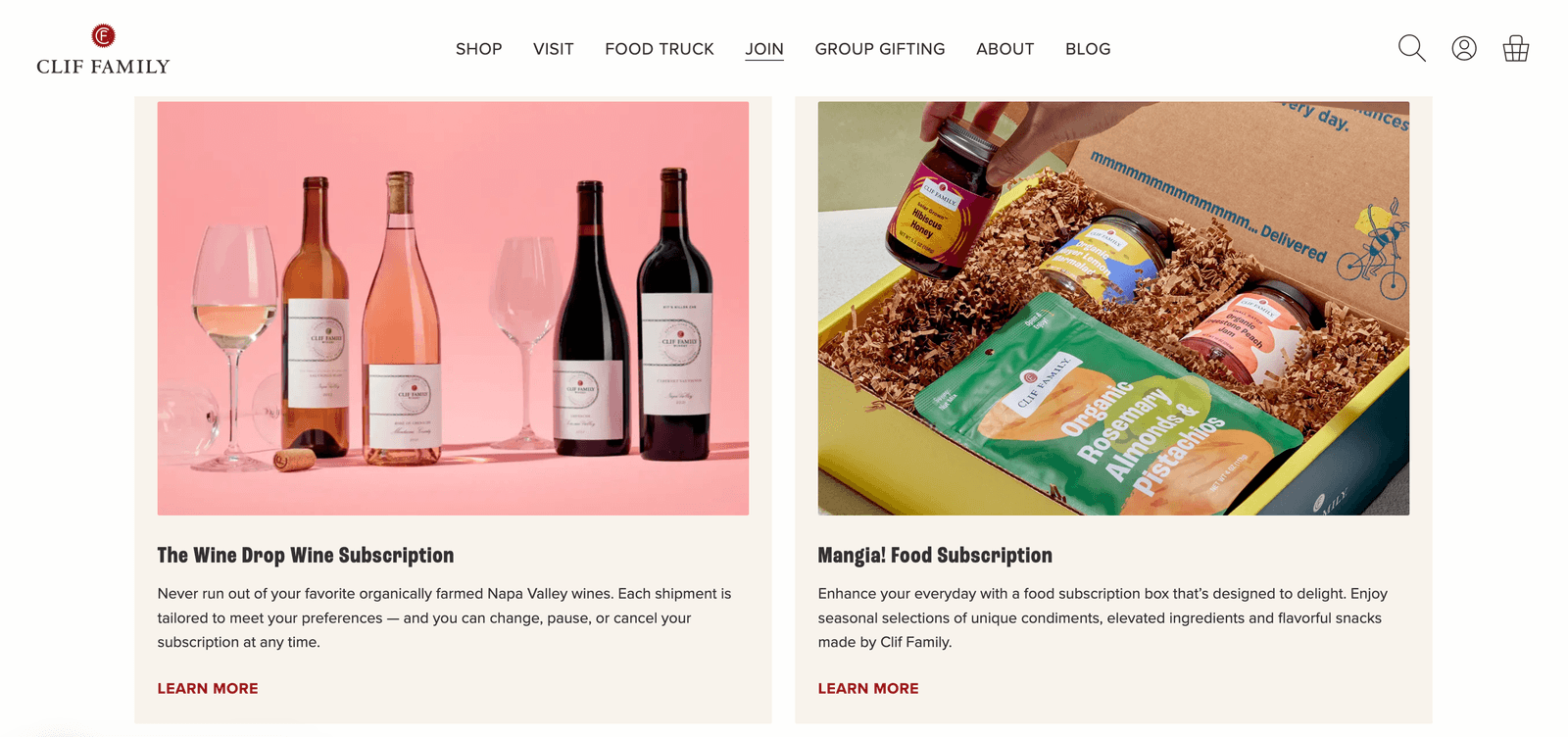
For years, wineries evaluating new technology have asked the same question: “Can it handle my clubs and tasting room?” While that’s still important, the bigger question today is: “Can this platform help me grow into the future?” For years, wineries evaluating new technology have asked the same question: “Can it handle my clubs and tasting room?” While that’s still important, the bigger question today is: “Can this platform help me grow into the future?” The truth is, covering today’s needs is table stakes. The real opportunity lies in embracing tools that unlock growth and connect wineries to the same ecosystem powering the world’s most innovative ecommerce brands. That’s why more wineries are moving to Shopify, and choosing Awtomic as the engine behind their clubs. Built for the Wine Industry With Awtomic and Shopify, wineries don’t have to choose between tradition and innovation. Our pl
00
February 10, 2026

After 30 years of moving up and to the right, the American wine industry hit a wall. Not a temporary slowdown or a soft patch. A structural shift that requires a fundamentally different marketing playbook. 2025 was the reality check. 2026 is the year wineries either adapt or watch their customer base age out beneath them. The data is now unambiguous: wine sales dropped approximately 6% in 2024, marking the steepest decline in decades according to SipSource industry data. More troubling than the headline number is what's driving it. This isn't a recession blip or a bad vintage. It's a fundamental realignment of who drinks wine, how they buy it, and what they expect from the brands they choose. Here are the five trends reshaping the US wine market and what they mean for your brand's survival. The Demographic Disruption The wine industry built its growth on one generation: Baby Boomers. That generation is now aging out. The Wine Market Council's 2025 U.S. Consumer Ben
00
January 26, 2026
This cork stopper adapts to standard bottles and combines practicality with sustainability, preserving all the advantages of cork. Amorim Cork relaunches Helix, the ergonomically disruptive natural cork closure that combines the convenience of twist opening with the authenticity, ritual, and sustainability of traditional cork. First introduced in 2013, Helix has surpassed 50 million units sold globally and is now available in an updated version compatible with all bottles featuring an 18.5mm neck (CETIE model), expanding its versatility across markets and wine styles. Helix was developed to address evolving consumer behavior while preserving the elements that define the wine experience. The closure opens without a corkscrew, yet retains the unmistakable “pop” of natural cork—maintaining the opening ritual consumers associate with quality and celebration. Its twist-and-pop design allows bottles to be easily reclosed, supporting fractional consumption and helping preserv
00
January 22, 2026
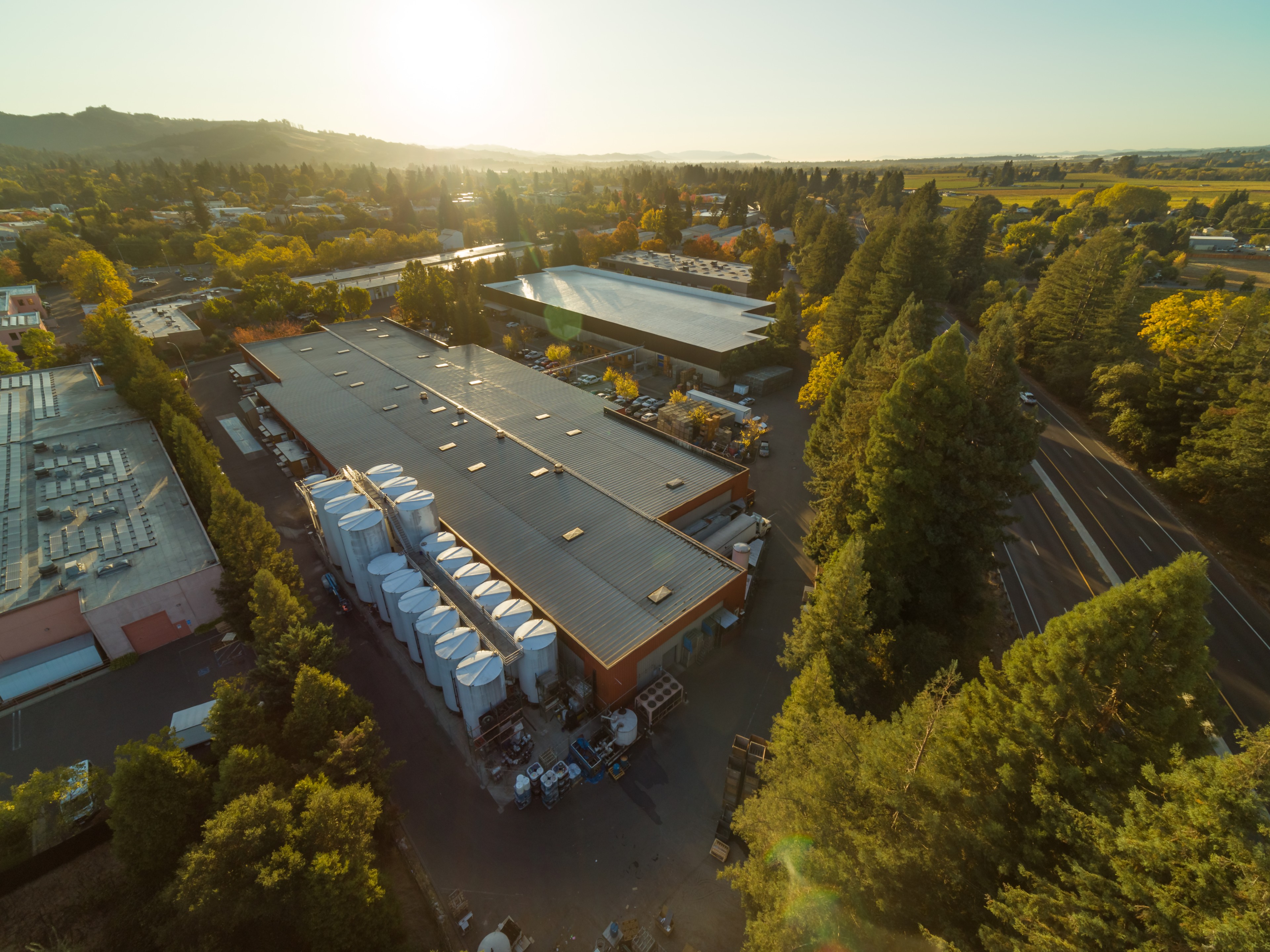
Sparkling wine is a bright spot in today’s challenging wine market. It ranks third among wine categories in sales, behind Cabernet and Chardonnay, and is the fastest-growing varietal.[*] The lower alcohol and light, fizzy taste appeals to the healthy mindset of today’s consumers, and the lower price point appeals to their stretched budgets. Sparkling wine is also a natural entry point for younger generations to engage with wine, as it delivers the fruity flavor and familiar effervescence they favor. Mark Garaventa, Chief Commercial Officer and General Manager of Healdsburg, California-based custom production and crush facility, Rack & Riddle, provides insight. “When I started here in 2009, drinking sparkling wine was a celebratory event, unlike the Europeans who drank it daily. Now that trend is developing here and driving the growth.” Rack & Riddle has grown from its 2007 founding by Rebecca Faust and Bruce Lundquist to become America’
00